
Winnipeg is the capital of Manitoba and the seventh-largest city in Canada, with roughly 749,000 residents inside the city limits and more than 850,000 across the surrounding metropolitan area. Sitting at the confluence of the Red and Assiniboine rivers — known to the Cree as Niiwin Wiindigoog ("Four Winds") and the Anishinaabe and Métis as the historical meeting place of "The Forks" — at the geographic centre of North America, it is the largest Prairie city between Toronto and Calgary and one of the most distinctive cultural capitals in the country. Winnipeg's musical identity reflects its geography and demography: a deep Indigenous (First Nations and Métis) musical history, one of the largest Ukrainian-Canadian populations in the country, the largest Filipino-Canadian community per capita in Canada, a serious Mennonite and Eastern European folk and choral tradition, and a remarkably consequential rock, indie, and punk lineage for a city of its size.
A brief history
The Forks — the meeting of the Red and Assiniboine rivers — was a meeting and trading place for Cree, Anishinaabe, Dakota, Dene, Métis, and Inuit peoples for at least 6,000 years before the Hudson's Bay Company established Fort Garry in 1812. The fur trade, the Red River Resistance of 1869–70 led by Métis leader Louis Riel, and the 1870 creation of the Province of Manitoba laid the political foundations of the modern city. The arrival of the Canadian Pacific Railway in 1881 turned Winnipeg into the "Chicago of the North" — by 1911 the third-largest city in Canada and a freight, grain, and immigration hub on a continental scale. The 1919 Winnipeg General Strike, the postwar founding of the Royal Winnipeg Ballet (Canada's first), and successive waves of immigration — Ukrainian, Polish, Jewish, Mennonite, Icelandic (Gimli, just north of the city, has the largest population of Icelandic descent outside Iceland), Italian, Filipino, Vietnamese, Sudanese, Eritrean, and West African — built the modern city. Winnipeg has the largest urban Indigenous population in Canada, with First Nations, Métis, and Inuit residents making up more than 12% of the city; that demographic reality is one of the central facts of the city's musical life.
Music identity
Winnipeg's most internationally famous musical chapter is the Winnipeg Sound — the wave of late-1960s and early-1970s rock that came out of the city's North End, West End, and downtown clubs. The Guess Who, formed in 1965 from the earlier Chad Allan and the Expressions, became the first Canadian rock band to top the U.S. Billboard charts (with "American Woman" in 1970) and built one of the foundational catalogs of Canadian rock through Burton Cummings and Randy Bachman. Bachman–Turner Overdrive (BTO), formed by Randy Bachman in Winnipeg in 1973 after he left the Guess Who, became one of the best-selling Canadian rock acts of the 1970s. Neil Young, raised in Winnipeg from age 12, formed his first band The Squires in the city, played the local circuit through his teens, and built lifelong artistic ties to Manitoba (his "Helpless" is explicitly about the prairie landscape outside Winnipeg). Burton Cummings built a major solo career out of the post–Guess Who decades. Lenny Breau, the legendary jazz guitarist, was raised in Winnipeg and built one of the most acclaimed jazz catalogs of the 1960s and 1970s. Loverboy's Paul Dean is a Winnipeg native. Crash Test Dummies, formed in Winnipeg in 1988, broke globally with God Shuffled His Feet (1993) and the single "Mmm Mmm Mmm Mmm." Bif Naked built her career out of the city. The Wyrd Sisters, the Watchmen, and Harlequin continued the Winnipeg rock lineage through the 1980s and 1990s.
The 1990s and 2000s remade the city again. The Weakerthans, formed in Winnipeg in 1997 by John K. Samson (formerly of Propagandhi), built one of the most acclaimed Canadian indie rock catalogs of the era through Left and Leaving (2000) and Reconstruction Site (2003); their songs about the Sherbrook Pool, the Albert Street curling rink, and the Plug In Institute have made them one of the most loved chroniclers of Winnipeg in any medium. Propagandhi, formed in nearby Portage la Prairie in 1986 and Winnipeg-based ever since, became one of the most respected punk and hardcore bands in the world through their political progressive-thrash sound. The Crash Test Dummies, The Wyrd Sisters, The Duhks (the Winnipeg roots and folk band), Imaginary Cities, Royal Canoe, and Begonia built the modern Winnipeg indie identity. Greg MacPherson, John K. Samson's solo work, and a deep singer-songwriter circuit anchor the city's modern roots scene. Comeback Kid, the Winnipeg melodic hardcore band, has built one of Canada's most internationally watched modern hardcore catalogs.
Winnipeg's Indigenous music lineage is one of the most consequential in North America. The city has long been a centre for Indigenous popular music — through artists like Buffy Sainte-Marie (born on the Piapot Cree Nation in Saskatchewan but with deep Winnipeg ties), Eagle & Hawk, Burnt Project 1, Don Amero, Tracy Bone, William Prince (the Peguis First Nation singer-songwriter, raised in nearby Selkirk and now one of the most acclaimed Canadian roots artists of his generation), iskwē, Boogey the Beat, and a thriving powwow drumming, Métis fiddle, and contemporary Indigenous hip-hop and roots scene. The Aboriginal Peoples Choice Music Awards were established in Winnipeg, and the city's Manito Ahbee Festival is one of the largest Indigenous music festivals in North America. Cree, Ojibwe, Dakota, Dene, and Inuktitut language pop, folk, and hip-hop fill the city's community halls, friendship centres, and festival stages.
The Filipino-Canadian community in Winnipeg — proportionally the largest in Canada — fuels a thriving R&B, pop, and karaoke culture, and a steady stream of Filipino touring acts route through the city. Ukrainian-Canadian music — through artists like the Ukrainian Pavilion at Folklorama, the Hoosli Ukrainian Male Chorus, and a deep choral and folk-dance tradition — runs continuously through the city's North End, where the Ukrainian Cultural and Educational Centre and a network of churches anchor the community. Mennonite choral music runs through Winnipeg's network of Mennonite churches and the Westgate Collegiate and Mennonite Brethren Collegiate choral programs. Jewish music has a long tradition through the Rady Jewish Community Centre. Métis fiddle music — the syncopated, dance-driven style developed by Red River Métis musicians from the 18th century onward — runs continuously through fiddle camps, jamborees, and family gatherings across the prairies, and Winnipeg is its institutional capital. The Royal Winnipeg Ballet, the Winnipeg Symphony Orchestra, Manitoba Opera, Le Cercle Molière (Canada's oldest French-language theatre, founded 1925 in Saint-Boniface), and the University of Manitoba music school anchor the classical and contemporary music tradition. Saint-Boniface, the historically francophone neighbourhood across the Red River from downtown, supports a thriving chanson franco-manitobaine scene through artists like Daniel Lavoie (Dunrea-born, Saint-Boniface-rooted) and the Festival du Voyageur programming.
Venues and neighborhoods
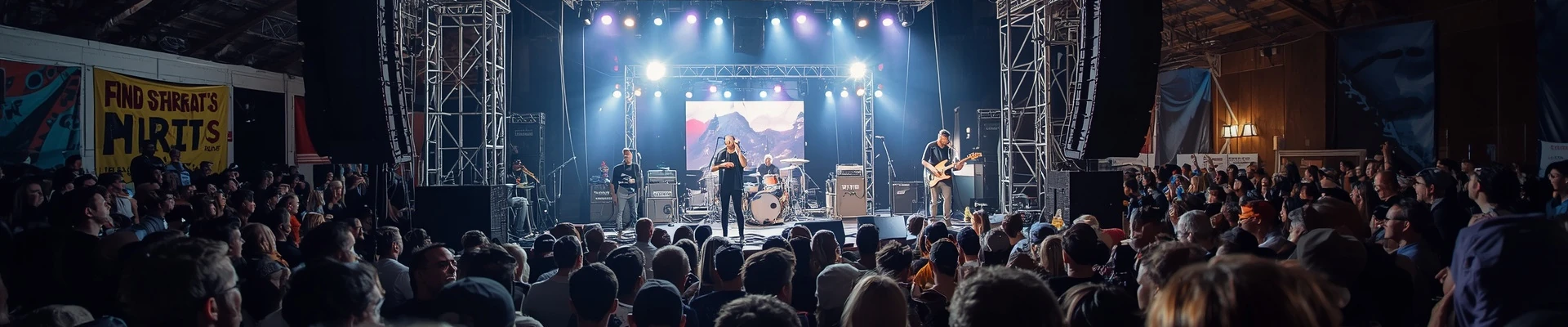
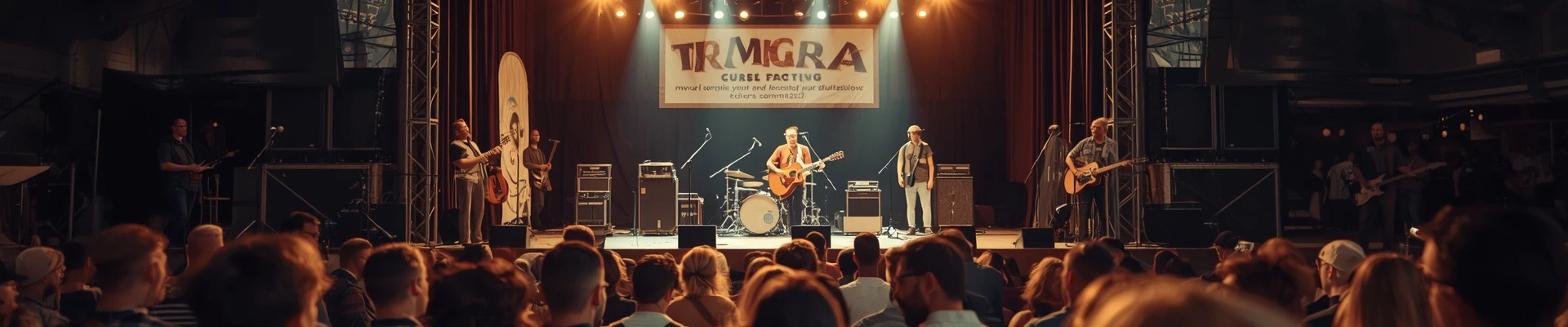
Winnipeg's venue ecosystem is well-developed. At the top sit Canada Life Centre (home of the Jets and the city's largest indoor concerts), Princess Auto Stadium, Canad Inns Stadium's legacy, the Burton Cummings Theatre (a 1907 Vaudeville house renamed in honour of the Guess Who frontman), the Centennial Concert Hall (home of the Winnipeg Symphony, the Royal Winnipeg Ballet, and Manitoba Opera), the Pantages Playhouse Theatre, and the Walker Theatre's legacy at Royal MTC. The midsize tier includes Garrick Centre, Park Theatre, the West End Cultural Centre (a former church turned listening room, one of the most beloved venues in the country), and the Times Change(d) High & Lonesome Club. Beneath them is a deep club layer — the West End Cultural Centre, the Times Change(d) High & Lonesome Club (the legendary Main Street roots and country bar), the Good Will Social Club, The Royal Albert Arms, The Pyramid Cabaret, The Handsome Daughter, Forth, Winnipeg Folk Festival's Winnipeg Music Series, The Park Theatre, Bulldog Event Centre, and a network of bars and DIY rooms across the Exchange District, Osborne Village, the West End, and Saint-Boniface. Centre culturel franco-manitobain in Saint-Boniface anchors francophone programming. Indigenous music has homes at Manito Ahbee programming, the Ma Mawi Wi Chi Itata Centre, the Indigenous Music Awards venues, and a rotating circuit of community halls and friendship centres.
Different neighborhoods carry different musical identities. The Exchange District anchors the indie rock, jazz, and DIY scenes through the West End Cultural Centre's neighbouring venues, the Good Will, and a dense bar and venue strip. Osborne Village retains its 1960s and 1970s rock identity. The West End anchors the West End Cultural Centre and a long lineage of community-driven music. The North End, historically the heart of Ukrainian-Canadian, Jewish, and Indigenous Winnipeg, supports a deep Ukrainian, Jewish, and Indigenous music tradition. Saint-Boniface, across the Red River, anchors the francophone music scene and the Festival du Voyageur. Transcona and East Kildonan support the city's metal and hard-rock circuits. South Winnipeg and the southwest support the Filipino-Canadian community through churches and event spaces.
Festivals and signature events
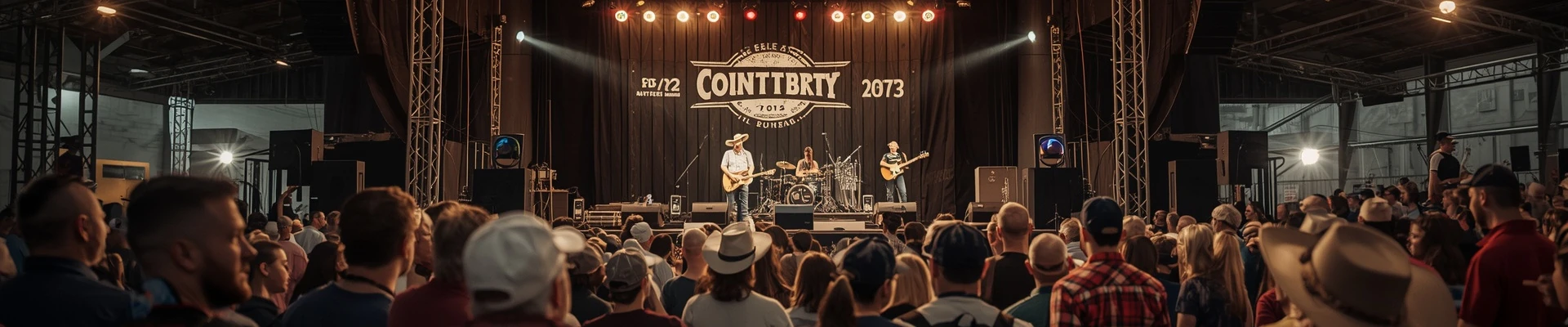
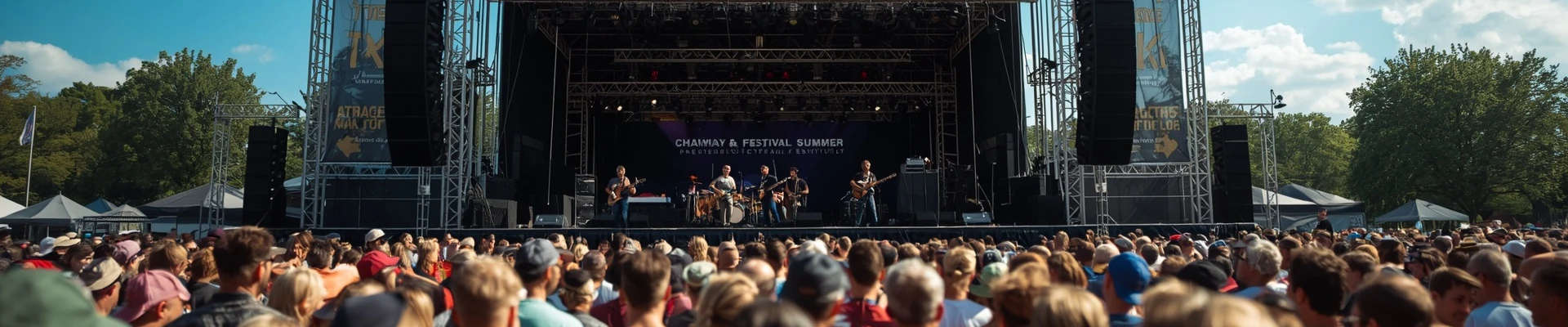
The festival calendar is anchored by the Winnipeg Folk Festival at Birds Hill Provincial Park each July, founded in 1974 — one of the largest and most respected folk festivals in North America, drawing more than 70,000 attendees over four days with a lineup that spans roots, world music, indie, and singer-songwriter programming. Festival du Voyageur in Saint-Boniface each February, founded in 1970, is one of the largest winter festivals in Canada and the largest francophone festival in Western Canada, drawing more than 100,000 attendees with a major francophone music programming track. Folklorama, founded in 1970, runs for two weeks each August and is one of the longest-running and largest multicultural festivals in the world, programming music and dance from more than 40 cultures across pavilions throughout the city. Manito Ahbee Festival each May programs Indigenous music, dance, and ceremony. Jazz Winnipeg Festival, Winnipeg Fringe Theatre Festival's music programming, The Real Love Winnipeg, Sākihiwē Festival (Indigenous-led), Winnipeg International Children's Festival, Winnipeg New Music Festival, Heavy MTL Winnipeg's past editions, Riding Mountain Music Festival, Pride Winnipeg, and Filipino Street Festival add cultural and community programming.
What ties it all together is the city's combination of geographic isolation, immigrant and Indigenous diversity, and a long-standing tradition of musical reinvention out of relative obscurity. Winnipeg is the city where Neil Young learned to play guitar at the Riverview Community Club, where the Guess Who became the first Canadian rock band to top the U.S. charts, where the Weakerthans turned the Sherbrook Pool and the Albert Street curling rink into anthems, where Propagandhi has anchored political hardcore for nearly 40 years, where William Prince and iskwē are remaking Indigenous roots music, and where the Folk Festival, Festival du Voyageur, and Folklorama each turn the prairie sky into a multilingual concert hall. It is one of the most musically consequential cities in Canada per capita.