



Sydney is the largest urban centre on Cape Breton Island in Nova Scotia, Canada, and the principal municipality of the Cape Breton Regional Municipality (CBRM) — a regional government formed in 1995 that amalgamated Sydney with eleven surrounding towns and communities. The city proper sits at the confluence of the Sydney River and the Sydney Harbour, which opens onto the Bras d'Or Lake — the vast tidal saltwater lake system that divides Cape Breton Island in two and defines the island's geography and cultural imagination. Sydney lies roughly 400 kilometres northeast of Halifax, connected to the mainland via the Trans-Canada Highway and the Canso Causeway (opened 1955), and it sits at the end of a transportation corridor that has always given the island a slightly separate, self-contained identity from mainland Nova Scotia.
The city's population of roughly 105,000 (CBRM-wide) makes it the second-largest urban area in Nova Scotia, though decades of industrial decline following the collapse of the steel and coal industries have left Sydney smaller and considerably leaner than it once was. At its industrial peak in the mid-20th century, the Sydney area was home to Dosco (the Dominion Steel and Coal Corporation) and the Sydney Steel Corporation (Sysco), which operated the Sydney Steel Mill — one of the most significant steel producers in Atlantic Canada — alongside a network of coal mines spread across the Glace Bay, New Waterford, and Dominion corridors of Cape Breton. The closure of the steel mill in 2001 and the collapse of coal mining over the preceding two decades marked the end of an industrial era and drove substantial out-migration that has shaped Sydney's present-day demographics and economic profile.
A brief history
Cape Breton Island was home to the Mi'kmaq people for thousands of years before European contact. The French established Fortress Louisbourg on the island's eastern coast in the early 18th century — the largest fortified settlement in North America at the time and a major strategic prize in the Anglo-French conflicts over Atlantic Canada. The British seized the fortress permanently in 1758, and by the 1780s Loyalist settlers from the American colonies established Sydney as the capital of the short-lived Colony of Cape Breton (1784–1820), named for Thomas Townshend, 1st Viscount Sydney. The early town was predominantly Loyalist and Scottish Gaelic-speaking — the massive waves of Highland Scottish emigration to Cape Breton in the late 18th and early 19th centuries established the cultural bedrock that still defines the island's identity. By the 1800s Cape Breton had one of the highest concentrations of Scottish Gaelic speakers outside Scotland itself.
The 19th century brought coal mining on an industrial scale. The mines of Glace Bay, New Waterford, Dominion, and Sydney Mines turned Cape Breton into one of the most productive coalfields in North America and drew waves of immigrant workers — Ukrainians, Poles, Italians, Lebanese, West Indians, and others — layering additional cultural complexity over the existing Scottish-Irish-Acadian base. The coal and steel industries peaked in the first half of the 20th century and then entered a long, painful contraction that ran from the 1960s through the 2001 closure of Sysco. Cape Breton's working-class radicalism — labour unions, general strikes, and a distinctive tradition of industrial folk song — is as much a part of its musical heritage as the Celtic tradition.
Music identity
Sydney and Cape Breton Island have produced a disproportionately large music legacy for a small post-industrial city in Atlantic Canada. The island's musical reputation rests on three interconnected pillars: the Scottish Gaelic Celtic tradition, the working-class folk and roots tradition, and the Celtic rock and Canadiana rock scene that emerged from these roots in the 1990s and 2000s.
The Celtic tradition is the island's oldest and most internationally consequential musical export. Cape Breton fiddling — rooted in the 18th and 19th-century Scottish Highland tradition but developed into a distinctive local style over two centuries of relative geographic isolation — is recognized worldwide as among the most technically demanding and musically distinctive regional fiddle traditions in the world. The style's defining characteristics — complex ornamentation, a driving rhythmic bow arm, and the symbiotic relationship with the piano accompaniment tradition unique to Cape Breton — have influenced folk fiddlers globally. The island's most internationally celebrated fiddler is Natalie MacMaster (born 1972 in Troy, Victoria County), whose virtuosity and crossover appeal brought Cape Breton fiddling to concert halls from Carnegie Hall to the Sydney Opera House. Her cousin Buddy MacMaster (1924–2014, born in Judique) was the patriarch of the Cape Breton fiddle tradition and a pillar of the island's cultural life for seven decades. Ashley MacIsaac (born 1975 in Creignish, Inverness County) broke internationally in 1995 with his album hi™ how are you today? — a Celtic-punk-electronica fusion that went platinum in Canada, won a Juno Award, and earned a Grammy nomination, temporarily making Cape Breton fiddling the most talked-about sound in Canadian popular music. The Rankin Family (from Mabou, Inverness County) — Ann, Cookie, Jimmy, John Morris, and Raylene Rankin — were the island's most commercially successful Celtic pop act of the 1990s, selling over a million albums in Canada with their blend of Cape Breton folk, Celtic harmony, and country-inflected pop. Their 1993 self-titled album went triple platinum in Canada.
The working-class industrial tradition produced Rita MacNeil (1944–2013, born in Big Pond, Cape Breton), the island's most beloved singer. MacNeil's career spanned labour movement anthems (her 1981 song "Working Man" was written for the Cape Breton miners and became an anthem of working-class pride that was later recorded with The Men of the Deeps — the actual Cape Breton coal miners' chorus — reaching number-one in Canada), country-folk ballads, and eventually mainstream Canadian success that earned her multiple Juno Awards and the Order of Canada. Her tea room in Big Pond became one of Cape Breton's most-visited cultural tourism sites. The Men of the Deeps themselves — the world's only underground coal miners' chorus, formed in 1966 from actual working miners at the Dominion No. 20 colliery — represent the industrial folk tradition at its most literal, performing in their mining gear and recording with artists including Rita MacNeil and later recording for international audiences.
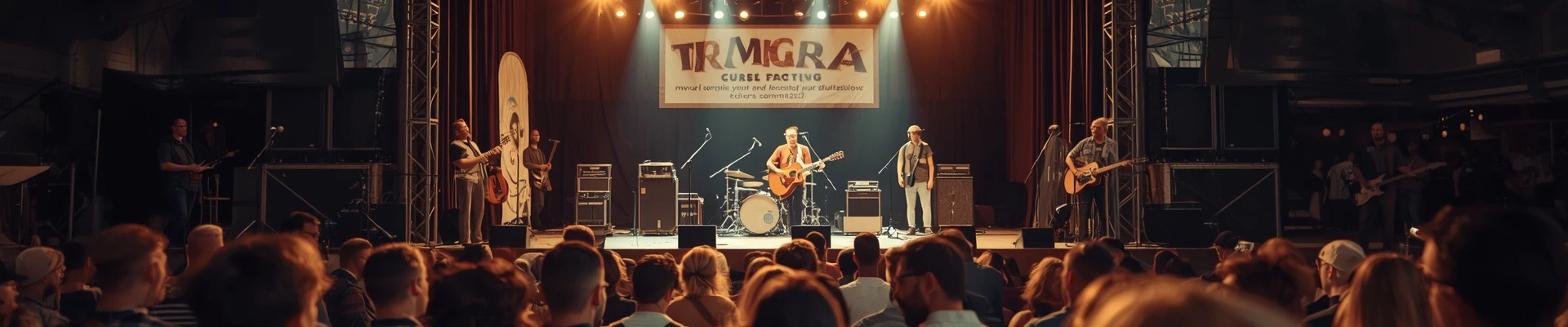
The 1990s and 2000s saw Cape Breton produce a broader wave of alt-folk, Celtic rock, and Canadiana artists. The Barra MacNeils (from Sydney Mines, Cape Breton) have been recording and performing Celtic music for over three decades, earning Juno Awards and East Coast Music Awards and maintaining a dedicated following across Atlantic Canada. Rawlins Cross (a Celtic-rock band formed in Newfoundland with strong Cape Breton connections) brought Celtic-rock to broader Canadian audiences. Dave MacIsaac is one of the premier Cape Breton guitarists, an in-demand session player and producer for the island's folk scene. Gordie Sampson (born in Cape Breton) became one of the most successful Canadian-born songwriters in contemporary country music, co-writing major hits for Carrie Underwood, Keith Urban, Hunter Hayes, and dozens of other Nashville acts — his songwriting credits include Underwood's "Before He Cheats" and multiple other chart-toppers.
Joel Plaskett — though born in Sussex, England, and based in Halifax — has Cape Breton roots through his father and has recorded material reflecting Atlantic Canadian themes; he represents the broader Atlantic Canadian roots-rock tradition that Sydney is part of. The city itself has produced hip-hop, metal, and pop acts as part of the broader Atlantic Canadian indie scene, but the dominant musical identity remains firmly Celtic, folk, and roots.
Venues and neighbourhoods
Sydney's venue ecosystem is modest by large-city standards but anchored by a few key institutions. The Cape Breton Centre for Craft and Design and the Membertou Trade and Convention Centre serve as event facilities for the broader CBRM. The Centre 200 (a 5,800-capacity arena in downtown Sydney) is the largest indoor venue on Cape Breton Island, hosting major touring acts, junior hockey, and large events. The Joan Harriss Cruise Pavilion on the Sydney waterfront hosts concerts and cultural events. The Savoy Theatre in Glace Bay (a beautifully restored 1927 opera house, about 22 kilometres from Sydney) is one of the most beloved performance venues in Atlantic Canada — hosting folk concerts, Celtic music events, theatre, and travelling shows in a 600-seat hall that retains much of its original grandeur. Downtown Sydney's Charlotte Street corridor has historically anchored the city's bar and live music scene.
The Membertou First Nation — a Mi'kmaw First Nation community that borders Sydney — has become one of the most successful First Nation economic development stories in Canada, and Membertou's cultural events and powwows have added Indigenous music and cultural programming to the regional calendar. The Cape Breton Highlands corridor (Inverness County, about 90 minutes from Sydney) contains the Cabot Trail and several smaller communities — Mabou, Judique, Cheticamp — that are the actual heartland of the Cape Breton Celtic fiddle tradition, with community dances (ceilidhs) running year-round.
Festivals and signature events
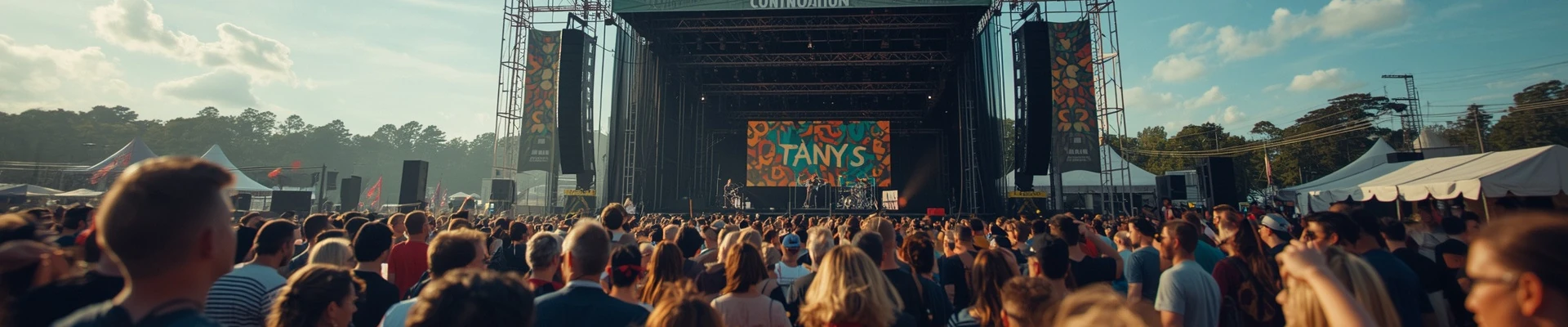
Sydney's most internationally famous cultural institution is the Celtic Colours International Festival — founded in 1997 and held each October across Cape Breton Island (with Sydney as a major hub), Celtic Colours is one of the largest and most critically respected Celtic music festivals in the world. The ten-day festival programs artists from Scotland, Ireland, Brittany, Galicia, Asturias, Quebec, Newfoundland, and Cape Breton itself across more than 50 concerts in venues ranging from the Centre 200 to community halls and churches in small Cape Breton villages. Celtic Colours has grown from a modest regional event into a globally recognized celebration of Celtic music that draws visitors from across North America, Europe, and beyond. In the fall of 2023 it celebrated its 26th edition.
The Sydney Jazz Festival, the Sydney Waterfront Festival, and Lumière (a winter light festival) round out the cultural calendar. Festival de l'Escaouette in the Acadian community celebrates Cape Breton's Francophone heritage. The Inverness Music Festival (in Inverness County) and the Ceilidh Trail festivals across Inverness County anchor the Celtic music summer season outside Sydney. Canada Day celebrations on the Sydney waterfront are among the largest in Atlantic Canada.
What ties it all together
Sydney and Cape Breton Island occupy a unique place in North American musical culture — a small, post-industrial city at the geographic edge of the continent whose Celtic, Mi'kmaw, Acadian, and working-class traditions have produced a body of music that punches enormously above its population weight. The Cape Breton fiddle tradition — in the hands of Natalie MacMaster, Buddy MacMaster, and Ashley MacIsaac — is genuinely world-class. Rita MacNeil was genuinely beloved across Canada in a way that very few artists from cities of any size achieve. Gordie Sampson's country songwriting credits rival those of any Nashville-based writer. Celtic Colours is a genuine world-class festival. The city's music emerges from the Bras d'Or, from the coal seams and the steel furnaces, from the Gaelic psalm-singing traditions brought across the Atlantic two centuries ago, from the labour hall and the community ceilidh — and it carries all of that weight with a directness and emotional honesty that is distinctly Cape Breton.