



Regina is the capital of Saskatchewan and the province's second-largest city, with approximately 226,000 residents within the city limits and roughly 270,000 across the metropolitan area. It sits almost perfectly in the centre of the Canadian prairies at an elevation of about 577 metres — one of the flattest populated horizons on earth, the surrounding terrain as level as a billiard table for hundreds of kilometres in every direction. The city is the commercial, governmental, and cultural hub of a province built on wheat, potash, oil, and uranium, and its musical identity reflects that dual nature: the earnest, no-nonsense character of a working Prairie capital, shaped by Indigenous Treaty territory, Anglo and Ukrainian settler history, and a long tradition of music and arts that punches well above its demographic weight.
A brief history
The site of modern Regina has been part of the traditional territory of the Cree, Assiniboine, Nakoda, Saulteaux, and Métis peoples for thousands of years. Treaty 4, signed in 1874 at Fort Qu'Appelle, opened the southern Saskatchewan prairies to Euro-Canadian settlement. The North-West Mounted Police established their headquarters at Pile of Bones Creek (the Cree name for the site, Wascana, referring to the buffalo bones left by hunters) in 1882, and the settlement was renamed Regina — Latin for "queen," in honour of Queen Victoria — that same year. The Canadian Pacific Railway arrived in 1882 and made the town its administrative headquarters for the Northwest Territories, and in 1905 Regina became the capital of the newly created Province of Saskatchewan. The city grew rapidly through the early twentieth century on the back of wheat farming — the Saskatchewan Wheat Pool, founded in Regina in 1924, became one of the largest grain cooperatives in the world. The Regina Riots of 1935, when RCMP and municipal police attacked unemployed relief-camp workers on the On-to-Ottawa Trek, are a foundational moment in Canadian labour history. Post-war growth brought the Saskatchewan Roughriders — the CFL's beloved green-and-white franchise, a source of provincial identity bordering on religious — and the modern city of government, universities, and a diversifying economy.
The Piapot Cree Nation reserve sits within metropolitan Regina, and Buffy Sainte-Marie was born there in 1941 — one of the most consequential Indigenous artists of the twentieth century. She was raised in the United States but maintained deep ties to Saskatchewan, and her career — spanning protest folk, country, electronic music, and Indigenous advocacy — has made her an international symbol of Indigenous musical and cultural resistance. She is the most famous musician associated with Regina's metropolitan territory.
Music identity
Regina's most internationally known musical product outside of Sainte-Marie is Moe Berg, the guitarist and songwriter behind The Pursuit of Happiness, who was born in Regina and built one of the most distinctive Canadian alternative rock and pop-rock catalogs of the late 1980s and 1990s. The Pursuit of Happiness formed in Edmonton in 1985 but Regina claims Berg's origins, and Love Junk (1988) — produced by Todd Terry and featuring "I'm an Adult Now" and "She's So Young" — remains a landmark of Canadian indie rock. The Original Caste, a Regina pop group of the late 1960s, achieved international recognition with "One Tin Soldier" (1969), which was later recorded by Coven for the Billy Jack soundtrack and reached millions of listeners worldwide. Streetheart, fronted by vocalist Kenny Shields and formed in Saskatoon but deeply rooted in the Saskatchewan Prairie circuit through Regina — one of the most successful Prairie rock acts of the late 1970s and early 1980s — moved through the Regina scene extensively. Wide Mouth Mason, the Northern Pikes, and the broader Saskatchewan rock diaspora of the 1980s and 1990s crisscrossed the province on a circuit that ran through Regina's bars and theatres.
The modern Regina music scene is anchored by a deep indie rock and singer-songwriter community. Rymes with Orange is the stage name of Regina-based hip-hop artist Jeff Rymes, one of the most prominent Saskatchewan hip-hop voices of his era. The Cathedral Village neighbourhood on 13th Avenue has produced a tight-knit folk and indie rock community through the annual Cathedral Arts Festival, one of Saskatchewan's most beloved street celebrations. Erin Endersby, a Regina folk and roots singer-songwriter, represents the city's active acoustic community. The Dungarees brought a Regina-rooted country and Canadiana sound to wider audiences. Slow Down Molasses (based in Saskatoon) and the broader Saskatchewan indie community treat Regina's stages as home territory. Colter Wall, the deep-baritoned country and folk artist who grew up in Swift Current, regularly plays Regina and represents a broader Saskatchewan outlaw country and prairie folk revival that the city's venues sustain.
Regina's Indigenous music scene is rooted in the Treaty 4 territory context. The city has a significant urban Indigenous population — First Nations and Métis residents drawn from across southern Saskatchewan — and sustains a continuous powwow drumming tradition, a Métis fiddle culture, and a growing Indigenous hip-hop and contemporary roots scene. The First Nations University of Canada in Regina is unique in Canada — a federated university of the University of Regina focused on First Nations education and cultural programming — and its cultural events and music programming sustain Indigenous arts in an institutional context rare for a city of this size. Artists connecting to the Regina Indigenous community include Eagle Heart, traditional and contemporary drummers, and a growing cohort of Indigenous hip-hop and R&B artists making work in both Cree and English.
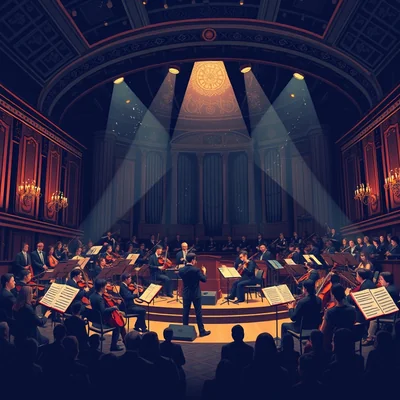
The Ukrainian-Canadian community — Saskatchewan has one of the largest per-capita Ukrainian populations in Canada — sustains a folk and choral tradition through the Ukrainian Cultural Society of Regina, church choirs, and annual cultural programming. German Mennonite choral music runs through the city's Mennonite congregations. The Filipino community supports a growing R&B and pop circuit. The Regina Symphony Orchestra, founded in 1908 and one of Canada's oldest professional orchestras, anchors the classical tradition alongside the Saskatchewan Choral Federation and the University of Regina's Faculty of Media, Art, and Performance.
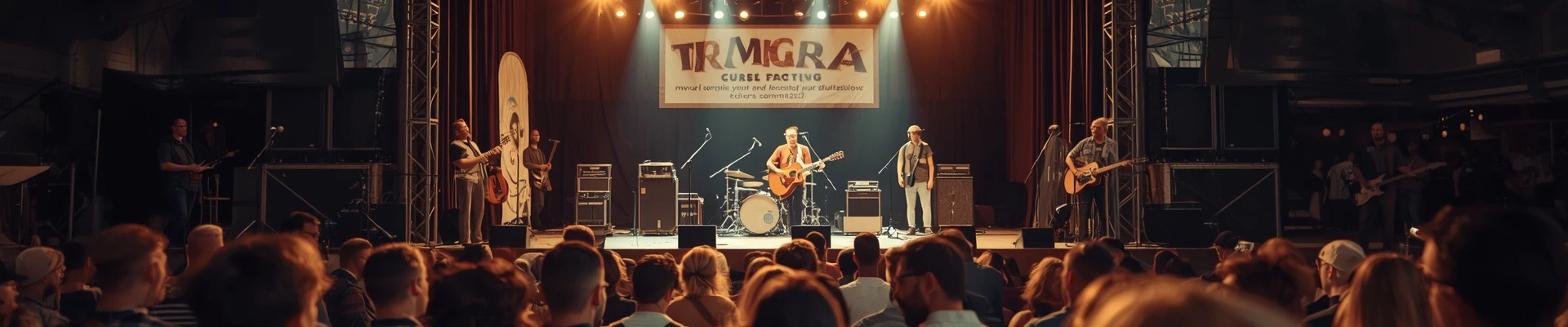
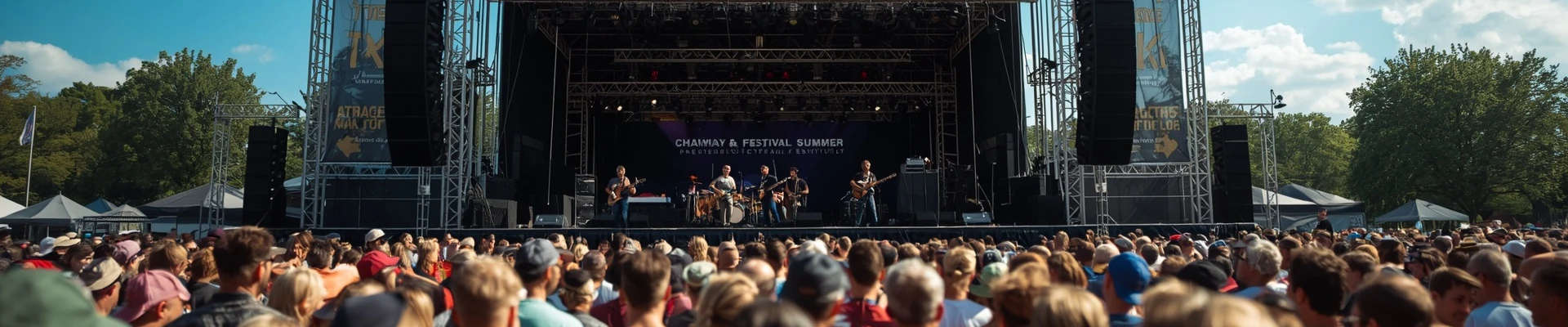
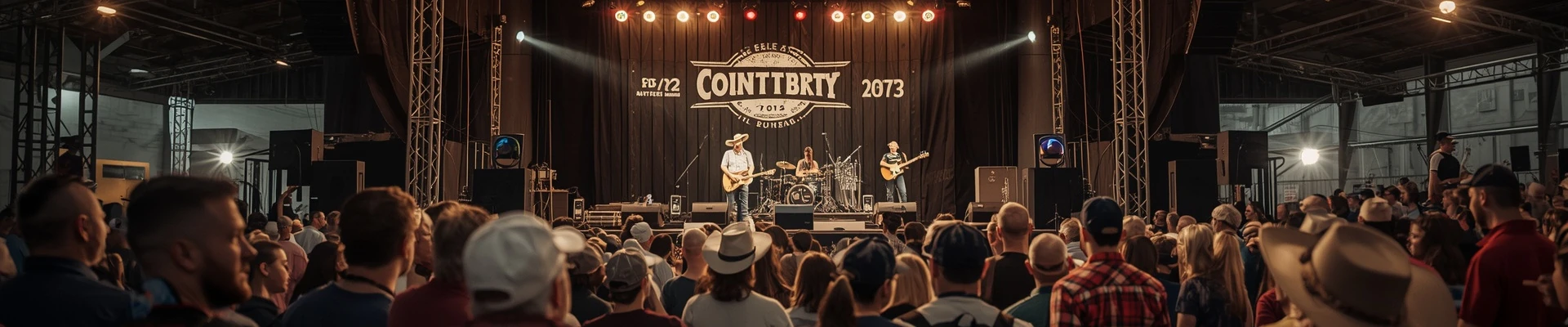
Country music flows through Regina in a deep and constant current — the city is a Saskatchewan booking hub for touring country acts from across Canada and the United States, and the Conexus Arts Centre and Brandt Centre host major country tours year-round. The Craven Country Jamboree (held at Craven, 30 minutes north of Regina) was one of the largest country music festivals in North America through the 1980s and 1990s, drawing upward of 60,000 visitors per day at its peak, and it routed the bulk of its artist traffic through Regina's hotels, restaurants, and hospitality industry.
Venues and neighborhoods
The flagship venue is the Conexus Arts Centre (formerly the Saskatchewan Centre of the Arts), a 2,029-seat proscenium theatre on the shores of Wascana Lake — one of the largest urban parks in North America. The Centre sits within Wascana Centre, a 930-hectare park surrounding Wascana Lake that holds the Saskatchewan Legislative Building, the Royal Saskatchewan Museum, and the MacKenzie Art Gallery. The Centre books a wide range of touring acts — orchestra, country, pop, comedy — and serves as the city's primary mid-size concert venue. The Brandt Centre (home of the WHL's Regina Pats) serves as the city's arena-level concert facility for major touring acts. The University of Regina's Riddell Centre and the **First Nations University of Canada's Mahkwa Omâhkiyâw event space support university and community programming.
The club and bar tier is anchored by the Cathedral Village corridor along 13th Avenue and Victoria Avenue, where The Artful Dodger, The Exchange, and a cluster of bars and live-music rooms sustain a weekly live music circuit. Bushwakker Brewpub on Albert Street is one of the city's most beloved independent establishments and a consistent live-music venue for acoustic and folk programming. O'Hanlon's Irish Pub on Hamilton Street has a long live-music tradition. The Copper Kettle and various rotating venues support the indie and DIY circuit. The Rehearsal Studios and the Regina Folk Festival's programming infrastructure anchor the city's grassroots scene.
The Cathedral neighbourhood along 13th Avenue is Regina's arts and culture district — dense with independent restaurants, galleries, and music venues, and the anchor of the city's bohemian creative class. The Warehouse District on the eastern edge of downtown supports arts studios and occasional event programming. Wascana Centre and the adjacent government district define the city's formal cultural geography.
Festivals and signature events
The Regina Folk Festival at Victoria Park each August is the city's signature music event — a two-day outdoor festival founded in 1969 that programs folk, roots, Americana, indie, and world music and draws attendees from across Saskatchewan and beyond. It is the oldest folk festival in Saskatchewan and one of the oldest in Western Canada. The Cathedral Arts Festival on 13th Avenue each June is a beloved street festival with a strong music and arts programming track. Mosaic — A Festival of Cultures, run by the Regina Multicultural Council, programs music from dozens of cultural communities across the city's pavilion system. Ness Creek Music Festival (held north of the city at Big River) draws a significant Regina audience. Pride Regina supports LGBTQ+ music programming. The Regina Symphony's annual season anchors classical programming. The Craven Country Jamboree, historically the largest country festival in Western Canada, brought international country talent to the Regina metropolitan area each July through its peak decades.
What ties it all together
Regina's musical identity is shaped by three forces: the vast, sky-dominated Prairie geography that produces a certain kind of honest, unadorned music-making; the deep Indigenous cultural presence of Treaty 4 territory — Buffy Sainte-Marie's birthplace sits within the city's metropolitan boundaries, and the First Nations University of Canada gives that presence institutional permanence; and the city's role as Saskatchewan's booking hub, routing touring country, rock, and folk acts across a sparsely populated province that relies on Regina's stages and hotel infrastructure for viability. It is a city where the Regina Folk Festival has run continuously since 1969, where the Craven Country Jamboree once drew 60,000 people a day to a farmer's field thirty minutes from downtown, where Moe Berg learned to hear the world sideways before moving to Edmonton and writing "I'm an Adult Now," and where the oldest professional orchestra in Western Canada plays across the water from the legislature on one of the most dramatic Prairie waterfront settings in the country. Small enough to feel intimate, large enough to sustain a genuine scene, Regina is the musical capital of a province that has produced outsized artists and sounds for over a century.