

Birmingham is the largest city in Alabama and the seat of Jefferson County, with roughly 196,000 people inside the city limits and more than 1.1 million across the Birmingham-Hoover metropolitan area. It sits in the Jones Valley between the Appalachian ridges of Red Mountain to the south and Ruffner Mountain to the east — a geography that concentrates the city in a bowl of industrial history. Founded in 1871 at the junction of two railroads, Birmingham is one of the youngest major cities in the American South, platted on a raw grid and incorporated as a planned industrial center. Iron ore, limestone, and coal all lay within 30 miles of the city center, and by the turn of the 20th century Birmingham was the largest iron producer in the world south of Pittsburgh, earning it the nickname "The Pittsburgh of the South." The industrial boom created a city of dramatic contrasts: explosive growth, extraordinary working-class density, and a brutal system of racial segregation that would make Birmingham the symbolic center of the American civil rights struggle in the early 1960s.
A brief history
The land that became Birmingham belonged to the Muscogee (Creek) Nation before removal in the 1830s. The city's transformation came with the railroad and the discovery of mineable iron ore, limestone, and coal in close proximity — conditions that made large-scale iron and steel production economically viable. The founding of Elyton Land Company in 1871 created a city almost overnight: from a platted grid to a population of 132,000 by 1910. The labor force was largely Black and immigrant — formerly enslaved workers and their descendants alongside arrivals from Italy, Greece, and Eastern Europe — all drawn to the furnaces and mines, and all subject to a system of racial segregation enforced by convict leasing and institutional violence. The historically Black west-side neighborhoods — Smithfield, Titusville, Ensley — became the incubators of Birmingham's most significant musical culture.
The 1963 Birmingham Campaign, coordinated by Fred Shuttlesworth, Martin Luther King Jr., and the Southern Christian Leadership Conference, broke the city open. The photographs of nonviolent protesters attacked with fire hoses and police dogs went around the world and accelerated the Civil Rights Act of 1964. The bombing of 16th Street Baptist Church on September 15, 1963 — killing four young girls — remains one of the most searing events in American history. Post-industrial restructuring in the 1970s and 1980s collapsed the steel industry, and Birmingham's population fell from a 1960 peak of 340,000 to under 200,000. The city reinvented itself around healthcare (anchored by UAB — University of Alabama at Birmingham), higher education, and a growing food and arts culture, with Avondale, Five Points South, and Lakeview emerging as its cultural corridors.
Music identity
Birmingham's music identity is rooted in the blues — specifically the west Alabama and Mississippi Delta traditions that moved along the labor migration routes into the city's west-side neighborhoods — and has evolved into one of the most musically eclectic mid-size cities in the American South, spanning blues, gospel, soul, R&B, rock, heavy metal, country, and Americana.
The city's most commercially successful export is Lionel Richie, born in Tuskegee and raised in the Alabama music circuit, whose career with the Commodores and as a solo artist ("Hello," "All Night Long," "We Are the World") represents one of the most successful runs in American pop history. Alabama, the country supergroup from Fort Payne, went from playing regional honky-tonks to 41 consecutive number-one country singles in the 1980s — the best-selling country act of that decade.
Birmingham's most significant recent export is Alabama Shakes, the rock band formed in Athens, Alabama who came up heavily on the Birmingham circuit. Their debut Boys & Girls (2012) and follow-up Sound & Color (2015) — which won four Grammy Awards including Best Rock Album — made lead singer and guitarist Brittany Howard one of the most celebrated vocalists in contemporary American music. Her solo album Jaime (2019) expanded that reputation considerably. Ruston Kelly, the Americana singer-songwriter, grew up in Birmingham and carried its working-class Southern ethos into critically praised solo work.
Birmingham's heavy metal and hard rock scene is one of the most sustained in the American South. The city sits at the center of a regional circuit connecting Huntsville, Tuscaloosa, and Atlanta that has developed and exported metal and sludge acts for four decades. The city's dedicated network of promoters, rehearsal spaces, and record stores has supported bands in doom, sludge, hardcore, and metalcore traditions consistently since the early 1980s.
The blues tradition runs through the west-side neighborhoods and Birmingham's deep connection to the Muscle Shoals recording ecosystem 90 miles northwest — home to FAME Studios and the Swampers rhythm section that played on foundational R&B and soul recordings by Aretha Franklin, Wilson Pickett, and dozens of others. Birmingham artists moved regularly between the two hubs, and the Muscle Shoals Sound is best understood as the regional expression of a musical culture Birmingham was central to sustaining.
The gospel tradition is foundational. Birmingham's historically Black Baptist churches sustained choral and spiritual traditions that fed directly into the civil rights movement and the commercial gospel circuit. The city's hip-hop scene grew substantially in the 2000s and 2010s: G-Side (the rap duo of ST 2 Lettaz and Yung Clova) and their Grind Time Rap collective earned national hip-hop media attention for albums like Starshipz and Rocketz (2009). A younger generation of trap and street rap artists has sustained local production culture into the present.
Venues and neighborhoods
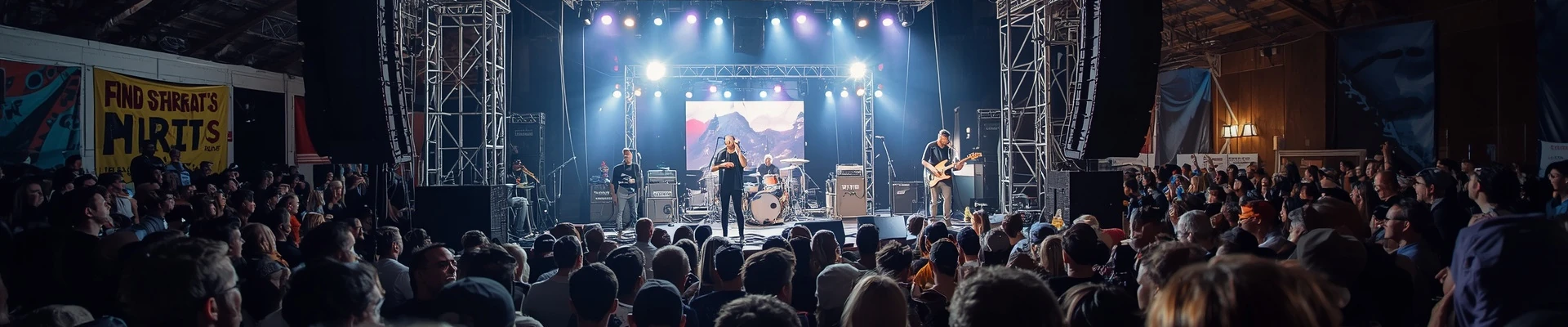
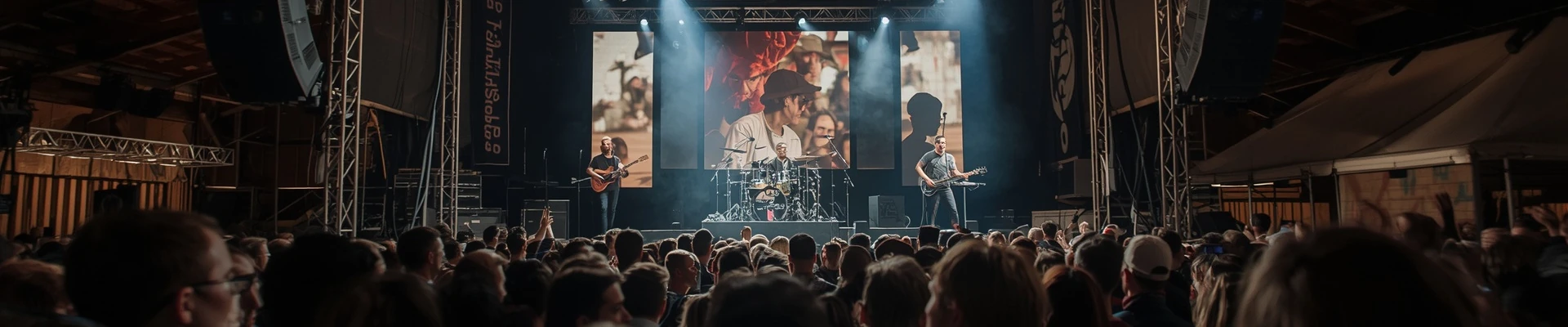
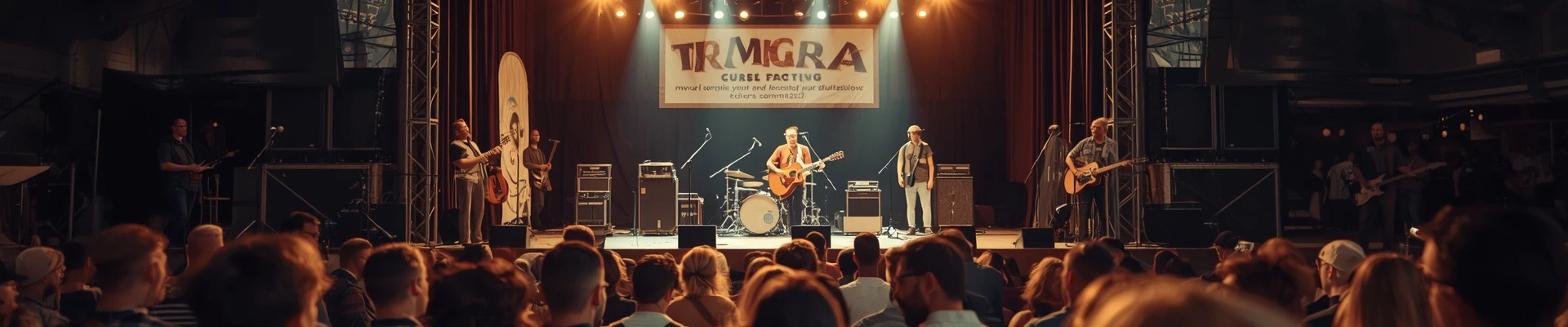
The city's flagship large venue is the Legacy Arena at the BJCC (Birmingham-Jefferson Convention Complex, 18,000 capacity) for national touring pop, rock, country, and R&B acts. The Coca-Cola Amphitheatre (formerly Oak Mountain Amphitheatre, 10,500 capacity, in Pelham) programs major outdoor summer touring concerts. Iron City (1,100 capacity, Lakeview district) is the city's primary mid-size rock and alternative venue, housed in a repurposed iron foundry with genuine industrial character. Saturn (in Avondale, about 400 capacity) programs indie rock, hip-hop, and electronic acts and is one of the most-praised small venues in the American South, known for eclectic and intelligent booking. WorkPlay (in Southside, 400–1,200 capacity across indoor and outdoor stages) hosts rock and alternative touring acts. The Nick Rocks (in Avondale) is a long-running dive bar and community anchor for local and regional rock, country, and alternative acts going back to the 1980s. Avondale Brewing Company programs outdoor concerts at its facility.
Neighborhoods anchor scenes: Avondale — east of downtown, anchored by Avondale Park and the stretch of 41st Street South — is the most active music corridor, with Saturn, The Nick, and Avondale Brewing in close proximity. Five Points South (near UAB, anchored by the Storyteller Statue) holds the university-adjacent live music bar district. Lakeview (around Highland Avenue and 5th Avenue South) holds Iron City and a concentration of music bars. Downtown Birmingham has grown as an evening entertainment district with the renovation of commercial buildings into bars, restaurants, and small music venues.
Festivals and signature events
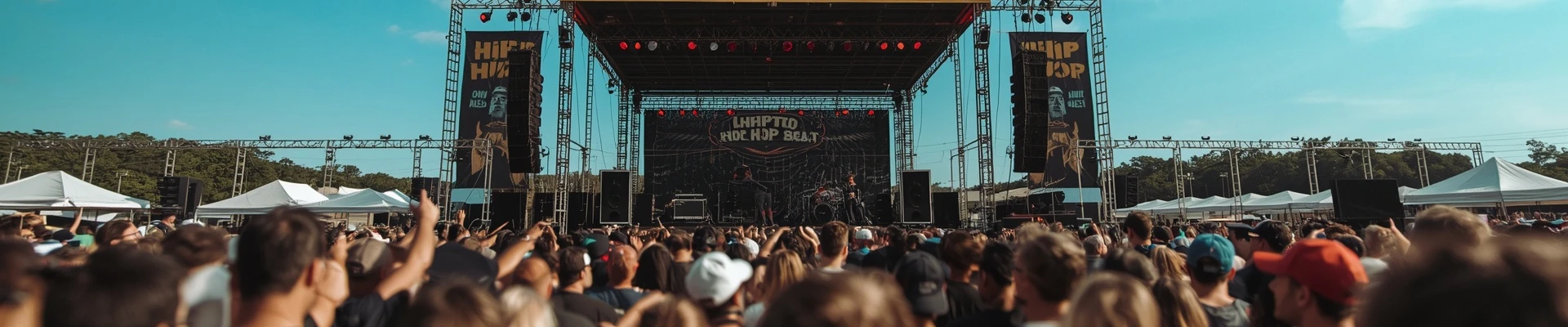
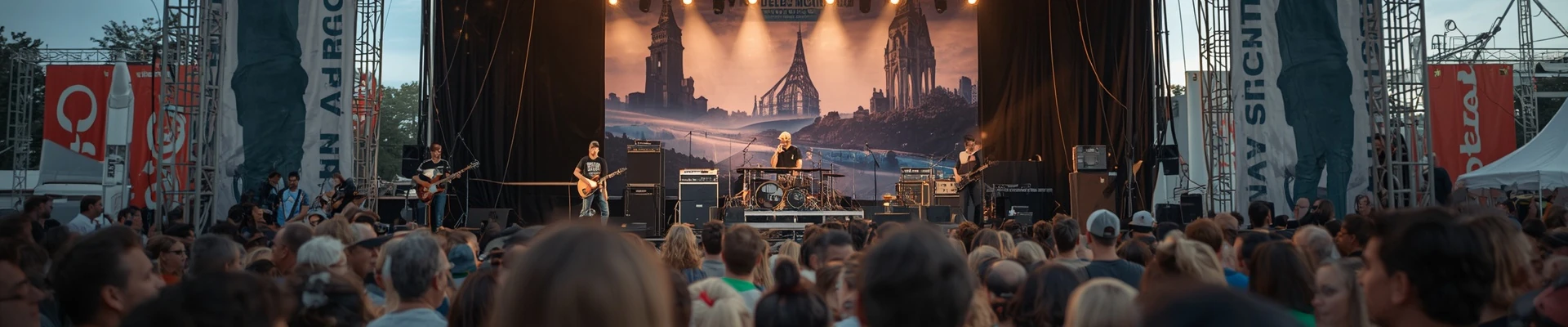
Sloss Fest — the two-day rock and indie festival at Sloss Furnaces National Historic Landmark, the preserved 19th-century iron blast furnaces in north Birmingham — is the city's flagship contemporary music festival, programming national and international rock, indie, and alternative acts against an extraordinary industrial backdrop since 2015. City Stages was the city's major outdoor music festival for 20 years (1989–2009), drawing national acts across multiple downtown stages and shaping Birmingham's self-image as a serious music city. Magic City Art Connection (spring, downtown) incorporates live music across outdoor stages. The Alabama Symphony Orchestra programs classical concerts at Alys Stephens Center (at UAB) and summer outdoor events. Sidewalk Film Festival includes live music programming.
What ties it all together
Birmingham's music is inseparable from the weight of its history. A city forged in iron and defined by racial conflict cannot produce a light musical culture, and it hasn't: the blues came up from the west-side labor camps and church pews; the heavy metal echoed the furnace noise; the civil rights gospel carried the weight of what the city had done and what it still owed. The Alabama Shakes — rooted in the regional circuit Birmingham anchored — made music that sounded like all of this at once: raw, Southern, gospel-inflected, and reaching. The city's best live music still carries that quality, whether in Saturn's tight room in Avondale or under the corroded iron towers at Sloss Furnaces. The Magic City built itself on ore that came out of the ground, and its music has always had that same quality — dense, hard, extracted from something that cost something to pull up.