
Anchorage is the largest city in Alaska and the economic and cultural centre of the forty-ninth state, home to roughly 290,000 residents — nearly 40 percent of Alaska's entire population — within the city-borough limits. It sits on a broad coastal plain at the head of Cook Inlet, flanked to the east and south by the Chugach Mountains (which rise abruptly to more than 5,000 feet within the city limits), to the north by Knik Arm, and to the southwest by the open waters of the inlet itself. The setting is dramatic in a way that shapes daily life: moose wander the greenbelt trails that thread through residential neighbourhoods, earthquakes are routine (the 1964 Good Friday Earthquake — the second-most-powerful ever recorded — reshaped downtown), and the 20-hour summer days and 5-hour winter days produce a seasonal swing that colours the city's entire social and cultural rhythm. Anchorage is roughly 39% white, 9% Black, 8% Alaska Native, 8% Filipino, 7% Hispanic, and hosts one of the most diverse and internationally connected urban populations in the American West, driven by oil-industry migration, military presence at Joint Base Elmendorf-Richardson, and decades of immigration from the Philippines, Pacific Islands, and Central America.
A brief history
The Dena'ina Athabascan people — the Dena'ina — inhabited Cook Inlet and the surrounding region for millennia before European contact. Their village of Eklutna persists to the north of the modern city and remains a living cultural site. American settlement began in earnest in 1914 when the federal government selected the site as the construction headquarters for the Alaska Railroad, which would connect the ice-free port at Seward to the interior coalfields and eventually to Fairbanks. The tent city that sprang up on the tidal flats became Ship Creek Anchorage — renamed simply Anchorage — and incorporated in 1920. World War II brought a massive military expansion: Anchorage became a critical staging point for the Aleutian Campaign against Japanese occupation, and Elmendorf Air Force Base and Fort Richardson established a permanent military presence that persists today. The 1968 discovery of oil at Prudhoe Bay on the North Slope, and the subsequent construction of the Trans-Alaska Pipeline (completed 1977), transformed Anchorage into the management and financial headquarters of a boom economy. The pipeline era brought thousands of workers — many from the American South and Midwest — who imported country music, rock, and blues into a city that had previously had a thin cultural infrastructure. That influx, combined with a resident Alaska Native population and growing immigrant communities, is the foundation of Anchorage's distinctive musical culture.
Music identity
Anchorage's most internationally consequential musical export is Jewel — the singer-songwriter raised in Homer, Alaska (south of Anchorage on the Kenai Peninsula) who played Anchorage coffeehouses and bars before moving to San Diego, recording Pieces of You (1995), and selling more than 27 million albums worldwide. Jewel is the canonical axis of Alaska's relationship to the American folk-singer-songwriter tradition, and her trajectory — small Alaska town, Anchorage circuit, Lower 48 breakthrough — traces the path many Alaskan musicians have followed.
But Anchorage's musical identity is not built on a single export. The city's most distinctive and locally consequential music is Alaska Native drumming and singing — specifically the Yup'ik, Inupiaq, Dena'ina, and Aleut/Unangan drum-dance traditions that survive actively through cultural programmes, community gatherings, the Alaska Native Heritage Center, and organizations like First Alaskans Institute. The qasgiq (community house) drum-dance traditions of the Yup'ik, the deep-frame drums of the Inupiaq, and the song traditions passed through oral transmission across generations are not peripheral to Anchorage's music culture — they are its deepest root. Groups like Pamyua (the groundbreaking Yup'ik/Inupiaq world-fusion quartet formed in the 1990s that blends traditional Alaska Native song with R&B, a cappella, and contemporary influences) have brought this tradition to international stages. Pamyua won the Native American Music Award and performed at venues from Anchorage to New York to Europe, proving that Alaska Native music can carry contemporary ambition without abandoning its foundations.
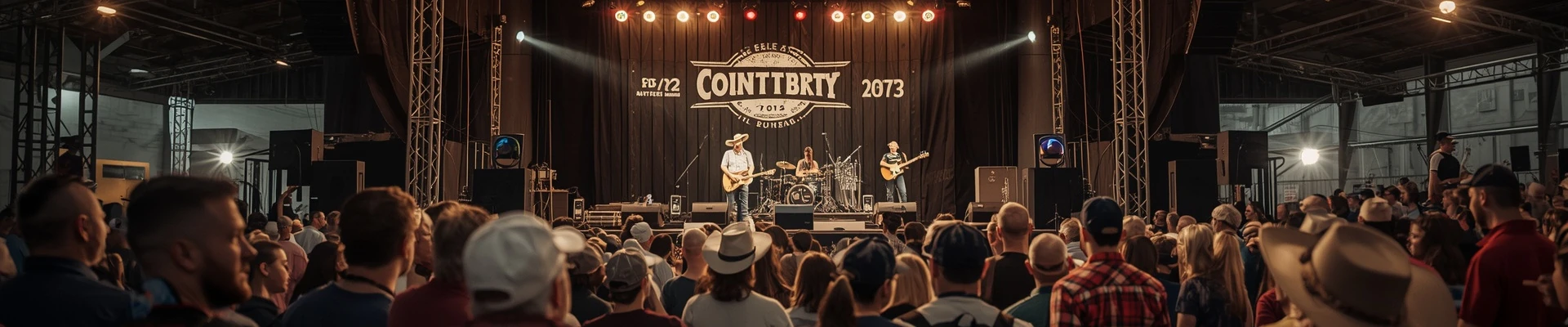
The country and Americana scene is Anchorage's largest and most commercially active. The pipeline era imported a deep honky-tonk tradition, and several generations of musicians have sustained it. The Midnight Sons, Midnight in the Wilderness, and a rotating circuit of country bands play Chilkoot Charlie's (universally known as "Koots"), the Peanut Farm, and the Gaslight Bar — the dive-bar circuit that has been the backbone of the live country scene since the 1970s. Visiting country acts including mid-tier Nashville touring artists fill the Alaska Airlines Center on the University of Alaska Anchorage campus and the Sullivan Arena (before its recent closure for renovation).
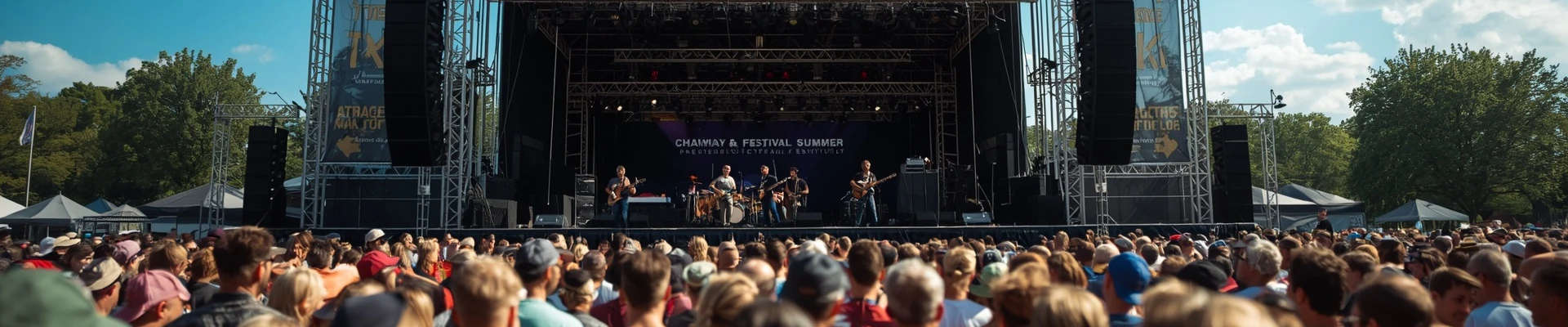
The rock and alternative scene runs deep. The late 1990s and 2000s produced a clutch of nationally noticed Anchorage rock bands: Portugal. The Man — the art-rock band formed in Wasilla (a suburb north of Anchorage) by John Gourley and Zachary Carothers — is the city's most significant indie rock export. The band's 2017 breakthrough single Feel It Still went number one in more than 20 countries and earned a Grammy for Best Pop Duo/Group Performance. Portugal. The Man came out of the Anchorage/Mat-Su Valley house-show and local-venue circuit before departing for Portland and New York, and their success is a reference point every Anchorage rock musician knows. The grunge and alternative era of the 1990s produced a local scene around clubs like the now-legendary Midnight Sun Brewing taproom and the Bernie's Bungalow circuit. The current rock scene runs through Williwaw (the mid-size venue in downtown Anchorage that programs rock, pop, and DJ nights) and 49th State Brewing's taproom stage.
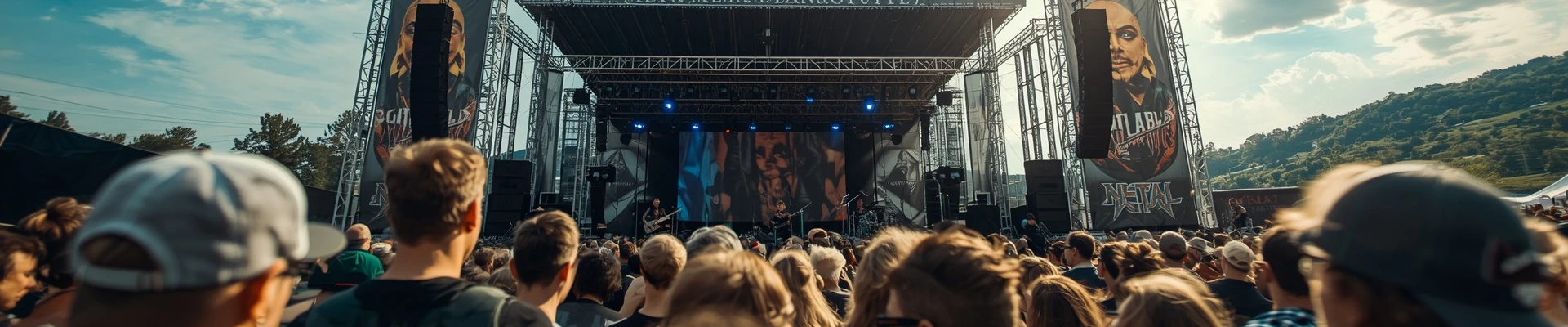
Metal has been a constant in Anchorage since the 1980s. The isolation, long winter nights, and Alaska's frontier psychology produce a disproportionately intense metal scene for a city of Anchorage's size — a pattern mirrored in Fairbanks, Juneau, and other isolated northern cities. Local labels and independent releases sustain a death, black, and thrash underground.
Hip-hop arrived in Anchorage in the early 1990s and has grown steadily since. The community around Alaska Hip Hop and artists like One Be Lo (the Michigan-raised rapper who has recorded in Anchorage) and various local MCs works through a circuit of shows at Williwaw and smaller venues. The Filipino-American community — one of the largest ethnic groups in the city — sustains a parallel Filipino pop and R&B scene through community events and the annual Filipino Community Fiesta.
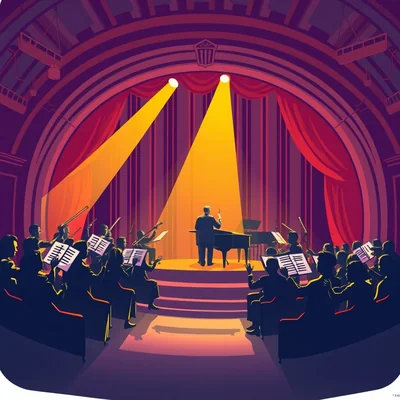
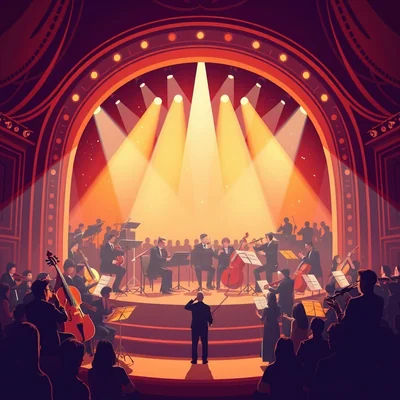
The classical scene centers on the Anchorage Symphony Orchestra (founded 1946) at the Alaska Center for the Performing Arts, and Anchorage Opera. The Bear Tooth Theatrepub programs live music alongside independent film. The Anchorage Concert Association brings major touring classical, jazz, and world music acts to the ACPA.
Venues and neighborhoods
Anchorage's venue landscape is compact and well-layered for a city of its size. At the top is the Alaska Airlines Center (the 5,000-seat arena on the UAA campus that opened in 2014 and hosts major touring acts in the mid-tier), the Egan Convention Center (flexible event space that expands the city's capacity for large-scale concerts), and the Alaska Center for the Performing Arts — the ACPA — the city's flagship performing arts complex on the edge of Town Square Park downtown, home to the Anchorage Symphony, Anchorage Opera, and touring Broadway. The Sullivan Arena (8,000-capacity, the city's longtime primary arena) was the previous headliner venue; its recent renovation status has pushed bookings to the Alaska Airlines Center.
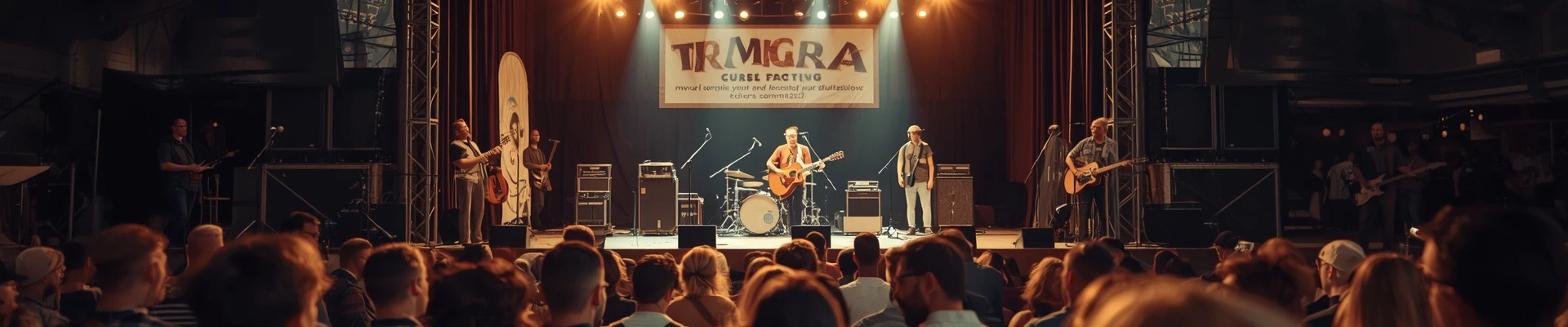
The mid-size and club circuit anchors downtown and the Ship Creek area. Williwaw (the ~500-capacity downtown venue in a converted building that programs rock, pop, hip-hop, and DJ nights) is the city's most important mid-size room for contemporary touring acts. Chilkoot Charlie's — "Koots" — is the legendary multilevel bar-and-venue complex on Spenard Road that has been in operation since 1970 and is the single most important destination in Anchorage's live music ecosystem; its nine bars across three floors program country, rock, DJ nights, and cover bands simultaneously. 49th State Brewing's Midtown taproom stage programs local and regional acts. Bear Tooth Theatrepub on Spenard Road is a beloved combination indie cinema and live music venue. The Peanut Farm on Old Seward Highway is one of the city's oldest and most consistent honky-tonk bars.
Downtown Anchorage — centered on 4th Avenue and Town Square — anchors the arts centre circuit and the bar strip. Spenard (the slightly bohemian, historically working-class corridor between downtown and Midtown) is the soul of Anchorage's independent music culture: Chilkoot Charlie's and Bear Tooth Theatrepub are both on Spenard Road, and the neighbourhood's mix of dive bars, ethnic restaurants, and small businesses sustains a local-first music culture. Midtown anchors the suburban country and classic rock circuit. The University of Alaska Anchorage (UAA) area in East Anchorage feeds the rock and alternative scene through student energy.
Festivals and signature events
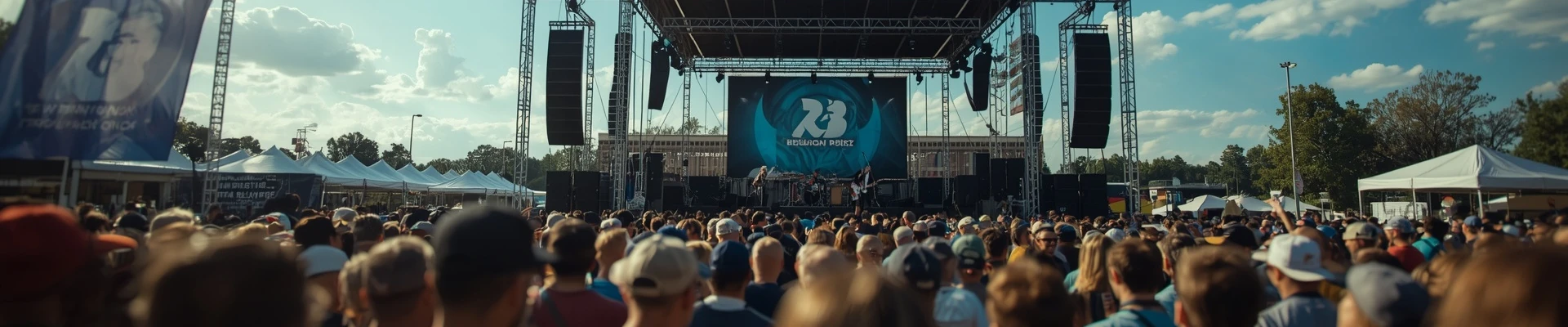
Anchorage's festivals are shaped by the outdoor-focused culture and the seasonal extremes. Fur Rendezvous ("Fur Rondy") is the city's oldest and largest festival — a ten-day late-February celebration of winter that has run since 1936 and combines dogsled races, carnival events, and a music programme. Anchorage Folk Festival (running since 1990, held in January at the Loussac Library) is one of the longest-running folk festivals in Alaska and a gathering point for folk, traditional, and singer-songwriter artists from across the state. The Alaska State Fair in nearby Palmer (in the Matanuska-Susitna Valley, roughly 40 miles north) is the region's largest annual event and programs major country and rock acts on its grandstand stage each August. Antarctica music festival, various Ship Creek summer concerts, and the Out North Contemporary Art House programming round out the calendar. The Anchorage International Film Festival in December incorporates live music events. Pride Anchorage programs major queer and ally artists through its summer festival.
What ties it all together
Anchorage is fundamentally a city of edges — the geographic edge of the continent, the cultural edge between indigenous tradition and American settler culture, the economic edge between the resource-extraction boom-and-bust cycle and the desire for a sustainable civic life. Its music reflects all of this: the depth of Alaska Native drumming roots, the pipeline-worker honky-tonk tradition, the isolated-city metal intensity, the improbable production of Portugal. The Man in a Wasilla bedroom, and Jewel singing for tips in a Homer coffeehouse before she changed the singer-songwriter world. Anchorage's isolation — the 2,800 miles from Seattle, the sense of being a self-contained universe at the edge of the map — creates the conditions for music that is both intensely local and fiercely independent, unwilling to imitate what's happening in the Lower 48 and unashamed of that distance. That combination is the city's defining musical signature: frontier self-sufficiency, Alaska Native depth, and the peculiar energy of a diverse city compressed onto a coastal plain between mountains and sea at the top of the world.