
Chula Vista — from the Spanish for "beautiful view" — is the second-largest city in San Diego County and the seventh-largest in California, with roughly 266,000 residents within the city limits. Situated at the southern edge of San Diego Bay, bordered by the city of San Diego to the north and the US-Mexico international border to the south, Chula Vista is one of the most geographically consequential cities in the American Southwest: it sits inside the San Diego–Tijuana binational metropolitan area, a cross-border region of more than five million people that is one of the busiest international corridors in the world. The city's terrain drops from the coastal wetlands of the bay through a broad mesa of inland suburbs toward the Otay Mesa hills and the border. It is a majority-Latino city — roughly 60% Hispanic or Latino — whose demographic composition has been shaped by successive waves of Mexican, Central American, and Filipino immigration, and whose cultural life is inseparable from the constant, fluid interchange of people, music, food, and commerce between San Diego County and Tijuana.
Geography and framing
Chula Vista's geography divides the city into two distinct halves. Western Chula Vista — the older, denser part of the city — runs along the bay shore and Third Avenue corridor, anchored by older residential neighborhoods, small commercial strips, and the historic downtown district along Third Avenue. Eastern Chula Vista — developed rapidly through the 1990s and 2000s — is a vast master-planned suburban landscape of housing tracts, shopping centres, and business parks that stretches from the Otay Ranch development toward the Otay Mountain Wilderness. The Otay Ranch area is one of the largest master-planned communities in American history. The South Bay regional identity — shared with National City, Bonita, Eastlake, and the surrounding communities — anchors Chula Vista's civic self-image as a distinct place rather than a suburb of San Diego.
The city is home to the Olympic Training Center (now the Chula Vista Elite Athlete Training Center), the only year-round Olympic training facility in the United States, which has drawn athletes from across the country and internationally and given Chula Vista an unexpected role in American athletic culture. The Port of San Diego's southernmost facilities, the Chula Vista Marina, and the planned Chula Vista Bayfront development — a large-scale mixed-use waterfront project that is expected to include a resort hotel and expanded public waterfront access — are reshaping the western edge of the city.
Music identity
Chula Vista's music identity is rooted in the cross-border Chicano and Mexican music traditions that have shaped the South Bay for generations. The city is one of the most important nodes in the Southern California Chicano music ecosystem, a tradition that runs from the East LA rock and soul scene of the 1950s and 1960s through the Chicano rock and lowrider oldies culture of the 1970s and 1980s to the regional Mexican explosion of the 1990s and 2000s. Chula Vista's proximity to Tijuana — separated from the city by only a few kilometres — means that the musical traffic between the two cities is constant: banda sinaloense, norteño, cumbia, grupero, and regional Mexican acts from Jalisco, Sinaloa, and throughout Mexico play Chula Vista venues on circuits that weave through Tijuana and back without much distinction.
The regional Mexican scene is the numerically dominant force in the local market. Chula Vista's radio dial and concert calendar are shaped by the same forces that make the San Diego–Tijuana corridor one of the most commercially significant regional Mexican markets in the United States. Banda MS de Sergio Lizárraga, Los Tigres del Norte, Jenni Rivera (the Long Beach-born Queen of Banda who became one of the most commercially successful Mexican American artists in history before her death in 2012), Lupillo Rivera, and dozens of touring acts play Chula Vista venues as standard routing on Southern California Latin music tours.
The Chicano rock and oldies tradition is a major cultural thread. South Bay Chicano car culture — lowriders, cruising Third Avenue, the oldies-and-Chicano-rock cassette and CD scene — gave Chula Vista a specific musical soundtrack running from The Penguins and The Platters through War, Malo, Tierra, El Chicano, and the broader East LA and South Bay Chicano soul canon. This tradition is maintained through oldies radio (93.3 KFMB and its competitors), through community lowrider shows and cruises, and through backyard parties and quinceañera circuits that still run on that repertoire.
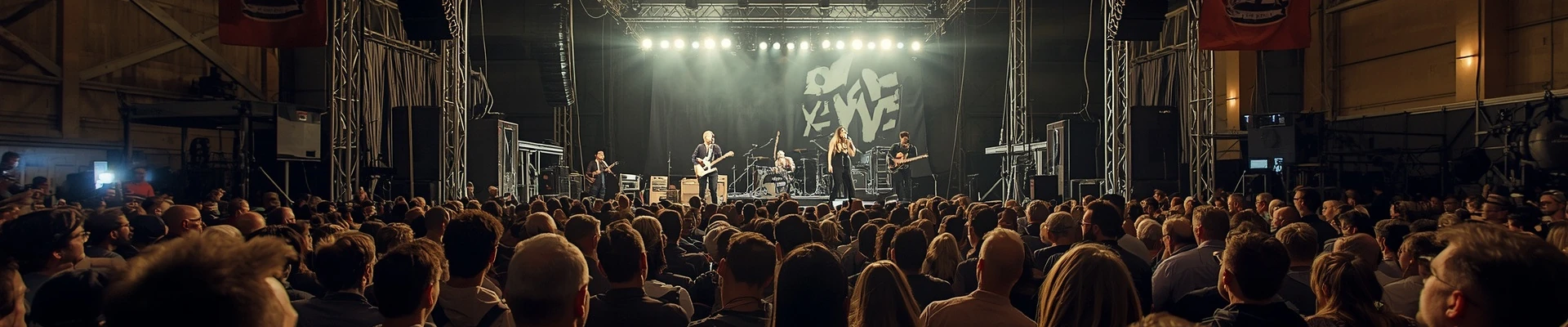
The punk and hardcore tradition of the South Bay — centered historically on National City and Chula Vista — contributed to the broader San Diego hardcore scene of the 1980s and 1990s. Unwritten Law, the Chula Vista pop-punk band formed in 1990, broke out to national recognition in the mid-1990s through Interscope Records and built a significant fanbase through heavy MTV rotation of songs like "Cailin," "Save Me," and "Rest of My Life," becoming one of the most commercially successful bands to come directly out of Chula Vista. Strung Out, No Use for a Name, and other bands from the San Diego–South Bay punk corridor played alongside Chula Vista bands on the regional circuit. The DIY show scene — backyard shows, church halls, VFW posts — has sustained multiple generations of Chula Vista punk, hardcore, and metal bands from the 1980s to the present.
The Filipino American community — one of the largest in San Diego County, concentrated in Chula Vista and the broader South Bay — has sustained a significant music culture of its own, including OPM (Original Pilipino Music), karaoke culture, Filipino-American R&B and hip-hop, and the kundiman and harana traditions maintained by older generations. Chula Vista's Filipino American music circuit is one of the more overlooked subcultures in San Diego County's music landscape.
Hip-hop and R&B from the South Bay have generated a stream of artists who have achieved regional and national recognition. Pac Div (the hip-hop group), South Bay rap scenes connected to the broader San Diego hip-hop community, and R&B artists from Chula Vista and National City have contributed to the San Diego rap and R&B market. The Latin trap, reggaeton, and urbano scenes — driven by the same young Chicano and Mexican American demographics that make up Chula Vista's majority — are rapidly growing.
Venues and neighborhoods
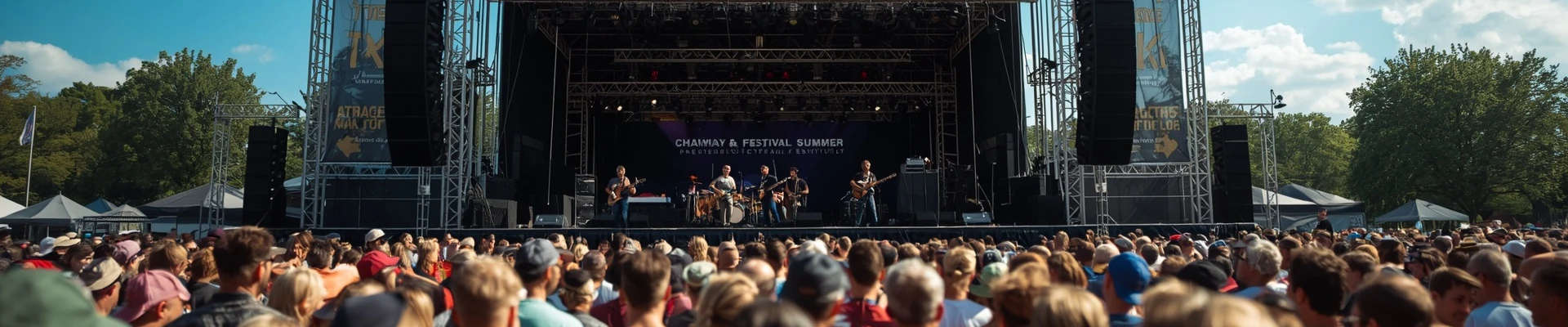
Chula Vista's primary large-scale concert venue is the North Island Credit Union Amphitheatre (formerly Cricket Wireless Amphitheatre, Coors Amphitheatre, and various other names), located in the eastern part of the city near the Otay Ranch area — a 19,700-capacity outdoor amphitheater that hosts major touring acts on the Southern California circuit and is one of the busiest amphitheatres in the United States. Its Latin concert calendar is among the most robust of any amphitheatre in the country: Banda MS, Los Tigres del Norte, Grupo Firme, and similar acts routinely sell it out.
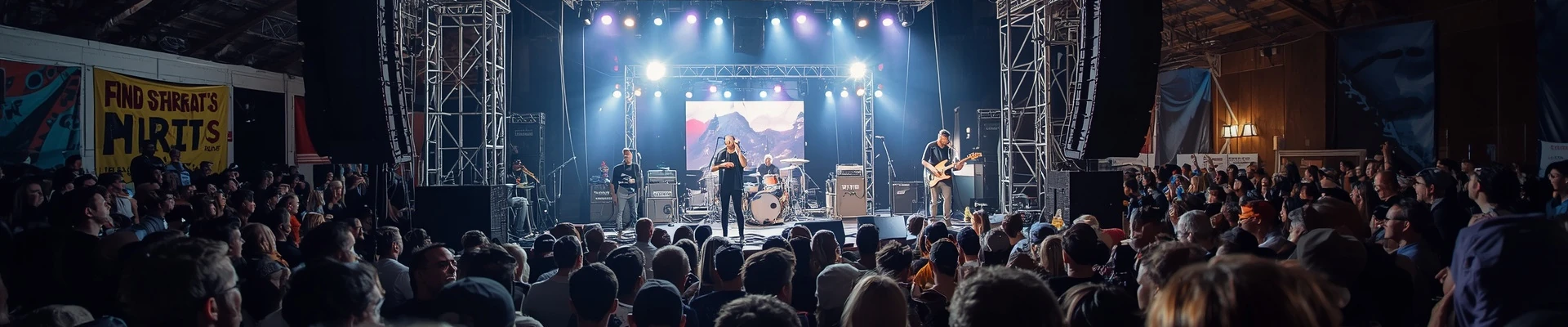
The Third Avenue corridor in western Chula Vista anchors the city's live music bar and club scene. The area has seen ongoing development effort to establish a walkable entertainment district, with a mix of bars, restaurants, and smaller live music venues serving the western residential population. The Chula Vista Center mall area and the Eastlake and Otay Ranch commercial corridors serve the eastern suburban population.
The broader San Diego South Bay music ecosystem — National City, Bonita, Eastlake, and the Chula Vista surrounding area — includes the House of Blues San Diego (in downtown San Diego, accessible from Chula Vista via the Blue Line trolley), the various clubs and bars along San Diego's Gaslamp Quarter and North Park neighborhoods, and the cross-border Tijuana music scene anchored by the Zona Centro and Zona Río entertainment districts.
Festivals and signature events
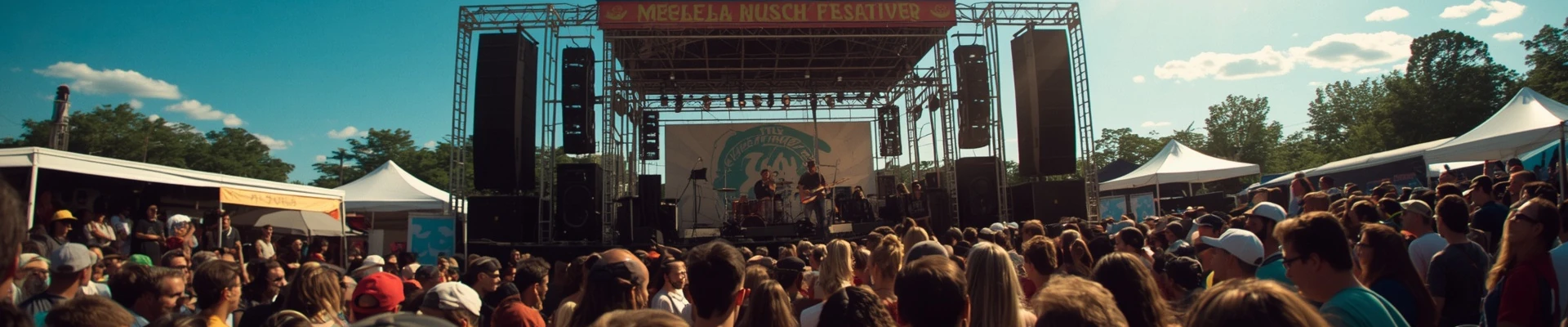
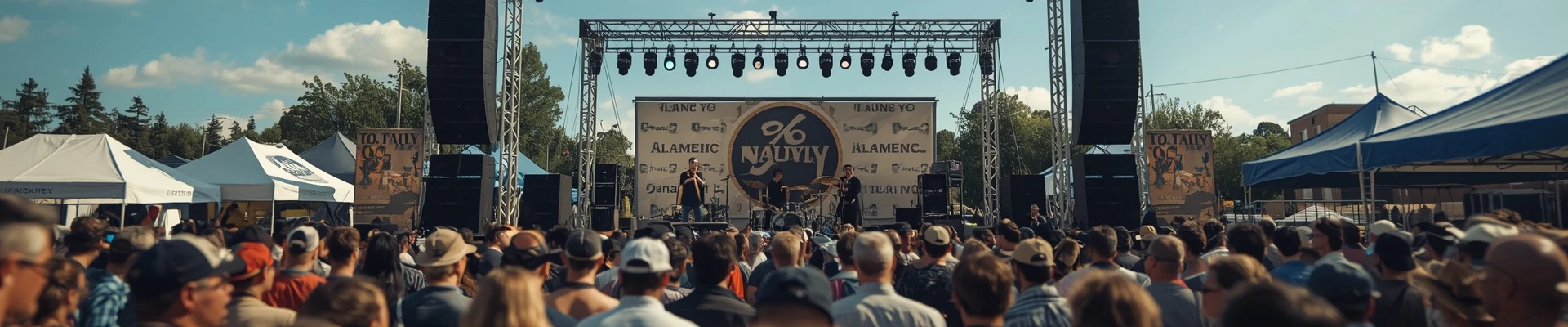
Chula Vista's festival calendar reflects its South Bay and border identity. The Lemon Festival (celebrating Chula Vista's historical identity as a major lemon-growing region before urbanization) is a civic tradition that includes live music programming. The Starlight Parade and related civic events include outdoor music. The Chula Vista Harborfest at the marina area provides waterfront music programming. Cinco de Mayo celebrations in western Chula Vista and along the Third Avenue corridor bring significant outdoor music and regional Mexican performance. The Filipino-American community organizes Flores de Mayo celebrations and annual cultural festivals with music and dance programming. Regional Mexican concert tours routed through the North Island Amphitheatre represent the city's largest and most commercially significant music events.
What ties it all together
Chula Vista is fundamentally a border city — not in the metaphorical sense that American politicians invoke, but in the lived sense that its residents move between Chula Vista, San Diego, and Tijuana as a matter of daily routine, that its musical tastes and cultural economy are inseparable from what is happening in Sinaloa, Jalisco, and Baja California as much as in Los Angeles and New York, and that its music scene reflects the most dynamic cross-cultural blending in the American Southwest. Banda, norteño, cumbia, Chicano oldies, punk, Filipino R&B, Latin trap — Chula Vista's musical landscape is not the result of one dominant scene but of multiple overlapping communities finding their own sounds within a city whose identity has always been defined by movement, migration, and the proximity of two countries. That is the core of Chula Vista's music story: not a singular sound but a borderland in which sounds collide, combine, and generate something that couldn't exist anywhere else.