

Elk Grove is a city of roughly 170,000 people in Sacramento County, California, situated about 14 miles south of downtown Sacramento on the flat agricultural plain of the Sacramento Valley. Incorporated in 2000, it is one of the youngest cities in California and grew faster than almost any other municipality in the United States during the 2000s, transforming in a single decade from a loose network of ranches, dairy farms, and small bedroom communities into a full-scale city with its own government, school district, and civic infrastructure. Its elevation is a mere 27 metres above sea level, set in the broad Central Valley floor between the Sierra Nevada foothills to the east and the Coast Ranges to the west, with the Cosumnes River — one of the last undammed rivers in California — tracing its southern and eastern edges through riparian wetlands that mark a dramatic boundary between the suburban grid and open farmland. The city's economy is anchored in healthcare (UC Davis Medical Center is a major employer for residents), education (the Elk Grove Unified School District is among the largest in California), retail, and logistics; a substantial portion of the workforce commutes north to Sacramento or south toward Stockton.
A brief history
The name Elk Grove predates California statehood. The area was a stopping point on the Sutterville Road — the overland trail linking Sacramento to the southern San Joaquin Valley — and by the 1850s had a small cluster of farms and ranches anchored by a single hotel and saloon that gave the settlement its character as a waystation. The original Elk Grove Hotel, built in the 1850s, burned and was replaced multiple times; the spirit of that early commercial node survives today in Old Town Elk Grove, a compact historic district along Elk Grove Boulevard that remains one of the few parts of the city with a pre-suburban identity. The railroad arrived in 1868 (the Sacramento and Visalia line), and Elk Grove became a modest but stable agricultural town — grains, orchards, and dairy cattle — through the late 19th and early 20th centuries. It incorporated as a city only in 2000, after decades as an unincorporated Sacramento County community; by that point, the tract-home subdivisions had already consumed most of the agricultural land north of the Cosumnes, and the city was growing at 8–10% per year.
The growth wave of the early 2000s brought extraordinary demographic diversity. Sacramento had long been one of the most ethnically diverse cities in the United States, and suburban Elk Grove received successive waves of immigrants and refugees: Vietnamese and Hmong families from earlier Sacramento refugee resettlement programs, Filipino-Americans from the Bay Area and from direct immigration, South Asian families (predominantly Punjabi Sikh) drawn to agricultural and professional opportunities throughout the Central Valley, East African refugees (Somali, Ethiopian, Eritrean) resettled through Sacramento County programs, and a large African-American population from throughout the Sacramento region. By the 2010s, Elk Grove had become one of the most diverse cities in California — a place where a Punjabi gurdwara, a Filipino community center, a Vietnamese Buddhist temple, and a Black Baptist church might occupy the same residential corridor. This demographic layering is the essential fact of Elk Grove's cultural life.
Music identity
Elk Grove does not have a nationally famous homegrown music scene in the way Sacramento does — Tesla, Cake, Deftones, and Dead Kennedys (who formed in San Francisco but defined the Sacramento punk scene) are Sacramento proper artists, not Elk Grove's. But the city's musical life is richer than its suburban profile suggests, shaped almost entirely by the cultural communities that built it.
The Filipino-American community — one of the largest in the Sacramento Valley — is the most musically prominent. Filipino cultural organizations program kulintang (the bronze gong ensemble of Mindanao and the Sulu Archipelago), rondalla (the string ensemble tradition of the Philippines), and harana (traditional serenading folk music) through community events, school programs, and cultural festivals. But the more commercially active Filipino music scene runs through OPM (Original Pilipino Music) — the broad genre category that encompasses Filipino pop, rock, ballads, and hip-hop. Filipino karaoke culture is embedded in the city's restaurant and social club circuit; cover bands playing OPM classics (APO Hiking Society, Eraserheads, Gary Valenciano, Regine Velasquez) are fixtures at Filipino community events from birthday parties to church fundraisers. Filipino-American hip-hop and R&B artists from Elk Grove and the broader Sacramento Valley have fed the West Coast Filipino-American music circuit, which connects to Los Angeles' larger Filipino-American music scene.
The Punjabi Sikh community — centered around multiple gurdwaras in Elk Grove and neighboring Rancho Cordova — sustains a continuous kirtan tradition (the devotional singing of Gurbani, the sacred hymns of the Sikh scriptures) that is practiced daily in the gurdwaras and performed publicly during Gurpurab celebrations, Vaisakhi (harvest festival), and other religious occasions. Beyond devotional music, the community programs bhangra — the percussive Punjabi folk dance music built around the dhol drum — for weddings, cultural festivals, and the increasingly popular competitive bhangra circuit. Elk Grove high schools have sent teams to regional and national bhangra competitions, and the city's Punjabi community has produced bhangra performers who compete in the Sacramento–Bay Area circuit.
The Vietnamese community programs traditional music through cultural associations and Vietnamese Buddhist temples: đàn tranh (16-string zither), đàn bầu (monochord), and nhạc tài tử (southern Vietnamese chamber music) at Tết (Lunar New Year) celebrations and cultural community events. Vietnamese-American pop and karaoke — nhạc trẻ and Paris By Night-style entertainment — runs through Vietnamese restaurants and social clubs along the major commercial corridors of Elk Grove and neighboring Sacramento neighborhoods like Little Saigon.
Hip-hop and R&B have grown steadily through Elk Grove's African-American and multiracial communities, and the city has produced local artists who circulate through the Sacramento regional hip-hop scene. The Sacramento hip-hop scene — active through the Sol Collective in Sacramento, the underground circuit of Midtown venues, and the regional streaming network — is the primary circuit Elk Grove artists plug into. Gospel music is deeply established through the city's African-American Baptist, Pentecostal, and non-denominational church network; Sunday morning services at New Hope Community Church of God in Christ and similar congregations feature live full-band gospel music that has trained multiple generations of singers and musicians.
Country and classic rock maintain a foothold through the older white working-class communities of Old Town Elk Grove and the agricultural-heritage neighborhoods along Elk Grove-Florin Road. The Western Boot Camp and similar venues in the broader Sacramento area serve the country circuit; locally, Old Town Elk Grove bars occasionally book acoustic country and Americana acts. The city's large military-family presence (close proximity to McClellan Park, the former Air Force base now converted to industrial and office use) also sustains an appreciation for classic rock and country in the older residential neighborhoods.
Venues and neighborhoods
Old Town Elk Grove — along Elk Grove Boulevard between about Big Horn Boulevard and Waterman Road — is the closest thing to a traditional live music district in the city. The area has a cluster of bars and restaurants with live music, including acoustic acts, open mic nights, and occasional full-band bookings; it is modest in scope but carries the character of a pre-suburban community that everything else in Elk Grove lacks. The Elk Grove Civic Center and the surrounding Civic Center Plaza host outdoor community events with live music programming. Elk Grove Regional Park — a 123-acre park along Elk Grove-Florin Road — is the primary outdoor concert venue in the city, serving as the site of the city's flagship summer concert series and community festivals.
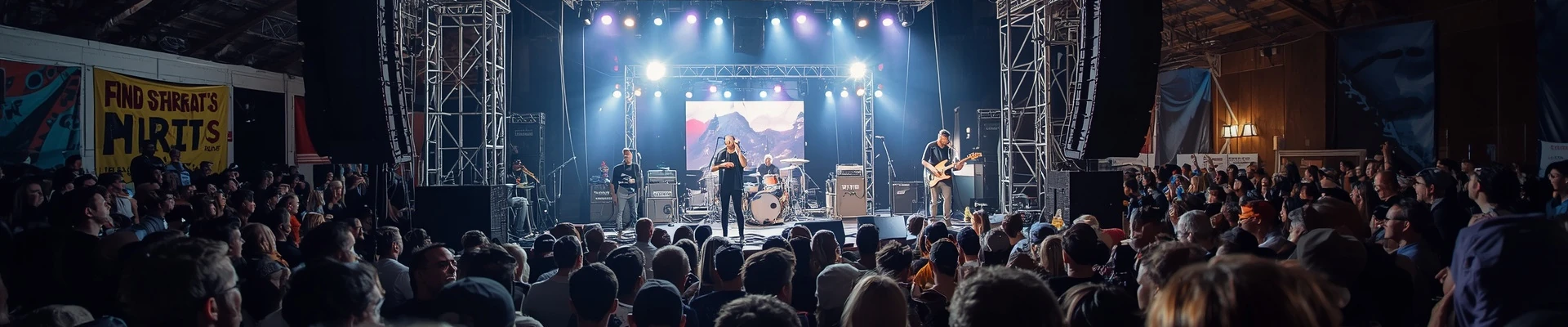
The Elk Grove Performing Arts Center at Cosumnes Oaks High School is the city's most formal indoor performance space, used by school programs, community orchestras, and occasional booked touring acts. The Elk Grove Unified School District's performing arts programs — band, choir, orchestra, and mariachi ensembles across its 42 schools — represent the city's most reliable pipeline of trained young musicians. Mariachi programs at several Elk Grove schools have become a notable feature of the district's music education.
For major touring concerts, Elk Grove residents travel north to Sacramento: the Golden 1 Center (17,500-seat arena, home of the Sacramento Kings), the SAFE Credit Union Performing Arts Center (historic 2,422-seat theatre, downtown Sacramento), and the Ace of Spades (mid-size rock club, Midtown Sacramento) handle the bulk of significant touring acts for the entire region.
Festivals and signature events
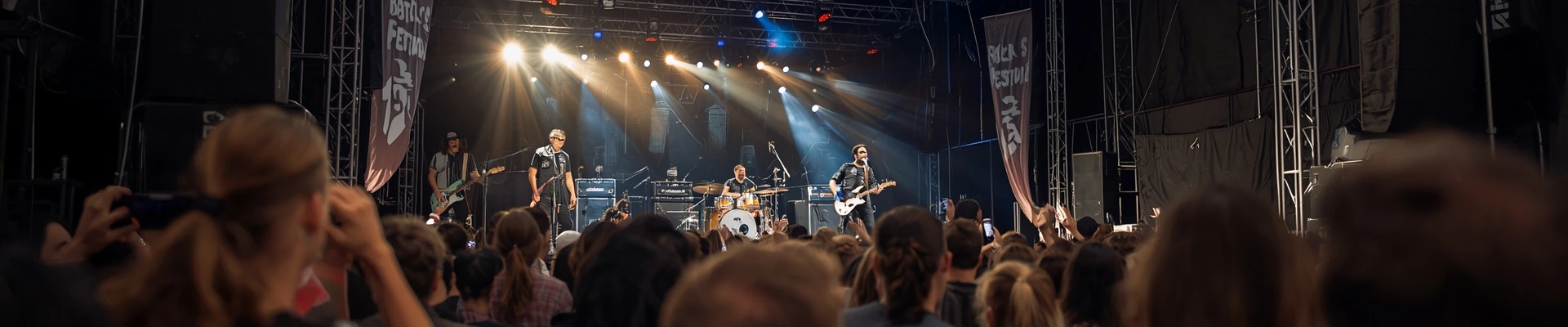
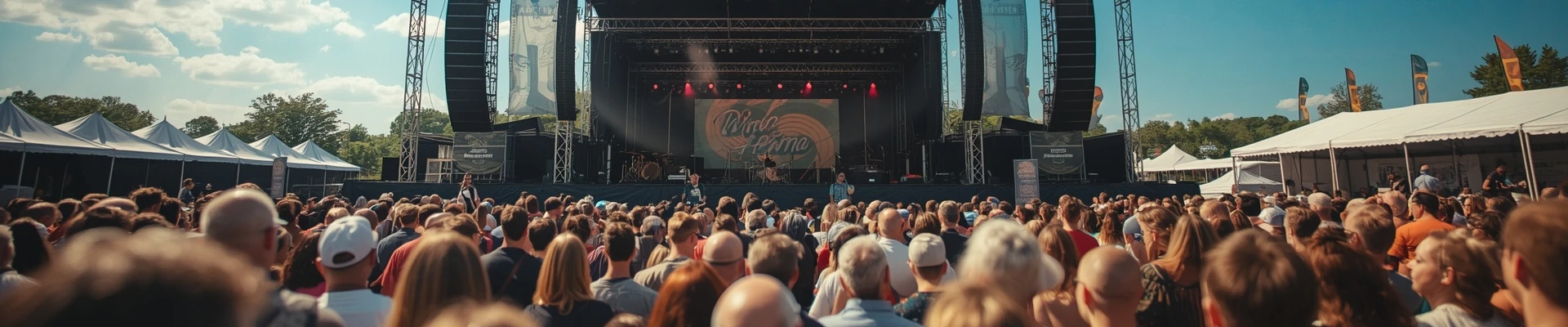
Concerts in the Park is Elk Grove's signature summer event series — a weekly outdoor concert program held at Elk Grove Regional Park from June through August, drawing thousands of residents per show and programming a mix of local and regional tribute bands, Latin acts, Filipino music, country, and classic rock cover acts. It is one of the most-attended free outdoor concert series in the Sacramento region and reflects the city's demographic diversity in its booking. Vaisakhi celebrations at Elk Grove's Sikh gurdwaras (late April) feature full-scale bhangra programs, kirtan recitals, and community feast events that draw thousands of participants from throughout Northern California. Tết (Vietnamese Lunar New Year) celebrations, held in late January or February at community centers and Vietnamese-American organizations, feature live traditional music, OPM performances, and Vietnamese cultural dance. The Elk Grove Western Festival has historically included live country music alongside its rodeo programming. Filipino Fiesta community events program OPM, folk music, and contemporary Filipino-American artists through the Filipino-American community network. The city's Multicultural Fair programs music across the full range of its communities.
What ties Elk Grove's musical life together is not a signature genre or famous artist but the remarkable fact of its diversity — a city young enough to have been built by its immigrant communities rather than having received them into an established culture. The music heard at Elk Grove Regional Park on a summer Friday night moves from bhangra to OPM to hip-hop to cumbia across successive weeks, tracing the actual demographics of the audience arriving from the surrounding subdivisions. The gurdwara kirtan heard at dawn, the Vietnamese đàn tranh played at Tết, the gospel choir at Sunday service, and the Filipino karaoke at Saturday's birthday party are all part of the same city's musical life — one assembled from the musical traditions of five continents, planted in the Sacramento Valley, and continuing to grow.