
Escondido sits roughly 30 kilometres north-northeast of downtown San Diego, cradled between the San Pasqual Valley to the east, the Palomar Mountain foothills to the northeast, and the coastal mesa developments of San Marcos and San Diego to the west and south. At about 151,000 residents it is the third-largest city in San Diego County behind San Diego itself and Chula Vista, and it occupies a distinct position in the regional landscape: not a beach town, not a suburb in the bedroom-community sense, but a functioning inland city with its own civic infrastructure, its own commercial strips, and its own musical culture that predates and sometimes resists the suburban sprawl pressing in from all sides.
The city's name is Spanish for "hidden" — an allusion to the way the valley sits tucked behind the coastal hills — and there is something persistently undersung about Escondido's cultural output. It has produced or nurtured real artists, hosted significant venues, and built a punk and ska lineage that was well-known within Southern California's DIY network in the 1990s and 2000s, yet it rarely appears in accounts of regional music history that default to San Diego's Gaslamp Quarter and North Park neighborhoods. The gap between Escondido's actual contribution and its cultural reputation is the first thing a music-aware observer notices.
Geography and economy
The Escondido Creek watershed drains through the valley floor, and Lake Hodges and Dixon Lake provide recreational infrastructure on the city's western and eastern edges. The city's elevation — about 670 metres at its centre — gives it a noticeably different climate from coastal San Diego: hotter summers, cooler winters, and a dry, high-desert quality to the light that feels distinct from the coastal marine layer. Grand Avenue is the historic commercial spine, running east-west through downtown; Centre City Parkway is the newer retail corridor that absorbed much of the commercial activity when suburban strip development pulled economic gravity away from the old centre.
Economically, Escondido has always been mixed — agriculture (avocado, citrus, nursery crops in the surrounding valley and foothills), light manufacturing, healthcare (the Palomar Health hospital system is a major employer), and service-sector work. The demographic picture shifted substantially from the mid-20th century onward: the city's Latino population, drawn initially by agricultural labor and later by the full range of service and construction employment, now constitutes roughly 50 percent of the city, with a large Mexican and Central American immigrant community centered on the Broadway corridor, the Grape Day Park neighborhood, and the dense residential streets east of downtown. That demographic shift has been central to the city's musical identity.
A brief history
The Kumeyaay people inhabited the San Pasqual Valley and surrounding hills for thousands of years before Spanish mission colonization reached the area via the San Diego Mission corridor in the late 18th century. American settlement followed in the 1880s during a Southern California land boom; Escondido was incorporated in 1888, making it one of the older incorporated cities in San Diego County. The city's early identity was agricultural — grape-growing and citrus were dominant until the early 20th century, and the annual Grape Day Festival (established 1908, discontinued 1950) was one of the county's signature public events, drawing tens of thousands of visitors. The Grape Day Park at the heart of downtown preserves that memory in its name.
Post-WWII suburban growth transformed the valley floor, and by the 1970s and 1980s Escondido had developed the mixed character it retains today: a downtown with genuine historic buildings alongside sprawling commercial development on the periphery, and a working-class Latino majority in the older residential neighborhoods. The opening of the California Center for the Arts, Escondido in 1994 was the most significant cultural investment the city has made — a purpose-built performing arts complex on the edge of downtown that brought serious programmatic ambition to a city that had previously lacked a marquee venue.
Music identity
Escondido's music identity runs in parallel tracks that rarely merge but collectively make the city more interesting than its regional reputation suggests.
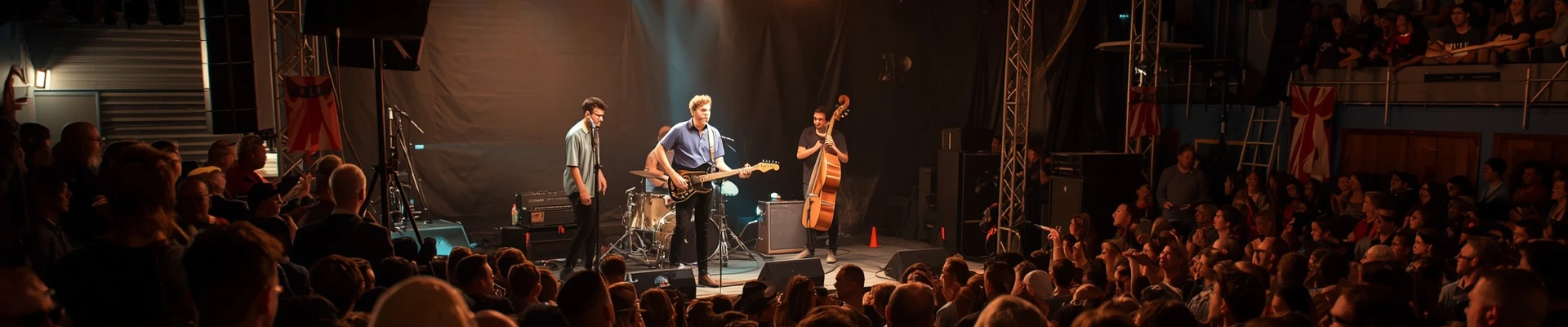
The punk and ska tradition is the most historically documented. Southern California's punk geography in the late 1980s and early 1990s extended inland from the coastal scenes in Encinitas, Oceanside, and San Diego, and Escondido was part of that network. The city produced a cluster of bands working in the ska-punk and hardcore idioms that played the same circuit as bands from San Diego's Che Café and SOMA venues — all-ages rooms, church halls, VFW posts, backyards. This was the era of the broader Southern California ska explosion (the "Third Wave") that produced No Doubt, Reel Big Fish, Sublime, and Goldfinger, and Escondido contributed bands to that wave even if none broke through to national attention. The SOMA all-ages venue in San Diego was the gravitational center for this scene, and Escondido bands made the half-hour drive regularly.
The Latino music dimension is larger in terms of the city's daily musical life and less well-documented in the indie/alternative media. Escondido's norteño, banda, cumbia, and regional Mexican scenes are visible every weekend across the city's Latino-oriented bars and events venues — Club 711, clubs along Grand Avenue and Washington Avenue, and the large quinceañera and community-event circuit that animates the city's social calendar. The Mariachi Festival and similar cultural events at Grape Day Park regularly draw thousands and sustain a professional and semi-professional circuit of mariachi musicians, many of whom split their performing lives between Escondido gigs and work in San Diego, Tijuana, and Los Angeles.
Tijuana is only about 60 kilometres from Escondido, and the border city's vibrant alternative and electronic music scenes — particularly the Nortec Collective aesthetic that fused norteño with electronic production, and the broader Tijuana indie-rock ecosystem — have always been culturally present in Escondido's Latino creative community. The city sits at the northern end of a San Diego–Tijuana–Ensenada musical corridor that the mainstream US music press rarely maps coherently.
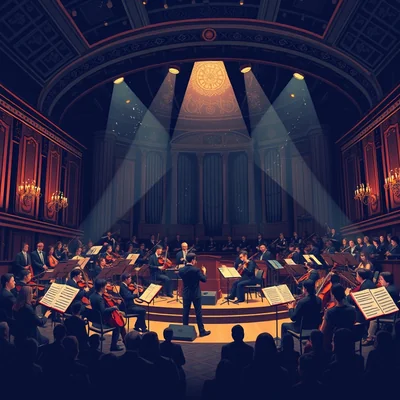
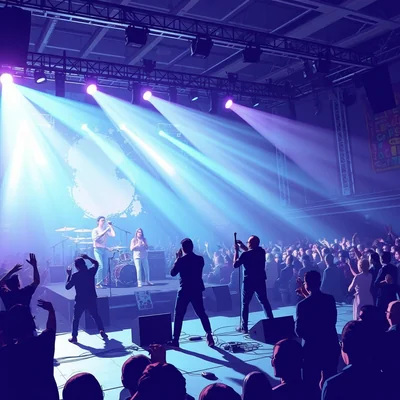
The California Center for the Arts, Escondido (CCAE) opened in 1994 as a 12-acre campus with a 1,523-seat Concert Hall, a 406-seat Center Theater, an art museum, and conference facilities. The Concert Hall is acoustically serious — designed for orchestral and chamber music but flexible enough for amplified programming — and the CCAE's programming has consistently brought world-class classical, jazz, and roots acts to a city that would otherwise be passed over by touring itineraries that default to San Diego's Balboa Theatre and Copley Symphony Hall. The Mainly Mozart Festival has used the Concert Hall for regional performances; the CCAE's jazz series has presented artists of the caliber of Branford Marsalis and Diana Krall.
In the rock and alternative space, several Escondido-area artists have made impressions on the San Diego scene. Bobo Stenson, the Swedish jazz pianist, has performed at the CCAE — an example of the venue reaching well beyond what the city's regional reputation would predict. The band Wavves (Nathan Williams) grew up in San Diego county and is part of the same cultural geography. The broader San Diego indie scene of the mid-2000s through 2010s — Matt Costa (from Huntington Beach, but a San Diego County regular), Cuckoo Chaos, Routine — treated Escondido's venues as part of their regional circuit even if the city itself was rarely the origin point.
Hip-hop has a presence in Escondido consistent with any inland Southern California city with a significant young Latino population. The regional Chicano rap tradition — rooted in Los Angeles but with a strong San Diego County branch — runs through Escondido. Local producers and MCs have worked in this tradition for decades, releasing independently on regional labels and maintaining a circuit that includes San Diego's Barrio Logan and National City scenes. The crossover between corridos tumbados (the newer narco-ballad/trap hybrid popularized nationally by Natanael Cano and Peso Pluma) and the city's existing regional-Mexican fan base is visible in the programming of Escondido's Latino venues since the early 2020s.
Venues and neighborhoods
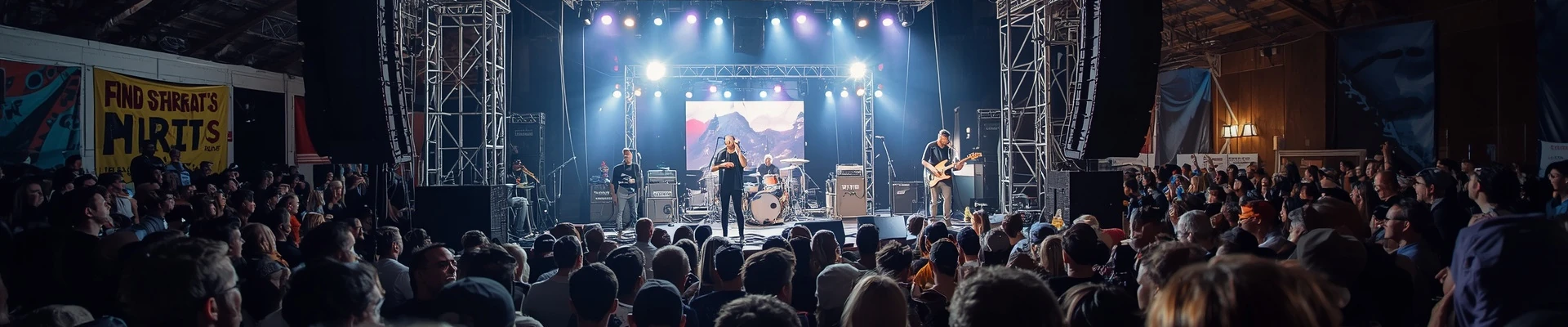
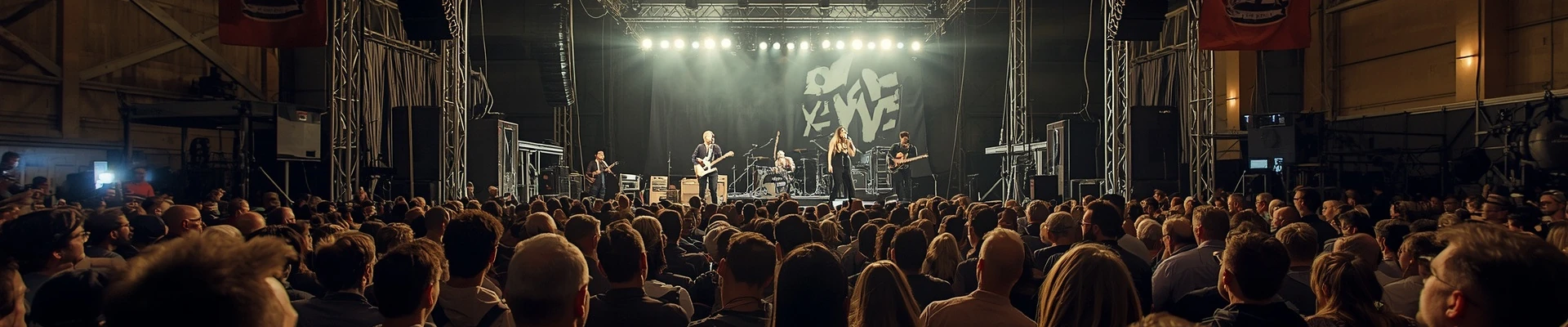
Grand Avenue downtown is the primary venue corridor, with the Roxy Escondido (a mid-size rock club) and a cluster of bars and event spaces within walking distance of the CCAE campus. The Belly Up Tavern in nearby Solana Beach — technically outside Escondido but the closest prestige club venue — has historically been the destination for Escondido residents wanting to see touring indie and roots acts in an intimate setting. The Belly Up is one of the most respected small venues in California and draws artists who might headline larger rooms in other cities.
The Legend (a dive bar with live music) and several other establishments along Washington Avenue and Centre City Parkway provide the workingman-bar end of the spectrum. The Latino commercial zone along Broadway and the eastern residential grid contains the nightlife infrastructure for the norteño and banda crowd: venues that operate as dance halls on weekends and are rarely covered in any English-language entertainment media.
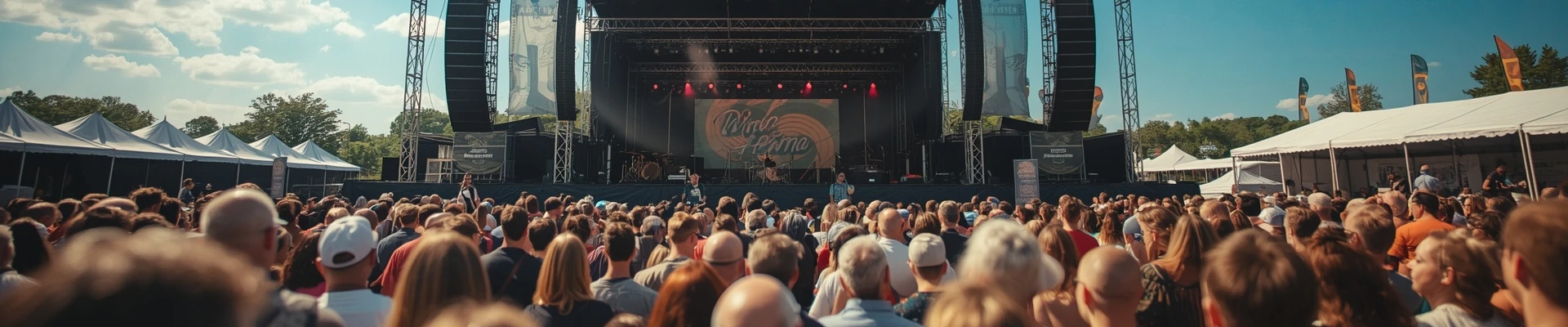
Grape Day Park is the primary outdoor event space, hosting the Escondido Street Faire, outdoor concerts, and cultural festivals. The park's Heritage Walk (open-air historic buildings relocated to the park grounds) provides a backdrop for community events that mix history and performance.
Kit Carson Park — a large regional park bordering the CCAE campus — has been used for outdoor concerts and the Escondido Renaissance Faire, which includes musical performance.
Festivals and recurring events
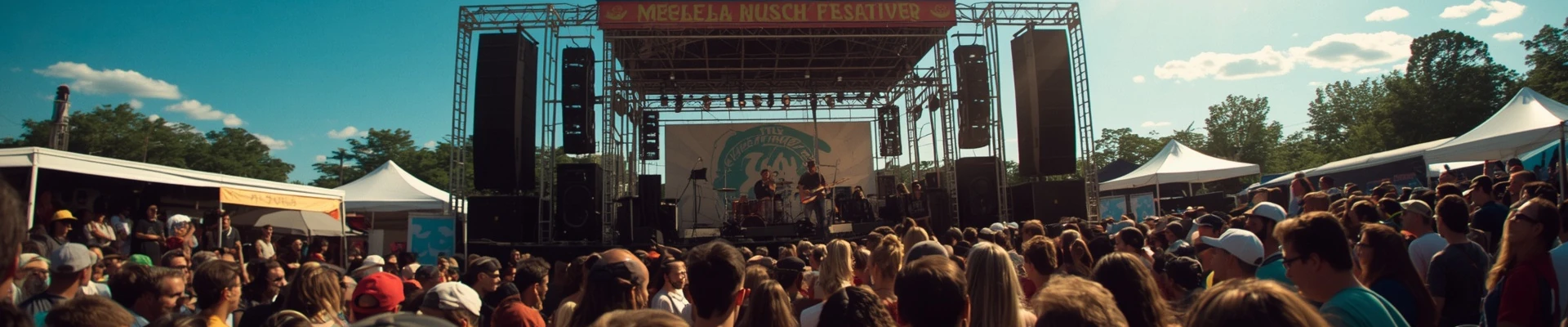
The Jazz in the Park series at Grape Day Park runs summer evenings and draws the city's wine-country adjacent demographic alongside jazz-interested residents from across North County. The Escondido Street Faire programs live music on outdoor stages. The CCAE's annual season includes multiple festival-format series across classical, jazz, world music, and family programming.
The Mariachi Festival at Grape Day Park is the single event that most completely captures the city's dominant musical culture — multiple mariachi ensembles, regional Mexican acts, and a crowd drawn from across San Diego County's Mexican-American community. It is one of the larger mariachi events in the county and a reliable snapshot of the musical world that animates Escondido's social life in a way that the CCAE's classical season, however distinguished, does not.
What ties it all together
Escondido is a city of parallel music worlds that operate in the same geographic space but rarely share an audience or a press narrative. The CCAE represents one version of the city — civic, aspirational, architecturally distinguished, programming world-class acts to a largely Anglo and older demographic. The Grand Avenue and Washington Avenue rock clubs represent another — regional, DIY-adjacent, connected to the San Diego circuit. And the Latin music world — mariachi, norteño, banda, cumbia, corridos, the emerging corridos-tumbados crossover — represents the majority culture of the city itself. That third track is the largest, the least documented, and the most characteristic. Escondido's truest musical self is heard on a Saturday night when a norteño conjunto is three sets into a long evening at a dance hall on Broadway, and the crowd that fills the floor is the same crowd that built the city, maintains the city, and will outlast every account of the city that fails to name them.