
Garden Grove is a fully incorporated city in the northwestern corner of Orange County, California, bounded by Anaheim to the north and east, Westminster to the south, and Stanton to the west. With roughly 175,000 residents, it is one of the more densely populated cities in a county defined by its sprawl — a compact grid of post-war tract housing, strip malls, and commercial boulevards that grew explosively between the 1950s and 1970s. Situated 30 miles southeast of downtown Los Angeles and 10 miles inland from the Pacific coast at Huntington Beach, Garden Grove occupies the flat alluvial plain that was orange and strawberry farmland before the post-war suburban expansion transformed it into one of Southern California's most ethnically complex cities. The city's economy runs on retail trade, healthcare, hospitality (proximity to Disneyland in Anaheim is a constant economic driver), light manufacturing, and the enormous economic engine of the Little Saigon commercial district that Garden Grove shares with neighboring Westminster.
A brief history
Garden Grove was established as a post office community in the 1870s, incorporated as a city in 1956, and built its early identity on citrus agriculture and the kind of white, Protestant suburban optimism that shaped much of mid-century Orange County. The city's most architecturally consequential development came in 1955, when the televangelist Robert H. Schuller founded the Garden Grove Community Church, which eventually commissioned the Crystal Cathedral — a landmark all-glass megachurch designed by Philip Johnson completed in 1981. The Crystal Cathedral became one of the most widely recognized buildings in California, the base for the Hour of Power television broadcast, and a symbol of California evangelical Christianity at its most architecturally ambitious. The building was sold in 2012 and reconsecrated as Christ Cathedral, the seat of the Roman Catholic Diocese of Orange.
The more transformative change in Garden Grove's history came with the refugee resettlement of Vietnamese families following the Fall of Saigon in 1975. The first Vietnamese arrivals settled in nearby Westminster and Garden Grove simultaneously, drawn by affordable housing and the proximity of military bases that served as initial resettlement points. By the 1980s, Bolsa Avenue — stretching through both Westminster and Garden Grove — had become the commercial and cultural spine of the largest Vietnamese-American community in the United States, collectively known as Little Saigon. Today, roughly 40 percent of Garden Grove's population is of Vietnamese descent, and Bolsa Avenue and its surrounding blocks constitute one of the most concentrated expressions of a diasporic culture anywhere in the Western Hemisphere — a place where the language on the street, the food in the restaurants, and the music in the clubs is overwhelmingly Vietnamese.
Music identity
Garden Grove's musical identity divides clearly into two worlds that operate largely in parallel: the Vietnamese diaspora music scene centered on Little Saigon, and the broader Orange County rock, ska, and punk tradition that the city shares with the county at large.
Vietnamese diaspora music
The Little Saigon corridor running through Garden Grove and Westminster is one of the most active Vietnamese music markets outside of Vietnam itself. The community sustains a dense ecosystem of live performance venues, recording studios, music video production companies, and entertainment companies catering specifically to the Vietnamese-American audience. The dominant genres are nhạc vàng (literally "golden music" — Vietnamese popular ballads and bolero from the pre-1975 Republic of Vietnam era), bolero (the Vietnamese adaptation of Latin bolero structures into sentimental ballad form), and more recent V-pop (Vietnamese pop influenced by K-pop production aesthetics). These genres have their own star system, their own radio stations (notably KVNR 1480 AM and others broadcasting in Vietnamese), their own newspapers and media, and their own concert circuit.
Paris By Night — the long-running concert video series produced by Thúy Nga Productions, founded by Tô Văn Lai and based in Garden Grove — is the most important single cultural institution in the Vietnamese diaspora music world. Running since 1983 and reaching 130+ volumes, Paris By Night has been the primary vehicle by which nhạc vàng and Vietnamese pop have been maintained, documented, and transmitted across the diaspora. Filmed in theatrical venues in Southern California (including the Performing Arts Center circuit) and distributed globally on VHS, DVD, and eventually streaming, Paris By Night created and sustained the careers of the most prominent Vietnamese diaspora performers: Khánh Ly, Thái Thanh, Elvis Phương, Đàm Vĩnh Hưng, Mỹ Tâm (on diaspora tours), and dozens of others. The series is not merely entertainment — it is a repository of a musical tradition that was suppressed inside Vietnam after 1975, and for the first generation of refugees it carried enormous emotional weight as the sound of the country they had left.
Asia Entertainment (founded by David Trương) is a second major production company operating from the Garden Grove/Westminster corridor, producing its own concert video series and supporting a parallel roster of diaspora performers. The competition and co-existence of Thúy Nga and Asia Entertainment has been one of the defining features of the Vietnamese-American entertainment industry.
The live performance circuit runs through a network of restaurants, nightclubs, and theater rentals throughout Little Saigon. Phước Lộc Thọ (the Asian Garden Mall on Bolsa Avenue) has been a community gathering point and performance venue for decades. Vietnamese New Year (Tết) celebrations bring outdoor concerts, traditional music performances, and pop shows that draw crowds from across Southern California and beyond.
Beyond the traditional genres, the younger generations of Vietnamese-Americans in Garden Grove have contributed to hip-hop, R&B, and indie rock — artists who grew up in Little Saigon but absorbed the broader Los Angeles and Orange County music landscape. The city and its surrounding community have produced a generation of musicians who code-switch between Vietnamese and English, between nhạc vàng and trap production, and who represent the ongoing evolution of diasporic identity in American music.
Orange County rock, ska, and punk
Garden Grove sits squarely within the Orange County rock and punk geography that produced some of the most commercially successful American rock of the 1990s. While the city itself does not have the same profile as Huntington Beach (the home of surf punk and Sublime-adjacent circles) or Anaheim (home of the Honda Center arena), Garden Grove musicians and bands have been part of the Orange County music fabric throughout the rock and ska-punk era. The city's high school music programs, rehearsal spaces, and proximity to Anaheim and Fullerton venues placed Garden Grove musicians in constant contact with the broader county scene.
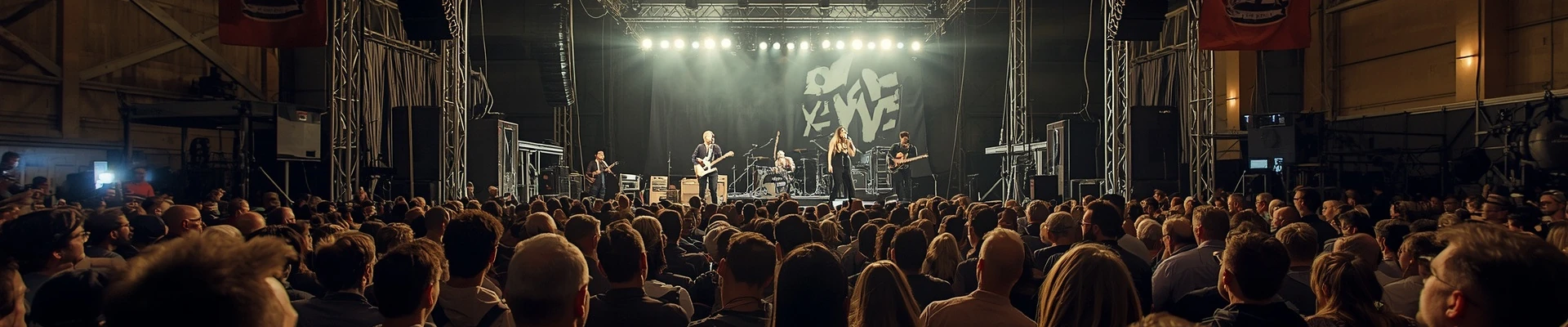
Orange County ska-punk — the genre that produced No Doubt (from nearby Anaheim), Sublime (from Long Beach, deeply linked to the OC circuit), The Aquabats (from Provo, Utah, but based in Orange County), and Reel Big Fish — had a strong Garden Grove component in the 1990s. The community of bands rehearsing, performing, and crossing over between ska, punk, and alternative rock in the county's mid-size and small venues included many Garden Grove-based acts. The Galaxy Theatre in Santa Ana and the Coach House in San Juan Capistrano were key venues for this scene, within easy reach of Garden Grove.
The Christian music world — sustained partly by the legacy of the Crystal Cathedral and the broader evangelical Protestant community in Orange County — has been another strand of Garden Grove's music identity. Christian rock, contemporary Christian music, and gospel have steady audiences in the city's churches and community events.
Venues and neighborhoods
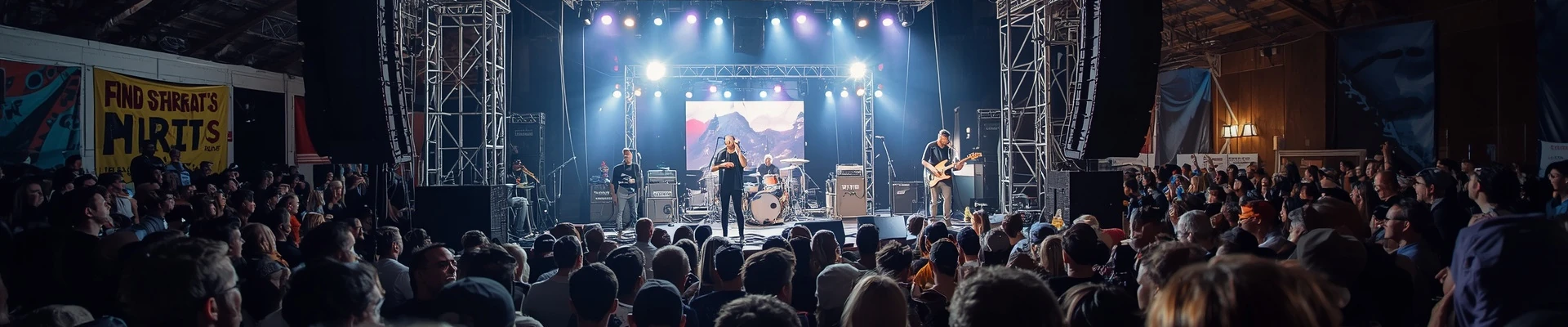
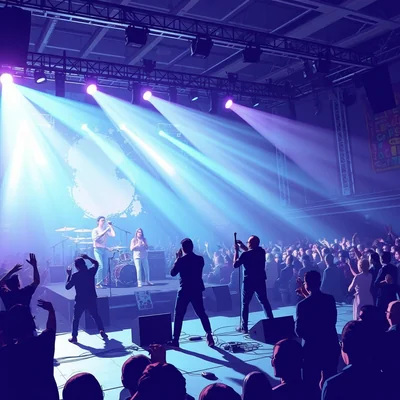
Garden Grove's venue ecosystem is shaped by its suburban character and its Vietnamese cultural infrastructure. There are few large standalone music venues in the city proper; most live music occurs in restaurant-bar formats, community event spaces, and on Bolsa Avenue's nightlife strip.
Bolsa Avenue and its surrounding blocks in the Little Saigon corridor represent the city's primary entertainment geography — a dense concentration of Vietnamese restaurants, karaoke bars, nightclubs, and live music venues that operates largely within the Vietnamese-American community's own social world. The strip runs from Beach Boulevard westward into Westminster, and the clubs along it program everything from solo bolero singers to full-band pop productions.
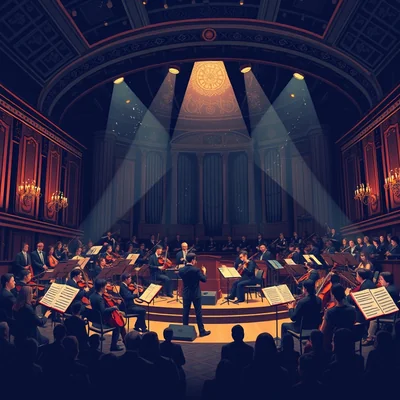
The Crystal Cathedral / Christ Cathedral complex on Chapman Avenue remains the city's most architecturally significant building and programs large-scale organ concerts, choral performances, and special events. The cathedral's Hazel Wright Organ — one of the largest pipe organs in the world, with nearly 17,000 pipes — is a genuine musical landmark.
Nearby Anaheim provides the arena-level infrastructure: Honda Center (18,000 capacity) programs major touring acts and is the home of the Anaheim Ducks. The Anaheim Convention Center programs large concerts and events. Within Garden Grove itself, the Grove District (a redeveloped commercial area downtown) programs outdoor events and concerts tied to the city's community calendar.
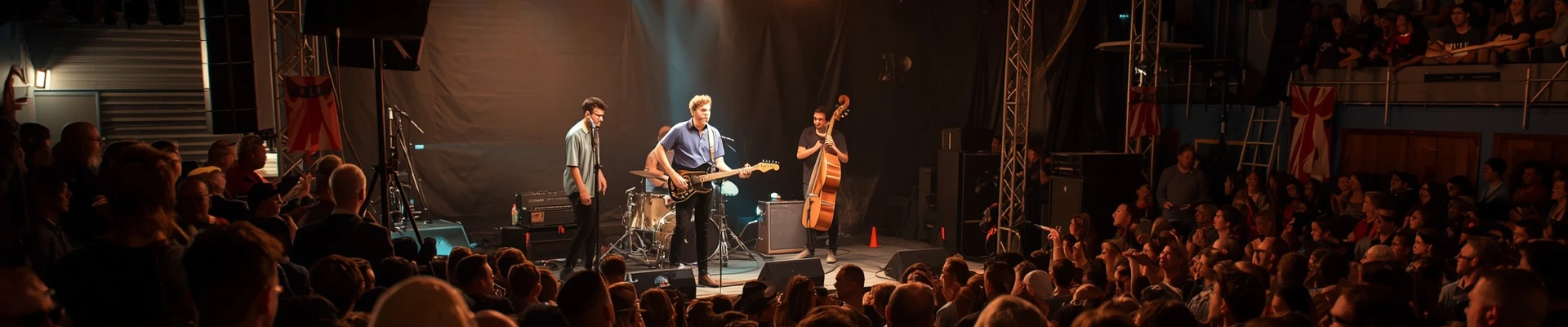
For DIY and smaller rock/indie shows, the circuit runs through Anaheim and Fullerton venues — Chain Reaction in Anaheim (the essential small all-ages venue for OC punk and alternative acts), the Slidebar Rock-N-Roll Kitchen in Fullerton, and the university venues at Cal State Fullerton — all within 10–15 minutes of Garden Grove.
Festivals and signature events
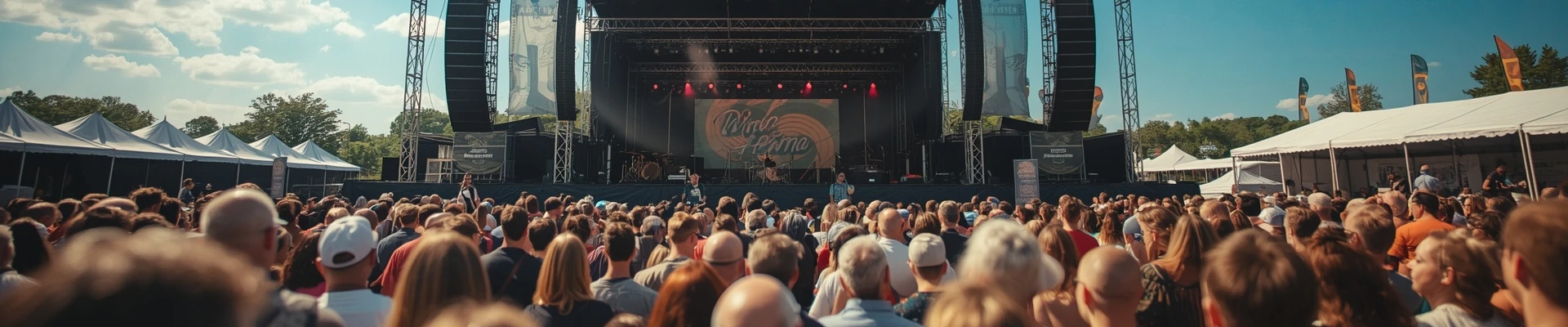
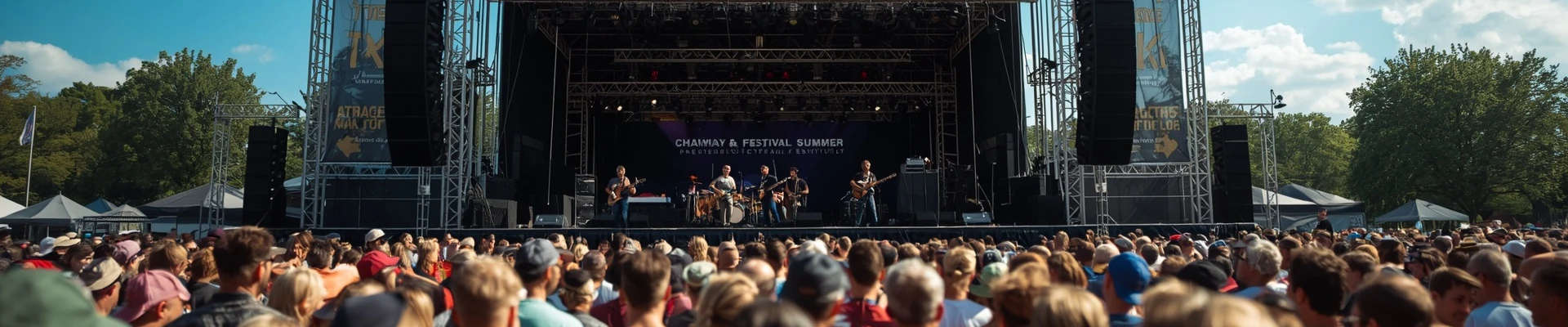
Garden Grove's most distinctive annual event is the Garden Grove Strawberry Festival, one of the longest-running community festivals in California (operating continuously since 1958), which programs live music across multiple stages as part of a Memorial Day weekend event drawing tens of thousands of visitors. The festival's music programming spans country, classic rock, Latin pop, and local acts.
The Tết (Vietnamese Lunar New Year) celebrations in Little Saigon — centered on the Phước Lộc Thọ mall and the surrounding streets — are among the largest Vietnamese New Year events outside of Vietnam, with multiple days of live music, traditional performance (including múa lân dragon and lion dances with drumming), and community programming. The Tết Parade is one of the largest Vietnamese cultural parades in the United States.
Paris By Night Live productions — staged periodically at venues in the Southern California area — draw audiences from across the country for multi-hour productions that combine nhạc vàng performances, comedy, and dance in a Las Vegas-inflected theatrical format.
The Orange County Fair in Costa Mesa (within 20 miles) programs major touring acts across several stages and is the largest single music programming event accessible to Garden Grove residents. The Pacific Amphitheatre at the fairgrounds hosts large outdoor concerts.
What ties it all together
Garden Grove is one of the few cities in the United States where a diasporic musical tradition — Vietnamese nhạc vàng and bolero — has reached a scale that makes it genuinely self-sustaining, with its own production infrastructure, star system, audience, and media ecosystem operating largely independently of the American mainstream. Thúy Nga Productions and Paris By Night turned a stretch of suburban Orange County strip malls into the global capital of Vietnamese diaspora music, a role the city shares with Westminster but maintains with particular intensity. Alongside that world, Garden Grove's position within the Orange County rock and ska-punk geography means that its residents grew up with access to one of the most productive suburban rock ecosystems in American music history. The result is a city with a quiet musical complexity — not immediately visible from the outside, but dense with specific cultural production if you know where to look.