
Huntington Beach is a coastal city in Orange County, California, with approximately 202,000 residents spread across 28 square miles of beach, bluff, and suburban grid facing the Pacific Ocean. Occupying a stretch of prime Southern California coastline between Long Beach to the north and Newport Beach to the south, the city is defined by its 9.5-mile stretch of uninterrupted beach — the longest in Los Angeles and Orange County — and by the Huntington Beach Pier, a landmark that has stood at the foot of Main Street since 1904 (rebuilt multiple times, most recently in 1992 after storm damage). The city sits roughly 35 miles southeast of Los Angeles and 90 miles northwest of San Diego, placing it squarely in the cultural orbit of the Southern California megalopolis while maintaining a distinct identity rooted in surf, sun, and a specific strain of working-class coastal Americana.
The local economy is layered: tourism and hospitality anchor the beachfront economy, while the inland portions of Huntington Beach are dominated by petrochemical industry — the Chevron oil refinery and associated facilities represent one of the largest industrial operations in Orange County — and by aerospace and defense contractors tied to the regional economy. The city's demographics skew whiter and more conservative than the broader Orange County average, a political and cultural orientation that has occasionally clashed with its international profile as a surf and youth culture destination.
A brief history
The land on which Huntington Beach sits was home to the Tongva (Gabrieliño) people for thousands of years before Spanish colonization. After Mexican secularization of the missions, the area passed through a series of ranchos before American acquisition following the Mexican-American War of 1846–1848. The modern city was promoted by railroad magnate Henry E. Huntington, who extended his Pacific Electric Railway (the Red Cars) to the coast in 1904 and renamed the settlement Huntington Beach to market it as a resort destination. The discovery of oil in 1920 transformed the city's economy abruptly — Signal Hill-era oil derricks spread across the beach zone, producing revenue that funded city infrastructure and leaving a petrochemical legacy that persists in the Chevron refinery's continued operation.
The surf culture that now defines Huntington Beach's global identity arrived in the post-World War II era, accelerating dramatically through the 1960s as surfboard technology, the Beach Boys, and California youth culture converged. The city hosted its first US Open of Surfing (then the United States Surfing Championships) in 1959, establishing a relationship between competitive surfing and the pier that has lasted more than six decades. By the 1970s, Huntington Beach had claimed the "Surf City USA" title — a legal trademark dispute with Santa Cruz, which also claimed the designation (inspired by Jan and Dean's 1963 song), was eventually settled in Huntington Beach's favor, and the city now holds the registered trademark. The surf culture infrastructure that built up around the pier — board shops, surf brands, skate shops — has made the downtown strip one of the most recognizable beach-town commercial corridors in the United States.
Music identity
Huntington Beach's music identity exists in productive tension between its sun-bleached beach town image and one of Southern California's most consequential hardcore punk scenes. The city is not typically mentioned alongside Los Angeles or San Francisco in rock history surveys, but its contribution to American punk, particularly through its relationship with the broader Orange County hardcore circuit that also produced bands from Fullerton, Anaheim, Westminster, and Garden Grove, is substantial and well-documented.
The Orange County hardcore scene crystallized in the early 1980s around a network of beach cities and inland suburbs, and Huntington Beach was a central node. Guttermouth — the Huntington Beach punk band formed in 1988 — became one of the most internationally touring acts to emerge from the city, playing fast, antagonistic, humor-inflected hardcore punk that earned them a loyal global following through relentless touring. Their irreverent approach to hardcore — shot through with a specifically Southern California beach-bum nihilism — made them both beloved and polarizing in the punk community. Ignite emerged from Huntington Beach in the early 1990s as a more politically engaged hardcore act, drawing from straight-edge and melodic hardcore traditions; their European fanbase has been particularly devoted, and they have remained active through multiple decades. Atreyu, the metalcore band that formed in the late 1990s and broke through to mainstream attention in the early 2000s with A Death-Grip on Yesterday (2006, on Victory Records), came out of Huntington Beach's late-period hardcore community and brought a cinematic, emotionally direct approach to the metalcore genre that distinguished them from the broader scene.
The connection to surf culture and music runs through the surf rock tradition established in the early 1960s. While the Beach Boys came from Hawthorne (farther up the coast) and their music celebrated a broader Southern California mythology, Huntington Beach was part of the lived landscape they drew from, and the surf guitar tradition — Dick Dale, instrumental reverb-heavy playing, the particular compression of Pacific Ocean imagery and teenage freedom — is part of the city's sonic DNA in ways that still surface in local music. The psychedelic, sun-soaked quality of Southern California rock has a specific beach city flavor that Huntington Beach contributed to, and the city's location as a surf culture hub means that music events on the beach — particularly during the US Open of Surfing weekend — have brought nationally prominent acts to its coastline stages since the festival began incorporating live music programming in the 1990s.
Reggae and ska have deep roots in the city, consistent with a broader Orange County tradition of beach-town reggae culture. The Slightly Stoopid orbit (though the band is from Ocean Beach, San Diego) reflects a West Coast beach-town fusion of reggae, punk, and folk that has its own following in Huntington Beach's bar and venue circuit. Local acts working in reggae-rock and ska-punk idioms have consistently found audiences in the city's venues.
The city has also produced figures in hip-hop and electronic music — Orange County's suburban sprawl has generated a consistent supply of bedroom producers and independent rappers who circulate through regional venues — but the city's most internationally significant music contributions remain anchored in the hardcore and punk tradition.
Venues and neighborhoods
The venue ecosystem clusters along Pacific Coast Highway (PCH) and the Main Street downtown corridor radiating from the pier. The Venue (also referenced as the Pacific Amphitheatre for larger events — though the latter is technically in Costa Mesa, it serves as the major outdoor venue for the regional market) handles the largest concert draws. Within the city itself, the mid-size and smaller venue tier defines the live music experience.
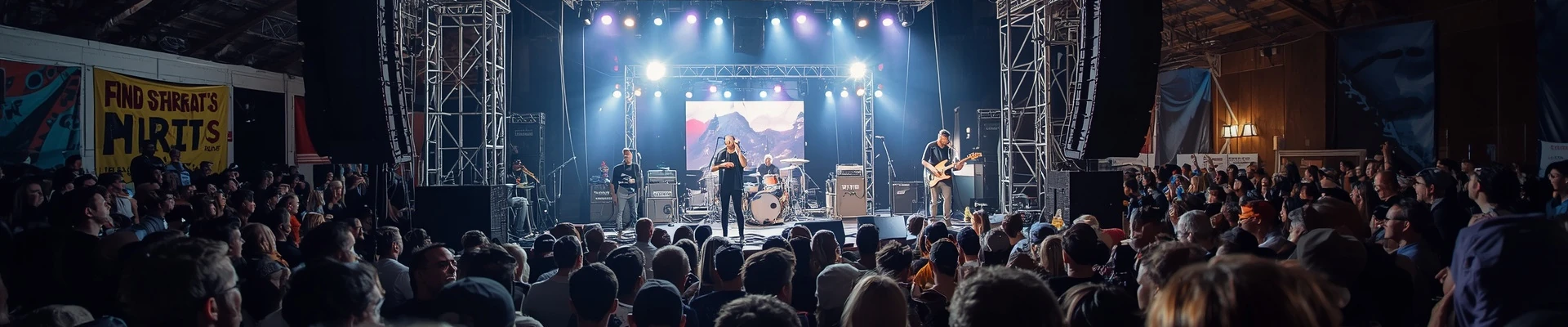
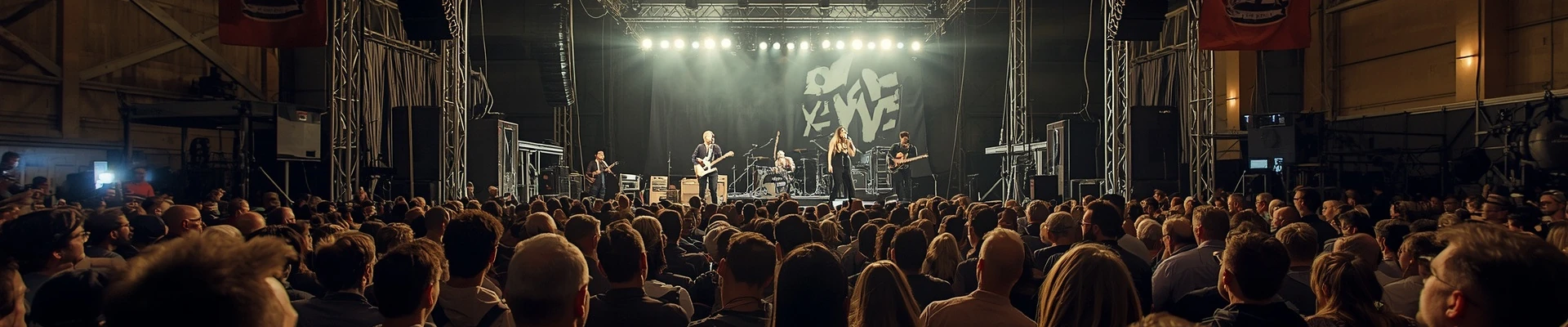
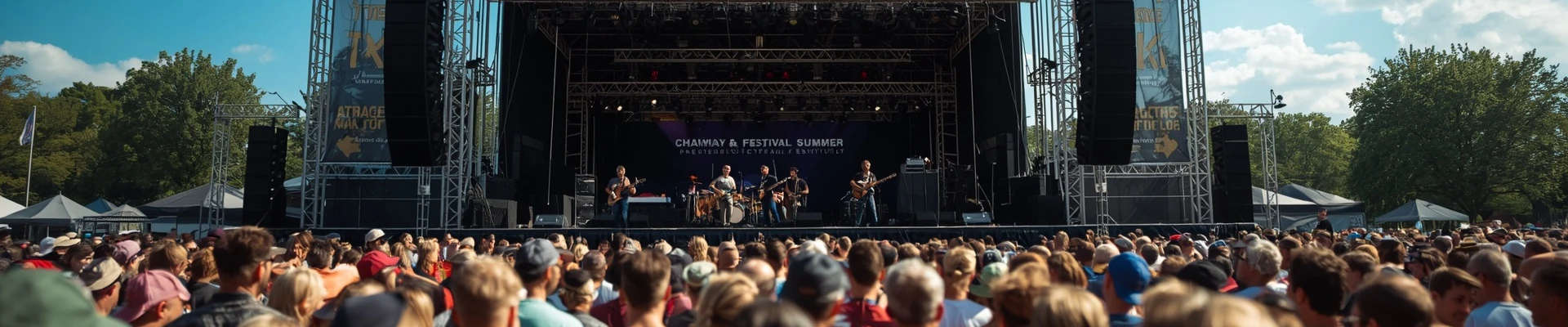
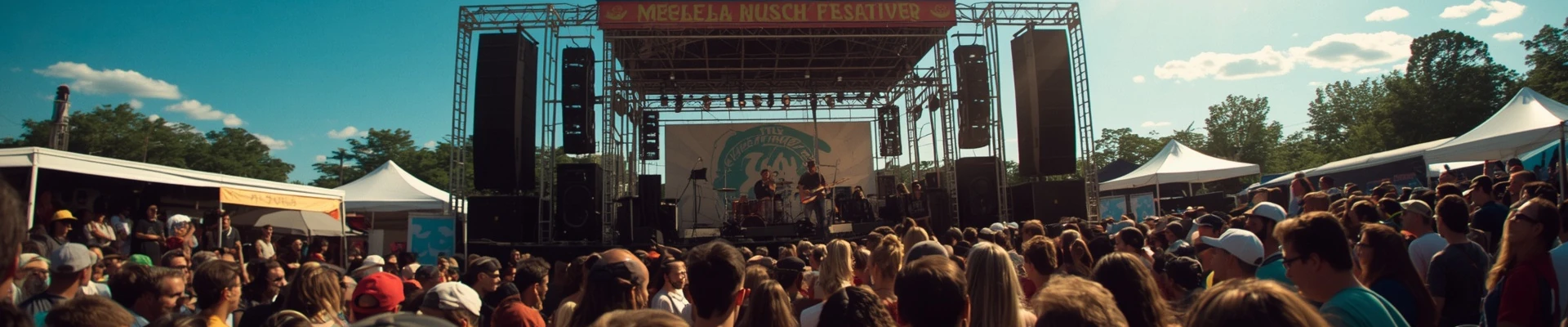
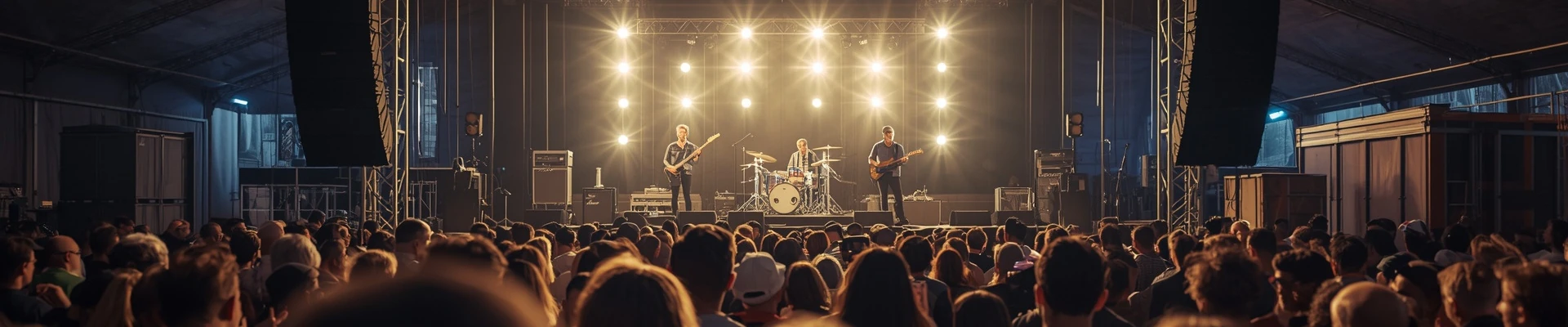
Hi-Fi Bar & Lounge on Main Street has been a cornerstone of the Huntington Beach live music scene — a properly run rock and punk bar with consistent booking that has given local and regional acts a reliable home. Main Street Bar and Grill and adjacent establishments on the downtown strip have rotating live music programs, particularly on weekends when the beach crowds surge. The Shorebreak Hotel area around the pier has hosted pop-up concerts and outdoor performance series connected to surf culture events. Pier Plaza — the open-air plaza at the base of the pier — becomes a de facto performance space during the US Open of Surfing weekend and other city-sanctioned events, when large stages are erected facing the ocean.
The Downtown Huntington Beach district — roughly Main Street from Pacific Coast Highway to 5th Street — is the entertainment corridor. Surf shops, bars, restaurants, and music venues operate side by side in a commercial strip that caters to beach visitors, surfers, and locals with money to spend on weekend nights. The area's tourist volume means that live music is reliably programmed to capture visitors as well as residents, which has sometimes created a tension between original local programming and cover-band commercial bookings, though original music venues have maintained their presence.
Bolsa Chica State Beach — the northern stretch of the Huntington Beach coastline adjacent to the Bolsa Chica Ecological Reserve wetlands — provides a different outdoor context for concerts and community music events, particularly in summer months when beach concerts are organized by city parks and recreation.
Festivals and signature events
The US Open of Surfing is the city's signature event and one of the largest surf competitions in the world, drawing more than 500,000 attendees over its week-long run in late July and early August. Since the 1990s, the event has incorporated major live music programming — acts including Jack Johnson, Sublime with Rome, Slightly Stoopid, and a rotating cast of punk, reggae, and alternative acts have performed on the pier stage. The convergence of competitive surfing, skateboard and BMX competitions, brand activations, and live music makes the US Open of Surfing weekend effectively Huntington Beach's annual festival.
Surf City Nights — the weekly Tuesday evening street fair on Main Street — incorporates live music into its vendor and dining format, running through the summer months and providing consistent small-scale performance opportunities for local acoustic and rock acts. Pacific Air Show weekend, held in October over the beach, includes its own entertainment programming. Wahine Classsic and other surf competitions throughout the year bring smaller but dedicated beach-culture audiences to the waterfront, often with accompanying live music.
The city's 4th of July celebration — which draws enormous crowds to the beach for fireworks and has historically included a parade and associated music events — is one of the largest Fourth of July gatherings in Southern California.
What ties it all together
Huntington Beach is a city in productive contradiction: it is simultaneously the polished Surf City USA of international beach branding and the gritty working-class beach town that produced Guttermouth and Ignite. The same PCH corridor that fronts million-dollar surf-view condos and international brand flagships also backed the shows that gave Southern California hardcore its distinctive edge. The deep-sea oil derricks that once stood on the beach next to the pier are gone, replaced by boutique hotels, but the industrial working-class undercurrent that shaped the city's demographics has never entirely disappeared — and it shaped the music. Huntington Beach's punk scene drew from the same tension between aspiration and reality that defined Orange County more broadly: a landscape of sunshine and suburban comfort that could also produce real anger, real alienation, and real bands willing to tour on nothing for years. The pier stands at the center of both stories, and on a summer night when a band is setting up on the stage at Pier Plaza with the Pacific behind them, both versions of the city are equally present.