
Lancaster is the largest city in California's Antelope Valley, a broad, flat basin at the western edge of the Mojave Desert, roughly 70 miles north of downtown Los Angeles via the Antelope Valley Freeway (SR-14). With around 161,000 residents, it sits at an elevation of approximately 2,350 feet above sea level, which gives it a climate distinct from the coastal basin — hotter summers, colder winters, and dramatic spring winds that blow through the creosote flats and across the aerospace runways of nearby Edwards Air Force Base. The city shares the Antelope Valley with its immediate neighbour Palmdale to the south; the two cities are often grouped as "the AV" and together form the fastest-growing urban corridor in greater Los Angeles County. Lancaster is the valley's older, more established municipality, incorporated as a city in 1977, though settlement here dates to the 1870s when the Southern Pacific Railroad reached the valley and began drawing homesteaders onto the scrubby high-desert land.
The economy has long been tethered to aerospace and defence — Edwards Air Force Base, Air Force Plant 42 (in Palmdale), and The Aerospace Corporation facilities provide substantial employment — alongside agriculture (alfalfa, carrots, and onions are Antelope Valley crops), solar energy (the Mojave Desert is one of the most productive solar regions in the United States), and a sprawling commercial strip along Avenue J and the Sierra Highway corridor. Lancaster has grown rapidly through the post-2000 period as Angelenos priced out of the coastal basin moved inland, bringing working-class families from the San Fernando Valley, South LA, and the Inland Empire. The result is a city more culturally and demographically diverse than its desert setting might suggest: the population is roughly 40 percent Latino, 25 percent Black, and 25 percent white, with smaller but growing Filipino, Central American, and Southeast Asian communities.
A brief history
The Antelope Valley's indigenous inhabitants were the Kitanemuk and, to the north and east, the Kawaiisu — peoples adapted to the high desert and its resources of jackrabbit, antelope, piñon pine, and Mojave yucca. Spanish missionaries and Mexican ranchers moved through the valley in the early 19th century, and the area became part of California following the Mexican–American War. The arrival of the Southern Pacific in 1876 opened the valley to Anglo-American settlement, and the town of Lancaster grew around the railroad depot as a modest agricultural and ranching centre.
The 20th century transformed the valley's relationship to the outside world. The establishment of Muroc Army Air Field (later Edwards AFB) during World War II brought federal investment and a population of military and technical personnel, and the postwar aerospace boom — Lockheed, Northrop, Boeing, and McDonnell Douglas all had Antelope Valley operations — turned the valley into one of the most militarised industrial landscapes in the American West. The sound barrier was broken by Chuck Yeager in the skies above the Antelope Valley in 1947, and the valley became synonymous with the American aerospace frontier. This heritage is visibly present in Lancaster's identity today: the Air Force Flight Test Museum at Edwards and the Joe Davies Heritage Airpark (located on city-owned land in Lancaster) preserve that legacy.
The late 20th and early 21st centuries brought demographic transformation as housing affordability drove large-scale migration from greater Los Angeles. The 1990s and 2000s saw significant growth in the Latino and Black communities, reshaping the city's cultural landscape and its music scenes. Lancaster also became notable for LGBTQ+ communities in the early 21st century, and Mayor R. Rex Parris (a controversial long-serving mayor) used Lancaster's brand identity in complicated ways, promoting it as a "hydrogen city" and solar city while also making national news for policies that drew both support and criticism.
Music identity
Lancaster's music identity is genuinely diverse but operates largely under the radar of the Los Angeles entertainment industry — the 70-mile gap to Hollywood is a cultural as much as a physical distance, and the city has historically developed its scenes in a self-contained way. The dominant currents are regional Mexican music, hip-hop, rock and metal, and a smaller but historically significant country tradition rooted in the valley's agricultural era.
Regional Mexican and norteño music is the largest and most commercially active scene in the city. The Antelope Valley's large Mexican-American and Mexican immigrant communities have sustained a year-round circuit of quinceañeras, bailes, and concerts featuring norteño, banda sinaloense, and cumbia acts. The Antelope Valley Fairgrounds has been a reliable venue for touring regional Mexican acts, with artists like Banda MS, Los Tigres del Norte, and Banda El Recodo drawing large crowds to the valley. Local DJs and promoters working the norteño circuit are among the most active music entrepreneurs in the city. The strip of nightclubs and event halls along 10th Street West and the commercial corridors of West Lancaster have historically served as the hub of this scene.
Hip-hop in the Antelope Valley emerged through the 1990s and 2000s as the demographics of the city shifted. The valley developed a local rap circuit tied to the Bloods and Crips-affiliated communities that moved north from South Los Angeles, and the musical output reflects that connection — lyrically dense, West Coast gangster rap in the Compton tradition but with a Mojave-desert inflection. Several AV-based rappers have built regional followings through SoundCloud, YouTube, and the broader streaming economy, though the valley has not produced a breakout star at the level of the coastal basin's output. The distance from the recording industry infrastructure of Hollywood and the mid-city LA studio belt has been a persistent obstacle, though home recording and digital distribution have partially levelled that playing field.
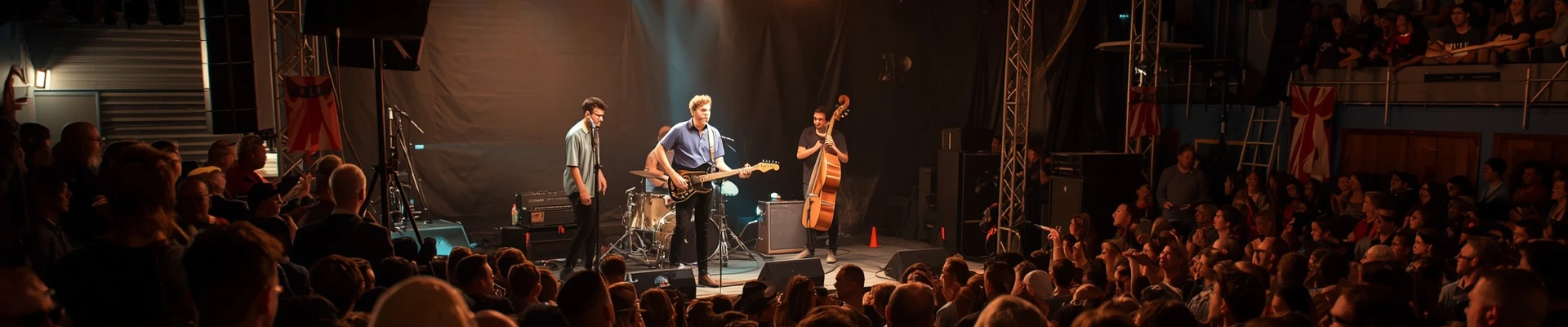
Rock and metal have a substantial presence in Lancaster, partly attributable to the large military-connected and white working-class communities in the valley, and partly to the high-desert environment itself, which has historically attracted a certain strain of independent, non-conformist musical sensibility. The AV has produced a number of hard rock and metal acts that have worked the Southern California touring circuit — playing venues in Hollywood, San Bernardino, and the Inland Empire alongside local rooms. The region's DIY ethos runs deep: without easy access to industry infrastructure, bands in Lancaster and Palmdale have learned to book their own tours, produce their own recordings, and build audiences through grinding regional work. Antelope Valley High School and Quartz Hill High School have historically been hotbeds of student rock band activity.
Country music carries a historical resonance in the valley — the agricultural and ranching communities of the early 20th century sustained a honky-tonk and country-western culture that persisted in the valley's older white communities through the mid-century decades. The Antelope Valley was, like much of inland California, closer in spirit to the Bakersfield Sound than to Hollywood's polished country product. While this tradition has faded significantly as the demographics of the city have shifted, country music retains a presence in the valley's older neighbourhoods and the communities around Lake Los Angeles and Littlerock to the east.
Gospel and Christian music form a significant strand of the city's musical life, sustained by a large and active Black church community. Churches on the West Lancaster corridor programme choirs, praise bands, and gospel concerts, and the annual Antelope Valley Gospel Music Festival has drawn regional and national gospel acts to the valley.
Venues and neighborhoods
Lancaster's main performing arts anchor is The BLVD — the city's revitalized downtown corridor along Lancaster Boulevard, which was dramatically redesigned in the early 2010s under Mayor Parris's administration to create a walkable, arts-and-commerce district in what had been a declining commercial strip. The redesign brought outdoor performance space, art installations, and a cluster of restaurants and bars that have become the city's primary entertainment zone. The BLVD hosts outdoor concerts, the AV Poppy Festival, and community events year-round.
The Antelope Valley Fairgrounds (on Avenue H) is the city's largest outdoor event venue and hosts the annual Antelope Valley Fair (the largest county fair in the LA area by attendance in some years) as well as a calendar of concerts, rodeos, and community events. The fairgrounds have hosted regional and national touring acts across country, regional Mexican, and pop genres.
The Fox Theater Lancaster (now rebranded as Lancaster Performing Arts Center or LPAC) is the city's flagship indoor performing arts venue — a historic theatre on Lancaster Boulevard that programs theatre, dance, comedy, and occasional concerts. Artisan Fine Dining and Jazz Club has operated as a jazz-focused room in the city. The Sagebrush Cantina and a cluster of bars along the Sierra Highway programme live music in the classic bar-band tradition. The AV Beer Company and other taprooms have hosted smaller acoustic and local acts.
West Lancaster — the densest Latino residential neighbourhood, centred on 10th Street West and Sierra Highway south of the city centre — is the geographical heart of the norteño and regional Mexican scene. East Lancaster and the areas around Quartz Hill and Valley Central are predominantly suburban and Anglo, with the rock and country scenes most present here. Downtown Lancaster (The BLVD corridor) is the intended civic and cultural hub, though years of suburban sprawl have distributed the city's actual cultural activity across a diffuse car-dependent geography typical of the Inland Empire/High Desert pattern.
Festivals and signature events
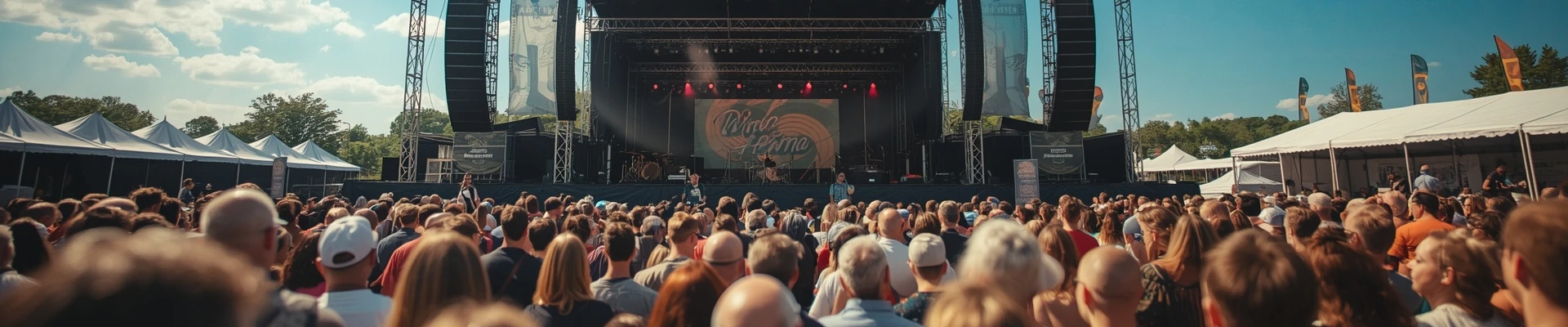
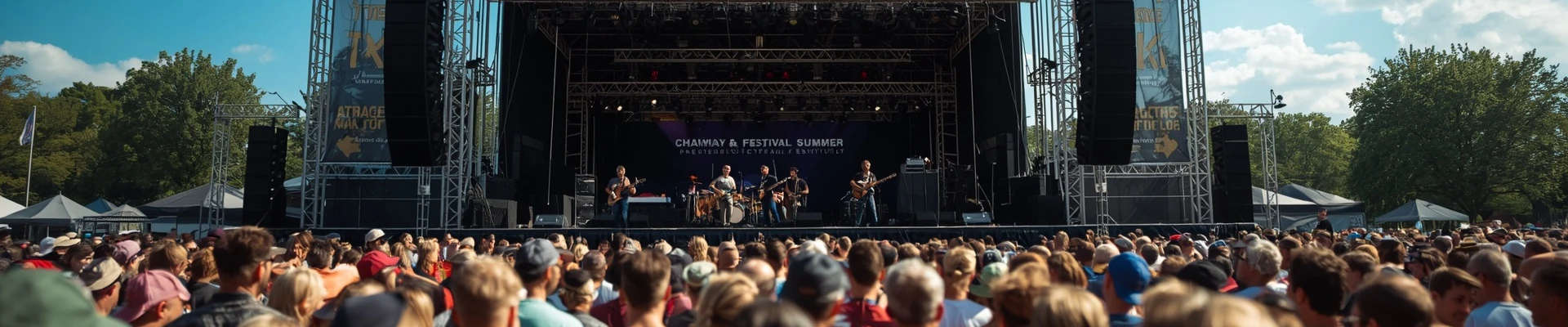
The Antelope Valley California Poppy Festival is Lancaster's signature annual event — held each April when the poppy fields of the Antelope Valley California Poppy Reserve bloom, the festival draws tens of thousands of visitors to the fairgrounds and programs live music across multiple genres alongside artisan markets, food, and family activities. It is one of Southern California's most attended spring festivals.
The Antelope Valley Fair (late August) is the primary summer entertainment event — a traditional agricultural fair with a music programme that has historically featured country, rock, and pop acts on a dedicated stage. Regional Mexican headliners have been an increasing presence in recent years.
AV Poppy Week (the broader surrounding festival period) animates downtown Lancaster with street performances and pop-up events. The Greek Festival (organized by the local Greek Orthodox community) programs traditional music alongside food and culture. Juneteenth Lancaster events have grown in the post-2020 period, with music, community gathering, and cultural programming on the downtown boulevard. The AV Gospel Music Festival brings gospel choirs and touring gospel acts to the valley on a periodic basis.
What ties it all together
Lancaster's music scene is the sound of a city that has had to invent itself repeatedly — first as an agricultural frontier town, then as an aerospace suburb, then as a destination for LA's displaced working class, and finally as a self-described solar and hydrogen "city of the future." The music reflects each of those chapters: the honky-tonk residue of the ranching era, the hard rock of the aerospace-worker suburbs, the norteño heartbeat of the Mexican-American community, the hip-hop of the South LA diaspora resettled in the desert. What holds it together is the high-desert distance from the industry's center — a gap that has historically frustrated ambitions but also protected a DIY culture of self-sufficiency and community-first music-making that persists in Lancaster's clubs, churches, quinceañera halls, and fairground stages. The Mojave doesn't give anything easily; neither does the music industry. The Antelope Valley learned that early, and it kept playing anyway.