
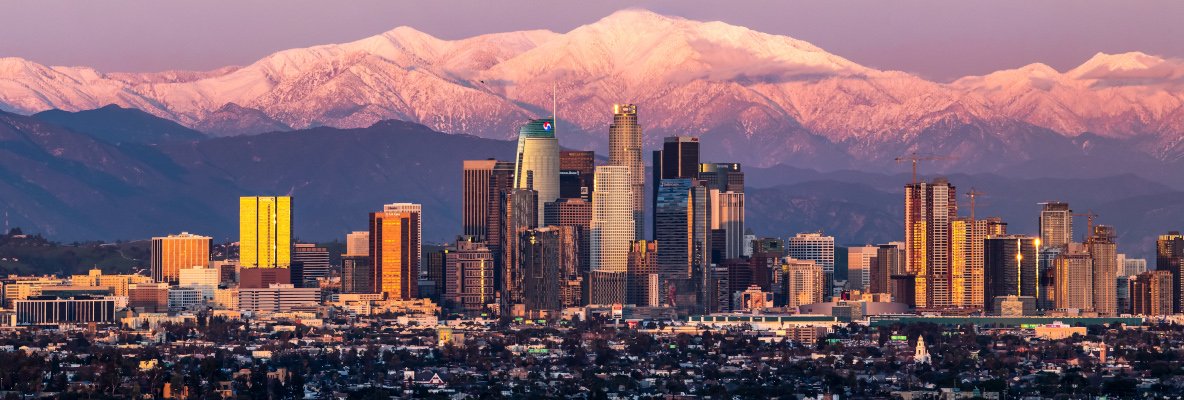
Los Angeles is the largest city in California and the second-largest in the United States, with roughly 3.8 million residents inside the city limits and nearly 13 million across the surrounding metropolitan area. Spread across more than 1,200 square kilometers between the Pacific Ocean, the Santa Monica Mountains, and the high desert, it is a city defined less by a downtown core than by a constellation of distinct neighborhoods — Hollywood, Echo Park, Silver Lake, Highland Park, Boyle Heights, Inglewood, Compton, Watts, Leimert Park, Koreatown, the San Fernando Valley, the South Bay, the Westside, and dozens more — each with its own musical history.
A brief history
The Tongva people lived in the Los Angeles basin for at least 7,000 years before Spanish missionaries and colonists arrived in the late 18th century, founding El Pueblo de Nuestra Señora la Reina de los Ángeles in 1781. Mexican rule followed in 1821, and after the Mexican–American War the territory passed to the United States in 1848. The city remained a small ranching town until the late 19th century, when the arrival of the railroads, the discovery of oil, and the construction of the Los Angeles Aqueduct triggered explosive growth. By the 1910s the film industry had relocated from the East Coast to take advantage of the climate, the open land, and the distance from Edison's patent enforcers, and Hollywood was born.
The growth of film, radio, and later television in the 20th century pulled songwriters, composers, arrangers, session musicians, engineers, and label executives into the region in vast numbers. By the 1960s Los Angeles had eclipsed New York as the production center of American popular music. Major studios — Capitol, Western, Sunset Sound, A&M, United Western, Wally Heider — clustered around Hollywood and Sunset Boulevard, and a deep bench of session players known collectively as the Wrecking Crew played on a staggering share of the era's hit records. The city's role as both a creative magnet and an industrial hub has continued without interruption to the present day.
Music identity
Los Angeles invented or substantially shaped a remarkable number of genres. In the 1940s, Central Avenue in South Los Angeles was one of the most important Black music corridors in the country, hosting Charlie Parker, Dexter Gordon, Charles Mingus, and the West Coast bebop and cool jazz that would define the 1950s. The 1950s and early 1960s gave the world surf rock through Dick Dale and the Beach Boys, and the California sound — sun-drenched harmonies and pop production crystallized at studios across Hollywood. The mid-1960s Sunset Strip scene, centered on the Whisky a Go Go and the Troubadour, launched the Doors, Buffalo Springfield, the Byrds, Love, and the entire folk-rock movement, which migrated up the hill into Laurel Canyon and produced Joni Mitchell, Crosby Stills & Nash, Jackson Browne, the Eagles, Linda Ronstadt, and the singer-songwriter golden age of the 1970s.
The late 1970s and 1980s remade the city's sound several times over. Hardcore punk exploded out of suburbs and beach towns through Black Flag, the Germs, X, the Circle Jerks, and Bad Religion. Hair metal dominated the Sunset Strip with Mötley Crüe, Guns N' Roses, Van Halen, Ratt, and Quiet Riot. Paisley Underground bands like the Bangles, Dream Syndicate, and Rain Parade revived 1960s psychedelia. And in South Los Angeles, gangsta rap and G-funk reshaped global hip-hop through N.W.A, Ice-T, Dr. Dre, Snoop Dogg, Tupac Shakur, DJ Quik, and the Death Row, Ruthless, and Solar label rosters. Compton, Long Beach, Watts, and South Central became as central to hip-hop's mythology as the Bronx. The Chicano music tradition — from Ritchie Valens through Los Lobos, the Brat, and a deep East L.A. punk scene — runs in parallel through the same decades.
The 21st century continues that promiscuous mixing. Los Angeles is now the dominant production center of mainstream pop, with Max Martin's camp, the Stargate-era hitmakers, and an army of writers and producers based in Studio City and the Hollywood Hills. It is the home of the beat music scene built around Low End Theory, Brainfeeder, and Stones Throw — Flying Lotus, Thundercat, Kamasi Washington, Madlib, J Dilla's late work, and a renaissance of spiritual jazz. It is the headquarters of much of modern R&B through the Weeknd's XO operation, Anderson .Paak's Apeshit, and SZA, Kendrick Lamar, Schoolboy Q, and the broader TDE camp in nearby Carson. Latin music — regional Mexican, corridos tumbados, reggaeton — runs through Boyle Heights, East L.A., and the San Fernando Valley with a scale and influence rivaling New York's. Korean pop has a major American hub in Koreatown, and electronic and club music runs through the warehouse circuit of downtown and the Eastside.
Venues and neighborhoods
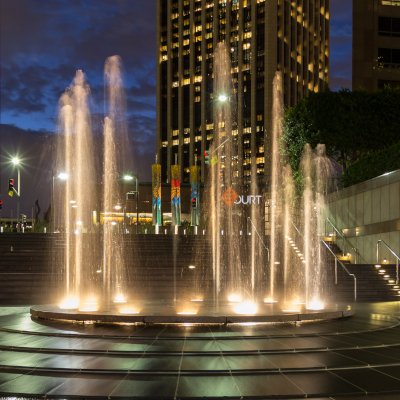
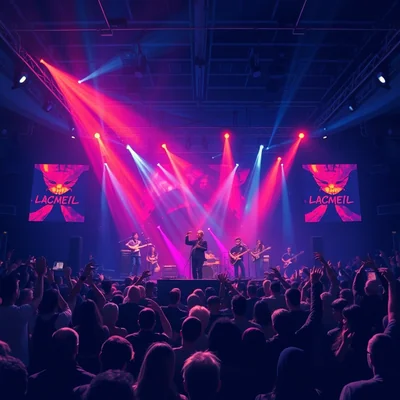
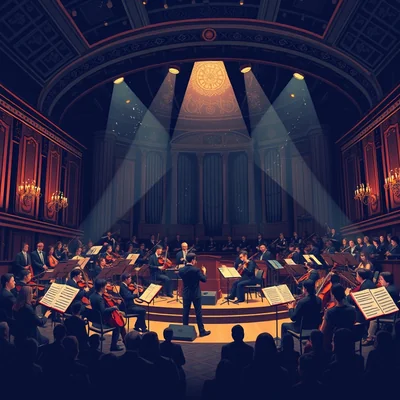
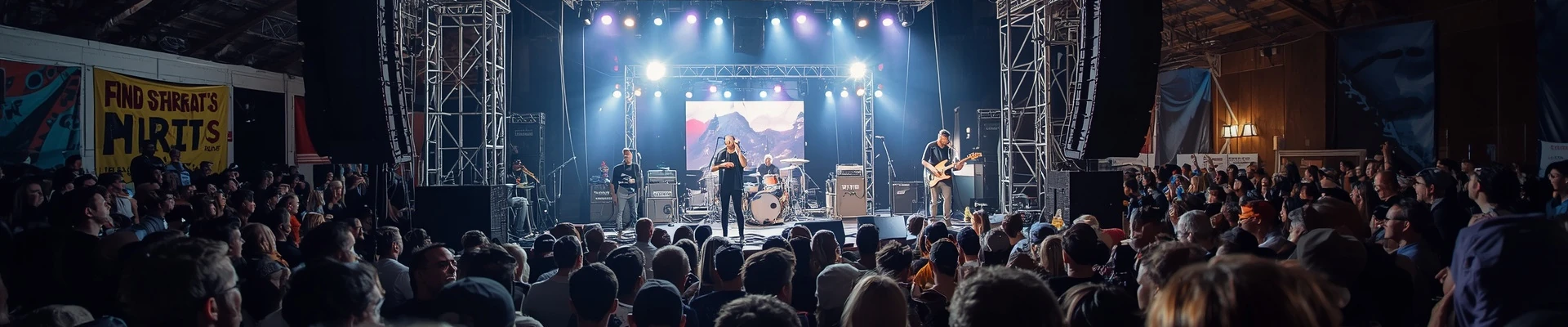
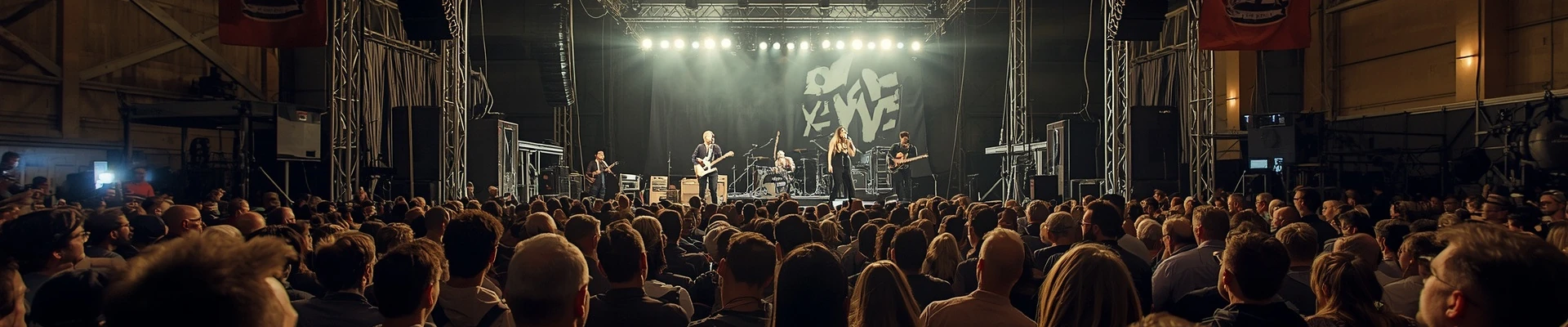
Los Angeles has one of the largest and most varied venue ecosystems in the world. At the top sit the Kia Forum in Inglewood, Crypto.com Arena downtown, Intuit Dome, BMO Stadium, SoFi Stadium, the Hollywood Bowl, the Greek Theatre, the Walt Disney Concert Hall, and the Dolby Theatre. The midsize tier includes the Wiltern, Shrine Auditorium, YouTube Theater, Orpheum, Palladium, Belasco, Fonda Theatre, Mayan Theater, and United Theater on Broadway. Beneath them is a deep club circuit — the Troubadour, Whisky a Go Go, Roxy, Viper Room, El Rey, Echoplex and the Echo, Teragram Ballroom, Lodge Room, Zebulon, Permanent Records Roadhouse, Resident, the Moroccan Lounge, the Satellite's successors, and dozens of bars, lofts, and DIY rooms across the Eastside, Highland Park, and the Valley. Jazz lives at Catalina, the Blue Whale's heirs, and ETA in Highland Park; classical and contemporary at the Walt Disney Concert Hall, REDCAT, the Hollywood Bowl, the Wallis Annenberg, and the Soraya. Latin music has homes at the Million Dollar Theatre, the Belasco, Mariachi Plaza in Boyle Heights, and a deep network of nightclubs across East L.A. and the San Fernando Valley.
Different neighborhoods carry different musical identities. Compton, Watts, Inglewood, and South Central remain central to West Coast hip-hop and modern R&B. Boyle Heights and East L.A. are the heart of Chicano and Latin music. Highland Park, Echo Park, Silver Lake, and Eagle Rock anchor the indie rock and DIY scenes. Hollywood and the Sunset Strip continue to host the rock and metal traditions of the 1980s and the modern pop and EDM circuits. Koreatown is the densest entertainment corridor in the city, with K-pop, Latin, hip-hop, and dance venues stacked on top of one another. The South Bay keeps the surf, punk, and ska traditions alive, and the San Fernando Valley is home to enormous Latin and hip-hop scenes, plus a substantial slice of the recording industry's facilities.
Festivals and signature events
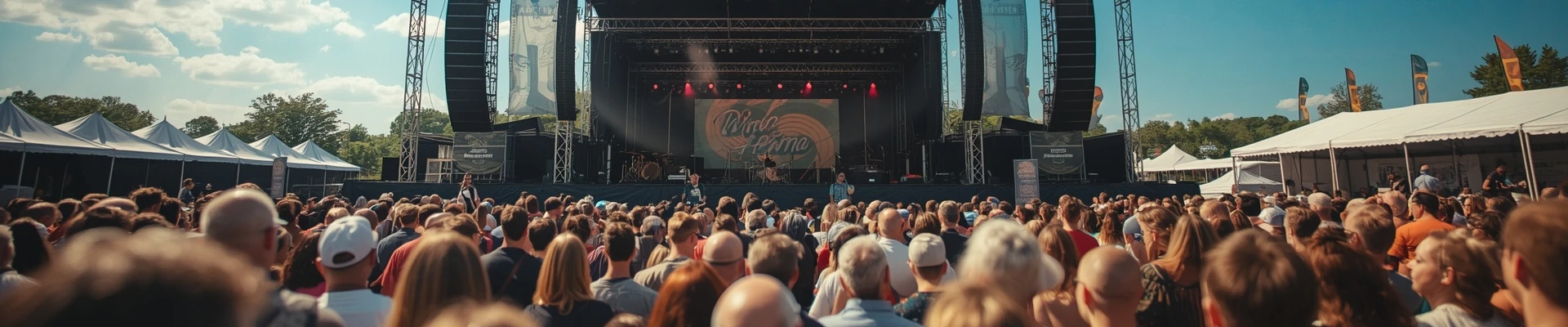
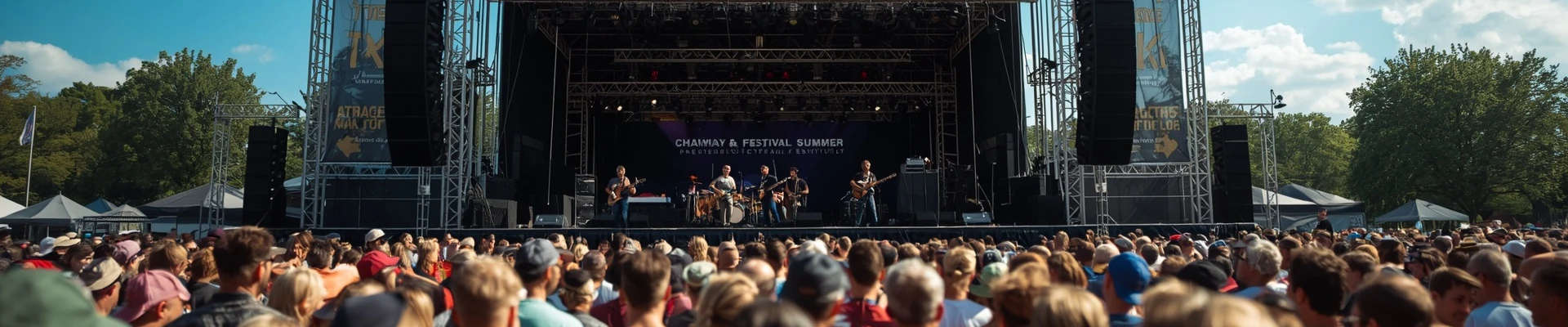
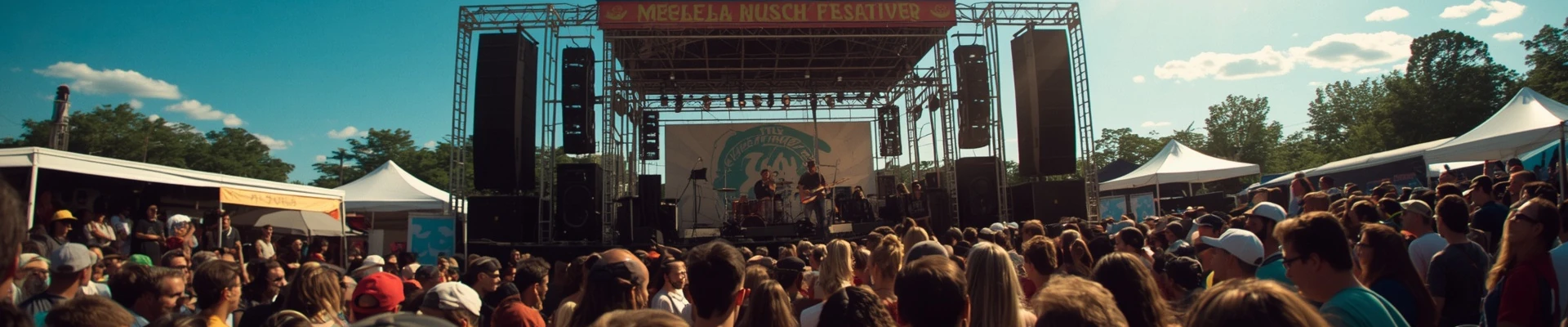
Although the city's main festival juggernaut, Coachella, takes place 200 km east in Indio, Los Angeles itself hosts a dense calendar. FYF Fest (historically), Camp Flog Gnaw at Dodger Stadium and the Coliseum grounds, Rolling Loud California, Once Upon a Time in L.A., HARD Summer, EDC Los Angeles's descendants, Cruel World, Just Like Heaven, This Ain't No Picnic, Beach Goth's heirs, Día de los Deftones, Smokin' Grooves, Tropicália, Besame Mucho, and Head in the Clouds keep the festival circuit running year-round at venues like Brookside at the Rose Bowl, Dodger Stadium grounds, the Hollywood Bowl, the Greek, Banc of California Stadium, and Exposition Park. The Hollywood Bowl itself programs a 100-night summer season ranging from the L.A. Philharmonic to jazz, hip-hop, and global pop. Grand Performances downtown, Levitt Pavilions in MacArthur Park and Pasadena, the Watts Towers Jazz Festival, the Mariachi USA Festival, the East L.A. Chicano Music Festival, the Smorgasburg LA music programming, and Make Music Los Angeles add free and community programming. Cultural processions — the East L.A. Christmas Parade, Día de los Muertos in Hollywood Forever and Boyle Heights, Lunar New Year in Chinatown and Koreatown, Carnaval in MacArthur Park — are themselves rolling music festivals.
What ties it all together is the industry and the geography: a city built around the studio, the freeway, and the warehouse, where session musicians, label A&Rs, producers, engineers, and songwriters live within a 30-mile radius of one another, and where a band can record on a Tuesday, soundtrack a film on a Wednesday, headline a club on Friday, and play a backyard show in Highland Park on Saturday. Los Angeles is at once an industry town and a neighborhood town, and that double identity is the source of its sound.