

Murrieta is an incorporated city of roughly 110,000 residents in Riverside County, in the southwestern corner of California's Inland Empire region. Situated in the Temecula Valley — a wide, sun-drenched basin framed by the Santa Ana Mountains to the west and the Palomar foothills to the east — Murrieta sits approximately 85 kilometres north of downtown San Diego and 110 kilometres southeast of downtown Los Angeles, making it one of Southern California's most strategically placed bedroom communities. It is the second-largest city in Riverside County by population after Riverside itself, and one of the fastest-growing incorporated cities in California over the past two decades. Murrieta sits directly adjacent to Temecula (its older, more tourism-oriented neighbour to the south), sharing a continuous urban footprint and a combined metropolitan population of roughly 200,000. The two cities are distinct — Murrieta is the residential and commercial workhorse; Temecula is the wine-country tourist destination — but their music scenes, venues, and festivals overlap substantially. Camp Pendleton, the massive Marine Corps base just south of the city, shapes Murrieta's demographics profoundly: military families, veterans, and defence-sector workers make up a significant portion of the population, and the city's culture reflects that — orderly, family-oriented, politically conservative, and community-focused.
A brief history
The Temecula Valley was home to the Luiseño people (also called the Payómkawichum) for thousands of years before Spanish missionaries established the Mission San Luis Rey de Francia to the south and brought the Luiseño into the mission system. The valley name comes from the Luiseño word temecunga — a place where the sun shines through the mist. In the Mexican rancho era, the valley became part of the massive Rancho Temecula land grant. American settlement arrived with the California Southern Railroad in the 1880s, which built a branch line through the valley and established small agricultural communities, including Murrieta, named after Juan Murrieta, a local rancher. For most of the 20th century, Murrieta remained a quiet rural outpost — vineyards, citrus groves, livestock ranches, and a population measured in the hundreds. The city was incorporated only in 1991, and its explosive growth began in the late 1990s and accelerated through the 2000s as Southern California sprawl reached the valley. Affordable land, low crime, good schools, and freeway access (Interstate 15 bisects the city) drew wave after wave of families relocating from Los Angeles, Orange County, and San Diego. The 2008 financial crisis hit Murrieta hard — the city had one of the highest foreclosure rates in California — but recovery was swift, and growth resumed by the early 2010s. Today Murrieta is a prosperous, fast-growing suburb with a robust commercial corridor along the I-15 corridor and a growing arts and culture scene.
Music identity
Murrieta's music scene is unmistakably suburban in character — driven by churches, schools, youth programs, and the kind of grassroots community music culture that flourishes in prosperous young cities. It does not have a defining genre, a signature sound, or a historically significant music industry presence. What it does have is a large, engaged community of musicians and music fans who have built a functioning local circuit despite the city's relatively recent founding and its suburban orientation.
The most consequential musical influence on Murrieta is its proximity to and overlap with the Temecula Valley wine-country tourism scene. The wineries of Temecula — South Coast Winery, Wilson Creek Winery, Callaway Vineyard & Winery, Europa Village, and dozens of others — have become major live-music venues in their own right, programming everything from jazz and blues to country, classic rock cover bands, and acoustic singer-songwriters on weekends throughout the year. Murrieta residents are a primary audience for this wine-country circuit, and a number of Murrieta-based musicians work the winery rotation regularly. The winery scene skews toward accessible, broadly popular genres — classic rock covers, country, adult contemporary — with occasional jazz and blues bookings. It is not adventurous music, but it sustains a working musician economy in the region.
The city's Christian contemporary music scene is significant and often overlooked. Murrieta has a high concentration of evangelical and non-denominational churches — many of them large megachurches with full production infrastructure — and the worship music culture they sustain is substantial. Churches like Murrieta Hot Springs Christian Conference Center and a string of large community churches have developed music programs that feed musicians into the regional contemporary Christian music circuit. A number of nationally known worship artists and Christian pop musicians have spent time in Murrieta or launched careers through the region's church network.
Country and country-rock have a natural home in the Temecula Valley's agricultural and military-community culture. The rodeo circuit, the winery stages, the honky-tonk bars, and the military-community social clubs all sustain a country music scene. Saddle Bar & Grill and similar establishments along the I-15 corridor program country acts regularly. The proximity to Stagecoach Festival at Indio (a 90-minute drive) means Murrieta-area country fans are well-integrated into the California country festival circuit.
Hip-hop and R&B have a presence in the city's younger, more diverse communities, particularly in the school system and among the military-community youth. Murrieta has a growing Black and Latino population, and the hip-hop, R&B, and Latin pop scenes are expanding alongside that demographic growth. The city's high schools have produced a steady stream of SoundCloud-era rappers and bedroom pop producers who are part of the broader Southern California DIY music ecosystem.
The rock and punk scene is small but persistent, driven by the city's young population and its school-age musicians. Local bands cycle through a small circuit of bars, youth venues, and DIY events. The proximity to San Diego — which has one of the strongest punk and hardcore scenes in California — means Murrieta bands have access to the Casbah, Soda Bar, and the broader San Diego circuit relatively easily.
No nationally or internationally significant recording artists are closely identified with Murrieta specifically, though the broader Southwest Riverside County area has produced or housed a variety of Southern California musicians over the years. The city's youth programs — particularly the Murrieta Valley Unified School District's music programs and the Murrieta Youth Symphony — maintain a classical and ensemble tradition that feeds conservatory pipelines.
Venues and neighborhoods
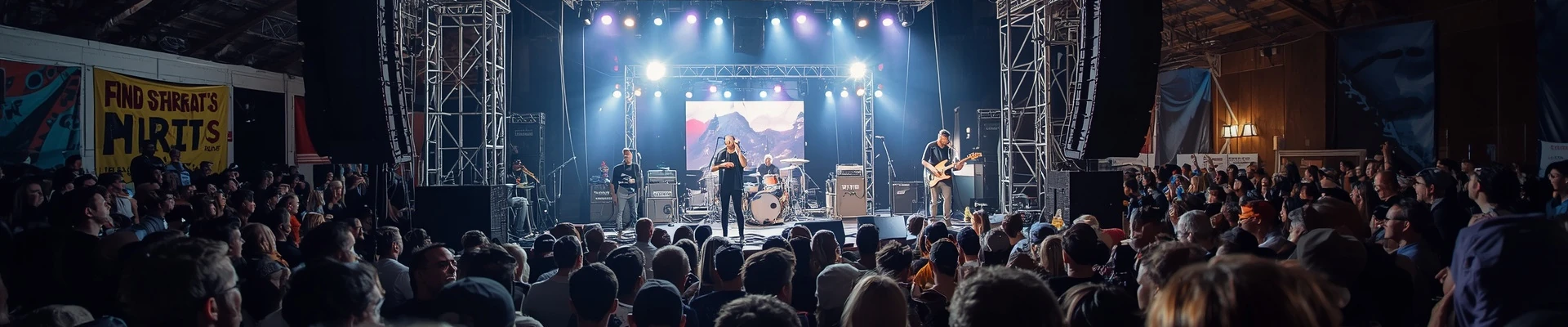
Murrieta's venue landscape is dominated by the wine-country and casual dining circuit rather than dedicated music venues. The most active live-music sites in and around the city include Stampede (a country bar and dance hall along the I-15 corridor), the Temecula Valley winery amphitheatres (accessible to Murrieta residents and critical to the regional music economy), Pechanga Resort Casino (technically in Temecula but the dominant large-scale venue for the entire valley — it programs major touring acts in its 1,200-seat Pechanga Theater and its 5,000-capacity outdoor Meadows amphitheatre), and a rotating cast of bar and restaurant venues throughout the city's commercial corridors.
The Old Town Temecula district (in neighbouring Temecula) functions as the regional destination for live music bars and restaurants, with venues like the Temecula Stampede and various Old Town restaurants programming live acts on weekends. Murrieta's own commercial districts — along Murrieta Hot Springs Road, the Town Square development, and the California Oaks corridor — host a mix of restaurants and bars with occasional live music, but no dedicated music venue of note.
The city's residential geography reflects its recent growth. California Oaks in the northeast, Bear Creek in the northwest (a gated golf-course community), Copper Canyon and Greer Ranch in the north, and French Valley in the east are all primarily residential. The commercial and entertainment activity concentrates along Interstate 15 — the Jefferson Avenue corridor and the Murrieta Hot Springs Road interchange — and in the Town Square retail and dining development in the city centre.
Festivals and signature events
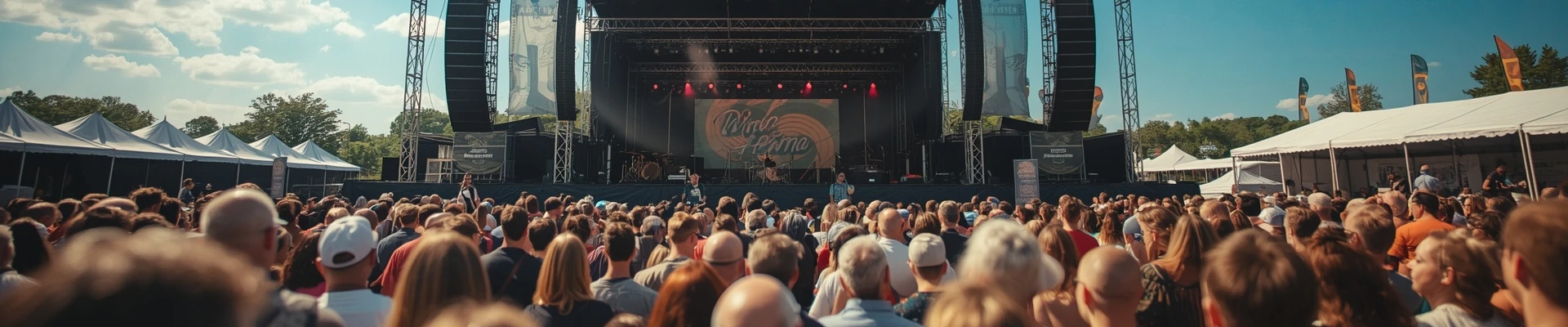
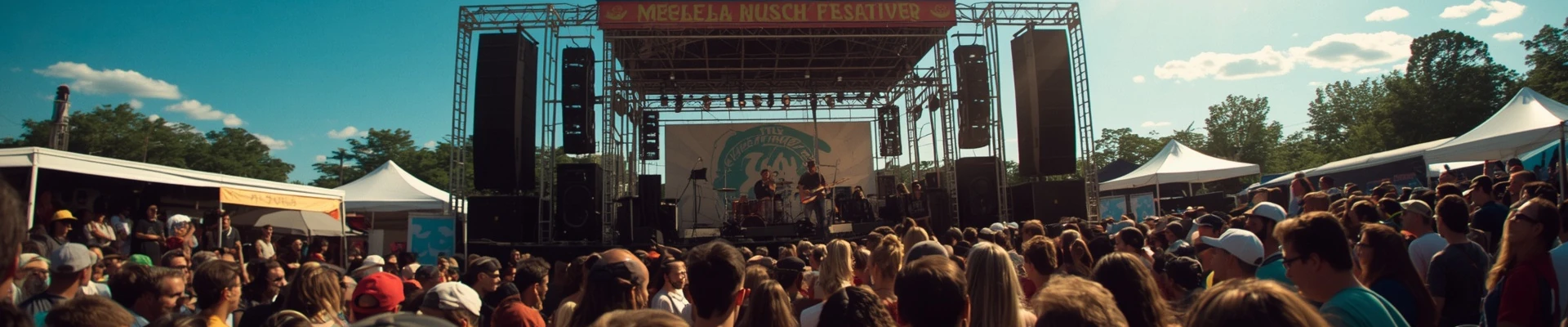
The festival calendar leans into wine-country tourism, military heritage, and community celebration. The Temecula Valley Balloon and Wine Festival (held at Lake Skinner, which straddles the Murrieta-Temecula boundary) is the region's signature annual event — a multi-day outdoor festival combining hot-air ballooning, wine tasting, and live music that draws tens of thousands of visitors each spring. The Southwest Riverside County Fair and the Murrieta Rod Run (classic car show with live music) are community staples. The Murrieta International Film Festival has grown into a regionally noted event. The city's Fourth of July celebration and the Veterans Day observances at Murrieta and Camp Pendleton reflect the military-community character of the area. The adjacent Old Town Temecula Street Painting Festival and Temecula Bluegrass Festival draw Murrieta-area participants and audiences.
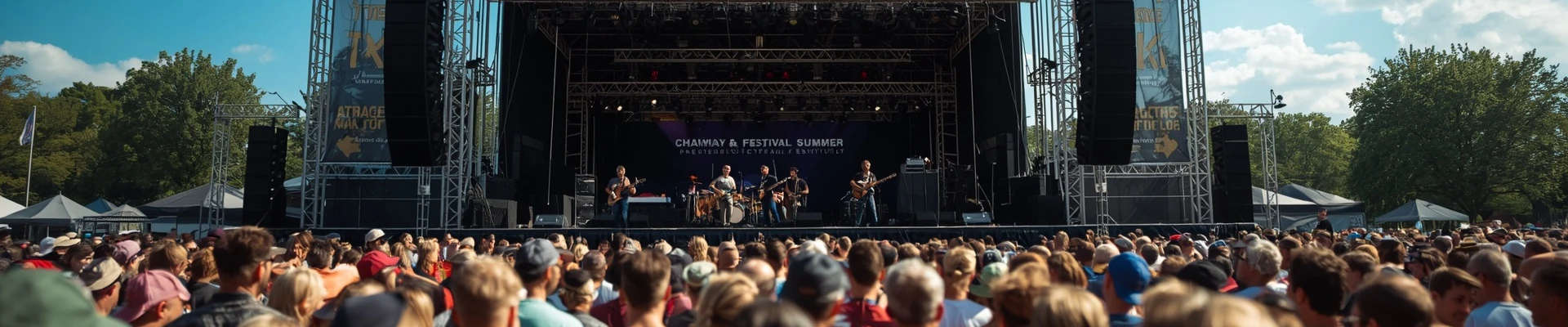
Pechanga Casino programs a robust concert series throughout the year — the most active major touring stop in the immediate Temecula Valley region — bringing country, classic rock, Latin, and pop acts to the valley that Murrieta residents attend regularly. The Pechanga Summer Concert Series is the closest thing to a major festival experience the region has, with outdoor shows under the Southern California sky through the warm months.
What ties it all together
Murrieta is a city still finding its musical identity, which is appropriate for a place that was largely fields and ranchland thirty years ago and is now home to more than 100,000 people. Its music life is built around the wine-country winery circuit, the military-community social clubs, the megachurch worship culture, the country and classic-rock bars along the freeway corridor, and the youth music programs of a school district that takes ensemble education seriously. The dominant live-music anchor for the entire Temecula Valley is Pechanga Resort Casino — a few minutes south in Temecula — which brings a level of major touring infrastructure that the city could not sustain on its own. Murrieta's music scene is suburban, family-friendly, and pragmatic: it serves a community that moved here for quality of life, schools, and space, and its music culture reflects those values. As the city continues to grow and its population diversifies, expect the hip-hop, Latin, and indie scenes to expand alongside the established country, worship, and wine-country circuits that currently define the valley's sound.