
Rancho Cucamonga is the largest incorporated city in San Bernardino County and one of the most populous cities in the Inland Empire, California's sprawling inland metropolitan region east of Los Angeles. With roughly 175,000 residents spread across 40 square miles of foothill terrain at the base of the San Gabriel Mountains, the city sits at an elevation of about 1,200 feet — high enough that the Angeles National Forest looms directly to the north, and low enough that the vast flatlands of the Chino Valley and the neighboring cities of Ontario, Upland, and Fontana stretch to the south and east. The 10 Freeway and the 15 Freeway intersect at Rancho Cucamonga's southern edge, making it a regional traffic node; Ontario International Airport is less than five miles to the southwest, giving the city and its arena a genuine touring infrastructure draw. The city takes its name from a Tongva/Serrano village, with the Spanish prefix "rancho" reflecting the 19th-century land-grant era when the area was divided into cattle ranches — Rancho Cucamonga was one of the original Mexican land grants. The present city incorporated in 1977, assembling Alta Loma, Cucamonga, and Etiwanda as its three historic communities.
A brief history
The land was home to the Tongva and Serrano peoples before Spanish mission expansion. Under Mexican rule the area became Rancho Cucamonga, granted to Tiburcio Tapia in 1839. After American annexation and California statehood, the region transitioned to vineyards — Rancho Cucamonga was one of California's earliest wine-producing districts, with Italian and German immigrant families establishing wineries along Foothill Boulevard (the old Route 66) from the 1880s onward. The Cucamonga Winery, established in 1839 and continuously operated into the 20th century, was one of the oldest in the state. The Southern Pacific Railroad depot made the area a freight and agricultural shipping point. Suburban development accelerated through the 1950s and 1960s as Los Angeles's population pushed east along the freeway corridors, and by the late 1970s the three communities incorporated as a single city to manage growth. The 1980s and 1990s saw explosive residential expansion — tract housing developments filling what had been citrus groves and vineyards — and a demographic transformation as Latino families, along with Black, Vietnamese, Filipino, and South Asian communities, moved into the affordable inland suburbs. By 2000, the city's population was majority-minority, and its cultural output increasingly reflected a polyglot, working-class Inland Empire identity rather than anything shaped by Los Angeles's entertainment industry.
Music identity
Rancho Cucamonga's music identity is inseparable from the broader Inland Empire (IE) sonic world — a regional sound built on West Coast hip-hop's trunk-rattling production lineage, Latin pop and regional Mexican traditions, and a DIY R&B and gospel culture sustained by Black churches and family music programs across San Bernardino and Riverside counties. The city itself is not a recording industry headquarters, but it has contributed directly to some of the most recognizable sounds and careers in California music.
Will.i.am — the Black Eyed Peas frontman, record producer, and tech entrepreneur — was raised in Boyle Heights but spent significant time in the Inland Empire, and his commercial crossover productions of the late 2000s drew on the same socioeconomically ambitious suburban aesthetic that defines cities like Rancho Cucamonga. More directly, the IE's hip-hop scene produced Problem (Compton-adjacent but deeply IE-networked), Glasses Malone, and a generation of West Coast rappers who built fan bases through the same suburban house-party and car-show circuits that Rancho Cucamonga sits at the center of. The area-code rap tradition — 909 (the original IE area code before 951 split it) — has been shouted out in West Coast hip-hop since the 1990s, signaling a specific identity distinct from LA proper.
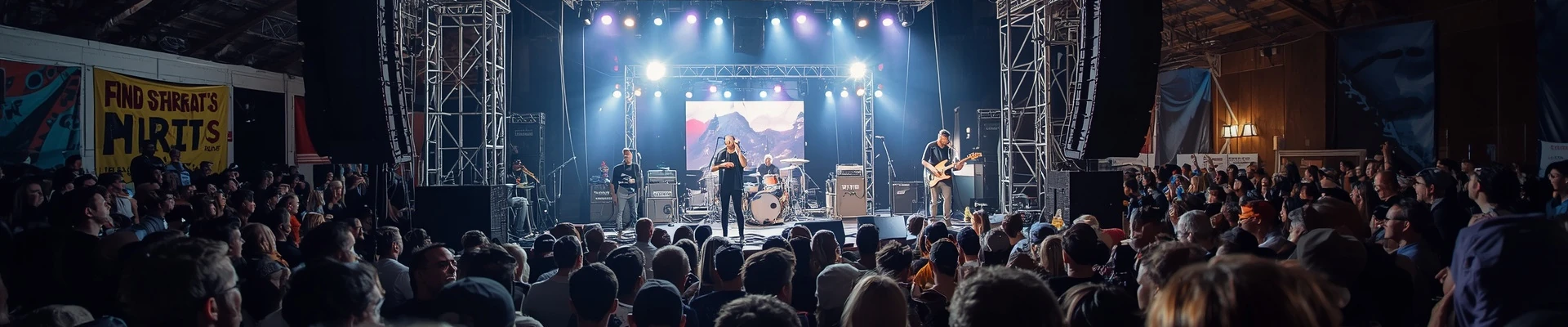
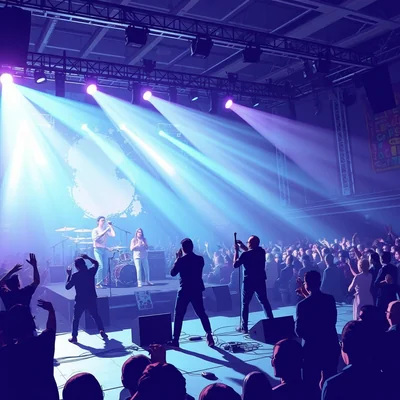
The city's most significant music infrastructure anchor is Toyota Arena (formerly Citizens Business Bank Arena, and before that Citizens Business Bank Arena and The Epicenter) — an 11,000-capacity arena on Fourth Street in the southern part of the city, adjacent to Ontario and hard by the 10 Freeway. Opened in 1999 as part of an economic development initiative, the arena has hosted an extraordinary range of major touring acts over its 25-year history: Taylor Swift, Bruno Mars, Drake, Post Malone, Kendrick Lamar, Bad Bunny, Cardi B, Luis Miguel, Vicente Fernández, Banda MS, Calibre 50, Jay-Z, Kanye West, Beyoncé, The Black Eyed Peas, Metallica, Foo Fighters, Radiohead, Nine Inch Nails, Korn (whose Bakersfield-to-IE trajectory is directly parallel to Rancho Cucamonga's orbit), and dozens of Spanish-language blockbuster acts whose Inland Empire fan bases are among the most loyal in Southern California. For Latin touring acts in particular — both regional Mexican and Latin pop — the arena is one of the primary Southern California stops outside of Staples/Crypto.com and the Rose Bowl, because the Inland Empire's Latino population has the numbers and the purchasing power to fill 11,000 seats for acts that wouldn't fill a Hollywood venue half that size.
The regional Mexican music scene is the most sociologically distinctive element of Rancho Cucamonga's musical culture. The city's large Mexican-American population — concentrated in the western Cucamonga neighborhoods and in the apartment corridors along Foothill Boulevard and Arrow Route — sustains a continuous live scene of banda, norteño, corrido, mariachi, and grupero performance through quinceañeras, weddings, community festivals, and the Mexican restaurant circuit along Foothill. The region around Rancho Cucamonga, Ontario, and Fontana is one of the densest regional Mexican live-music markets in Southern California, and bands like Banda MS, Los Ángeles Azules, and Calibre 50 return repeatedly because the market is deep.
Gospel and R&B have strong roots in the city's Black communities. Several large African American congregations on the east side maintain active choir and musical performance traditions, and the broader IE gospel circuit connects Rancho Cucamonga musicians to Riverside, San Bernardino, and the historically Black communities of Rialto and Colton. The city's R&B and neo-soul underground feeds into the broader Southern California session scene — studio musicians who work Rancho Cucamonga, Ontario, and the Pomona-area studios on a circuit that flows west into Los Angeles.
Punk and hardcore have a footprint through the city's youth culture, connected to the IE's longstanding relationship with skate and surf subcultures. The sprawling suburban landscape — strip malls, parking lots, empty warehouse districts — provided the physical and social conditions for a hardcore scene that includes DIY show spaces in Rancho Cucamonga and neighboring Ontario, and has produced bands that circulate on the Southern California hardcore and punk circuits alongside Pomona's Glass House venue scene.
Venues and neighborhoods
Toyota Arena (formerly Citizens Business Bank Arena) is the city's and region's headline venue — 11,000 capacity on Fourth Street, home to the Ontario Reign (AHL hockey) and the LA Clippers G League affiliate alongside its touring concert schedule. For mid-size to large shows, the arena is the primary Inland Empire option between the Pomona Fox Theater (2,200 seats) and the Staples Center / Kia Forum in Los Angeles.
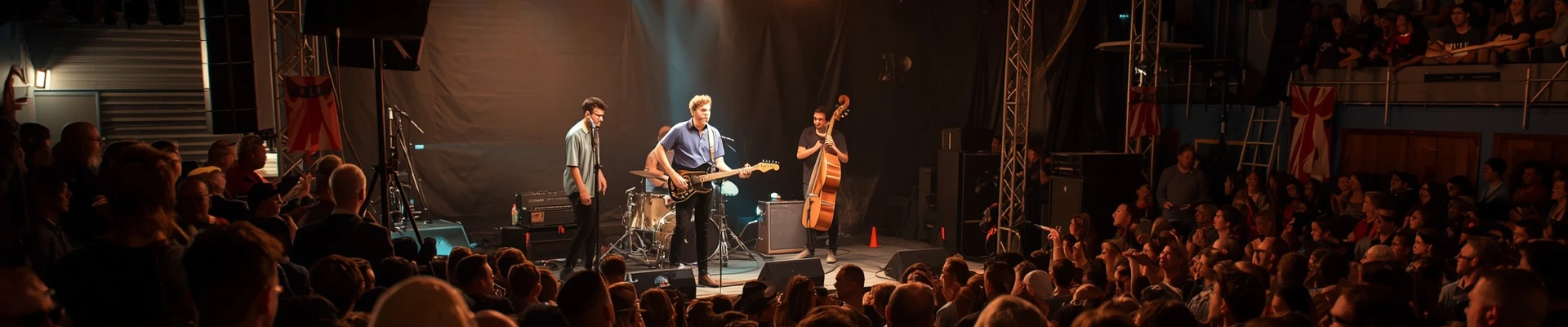
The mid-size and club venue landscape is modest. Upland's Cable Airport area and the Victoria Gardens outdoor mall (in the northeast part of Rancho Cucamonga) have programmed outdoor performance events. The Hood Bar & Pizza in nearby Ontario has been a significant small-venue anchor for the IE hardcore and metal scene. Ponce's Restaurant and several of the Foothill Boulevard Mexican restaurants run live norteño and banda on weekends. The Lewis Family Playhouse (part of the Victoria Gardens Cultural Center, inside the open-air mall) programs community theater and some performing arts events.
The city's neighborhoods reflect its assembled origins: Alta Loma in the north, at the base of the mountain alluvial fans, is the most affluent and architecturally mature area — horse properties and citrus remnants alongside 1980s tract homes. Etiwanda in the east retains some of the historic character of the original agricultural community. Old Town Cucamonga around the historic winery district on Foothill Boulevard has commercial redevelopment. The Fourth Street corridor near the arena and the 10 Freeway is the commercial and entertainment hub. The city's southern portion blends seamlessly with Ontario and is the most working-class and Latino-dominant zone, where the regional Mexican live music scene is most active.
Festivals and signature events
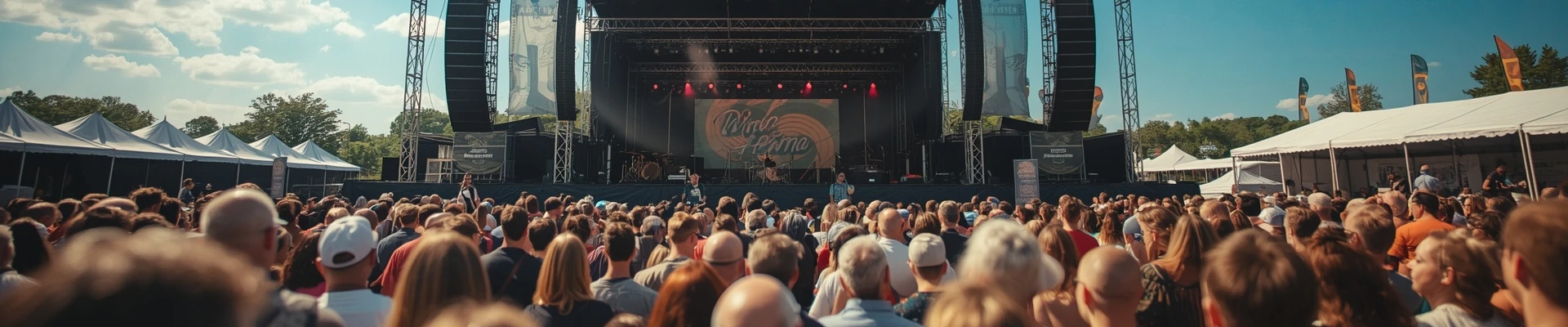
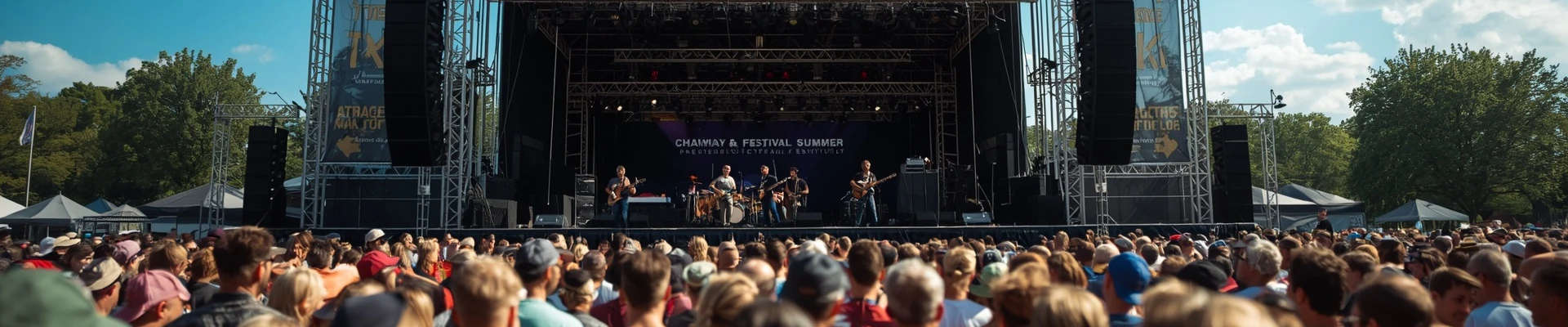
The city's largest recurring event is the Cucamonga Challenge and associated community festivals. The Route 66 Rendezvous — a classic car show and street event held in nearby San Bernardino but with significant Rancho Cucamonga participation — brings rockabilly, country, and classic rock live performance to the Route 66 corridor, connecting Rancho Cucamonga's position on old Foothill Boulevard to the broader IE nostalgia circuit. Victoria Gardens programs outdoor summer concert series events through its cultural center. The Rancho Cucamonga Quakes (Single-A Minor League Baseball) at LoanMart Field programs between-innings entertainment and occasional concert events. The city's Latino communities organize Cinco de Mayo and Fiestas Patrias events with live music along Foothill Boulevard and at community parks. Christmas in the Village at Victoria Gardens has brought holiday concert programming.
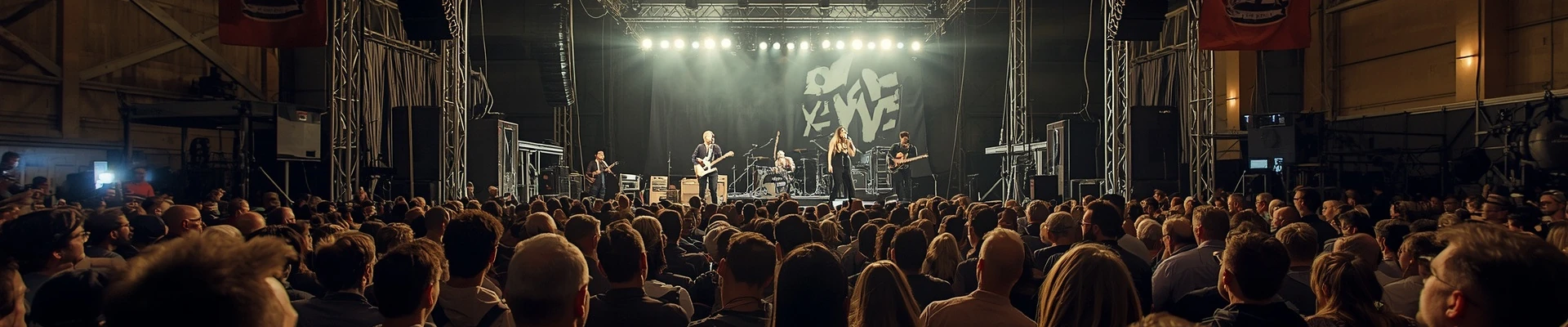
Toyota Arena hosts its own event calendar that functions as the city's de facto major festival infrastructure — arena concert weekends are effectively single-night festivals drawing 8,000–11,000 people from across San Bernardino and Riverside counties.
What ties it all together
Rancho Cucamonga is the Inland Empire in miniature: suburban in form, Latino and multiracial in population, working-class in economic center of gravity, and musically shaped by the collision of West Coast hip-hop, regional Mexican traditions, gospel, and the punk-and-hardcore underground that suburban sprawl always seems to produce. The Toyota Arena is the city's most important cultural export — it gives a region of more than four million people a world-class concert venue that doesn't require navigating Los Angeles, and it has made the Inland Empire's audiences, particularly its massive Latin market, legible to the touring industry in ways that purely club-level infrastructure never could. The old 909 area code that covers Rancho Cucamonga remains a point of regional pride: it marks a specific kind of California experience — not Hollywood, not beachside, not Silicon Valley, but the inland flatlands where the San Gabriels catch the smog coming off Los Angeles, where Route 66 fades into strip malls, and where three generations of immigrant families have built musical lives that travel to arenas, quinceañera ballrooms, church sanctuaries, and backyard stages in equal measure.