
Richmond sits on the eastern shore of San Francisco Bay in Contra Costa County, about 16 kilometres north of Oakland and 24 kilometres northeast of San Francisco. With roughly 110,000 residents, it is the largest city in Contra Costa County — a sprawling East Bay municipality that stretches from the bay's industrial waterfront through flatlands neighbourhoods, across the Richmond Hills, and down to Point Richmond, the city's historic Victorian-era downtown district perched at the bay's edge. The city's industrial waterfront includes one of the largest oil refinery complexes in California (the Chevron Richmond Refinery, a persistent flashpoint in the city's environmental justice politics), the Port of Richmond, and miles of former Kaiser Shipyard infrastructure. The Richmond–San Rafael Bridge connects Richmond directly to Marin County to the northwest, and the Richmond BART station links the city to the broader Bay Area rapid transit network. Richmond's demographics are roughly 40% Latino, 26% Black, 15% white, and 8% Asian — a composition that reflects the successive waves of migration that shaped the city's modern identity, from the Great Migration era through contemporary Central American immigration, and that drive the city's distinct, working-class music culture.
A brief history
The land around present-day Richmond was inhabited by the Ohlone and Coast Miwok peoples before Spanish colonization in the late 18th century. The area developed slowly through the Mexican and early American periods, with Point Richmond establishing as a small Victorian port town in the 1890s after the Santa Fe Railway arrived and positioned the area as a transcontinental terminus. The real transformation came during World War II, when industrialist Henry J. Kaiser built the largest shipbuilding complex in American history on Richmond's waterfront. The Kaiser Shipyards employed more than 100,000 workers at peak production, launching one Liberty ship every four days. The workforce was drawn from across America — African Americans from the Deep South, white migrants from Appalachia and the Midwest, Mexican workers, and women who became the real-life "Rosie the Riveters" celebrated by the wartime imagery. The Rosie the Riveter/World War II Home Front National Historical Park, headquartered in Richmond at the former Ford Assembly Plant, preserves this history and draws visitors from across the world.
After the war, the shipyards closed and Richmond entered a long period of economic decline, population loss, and the concentrated poverty that would define the city through the 1970s, 1980s, and 1990s. The African American community — who had come for wartime work and stayed when the jobs left — built a dense community culture in the Iron Triangle neighbourhood, the North Richmond flats, and along the 23rd Street corridor. Latino migration — first from Mexico, then increasingly from El Salvador, Guatemala, and other Central American countries — built a parallel community in South Richmond and along MacDonald Avenue. Richmond developed a national reputation for violent crime in the 1990s and 2000s, and it is in this context that the city's most influential music emerged: a raw, unpolished hip-hop tradition tied to street experience and survival that produced artists who contributed to the broader Bay Area rap ecosystem.
Music identity
Richmond's most internationally consequential music contribution is its role within the Bay Area hip-hop and rap tradition. The Bay Area produced one of the most distinct American regional rap sounds — hyphy, mob music, the smooth, melodic gangsta rap style of the early Mac Dre era — and Richmond was a significant node in that ecosystem, sitting beside Oakland and Vallejo as the raw, underrepresented East Bay city that fed the broader scene. Spice 1 — one of the most prominent West Coast gangsta rappers of the early 1990s, known for his Richmond and Hayward associations — brought the East Bay grit to national ears. Too Short, though primarily associated with Oakland, spent formative time in the Bay Area rap world that Richmond was part of. More locally, Richmond produced RBL Posse, whose 1992 album Don't Give Me No Bammer Weed was a regional street classic rooted in North Richmond's community.
The most important Richmond hip-hop figure of the contemporary era is Mozzy — though he is primarily Sacramento-based — alongside a generation of East Bay rap artists who traded on Richmond's identity. Philthy Rich (Oakland-rooted but Bay Area-wide), and the broader Thizz Entertainment ecosystem that Mac Dre built in Vallejo, found a receptive audience in Richmond's flatlands. The hyphy movement of the mid-2000s — the Bay Area's answer to crunk, built on ghost-riding, stunna shades, and the music of Mac Dre, E-40, Keak da Sneak, and Federation — was consumed and celebrated as intensely in Richmond as anywhere in the Bay Area.
Richmond also has a substantial Latin music ecosystem. The city's large Mexican, Salvadoran, and Guatemalan communities sustain a continuous circuit of norteño, banda, cumbia, and regional Mexican music through clubs along MacDonald Avenue and the broader Richmond flatlands. Contemporary corridos and Latin trap artists from the Bay Area play regularly to Richmond audiences, and the city's quinceañeras, weddings, and community festivals anchor an informal but vibrant Latin music economy. The Día de los Muertos celebrations along MacDonald Avenue and at Civic Center Plaza draw thousands and feature live Latin music.
Richmond's blues and soul tradition traces back to the post-war African American community. The city's churches were cultural anchors — gospel choirs at First Baptist, New Light Baptist, and a network of Richmond's African American congregations built a tradition of sacred music that fed into secular R&B. The Iron Triangle and North Richmond communities produced informal blues and soul circuits through the 1950s, 1960s, and 1970s, connected to the broader East Bay blues scene centred in Oakland. Eli's Mile High Club in Oakland — the legendary West Coast blues venue — drew from the same community Richmond produced.
Richmond also has an unexpected punk and hardcore thread. Point Richmond's artistic community and the city's proximity to the Berkeley and Oakland DIY scenes produced a small but real punk presence from the 1980s onward. The East Bay punk scene that produced Green Day (Rodeo, just north of Richmond), Rancid (Albany), Operation Ivy, and AFI included Richmond-adjacent communities at its edges, and the 924 Gilman Street collective in Berkeley drew Richmond youth into the broader DIY punk ecosystem.
Venues and neighbourhoods
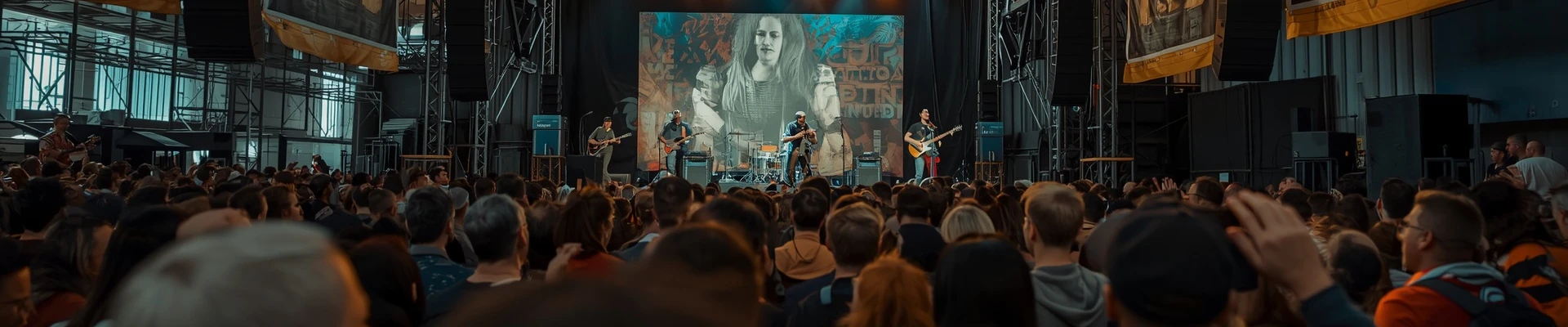
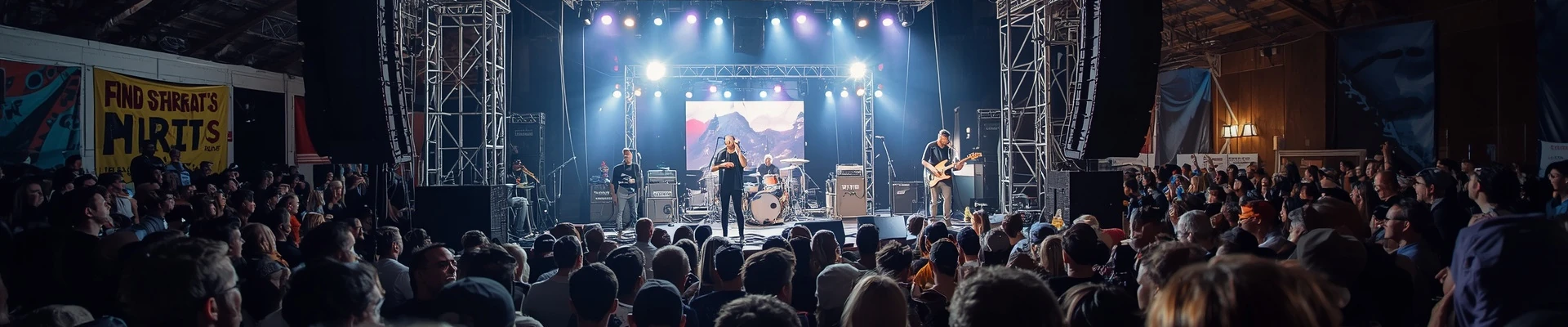
Richmond's live music infrastructure is modest but real. The anchor cultural venue is the Richmond Memorial Auditorium (the historic 3,000-seat civic auditorium used for community events, boxing, and occasional concerts), rebuilt in its current form in the mid-20th century. Craneway Pavilion — a stunning former Ford Assembly Plant building on the Richmond waterfront, part of the Rosie the Riveter park complex — is the city's most architecturally distinctive event space, used for large private events, art exhibitions, and occasional concerts with views directly across the bay to San Francisco. The Richmond Civic Center plaza hosts outdoor community events and the city's festival programming.
The neighbourhood bar and club circuit anchors the city's everyday music life. MacDonald Avenue hosts the Latin music corridor — cantinas, clubs, and restaurants with live norteño, banda, and cumbia on weekends. The Macdonald Avenue Business District stretches through the city's commercial core. Point Richmond — the Victorian-era district at the bay's tip, with its mix of restaurants, bars, and the historic Hotel Mac — supports a small live music circuit in a more upscale, neighbourhood-bar format. The Iron Triangle neighbourhood, bounded by Cutting, Macdonald, and the railroad tracks, is the city's historically African American cultural core. North Richmond — technically an unincorporated Contra Costa County pocket adjacent to the city — extends the community north of the city limits.
The proximity of Berkeley (15 km south), Oakland (16 km south), and San Francisco (24 km southwest via BART) means Richmond music fans access a full concert ecosystem through those cities. The Fox Theater in Oakland, The Warfield and The Fillmore in San Francisco, Slims (now closed), Berkeley's Greek Theatre, Outside Lands at Golden Gate Park, and a full range of Bay Area clubs are within easy reach.
Festivals and signature events
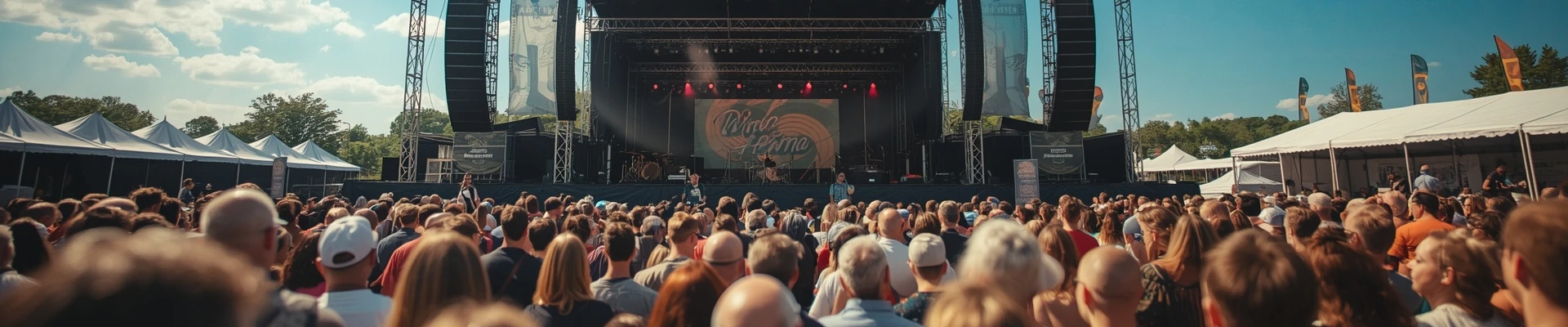
Richmond's festival calendar reflects the city's working-class, multicultural identity. The Richmond World Festival — the city's largest annual community gathering, held at Civic Center Plaza — celebrates the city's international diversity with music from Latin America, West Africa, South and Southeast Asia, and the African American tradition; it is one of the most genuinely multicultural community festivals in the Bay Area. Cinco de Mayo celebrations along MacDonald Avenue draw crowds with live norteño and banda. Día de los Muertos at Civic Center Plaza is one of the most elaborate in the East Bay. Juneteenth celebrations in the Iron Triangle anchor the African American calendar. The Richmond Art Center programs music alongside visual arts events. The Rosie the Riveter commemoration events in the spring bring public programming including music, speakers, and historical re-enactment to the waterfront park.
The Point Richmond Holiday Tree Lighting and neighbourhood events at Hotel Mac give the Victorian district its own smaller-scale community music moments. The Richmond Makers Market and waterfront events at Marina Bay anchor the emerging arts and creative economy on the south waterfront.
What ties it all together
Richmond's musical signature is the sound of the overlooked East Bay — the raw, unpolished hip-hop that grew out of the Iron Triangle and North Richmond when Oakland was getting the attention; the norteño and banda that fills the cantinas along MacDonald on a Friday night; the gospel that has anchored the African American community since the wartime shipyard migration; and the punk and DIY spirit that flows south from Rodeo and east from Berkeley. Richmond is a city that has been defined by successive waves of labour migration — the Ohlone dispossession, the Southern Pacific and Santa Fe rail workers, the WWII Kaiser shipyard migrants, the post-war Mexican and Central American arrivals — and each wave left a musical deposit. The Rosie the Riveter history is the city's most famous cultural export; the hip-hop and Latin music scenes are its living ones. Richmond is not a city that makes glossy music industry records — it makes music for its own people, and that specificity is its most authentic quality.