


Salinas sits at the northern end of the Salinas Valley in Monterey County, roughly 113 kilometres south of San Jose and 19 kilometres inland from the Pacific Ocean at Monterey Bay. With approximately 157,000 residents, it is the largest city in Monterey County and the commercial hub of one of the most productive agricultural regions on earth — the valley floor is often called the "salad bowl of the world" for its lettuce, spinach, broccoli, artichokes, and strawberries that feed much of North America year-round. The city is overwhelmingly Latino (around 74% Hispanic), majority working-class, and deeply shaped by the rhythms of agricultural labour and the Mexican, Central American, and Filipino communities that have sustained that labour for generations. Salinas is also the birthplace of Nobel laureate John Steinbeck, whose novels Of Mice and Men, East of Eden, and The Grapes of Wrath drew this valley's fields, labour camps, and people onto the world's literary map. But if the literary world knows Salinas through Steinbeck, the music world knows it — increasingly — through reggae.
A brief history
The Salinas Valley was Esselen and Costanoan (Ohlone) territory long before the Spanish mission system of the late 18th century reorganized the central California coast. Rancho Sausal and Rancho Nacional were among the large land grants that structured the valley economy under Mexican rule; after California statehood in 1850, Anglo-American settlers took control of the prime land and established Salinas as the county seat of the new Monterey County in 1872. The city was incorporated in 1874, and its fate became inseparable from the agricultural economy of the valley floor. The Southern Pacific Railroad arrived in 1872 and immediately made Salinas the primary shipping point for valley produce — a role the city's logistics infrastructure still plays today via US-101, US-68, and the regional freight network.
The labour history of the Salinas Valley is among the most contested in California. The 1936 Salinas lettuce strike — depicted in part in Steinbeck's contemporaneous journalism and fiction — pitted growers and the Associated Farmers against the Fruit and Vegetable Workers Union in a confrontation that drew national attention. Mexican bracero workers arrived in large numbers during World War II and stayed; subsequent generations of Mexican and Central American migrants built the city's majority population. The Filipino community, which had been present since the 1920s through the Alaskero and farmworker migration, established deep roots in the Chinatown and Soledad Street corridors. The city's social geography — shaped by redlining, agricultural contracting, and the constant in-migration of farmworker families — produced neighbourhoods like the Alisal (east Salinas) that are both economically underserved and culturally vibrant.
Music identity
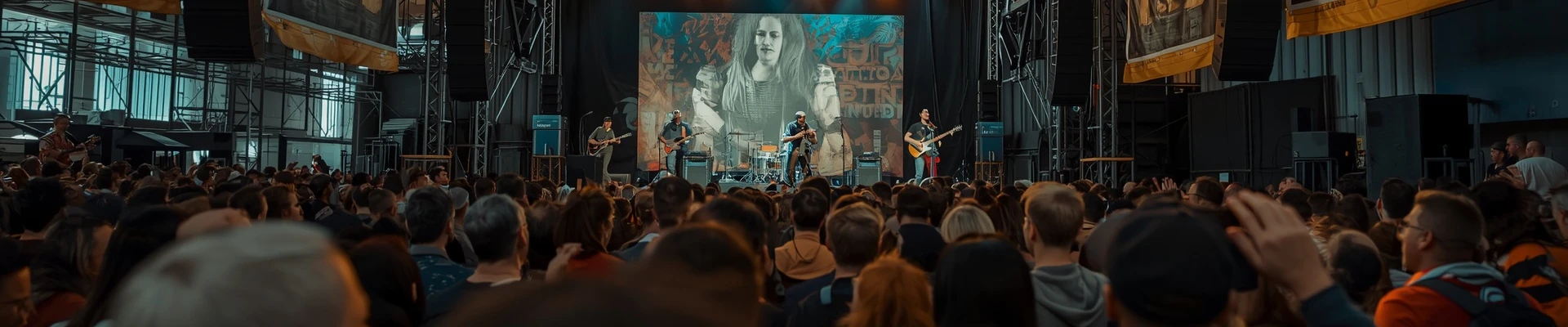
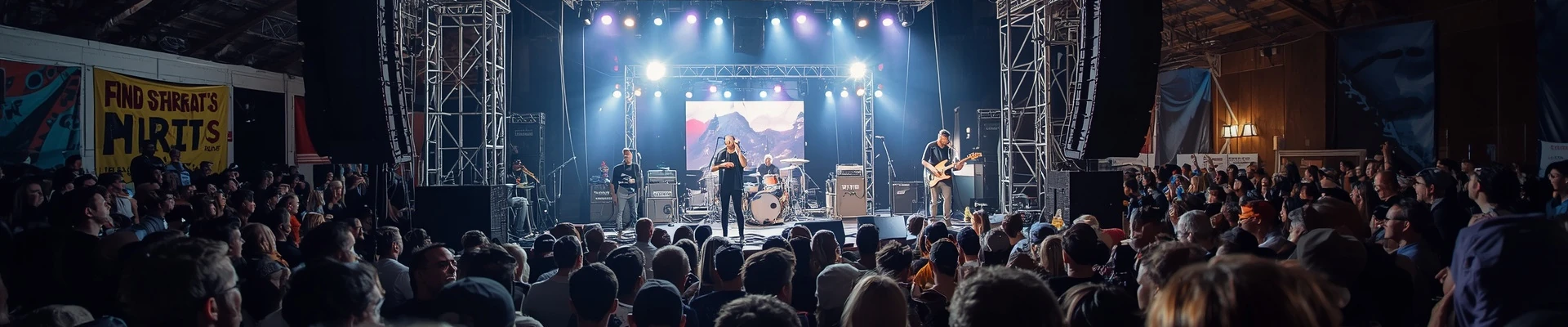
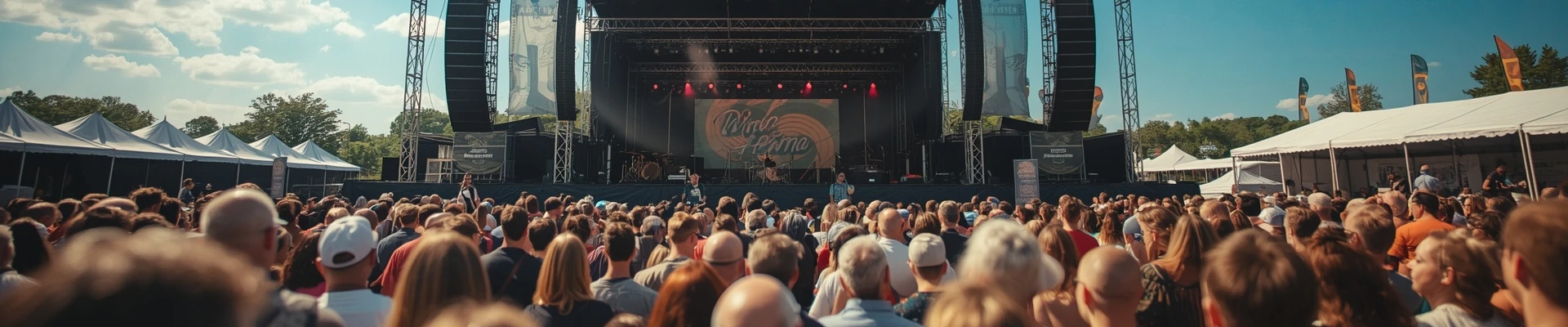
Salinas's most consequential contribution to global music culture is a festival rather than a single artist. The California Roots Music and Arts Festival, held annually at the Salinas Sports Complex each Memorial Day weekend since 2010, has become the world's largest dedicated reggae festival by attendance — drawing upwards of 30,000 fans over multiple days to a city of 157,000. The festival's founders, promoters Shane Cohl and Michael Pappas, chose Salinas for its central California geography and outdoor venue capacity, and the event has grown into a genuine international pilgrimage. Headliners across its history have included Damian "Jr. Gong" Marley, Ziggy Marley, Collie Buddz, Rebelution, Steel Pulse, Groundation, SOJA, Slightly Stoopid, Stick Figure, Fortunate Youth, and dozens more. That a city with no historical Jamaican population hosts the world's most important reggae festival is one of the more improbable facts in American music geography — and it has created a genuine year-round reggae infrastructure in Salinas, with roots music popping up in venues and neighbourhoods far beyond festival weekend.
The deeper and older musical heartbeat of Salinas, however, is Chicano and regional Mexican music. The Alisal district and the broader east Salinas corridor sustain a continuous ecosystem of norteño, banda sinaloense, corridos, and cumbia — the weekend dances and quinceañeras that fill the Alisal Community Center, the La Posada Ballroom, and a circuit of clubs and halls that rarely appear in English-language press. The corrido tradition runs especially deep: Salinas and its surrounding communities are referenced directly in corridors written by artists from Michoacán, Sinaloa, and Jalisco, reflecting the specific migration chains that link valley farmworker towns to particular Mexican sending communities. Regional Mexican radio — anchored by stations like KSES (La Campesina) and KCDB — provides the cultural infrastructure that the English-language music press largely ignores.
Chicano hip-hop in Salinas has produced some notable voices. Rapper Sen Dog of Cypress Hill was born in Havana and raised partly in the Los Angeles area, but Salinas has its own West Coast rap lineage running through artists connected to the city's Black and Latino communities. The Eastside Salinas and Alisal neighbourhoods have nurtured a succession of local rappers who operate within the Chicano hip-hop tradition — lyrical content drawing on farmworker family backgrounds, street life, pride in place, and the bilingual code-switching that marks Mexican-American California — releasing mixtapes and projects through regional distribution and, increasingly, streaming platforms. The Salinas sound in this genre is broadly aligned with the Central Coast style of Fresno, Stockton, and Modesto rather than the Bay Area — harder, more stripped-back, more directly connected to the corrido tradition than to hyphy.
Oldies and Chicano soul run as a cultural constant through Salinas. The lowrider culture of the Alisal — a direct extension of East Los Angeles lowrider aesthetics transplanted to the Central Coast — is inseparable from its soundtrack: the Chicano oldies canon (doo-wop groups, 1950s–70s R&B, and slow-jam ballads) that provide the acoustic backdrop for car shows, neighbourhood gatherings, and weekend cruises. Groups like Malo (the San Francisco Chicano rock band whose Suavecito became a defining lowrider anthem), War, Tierra, El Chicano, and Thee Midniters are foundational references.
Country music runs through Salinas in ways that reflect the city's proximity to the broader Central Valley country tradition. The Bakersfield Sound — developed by Buck Owens and Merle Haggard 200 kilometres south — has always drawn deeply on the agricultural worker communities of the valley, and Salinas sits squarely within that cultural geography. Country bars and the Monterey County Fair circuit sustain a working-class country scene that doesn't make music press but packs rooms reliably.
Venues and neighbourhoods
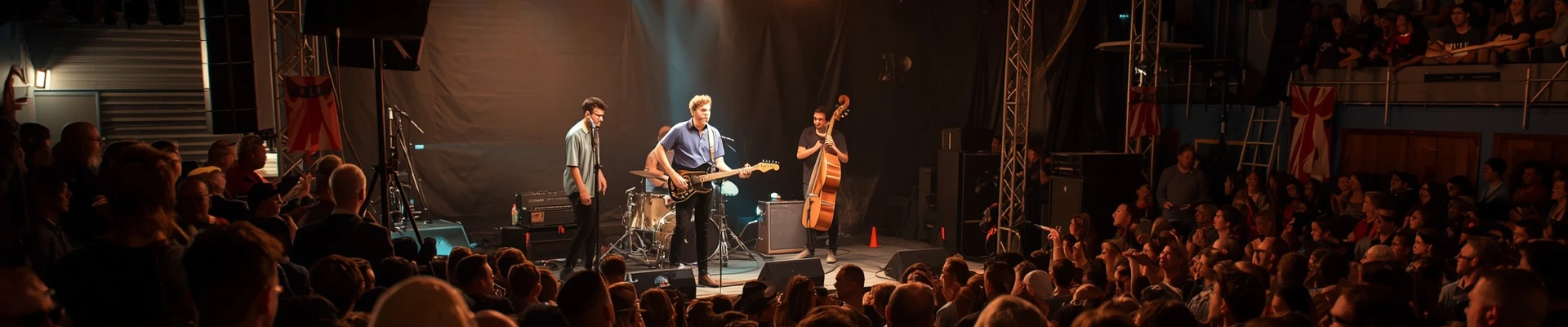
Salinas is not a large venue city — its size and demographics don't support major-arena touring infrastructure — but its club and community venue ecosystem is denser than outsiders expect. The Fox Theater Salinas, a 1921 Spanish Baroque movie palace that underwent a multi-decade restoration and reopened in recent years, is the city's most architecturally significant performance space and anchors the downtown arts district around Main Street. The Sands on Laurel Avenue has served as a mid-size rock and alternative venue for local and regional acts. The Sherwood Hall (the city's civic auditorium) handles larger community events. Downtown Salinas — particularly the Main Street Arts District, which has benefited from cultural investment tied to the National Steinbeck Center — hosts gallery-adjacent shows and smaller acoustic events.
The Alisal district in east Salinas is the cultural heart of the city's Latino music scene: quinceañeras, dances, car shows, and informal gatherings sustain the norteño, banda, and oldies ecosystems largely outside formal venue structures. The Chinatown district — one of the older Filipino-American heritage corridors in California — once hosted a dense network of bars and social clubs; the physical infrastructure has declined but cultural memory persists in community organisations and annual festivals.
For the California Roots festival, the Salinas Sports Complex (a multi-field park on North Main Street) transforms annually into the world's biggest reggae gathering, with multiple stages, camping, and a vendor city that temporarily makes Salinas a destination for international music travellers.
Festivals and events
Beyond California Roots, Salinas runs an annual event calendar shaped by its agricultural and civic identity. The California International Airshow draws large crowds to the city each autumn. The Steinbeck Festival, organised by the National Steinbeck Center, connects the city to its literary heritage with readings, discussions, and performances. The Salinas Valley Fair in nearby King City and the Monterey County Fair on the Salinas fairgrounds both feature live music stages that lean heavily into country, regional Mexican, and oldies programming. The Jalisco Mexican Festival and community celebrations around Día de los Muertos and Cinco de Mayo fill the Alisal with outdoor performances and DJ sets.
What ties it all together
Salinas is a city whose music scene is more internally coherent than externally visible. The same working-class Latino community that built the city's agricultural economy also built its musical world: corridos about real people in real valley towns, oldies soundtracking lowrider culture on the Alisal, norteño dances running every weekend in halls that don't have websites or booking agents. That world intersects improbably with the world's biggest reggae festival — a convergence that makes Salinas unique among California cities of its size. Between the California Roots festival's international pull and the dense Chicano music ecosystem of east Salinas, the city sustains a musical identity that is both hyperlocal and globally connected. Steinbeck wrote the dispossessed of this valley into literature; the music they and their descendants made is still playing.