
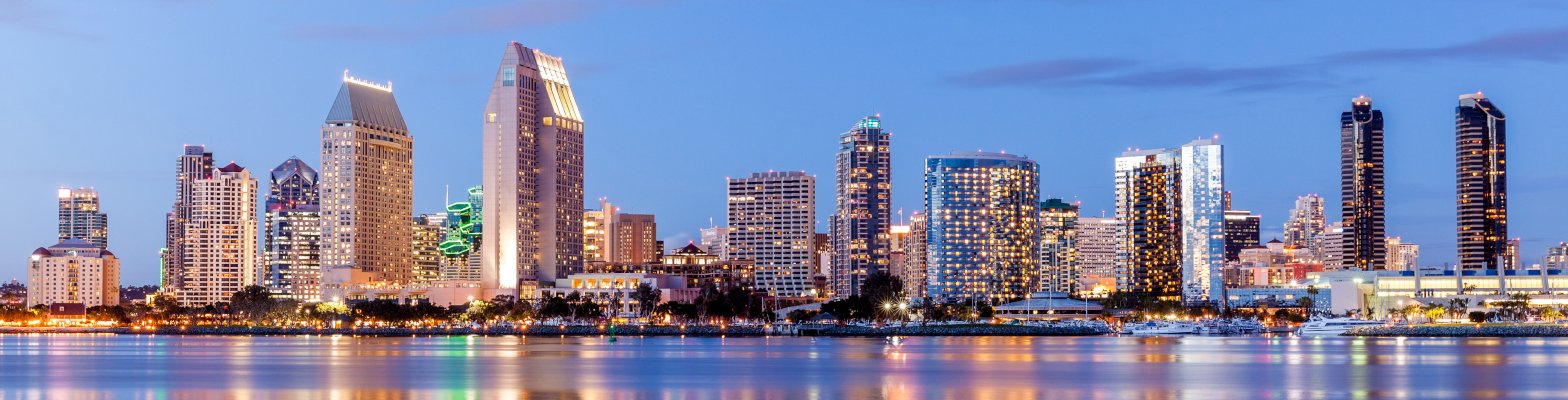
San Diego is the second-largest city in California and the eighth-largest in the United States, with roughly 1.4 million residents inside the city limits and more than 3.3 million across the surrounding county, which stretches from the Pacific Ocean to the Anza-Borrego Desert and south to the U.S.–Mexico border. Tucked between the Pacific, the Cuyamaca and Laguna mountain ranges, and the Tijuana border crossing — the busiest land border on earth — San Diego is at once a beach town, a Navy port, a biotech corridor, and the U.S. half of one of the largest binational metropolitan areas in the world. Its musical identity reflects all of that: a beach-town pop-punk and surf-rock heritage, a deeply Mexican-American and binational Latin scene, a long history of Black and Filipino music in the southern neighborhoods, and a serious post-hardcore and indie tradition that punched far above the city's size in the 1990s and 2000s.
A brief history
The Kumeyaay people lived around San Diego Bay for at least 10,000 years before Spanish explorers arrived in 1542. The Mission San Diego de Alcalá, founded in 1769, was the first of the 21 Spanish missions in California. The territory passed from Spain to Mexico in 1821 and to the United States in 1848. The arrival of the Santa Fe Railroad in 1885 and the U.S. Navy's expansion of its Pacific operations through the 20th century — culminating in Naval Base San Diego, Naval Air Station North Island, and Marine Corps Base Camp Pendleton to the north — turned the city into one of the largest military hubs in the country. Postwar suburban growth, the rise of UC San Diego and the biotech industry around La Jolla, and steady migration from Mexico, the Philippines, Vietnam, Korea, and East Africa have built a city that is roughly one-third Hispanic or Latino, with very large Filipino, Vietnamese, and Somali communities, and a culture that runs continuously across the border into Tijuana.
Music identity
San Diego's most internationally famous musical chapter is the pop-punk and ska-punk wave of the 1990s and early 2000s. Blink-182, formed in Poway in 1992 by Mark Hoppus, Tom DeLonge, and Scott Raynor (later replaced by Travis Barker), built one of the most commercially successful rock catalogs of its era out of San Diego garages and clubs. Unwritten Law, Sprung Monkey, Buck-O-Nine, Slightly Stoopid, Switchfoot (raised in San Diego and still based there), and P.O.D., all came up through the same circuit of all-ages venues, surf shops, and skate parks across North County, La Mesa, and South Bay. Jason Mraz, a Virginia transplant, broke out of San Diego coffeehouses in the early 2000s on his way to global pop success. Pierce the Veil carried the post-hardcore lineage from the 2010s into the present.
San Diego's most influential underground chapter, however, is its post-hardcore and screamo scene. Drive Like Jehu, Heavens to Betsy (briefly), Pitchfork (the band, not the publication), Three Mile Pilot, Antioch Arrow, Heroin, Clikatat Ikatowi, Mohinder, Swing Kids, Locust, and the related GSL (Gold Standard Laboratories) and Three One G records rosters built one of the most influential late-1990s and early-2000s underground guitar scenes in the United States, and directly seeded what came to be called screamo, noisecore, and mathcore. Rocket from the Crypt, the John Reis–led group that grew out of Pitchfork, broke into mainstream alt-rock with their horn-driven garage-punk; Reis's later projects (Hot Snakes, the Sultans, the Night Marchers) continued the lineage. Stone Temple Pilots, formed in San Diego in 1989, became one of the biggest hard-rock bands of the early 1990s. Iron Butterfly's "In-A-Gadda-Da-Vida"–era lineup recorded in San Diego in the late 1960s.
San Diego is also a serious Latin music city. Its proximity to Tijuana — and the long, continuous binational community spanning San Ysidro, Chula Vista, Imperial Beach, and the Tijuana neighborhoods just south — has made it a hub for norteño, banda, regional Mexican, mariachi, and increasingly corridos tumbados. Lupillo and Jenni Rivera's family ties to the broader San Diego–Long Beach corridor, the rise of the Tijuana movimiento alterado scene, the cross-border careers of artists like Larry Hernández and Calibre 50, and a thriving Tijuana indie and electronic scene led by Nortec Collective (Bostich + Fussible) and the Mexrrissey lineage all sit at the heart of greater San Diego's musical ecosystem. Spanish-language radio dominates much of the dial, and Latin programming fills venues across the South Bay and East County. Reggaeton, Latin trap, and bachata circuits have boomed through clubs in National City, Chula Vista, and downtown.
The city's other communities have their own deep scenes. The Filipino-American music scene, anchored by one of the largest Filipino populations in the United States in National City, Mira Mesa, Paradise Hills, and Chula Vista, has produced a long lineage of R&B, hip-hop, and pop artists including the Black Eyed Peas' apl.de.ap (San Diego–raised in part) and a deep DJ and turntablist tradition. Jazz has homes at Dizzy's (which closed and reopened over the years), Croce's in the Gaslamp Quarter, the Westgate Hotel, and the La Jolla Athenaeum's programming; Anthony Davis and a deep UC San Diego avant-garde tradition have kept experimental jazz and contemporary classical alive. Indie rock continues through bands like the Album Leaf, Wavves (originally San Diego–based), Crocodiles, Soft Pack, the Donkeys, and a current generation of bands working out of North Park, City Heights, and Barrio Logan. Reggae has a long San Diego lineage through Slightly Stoopid and the broader Sun God / Cali roots-reggae circuit.
Venues and neighborhoods
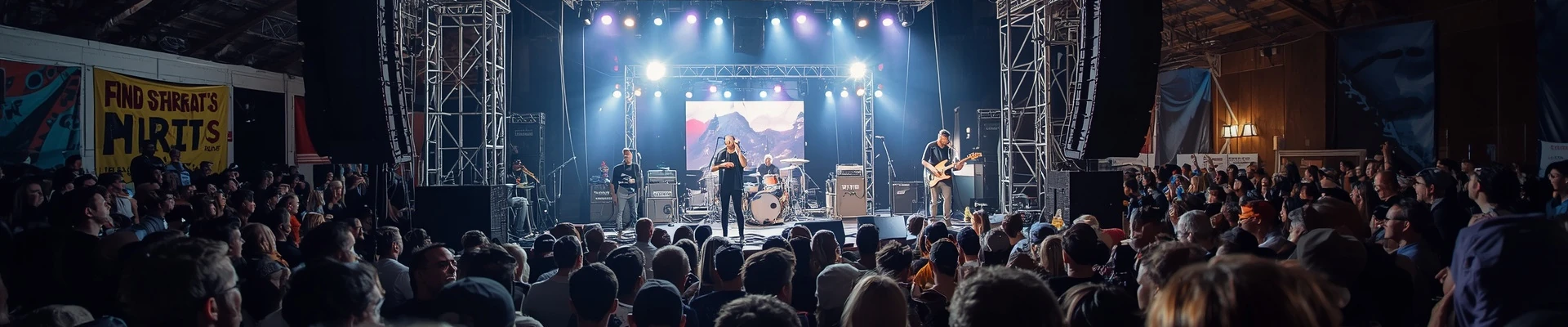
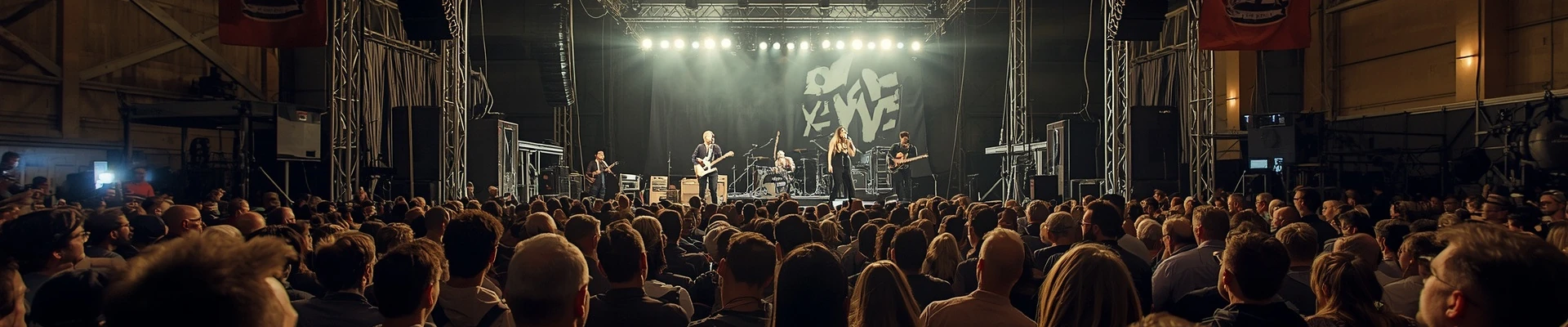
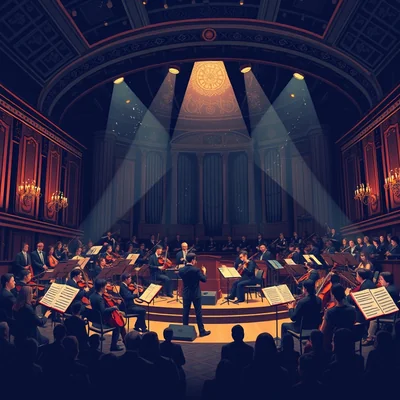
San Diego's venue ecosystem is well-developed. At the top sit Petco Park (which doubles as a major concert venue), Snapdragon Stadium at SDSU, Pechanga Arena San Diego (formerly the San Diego Sports Arena), North Island Credit Union Amphitheatre in Chula Vista, the Cal Coast Credit Union Open Air Theatre at SDSU, the San Diego Civic Theatre, the Balboa Theatre, and the Copley Symphony Hall (home of the San Diego Symphony). The midsize tier includes House of Blues San Diego, the Observatory North Park, Humphreys Concerts by the Bay on Shelter Island, the Belly Up Tavern in Solana Beach (one of the most respected club rooms on the West Coast), the Music Box downtown, the SOMA, and Magnolia in El Cajon. Beneath them is a deep club layer — Casbah (the heart of San Diego indie since 1989), Soda Bar, Til-Two Club, Brick by Brick, the Merrow, Whistle Stop, the Loft at UCSD, Che Café at UCSD (a long-running all-ages DIY space), and a network of bars and warehouse rooms across North Park, South Park, City Heights, and Barrio Logan. Latin music has homes at clubs across National City, Chula Vista, and downtown, and at the South Bay dance halls and ballrooms.
Different neighborhoods carry different musical identities. North Park, South Park, Hillcrest, and University Heights anchor the indie rock and DIY scenes. Barrio Logan, the historic Mexican-American neighborhood south of downtown, hosts a vibrant Chicano arts scene through Chicano Park, the Bread & Salt gallery, and a circuit of Latin and indie venues. Pacific Beach, Ocean Beach, and Mission Beach keep the surf, reggae, and beach-rock traditions alive. Encinitas, Carlsbad, Oceanside, and the broader North County coast are core to the pop-punk and ska-punk lineage of the 1990s and to the modern surf-rock and singer-songwriter circuit. City Heights, El Cajon, and the East County support large East African, Vietnamese, and Mexican-American communities with their own venues and recording communities. Chula Vista, National City, and the South Bay anchor much of the regional Mexican, banda, and Latin urban scene. La Jolla and UCSD anchor the contemporary classical, experimental, and jazz traditions.
Festivals and signature events
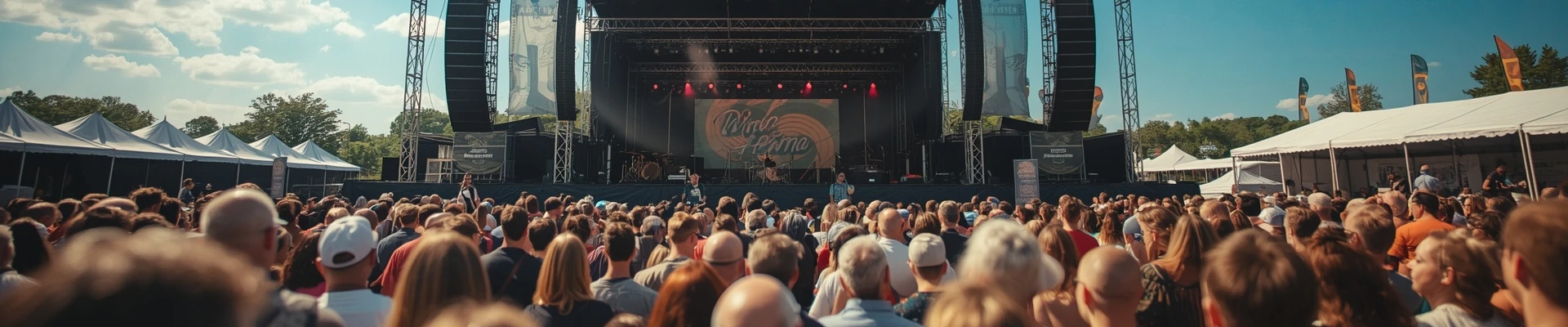
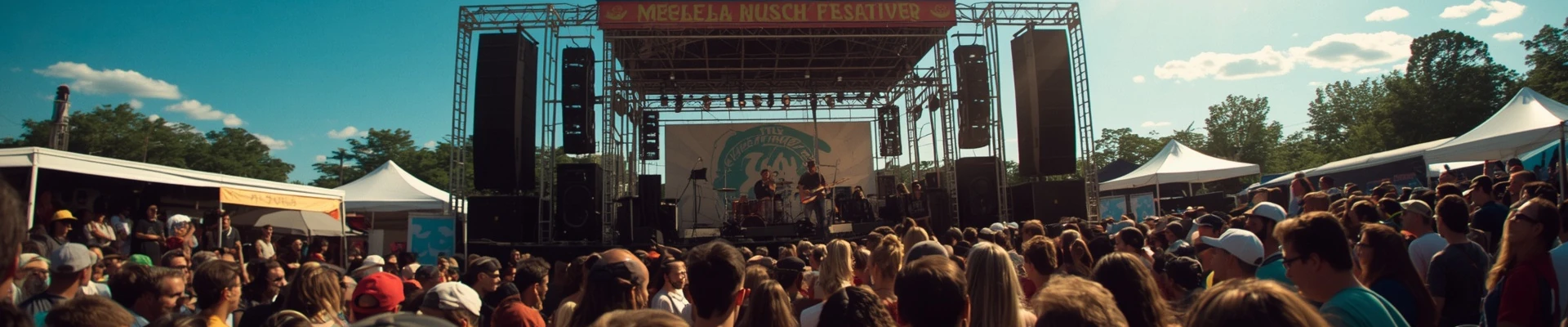
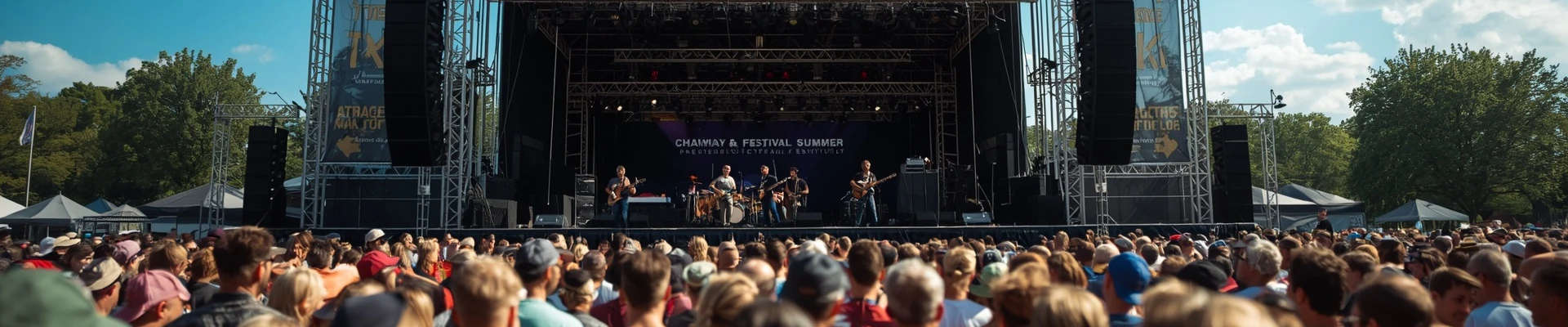
The festival calendar reflects the city's range. KAABOO Del Mar (in its various incarnations) and CRSSD Festival at Waterfront Park have been the city's flagship multi-genre and electronic events. Wonderfront Music & Arts Festival along the downtown waterfront draws major rock, pop, and indie acts each fall. Sabroso Craft Beer, Taco & Music Festival in Dana Point (and its San Diego counterparts) keeps the Latin alternative and ska-punk circuit running. Comic-Con International's music programming, San Diego Symphony's Bayside Summer Nights at the Rady Shell on the bay, La Jolla Concerts by the Sea in Scripps Park, Adams Avenue Street Fair and Adams Avenue Unplugged, and Festival of Beer's music programming add free and community programming. Latin events anchor the Fiestas Patrias Mexican Independence Day celebrations across South Bay and Old Town, Cinco de Mayo in Old Town, Día de los Muertos at Sherman Heights and Old Town, and Festival del Mar. San Diego Pride is one of the largest Pride festivals on the West Coast and includes a major music programming track. Powwow events at Sycuan, Barona, and Viejas keep Indigenous music alive. Punk Rock Bowling's San Diego–area editions, Sabor Latino Festival, Filipino American Arts & Cultural Festival, and Africa Festival round out the calendar.
What ties it all together is the city's combination of beach culture, military presence, university research, and continuous binational community with Tijuana. San Diego is at once a pop-punk hometown for some of the most-streamed bands of the past 30 years, an underground post-hardcore capital whose influence runs through screamo and mathcore worldwide, and a deeply Latin city whose music dial and dance halls share a metropolitan area with one of the great cities of Mexico just across the fence.