
San Mateo sits at the geographic heart of the San Francisco Peninsula, roughly 32 kilometres south of downtown San Francisco and 48 kilometres north of San Jose, cradled between the western shore of the San Francisco Bay and the wooded foothills of the Santa Cruz Mountains. With approximately 103,500 residents, it is the county seat of San Mateo County — one of the wealthiest counties in the United States — and the largest city on the Peninsula between its two famous neighbours. The city's terrain is flat along the bayshore and rises gently to the west into residential hillside neighbourhoods with views across the Bay toward the East Bay hills. Caltrain and BART (via the Millbrae connection) knit San Mateo tightly into the broader Bay Area transit grid, making it simultaneously a self-contained suburb and a satellite of San Francisco's cultural ecosystem.
The local economy reflects the Peninsula's dominant industry: San Mateo hosts the headquarters of SoFi Technologies, Rakuten Americas, Synopsys, Franklin Templeton, and dozens of mid-size fintech, biotech, and software companies. The city is also home to the College of San Mateo, one of the oldest community colleges in California, and sits in the immediate orbit of Silicon Valley's major campuses — YouTube's global headquarters in San Bruno is a short drive north, and the Facebook/Meta campus in Menlo Park is 20 kilometres south. This concentration of tech wealth has made San Mateo one of the most expensive housing markets in the country, reshaping the demographics of the Peninsula over recent decades while sustaining a consumer economy that supports restaurants, arts venues, and entertainment at a level well above a city of its size.
A brief history
The land was Ohlone territory for thousands of years before the Spanish established Rancho San Mateo as part of the colonial mission system in the early 19th century. American settlement accelerated after the Gold Rush, and in 1863 the San Francisco and San Jose Railroad — the first railroad in California — opened its line through San Mateo, transforming it from an agricultural outpost into a sought-after suburban retreat for San Francisco's wealthy merchant class. Victorian-era estates, some of which survive today as parks and landmark buildings, dotted the Peninsula hills. The city incorporated in 1894 and grew steadily through the 20th century as the Bay Area suburbanised after World War II. The postwar decades brought substantial Filipino, Japanese, and Chinese immigration, followed by waves of Latin American immigration from the 1970s onward, and most recently South and East Asian tech workers. Today San Mateo is one of the most ethnically diverse cities on the Peninsula, with substantial Filipino (the largest Asian subgroup), Chinese, Indian, and Hispanic/Latino communities.
Music identity
San Mateo's most internationally significant musical contribution sits at an unexpected intersection: the city is the birthplace of Metallica's founding bassist Ron McGovney and was part of the early-1980s Peninsula metal circuit that fed into the Bay Area thrash explosion — Metallica formed in Los Angeles in 1981 but quickly relocated to the Bay Area, spending formative rehearsal time in San Francisco and the Peninsula before the classic lineup settled in the East Bay. More directly, San Mateo was home to Journey guitarist Neal Schon in his formative years, and the Peninsula has long been a residential base for Bay Area rock musicians whose careers centred on San Francisco proper.
The deeper musical thread runs through jazz. San Mateo has historically been home to a disproportionate number of jazz musicians relative to its size — a pattern common to Bay Area suburbs whose proximity to San Francisco's post-war jazz clubs, record stores, and university music programs made them natural incubators. Dave Brubeck, one of the most consequential American jazz pianists of the 20th century, spent significant time on the Peninsula and maintained deep ties to the San Francisco Bay Area throughout his career. The Peninsula Jazz Festival and the broader network of jazz clubs in the region gave local players venues to develop and connect.
The city's Filipino-American community has sustained one of the most active OPM (Original Pilipino Music) and Filipino-American pop and hip-hop scenes in the continental United States. San Mateo County has the largest Filipino population of any county in California outside Los Angeles, and the concentration is particularly dense in San Mateo, Daly City, and the northern Peninsula. Filipino cultural centres, community events, and informal gathering spaces support a continuous circuit of OPM covers, hip-hop in Filipino/Filipino-American styles (influenced by the long Bay Area Filipino hip-hop tradition — Fil-Am MCs have been a force in Bay Area rap since the 1990s), bandcamp pop, and traditional kulintang and rondalla performance. Artists like Ruby Ibarra (the Filipino-American rapper from Union City) and the broader Bay Area Fil-Am hip-hop movement have roots in this community.
San Mateo's indie and alternative scene is modest but genuine. The city has contributed to the Peninsula's small but resilient network of DIY venues, practice spaces, and community arts organisations. Café on the Square and other local cafes have historically programmed acoustic and folk artists. The Flood Building arts district conversation and various live-work spaces have supported visual arts that crossover into music events.
Latin music runs through the city's substantial Hispanic community — primarily Mexican-American with Central American and other Latin American communities — sustaining cumbia, norteño, banda, salsa, and contemporary reggaeton and Latin pop through bars, quinceañera circuits, and community events along El Camino Real and in the South Shoreview and North Central neighbourhoods.
Gospel and R&B run through the city's Black church community, smaller than the Fil-Am and Hispanic communities but sustained through a network of congregations. The city's proximity to East Palo Alto — historically the most significant Black community on the Peninsula — connects San Mateo to a deeper Peninsula R&B and hip-hop tradition.
Venues and neighbourhoods
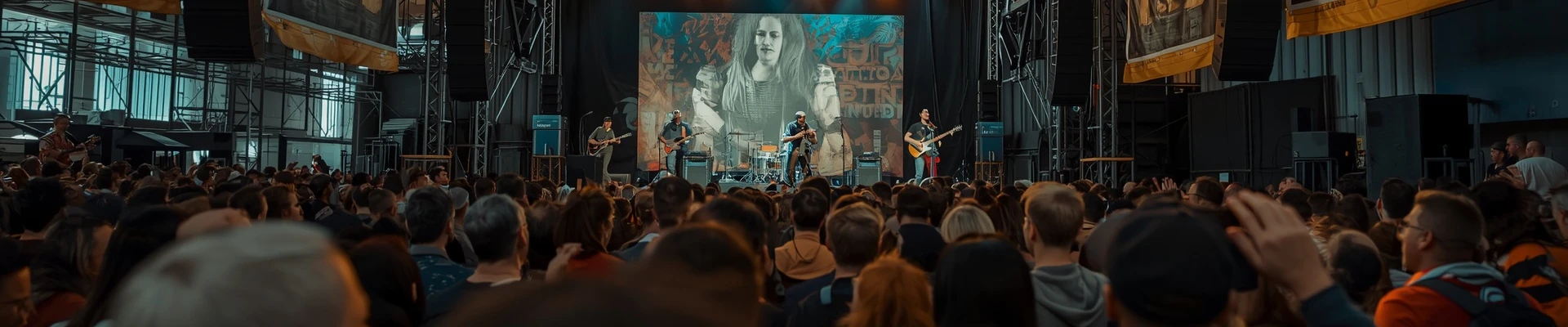
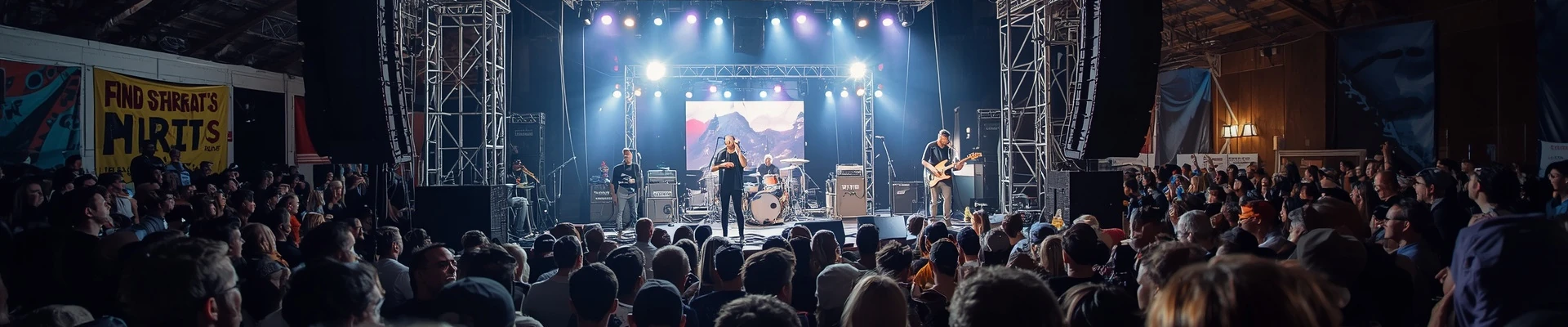
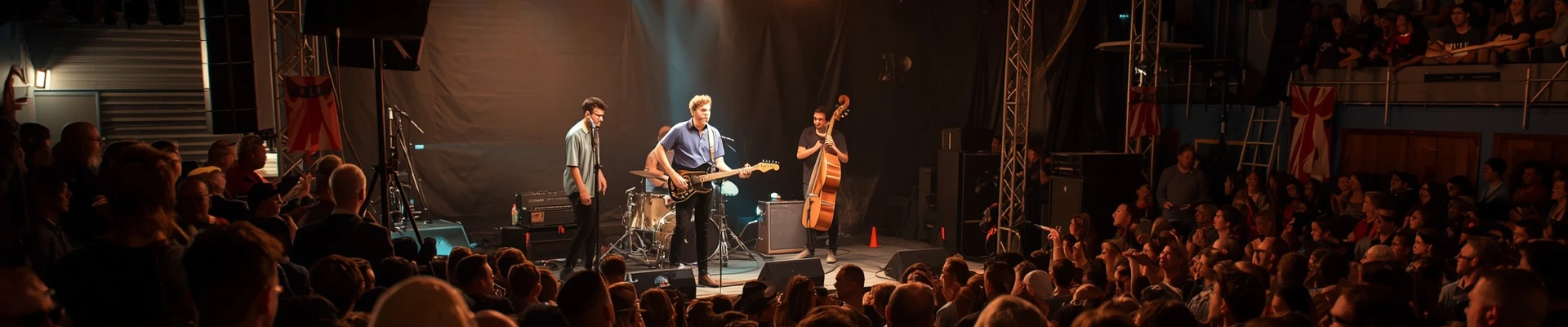
The flagship performing arts venue is the Fox Theatre on Third Avenue downtown — a 1929 Spanish Colonial Revival cinema converted into a 550-capacity live music venue that has become the anchor of San Mateo's arts scene. The Fox programs indie rock, soul, roots, jazz, comedy, and touring singer-songwriters, and its renovation and revival as a music venue in the 2010s gave the city a properly sized room for mid-size national and regional touring acts. Arts on the Ave and the broader Third Avenue entertainment corridor form the city's most concentrated live music district, with restaurants, bars, and the Fox clustered within walking distance.
The San Mateo Performing Arts Center at College of San Mateo hosts classical, choral, and theatrical performances, and the college's music program contributes to the local arts ecosystem. Hillsdale Shopping Center and adjacent commercial corridors host outdoor concerts and community events. The Coyote Point Recreation Area on the Bay waterfront has hosted outdoor festivals and summer concerts.
The downtown core along B Street and Third Avenue anchors the live music bar scene — a mix of wine bars with acoustic sets, gastropubs with weekend bands, and casual restaurants with jazz or folk programming. The Burlingame Avenue corridor immediately to the north (in neighbouring Burlingame) extends the restaurant-and-live-music circuit. To the south, Hillsdale and the Borel Estate neighbourhood connect to the broader central San Mateo residential fabric.
North Central and South Shoreview are the city's most Latino-dense neighbourhoods, with the music and cultural life of the Hispanic community concentrated here. The Filipino community is dispersed across the city and neighbouring Daly City, though specific cultural centres and parish churches (particularly St. Gregory's and other Filipino-majority Catholic parishes) anchor community events.
Festivals and signature events
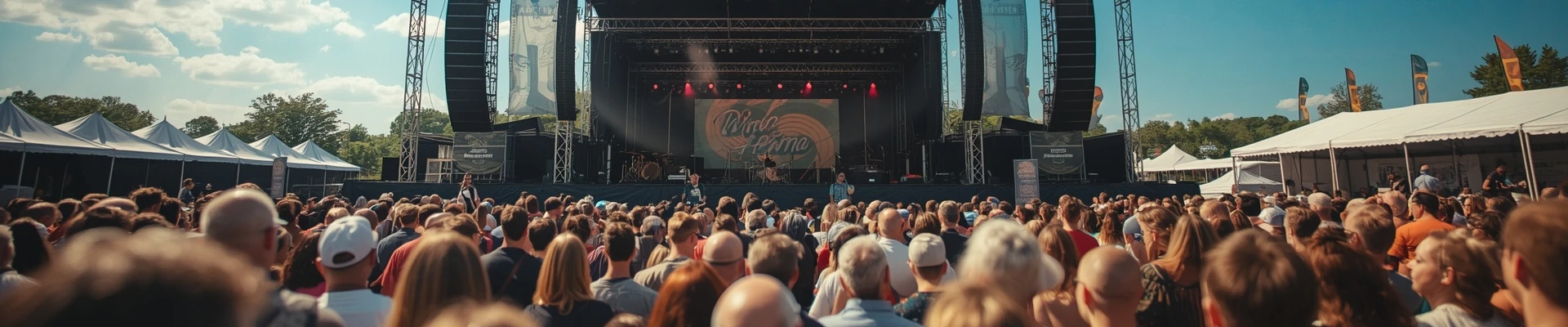
San Mateo County Fair — held at the San Mateo County Event Center (a sprawling complex adjacent to the city) — is the region's largest annual outdoor event, drawing 300,000+ visitors over its run in June and including a full outdoor concert stage that has hosted major country, classic rock, and Latin pop acts. CineArts at the Fox and Fox Theatre programming across the year represent the city's most consistent live music calendar.
NOVA Jazz Festival and various jazz series at downtown venues mark the jazz calendar. Filipino Independence Day celebrations in June — among the largest on the Peninsula — bring OPM, folk dance, and community music. Dia de los Muertos celebrations and Cinco de Mayo events mark the Latin cultural calendar with live music. The San Mateo Japanese American Citizens League programs cultural events with traditional music. San Mateo County Pride includes live music programming.
The Caltrain Summer Concert Series and various free outdoor programming along the Bay Trail and at city parks reflect the city's investment in accessible public arts. The Silicon Valley Comic Con (held at the San Jose Convention Center but drawing from the Peninsula) includes music programming and gaming-adjacent entertainment that reflects the region's tech culture.
Music and the tech economy
One dynamic unique to San Mateo and the broader Peninsula is the relationship between the tech economy and the music industry. Napster was founded in San Mateo (technically in nearby Redwood City) in 1999, and the disruption it unleashed on the music industry has been cited as one of the most consequential events in modern music history. The Peninsula's tech culture has continued to shape music — Spotify's US headquarters is in New York, but its engineering presence is Bay Area-heavy; SoundCloud has Bay Area offices; Apple Music is cupertino-adjacent. San Mateo's position in the heart of this tech ecosystem means the city's residents are disproportionately represented among the engineers, product managers, and executives who build the platforms that determine how music is distributed and consumed globally. This invisible thread ties San Mateo to the music industry in a way that no local venue or festival quite captures.
What ties it all together
San Mateo's musical identity is built on density and proximity rather than singularity — this is not Nashville, Detroit, or New Orleans, cities whose musical identities are inseparable from specific sounds. San Mateo is a well-resourced suburb in the most musically saturated metropolitan area in the Western United States, and it makes the most of that position. The Fox Theatre gives the city a proper venue. The Filipino-American community sustains one of the deepest OPM and Fil-Am hip-hop scenes outside the Philippines. The Latin music circuits along El Camino Real keep cumbia and norteño alive in living rooms and bars. The jazz tradition runs quietly through the Peninsula's music schools and community bands. And the surrounding Bay Area — San Francisco's clubs and festivals, Oakland's hip-hop and soul, Berkeley's folk and avant-garde traditions — is close enough that San Mateo residents live inside one of the world's great music cities even when they never leave the Peninsula. That density is the defining fact of music life here.