


The County Seat at the Heart of Orange County
Santa Ana occupies the geographic and administrative centre of Orange County, California, roughly 35 miles southeast of downtown Los Angeles and 6 miles south of Anaheim. With a population of just over 310,000 packed into approximately 71 square kilometres, it is one of the most densely populated cities in the western United States and routinely ranks among the nation's most heavily Latino urban centres — somewhere between 75 and 80 percent of residents identify as Hispanic or Latino, a proportion that shapes every dimension of the city's cultural life. It is the county seat, home to the Orange County Superior Court and most of the county's administrative infrastructure, yet its civic identity is frequently overshadowed by the tourism-facing cities around it: Anaheim to the north, Newport Beach to the southwest, Irvine to the southeast. Santa Ana does not have a theme park or an ocean. What it has is density, history, and one of the most authentic Mexican-American music cultures in California.
Regional Mexican and the Sound of the Corridors
The dominant musical language of Santa Ana is regional Mexican in all its registers: banda sinaloense from the brass-heavy Sinaloa tradition, norteño with its accordion-and-bajo-sexto spine, cumbia in the Colombian-via-Mexico form that became standard in Southern California dance halls, grupero pop, and — particularly important to the city's older residents — mariachi, the formal ensemble tradition that marks baptisms, quinceañeras, weddings, and funerals across the barrio with equal seriousness.
The 4th Street corridor, running through the city's downtown and into its working-class residential neighbourhoods, has long hosted restaurants, clubs, and event spaces that book regional Mexican acts from touring circuits entirely separate from the English-language music press. Spanish-language radio — stations like KLVE, KBUE, and KSCA serving the greater Los Angeles–Orange County market — functions as the primary promotional infrastructure for this world. Major touring acts from Mexico, including Banda MS, Los Tigres del Norte (who built their career out of San Jose but whose Southern California circuit includes the OC market), Jenni Rivera (Long Beach-based, but with deep Santa Ana roots through her audience and appearances), and Regional Mexican's contemporary streaming stars like Christian Nodal and Peso Pluma, draw from Santa Ana's enormous and economically significant audience.
The quinceañera economy — the complex of event halls, catering operations, DJ services, and live bands that surrounds the coming-of-age celebration tradition — sustains hundreds of working musicians in Santa Ana year-round. These musicians operate below the radar of major-label infrastructure and music-press coverage while earning consistent income from a community that places extraordinary cultural weight on ceremony and celebration.
Lowrider Culture and the Oldies Connection
Santa Ana's lowrider scene connects the city to a specific strand of Chicano musical history: the 1950s and 1960s doo-wop and R&B oldies that became canonical listening in Mexican-American communities across the Southwest. Groups like The Penguins, The Platters, and regional Chicano acts from East Los Angeles found a second and third life in the lowrider cruise culture of Santa Ana's streets, particularly along Bristol Street and the surrounding boulevards that served as informal cruise routes. KRLA and later KDAY and KKBT broadcast the oldies soundtrack that became inseparable from the lowrider aesthetic — polished chrome, hydraulics, and the sound of 1950s American doo-wop reimagined as Chicano cultural property.
This oldies-lowrider axis produced its own local performance economy: cruise nights, car shows at the OC Fair & Event Center in Costa Mesa (five minutes from Santa Ana), and club nights that booked the throwback R&B style well into the 2000s.
The Artists Village and the DIY Scene
In the early 2000s, the city of Santa Ana undertook a deliberate effort to seed a creative district in its downtown core, clustering galleries, studios, and performance spaces around a few blocks near the intersection of 2nd Street and Bush Street. The resulting Artists Village became a genuine — if modest — anchor for the city's visual arts and music underground. Monthly art walks, independent galleries like OCCCA (Orange County Center for Contemporary Art), and small performance spaces drew a young, mixed audience into a part of downtown that had been economically marginal for decades.
The DIY punk and post-punk scene that orbited this district shared DNA with the broader Orange County hardcore corridor centred on Anaheim's Chain Reaction, but Santa Ana contributed its own venues and a slightly different demographic. The city's majority-Latino character meant that the OC punk scene here was not the homogeneous suburban white-kid phenomenon of some national narratives — Santa Ana punk had brown faces in the crowd and sometimes on stage, and the cultural mix produced a distinct local flavour.
Slightly Stoopid — the Long Beach-rooted reggae-rock-punk hybrid band — found early audiences in the Santa Ana circuit. The broader Southern California punk–reggae axis (Sublime, Slightly Stoopid, Pepper) was not centred in Santa Ana but ran through it, and the city's clubs and all-ages spaces were part of that touring ecosystem.
The Observatory and Concert Infrastructure
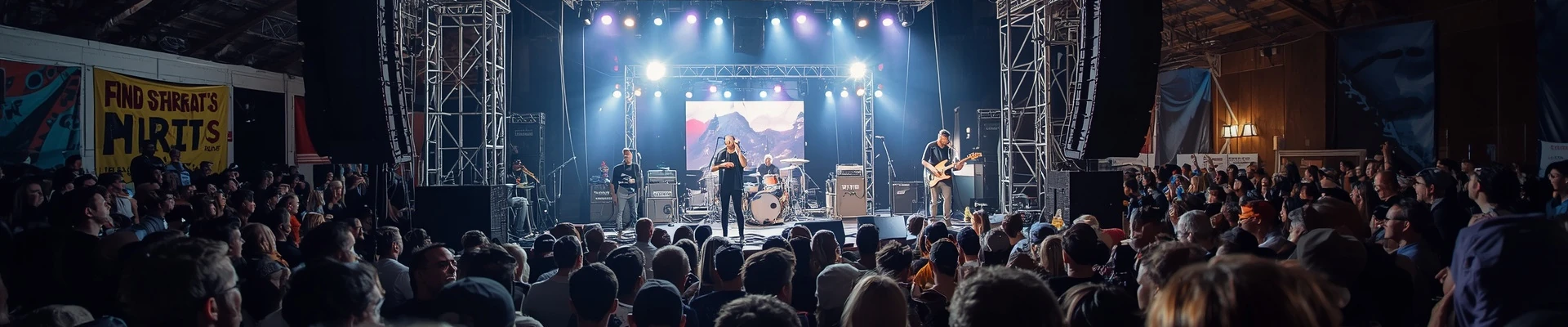
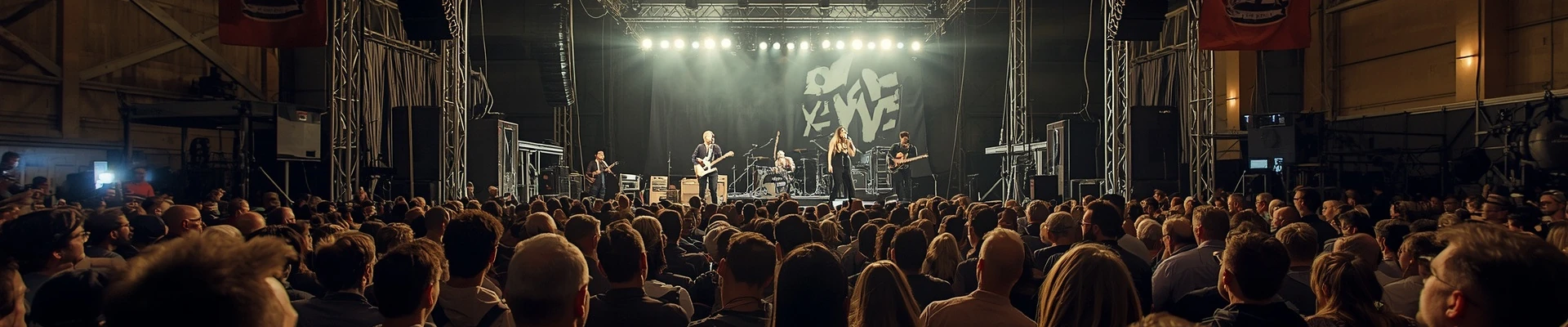
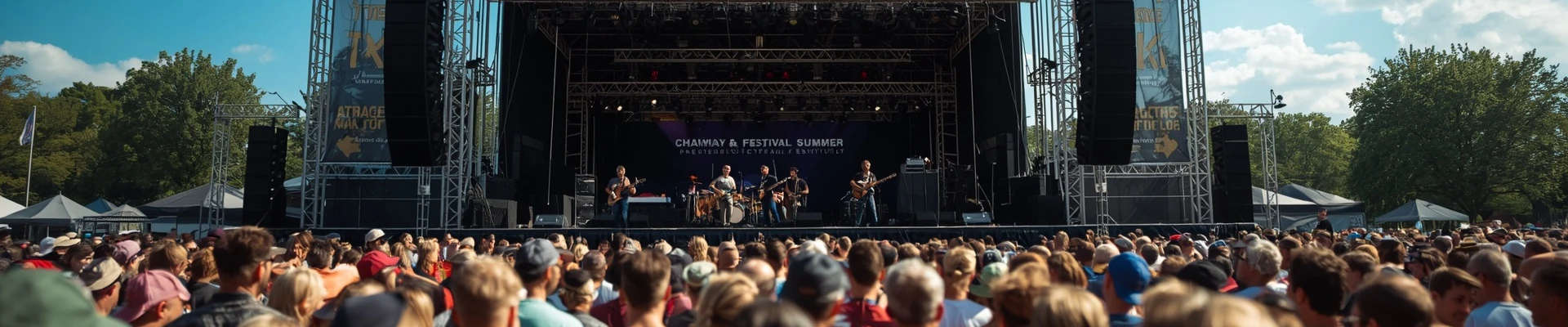
The single most important music venue in Santa Ana's recent history is The Observatory — a complex that includes the Constellation Room (roughly 500 capacity), the main Observatory hall (approximately 1,000 capacity), and an outdoor area. Opened in 2012 in a repurposed former nightclub space on Observatory Road (the address gave the venue its name), it filled a critical gap in Orange County's mid-size concert infrastructure between the all-ages DIY rooms and Honda Center's arena scale.
The Observatory books across genres with genuine eclecticism: metal and hardcore headliners like Mastodon, Converge, Code Orange; indie and alternative acts; electronic and dance nights; hip-hop; and regular metal-specific events including tie-ins with the Orange County metal underground. The Constellation Room in particular has become a reliable stage for national touring bands in the 300–500 attendance range — acts who once would have played the Chain Reaction or the Glass House in Pomona now frequently appear at the Constellation Room.
The venue's booking strategy reflects Santa Ana's demographic complexity: alongside the rock and metal programming runs a consistent schedule of regional Mexican, Latin pop, and banda nights that draw from the city's majority community. The same room that hosts a death metal band on Friday night books a norteño act on Saturday.
Yost Theater — a renovated historic theatre on West 4th Street — has supplemented the Observatory as a mid-size venue for concerts, comedy, and events, particularly for Latin music bookings. The Yost's architecture gives it a character distinct from purpose-built concert rooms: ornate plasterwork, a proper balcony, and sight lines that work for both seated and standing configurations.
Santa Ana's Contribution to the OC Hardcore Narrative
While the hardcore historiography of Orange County centres on Fullerton (home of The Adolescents and D.I.), Garden Grove, and Anaheim, Santa Ana contributed bands and venues to the same circuit. The city's proximity to Fullerton and Anaheim — effectively contiguous at the suburban level — meant that the scene bled across municipal boundaries without much awareness of where one city ended and another began.
Local bands from Santa Ana and the surrounding area participated in the same zine culture (Flipside, HeartattaCk), the same VFW hall circuit, and the same independent label ecosystem — Epitaph Records (based in Los Angeles), BYO Records, and the network of regional pressing plants and distros that kept physical media moving through the underground before the internet reorganised everything.
Thrice — formally based in Glendale and Orange — played the Santa Ana circuit extensively during their development phase in the early 2000s before breaking nationally. Their post-hardcore sound represented the generation that came after the founding California hardcore era and was shaped by the same Orange County geography and scene.
Santana Row and the Contemporary Nightlife Axis
The contemporary nightlife landscape in Santa Ana clusters around Downtown Santa Ana and spreads into adjacent entertainment corridors. The city lacks the self-contained entertainment district that Newport Beach or Huntington Beach offer along the coast, but its downtown concentration of restaurants, bars, and clubs has grown substantially since the mid-2010s — partly driven by the Artists Village anchoring creative businesses, and partly by genuine demographic momentum from a young, culturally confident Latino population spending money in its own city rather than driving to Irvine or Anaheim for entertainment.
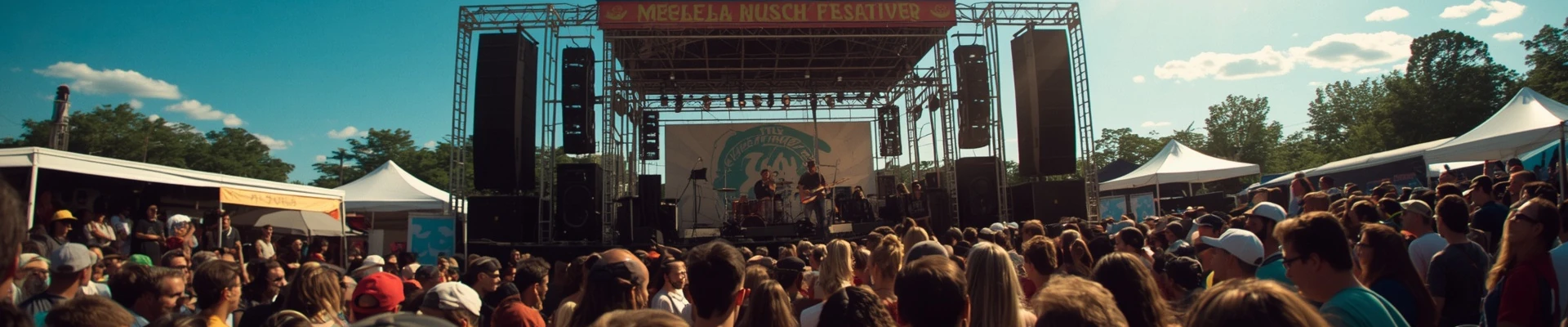
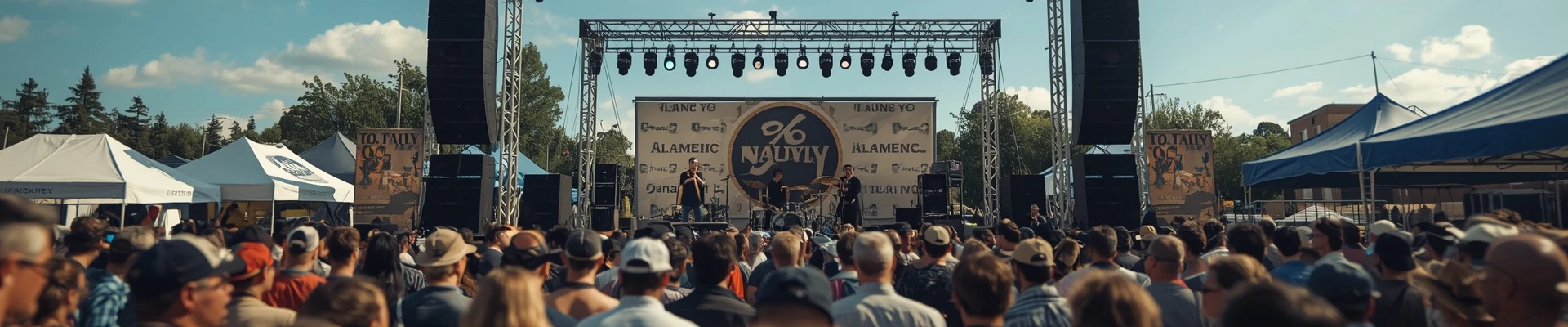
The 4th Street Market development, which renovated a historic building into a food hall and event space, has contributed to the downtown's vitality. Pop-up concerts, small festival events in downtown plazas, and the ongoing Santa Ana Restaurant Week format have collectively made the downtown a more active evening destination than it was a decade ago.
Education and the Institutional Music Pipeline
Santa Ana Unified School District operates a network of secondary schools — Santa Ana High School, Valley High School, Century High School, Saddleback High School, among others — with music programmes that feed directly into the city's performing community. The band and mariachi traditions at these schools are taken seriously: mariachi programmes at several Santa Ana schools compete in regional competitions and produce musicians who continue performing in the community's circuit of events.
Santa Ana College — a two-year institution with a strong music department — provides post-secondary training accessible to the large portion of Santa Ana's population for whom a four-year university is economically out of reach. The college's recording facilities, ensemble programmes, and music technology courses have supported a generation of musicians who went on to careers in the regional Latin music economy.
What Ties It Together
Santa Ana is the rare American city where the mainstream of musical life is genuinely Latin American rather than aspirationally Latin American. Regional Mexican music, cumbia, banda, and mariachi are not exotic niches served alongside a dominant Anglo rock culture — they are the dominant culture, served to a community that has been here long enough to be thoroughly local while remaining connected to Mexican musical traditions that are still evolving. The Observatory's success reflects this duality: a venue smart enough to book metal on Friday and banda on Saturday, in a city where both audiences are real and both are paying attention.
The Artists Village and the DIY scene that surrounds it represent a different Santa Ana — younger, more formally experimental, more connected to the broader Southern California alternative music economy. These two worlds share a geography without fully sharing a social space, and the tension between them is not hostile so much as parallel. What they have in common is Santa Ana itself: a city that is not trying to be somewhere else, that has enough density and cultural confidence to sustain a music life without requiring validation from Los Angeles or from the O.C.'s coastal tourism economy.