
Simi Valley, California
Simi Valley occupies a wide, sunlit bowl in Ventura County, roughly 35 miles northwest of downtown Los Angeles, bracketed by the Santa Susana Mountains to the south and the Simi Hills to the northwest. The valley itself runs east–west for about twelve miles, drained by the Arroyo Simi, and sits at an elevation around 900 feet — high enough to escape the densest coastal fog but close enough to Los Angeles that it has functioned, since the postwar decades, as one of the region's defining bedroom communities. Incorporated in 1969, the city grew swiftly through the 1970s and 1980s as aerospace and defense industry workers, municipal employees, and working-class families priced out of the San Fernando Valley filled its subdivisions. Today it is Ventura County's second-largest city, with a population around 126,000, and its skyline is low — strip malls, ranch houses, and the occasional warehouse complex — punctuated by the hilltop campus of the Ronald Reagan Presidential Library, a national landmark that draws hundreds of thousands of visitors annually and defines the city's identity in the national imagination far more than anything else here does.
Music Identity
Simi Valley does not possess the kind of concentrated, self-conscious music scene that produces genres or movements — it has never had a "sound" the way Bakersfield had the Bakersfield Sound or Detroit had Motown. What it has had, consistently, is proximity. Los Angeles is close enough that Simi Valley teenagers could drive into Hollywood or the Valley on a weekend night to see bands at The Roxy, Whisky a Go Go, or the punk clubs along Sunset Strip, and that exposure filtered back. Through the 1980s and into the 1990s, the suburban corridors of the San Fernando Valley and its satellite cities — Simi Valley, Thousand Oaks, Moorpark — produced a stream of punk, hardcore, and alternative rock acts whose members rehearsed in garages and eventually broke into the LA circuit.
The most internationally recognized musical figure associated with the broader suburban Southern California experience that Simi Valley typifies is the world of bands like No Doubt — suburban boredom, sprawl, and longing for something bigger captured in ska-punk and alternative rock. The city also contributed members and early rehearsal space to bands in the late-1980s and early-1990s LA punk underground. NOFX and Bad Religion both pulled from suburban LA's youth culture, and kids from Simi Valley were a core audience for the Epitaph Records and Fat Wreck Chords scenes that exploded in the mid-1990s. The venues these bands played were almost entirely in Los Angeles, but the suburban geography — cheap rent, parental garages, and nothing else to do — was essential infrastructure.
In the country and classic rock vein, Simi Valley produced a modest number of working musicians across the decades. The local bar circuit in the 1970s and 1980s included country-influenced rock acts performing covers of Eagles, Lynyrd Skynyrd, and Bob Seger material — a pattern common to every suburban Southern California city of that era. The surrounding Ventura County corridor developed a light footprint of country, country-rock, and Americana acts who found it easier to get stage time in smaller markets before trying Burbank or Hollywood.
Venues and Neighborhoods
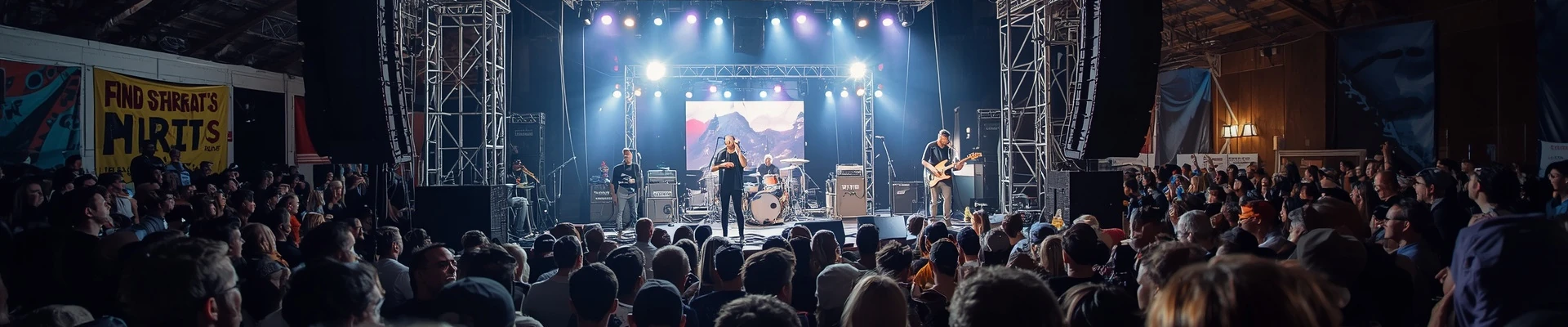
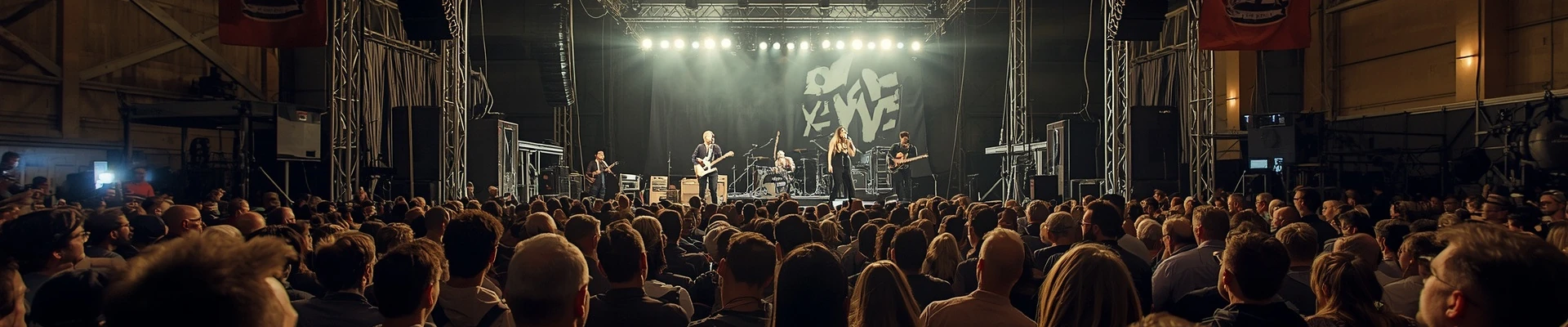
Simi Valley's live music infrastructure is modest by comparison to any major city. The city has never had a downtown entertainment district in the traditional sense; its commercial activity is organized around suburban thoroughfares — primarily Cochran Street, Tapo Canyon Road, and the corridors around the Simi Valley Town Center mall. Bars and restaurants provide the bulk of live music opportunities, with rotating residencies from local cover bands and occasional original acts.
The Simi Valley Cultural Arts Center has hosted community theater, music recitals, and occasional performing arts events for school and community programs. The Ronald Reagan Presidential Library has also staged high-profile concerts and tribute performances on its grounds, though these tend toward classic rock nostalgia touring acts rather than the local scene.
The city's most important contribution to regional music culture has arguably been its role as a practice space. Residential density is lower than in the San Fernando Valley proper, garage space is abundant, and noise ordinances have historically been enforced less aggressively than in denser neighborhoods. Bands from Simi Valley and neighboring communities rehearsed here, made demos here, then went to Hollywood to play. Small home-conversion recording facilities serving independent and unsigned acts have operated throughout the city, though no major label-affiliated studio has anchored the local scene.
Festivals and Events
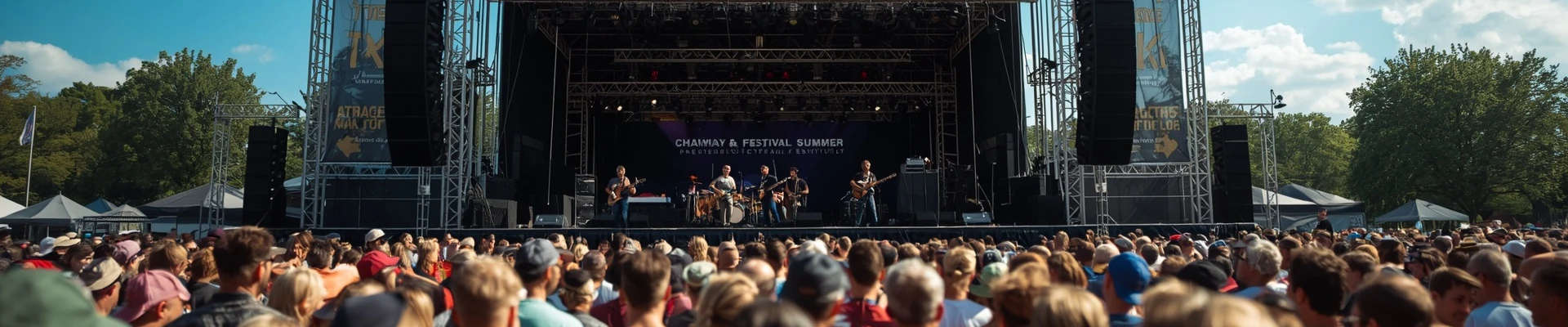
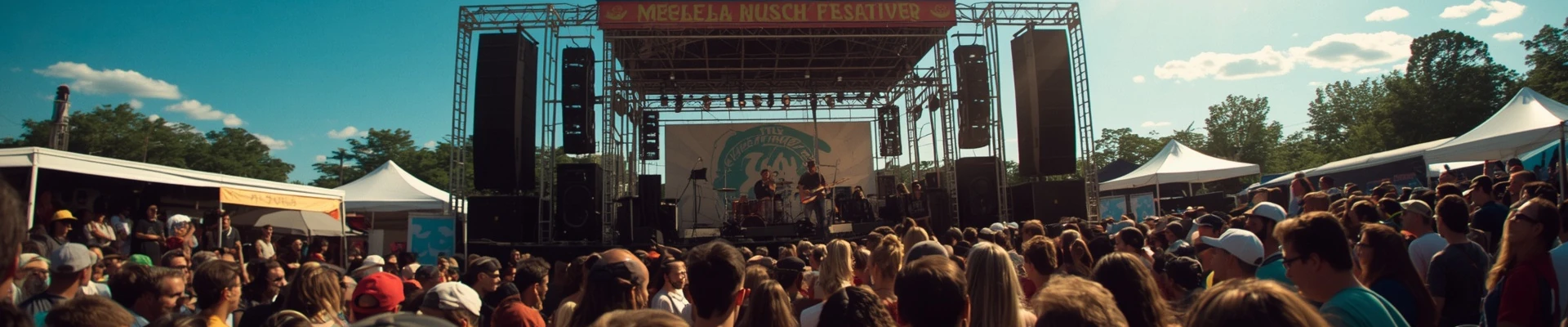
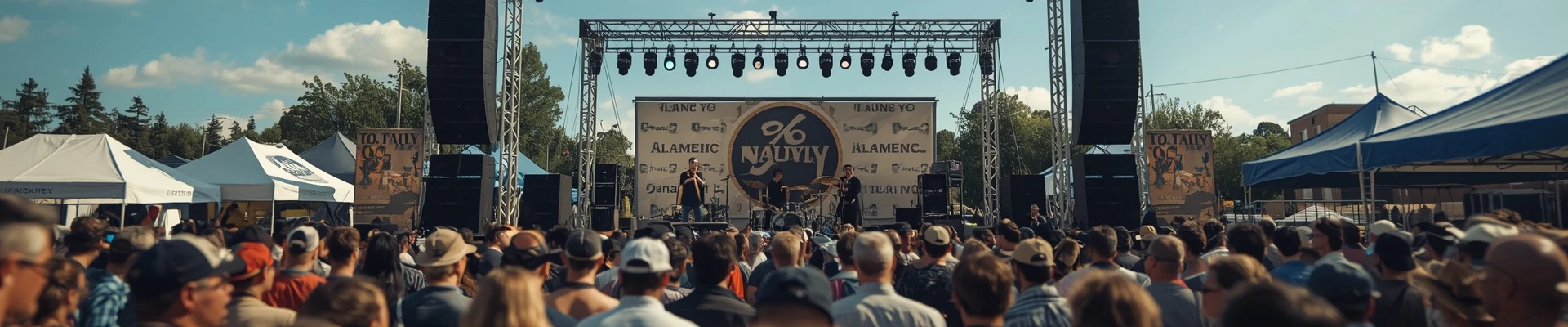
Simi Valley does not host a flagship music festival of regional or national significance. The city's event calendar centers on the Simi Valley Cajun and Blues Music Festival, held annually in the spring at Rancho Santa Susana Community Park. Established in the early 1990s, the festival has run for over three decades and routinely draws tens of thousands of attendees from across Ventura and Los Angeles counties. The event books regional and national touring blues and Cajun acts — authentic festival programming in a genre not obviously associated with Southern California suburbia, which is part of its charm. Past performers have included Little Feat, Dr. John, Charlie Musselwhite, and a range of Louisiana-rooted Cajun and zydeco acts. For many Simi Valley residents, this festival is the only major live music event of the year that happens within city limits.
Beyond the Cajun and Blues Festival, the city hosts street fairs, Fourth of July celebrations with live entertainment, and occasional outdoor concerts associated with the Ronald Reagan Presidential Library's public programming calendar.
Demographics and Community Music
Simi Valley's demographics shifted noticeably between the 1980s and 2010s. The city remains majority white but has seen substantial growth in its Latino population — primarily families with roots in Mexico and Central America — who now account for roughly a third of residents. This community has quietly sustained norteño, banda, and regional Mexican music in the city's bars and quinceañera circuits, with performers and DJs working both the Simi Valley corridor and the broader Ventura County market. This regional Mexican music scene rarely surfaces in mainstream coverage of the city but represents a real and active layer of musical life.
The city's Filipino community, while smaller, has contributed to the church-music and choral tradition visible across Southern California's suburban Filipino diaspora, with vocal ensembles active at local Catholic parishes.
What Ties It All Together
Simi Valley is an honest suburban city — one that makes no pretense of being a music capital and has never needed to. Its significance to music is relational and infrastructural: it is close to Los Angeles, it is affordable enough for artists, and it has a big enough population to support a live bar circuit and sustain communities of listeners and performers. The Cajun and Blues Festival is its clearest statement of independent musical identity — a long-running, well-attended event built around genres that have little to do with the city's history but everything to do with the spirit of community celebration. The musicians who grew up here and went on to careers did so largely by leaving, plugging into the vast Los Angeles ecosystem. That is a story common to every suburb of every major city, and Simi Valley tells it without apology.