
South Gate is a city of approximately 96,000 residents in Southeast Los Angeles County, California, sitting roughly 13 kilometres south of downtown Los Angeles. It is one of the most densely populated municipalities in California and one of the most thoroughly Latino cities in the United States — more than 95 percent of its residents identify as Hispanic or Latino, predominantly of Mexican and Central American origin. South Gate is bounded by Lynwood to the south, Downey to the southeast, Bell Gardens and Bell to the east, Huntington Park to the north, and Compton to the west. The city was incorporated in 1923 and built its identity in the mid-20th century as a blue-collar industrial town — the Firestone and General Motors plants once employed thousands of residents — before deindustrialisation in the 1970s and 1980s reshaped the economy and accelerated the demographic transition that made South Gate the overwhelmingly Mexican-American city it is today.
The Tweedy Mile — Tweedy Boulevard, the city's central commercial and cultural artery — is South Gate's most iconic landmark: a kilometre-long strip of storefronts, quinceañera dress shops, carnicerias, paleteros, and street vendors that serves as one of the most vibrant Latino commercial corridors in the Los Angeles region. South Gate is sometimes called the "Azalea City," a nickname dating to the city's mid-century beautification campaigns and commemorated in the annual Azalea Festival. While not a city with the name recognition of nearby Compton or the cultural cachet of East Los Angeles, South Gate occupies a critical position in the Southeast LA County music ecosystem — a zone that has produced some of Southern California's most consequential Chicano, hip-hop, and regional Mexican sounds.
A brief history
The land in what is now South Gate was part of the ancestral territory of the Tongva (also called the Gabrieleño) people before Spanish colonisation established the missions in the late 18th century. After Mexican independence, the area became part of the vast Rancho San Antonio land grant. Following California statehood in 1850, the land was subdivided and sold to Anglo-American settlers. South Gate was incorporated in 1923 — the name came from the southern gate of a large ranch that previously occupied the area — and grew rapidly through the 1920s and 1930s as the auto industry and related manufacturing drew working-class families to the Southeast LA flatlands.
The Firestone Tire and Rubber Company plant and the General Motors assembly plant in nearby South Gate and Southgate-adjacent Lynwood were among the largest employers in the region through the postwar boom, drawing both Anglo and Latino workers. By the 1960s, the demographic composition was already shifting as Mexican-American families moved into neighborhoods vacated by Anglo families relocating to suburbs further east and south. The 1970s and 1980s plant closures — GM closed in 1982, Firestone in 1980 — devastated the local economy and accelerated the transition. By the 1990s, South Gate was majority Latino; by the 2000s, it was approaching the near-total Latino composition it maintains today, with a large Salvadoran community alongside the dominant Mexican-American majority.
Music identity
South Gate's music is inseparable from the broader Southeast LA County music ecosystem and the East Los Angeles tradition that stretches from the Eastside to the Southeast flatlands. The city's dominant musical languages are regional Mexican — norteño, banda sinaloense, cumbia, and corridos — and Chicano oldies, the Southern California Mexican-American tradition of treasuring 1950s and 1960s soul, doo-wop, and R&B as community music. Both traditions run deep in South Gate and its neighboring cities of Lynwood, Huntington Park, Bell Gardens, and Compton.
The Chicano oldies tradition is perhaps the most distinctive contribution of the Southeast LA County corridor to American music culture. Through the 1960s and 1970s, Mexican-American youth adopted the sounds of Black Los Angeles — Johnny Otis, Thee Midniters, Cannibal and the Headhunters, Lil' Ray Jimenez — as their own, weaving them into lowrider culture and the cruising rituals that animated South Gate's and Lynwood's streets on weekend nights. Radio stations like KRLA and later KKGO and KLVE fed this tradition, and it persists today through lowrider car shows, oldies dances, and the Chicano soul revival scene. Thee Midniters — the East LA band that recorded the Chicano-rock classic "Whittier Drive" and covered soul standards with Spanish-language bridges — are the archetypal expression of this tradition, though they were based slightly north of South Gate in the Eastside.
Chicano hip-hop — the fusion of Mexican-American identity with hip-hop's instrumental and lyrical vocabulary — is another deep thread running through Southeast LA County. Lighter Shade of Brown (LSOB), the Chicano hip-hop duo from the Pomona-Ontario area whose 1990s hits like "On a Sunday Afternoon" and "Hey D.J." defined the Southern California lowrider rap sound, circulated heavily through South Gate's youth culture. The broader gangsta rap tradition that NWA established in Compton — directly adjacent to South Gate's western boundary — permeated South Gate deeply, and local hip-hop, R&B, and rap scenes drew from both the Chicano rap tradition and the South Central-Compton hard rap lineage. The Watts housing projects (just north of the South Gate–Compton boundary) and the broader corridor shaped a generation of artists who moved between the Chicano rap and Black hip-hop worlds.
Regional Mexican music is the dominant live performance genre in South Gate today. Norteño bands — accordion-driven, ranchera-tinged, from northern Mexico — play quinceañeras, weddings, and club nights throughout the city. Banda sinaloense — the brass-heavy, percussion-driven sound from Sinaloa — has its own circuit of dances and clubs. Cumbia, in its Sonoran Mexican style (cumbia sonidera) as well as its Colombian roots and LA adaptations, is the dance music that fills South Gate's halls and parking lot parties. Artists like Banda El Recodo, Banda MS, Los Bukis (the legendary Michoacán group who are the most beloved regional Mexican act in all of Los Angeles), Los Yonics, and Grupo Límite all command massive audiences in the South Gate and Southeast LA County corridor. The Texcoco style — accordion-driven cumbia from the Mexico City area — and grupero pop hybrids fill the bill at the city's quinceanera halls and nightclubs.
More recently, Latin urban — reggaeton, Latin trap, and their regional Mexican fusions — has taken root among younger South Gate residents, with acts like Bad Bunny, J Balvin, Natanael Cano (the pioneer of corridos tumbados, the sierreño-trap fusion that has become the defining sound of the Mexican-American millennial and Gen Z generation), and Peso Pluma drawing massive crowds at nearby venues in the wider LA region. Corridos tumbados is particularly resonant in South Gate and Southeast LA — a style that emerged from Hermosillo and Culiacán but found its largest US audience in exactly the demographic profile of cities like South Gate.
Venues and neighborhoods
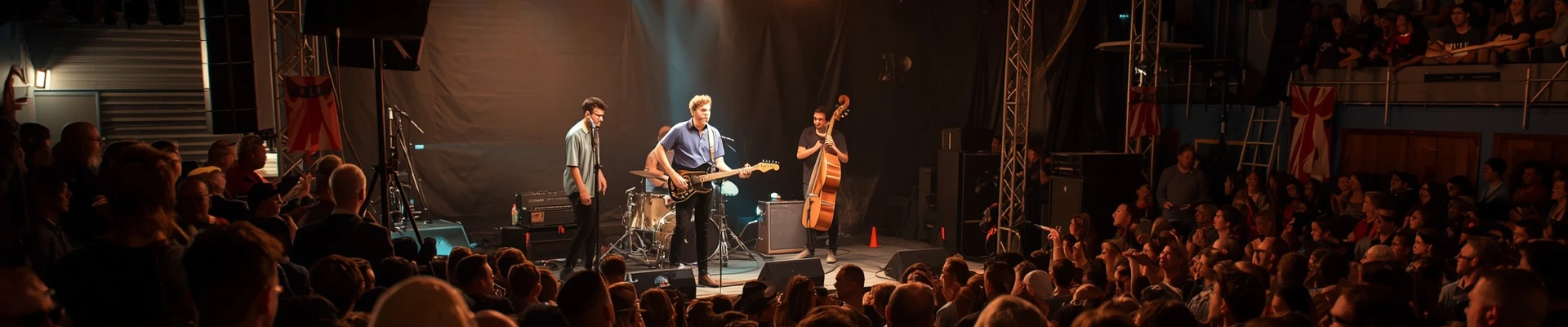
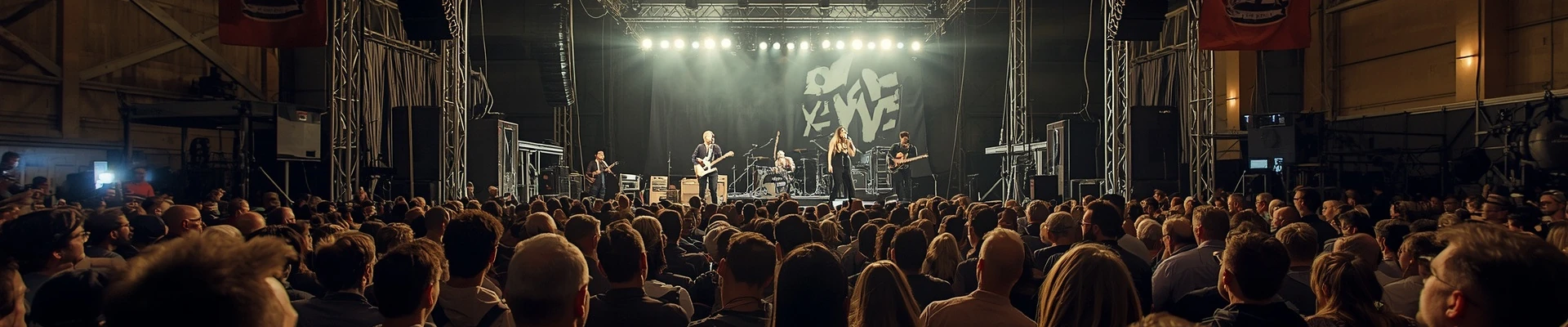
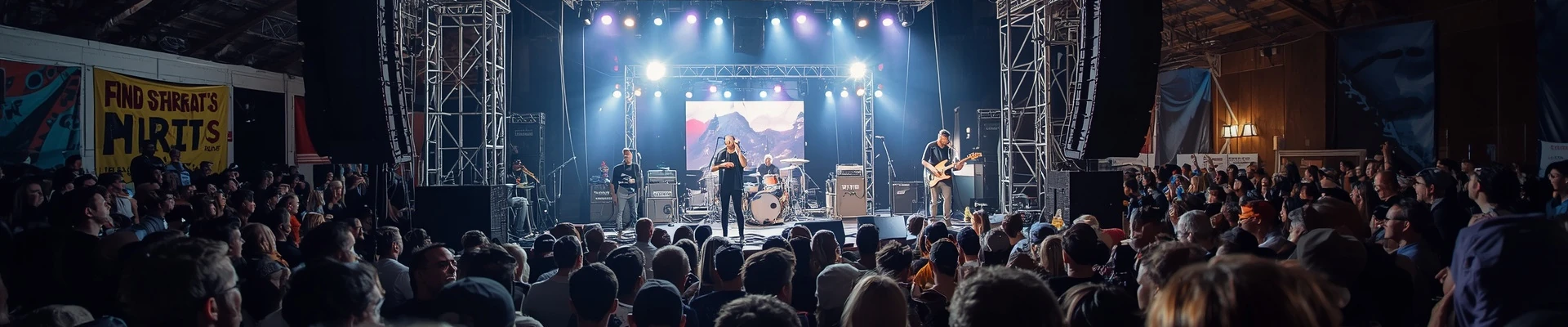
South Gate's primary dedicated music venue is the South Gate Civic Auditorium (also known as the South Gate Community Center), the city's historic auditorium that has hosted dances, cultural events, and quinceañeras for decades. The Azalea Park amphitheatre hosts outdoor concerts and community events. Most of South Gate's live music happens in flexible spaces — quinceañera halls, nightclubs, bars, and restaurants along Tweedy Boulevard, Long Beach Boulevard, and Firestone Boulevard — rather than purpose-built concert venues. The Tweedy Mile commercial corridor is the heart of the city's cultural life, with merchants, restaurants, and event spaces that anchor community gatherings.
For larger shows, South Gate residents travel to the broader Southeast LA and Los Angeles venue network. The Forum in Inglewood (recently converted to a streaming studio and concert venue), the Kia Forum, Crypto.com Arena in downtown LA, BMO Stadium (the 22,000-capacity facility that has hosted major Latin tours), and Dodger Stadium (where Bad Bunny set attendance records) are all within 30 minutes. The Avalon Hollywood and The Belasco Theater serve the club and mid-size market. Within Southeast LA County, the Downey Theatre (10 km east) is the region's premier mid-size performing arts venue, and the Hosoi Garden and various cultural centers in Compton, Lynwood, and Bell Gardens add to the regional footprint.
The Tweedy Mile neighborhood anchors the city's most concentrated commercial and cultural activity. North South Gate along Firestone Boulevard carries the city's older working-class neighborhood character. South of Tweedy toward the Compton border has the highest residential density. The El Nuevo Rodeo corridor — a reference to the legendary East LA venue of the same name — extends the Latin dance hall tradition that runs through the entire Southeast LA flatlands.
Festivals and signature events
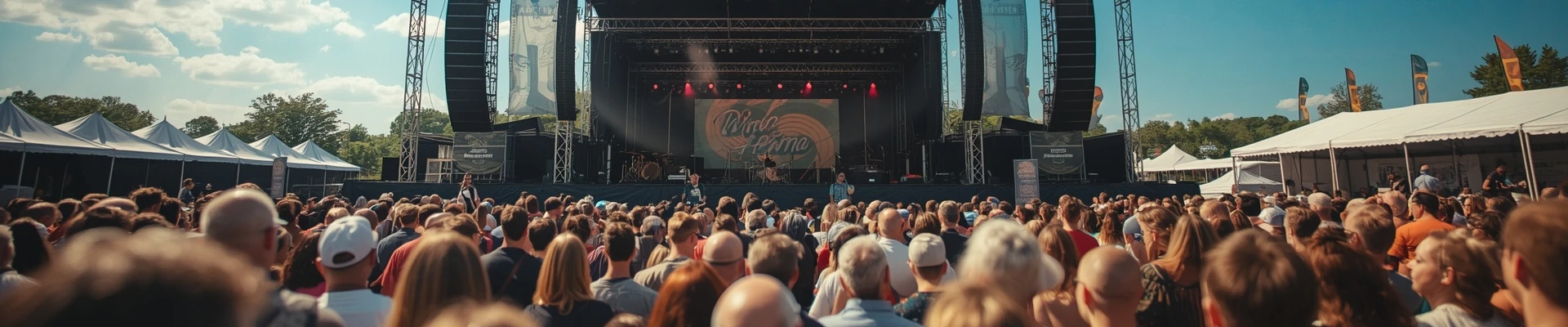
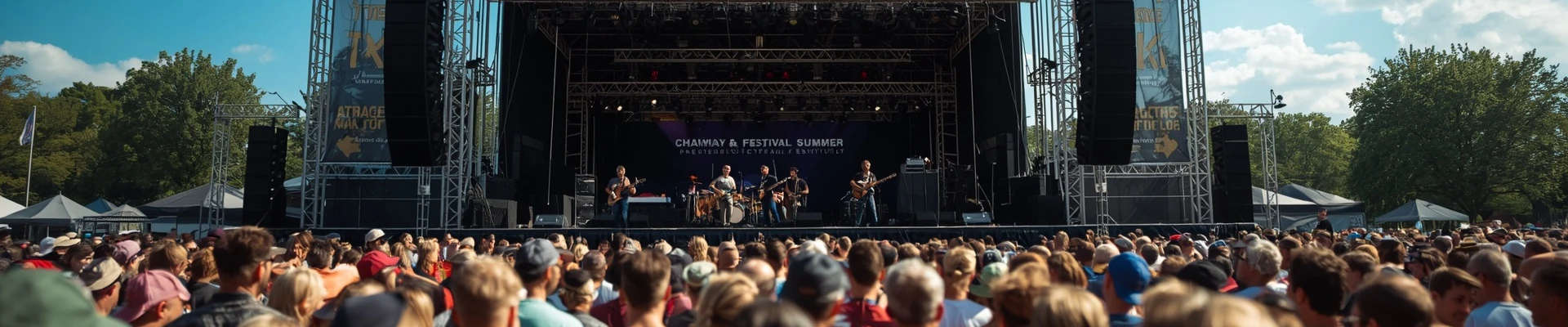
The Azalea Festival is South Gate's signature annual event — a spring celebration that has marked the city's calendar since the 1950s, centered on Azalea Park and featuring live music, community entertainment, and the coronation of the Azalea Queen. The festival reflects both the city's mid-century Anglo-American origins (when azalea-themed beautification was a civic priority) and its current Latino character, with regional Mexican and Latin pop acts on the main stage.
Mexican Independence Day (September 16) is one of the year's biggest celebrations, with dances, concerts, and public events anchoring a week of festivities — the Fiestas Patrias celebrations that run through the entire Southeast LA County corridor. Dia de los Muertos celebrations in late October and early November draw large community turnout. The Fourth of July celebration at South Gate Park is one of the largest free public fireworks shows in Southeast LA County. Christmas and Navidad events along the Tweedy Mile and at local parks mark the winter calendar.
The Lowrider culture that runs through South Gate and Southeast LA County produces its own event calendar — car shows, cruising nights, and oldies dances that blend automotive and musical culture into a distinctively Southern California Mexican-American tradition. Tattoo and lowrider expos in nearby venues and convention centers draw the community together around the aesthetics that have defined Chicano LA for generations.
What ties it all together
South Gate is not a city that exports music stars in large numbers, but it is a city that lives music deeply — in its quinceañera halls, its lowrider cruises, its Tweedy Mile street vendors playing regional Mexican radio, its nightclubs programming banda and cumbia, its church choirs performing regional hymns, and its backyard parties where oldies 45s by Thee Imperials and Little Willie G (of Thee Midniters) still get played. The city's cultural DNA is inseparable from the East LA–Southeast LA corridor that produced the Chicano soul tradition, the lowrider oldies canon, the norteño and banda live music circuit, and most recently the corridos tumbados and Latin urban sounds that are reshaping Mexican-American popular music globally. South Gate sits at the exact geographic and cultural centre of this ecosystem — southeast of the Eastside, north of Compton, in the flatlands that built Southern California's most vital Latino music culture.