

Temecula is a city of roughly 110,000 residents in Riverside County, situated in the Temecula Valley at the southern end of California's Inland Empire, approximately 90 kilometres south of downtown Los Angeles, 75 kilometres north of San Diego, and 55 kilometres east of the Pacific Ocean. The city straddles a pass in the Santa Ana Mountains where the Santa Margarita River valley opens into a broad agricultural and residential basin. Its elevation — roughly 360 metres above sea level — moderates the Southern California heat enough to make wine grape cultivation viable, and the Temecula Valley Wine Country AVA (American Viticultural Area) has become the identity of the region: some 40 wineries spread across the rolling hills of the De Portola Road and Rancho California Road corridors. Temecula's economy rests on three pillars — wine tourism, the Pechanga Resort Casino (the largest casino resort in California), and suburban residential growth fed by proximity to San Diego and the broader Inland Empire employment base. The Old Town Temecula historic district, the weekly Temecula Farmers Market, and a growing craft food-and-beverage scene round out a city that has transformed over the past three decades from a small ranching town into one of Southern California's most visited wine-and-entertainment destinations.
A brief history
The Temecula Valley has been home to the Pechanga Band of Luiseño Indians for thousands of years. The name "Temecula" is believed to derive from the Luiseño word Temecunga, meaning "place of the sun" or "where the sun breaks through the mist." The Spanish established the Rancho Temecula land grant in 1820, and the area passed through Mexican and then American control following the Mexican-American War. The Southern California Railroad arrived in 1882, bringing the first Anglo settlement, and the town that grew along the rail line developed a modest ranching and agricultural economy through the late 19th and early 20th centuries. Temecula was formally incorporated as a city only in 1989 — one of the youngest incorporations in Riverside County — and the following three decades brought explosive suburban growth. The Pechanga Resort Casino opened in 1995 on the Pechanga Band's reservation just southwest of the city and expanded repeatedly through the 2000s and 2010s, becoming a $300-million-plus economic engine. The wine industry, anchored by estates planted from the 1960s onward, found its national audience through the 1990s and 2000s as Los Angeles visitors discovered the valley's accessible winery circuit. By the 2020s Temecula had evolved from rural backwater to a destination city.
Music identity
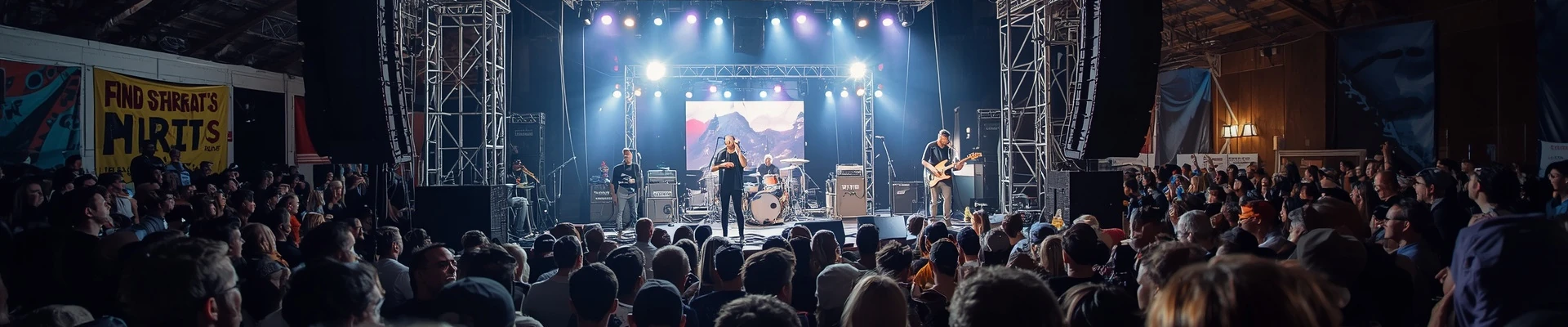
Temecula's music identity is shaped by four interconnected forces: the casino entertainment circuit, the wine country festival scene, the Old Town live music corridor, and the city's position as a Southern California touring stop within the broader San Diego–Los Angeles corridor. The result is an eclectic scene that draws heavily from country, classic rock, and Southern California roots while sustaining Latin music through the city's substantial Hispanic community.
The Pechanga Resort Casino is the most consequential music venue in Temecula's history and remains the dominant live music anchor. The Pechanga Theater (approximately 1,200 capacity) and the arena-scale Pechanga Arena at the resort program a wide range of national touring acts across country, rock, pop, R&B, and comedy — Dierks Bentley, Brooks & Dunn, Sammy Hagar, Carlos Santana, Janet Jackson, Pitbull, Frankie Valli, and many others have performed here. The casino model — acts are booked to draw and retain gamblers, with high-value artist fees offset by gaming revenue — has made Pechanga a consistent stop for artists who might not anchor a standalone amphitheatre run in the region.
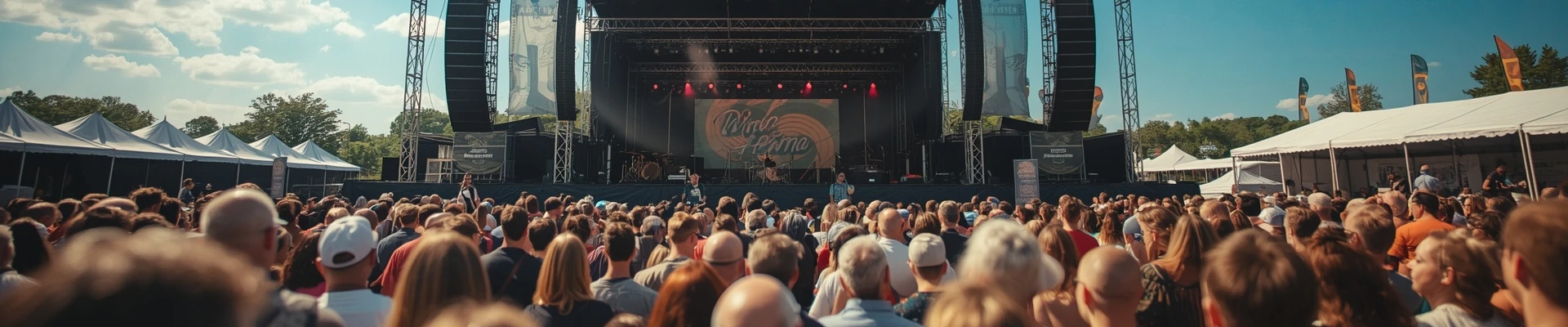
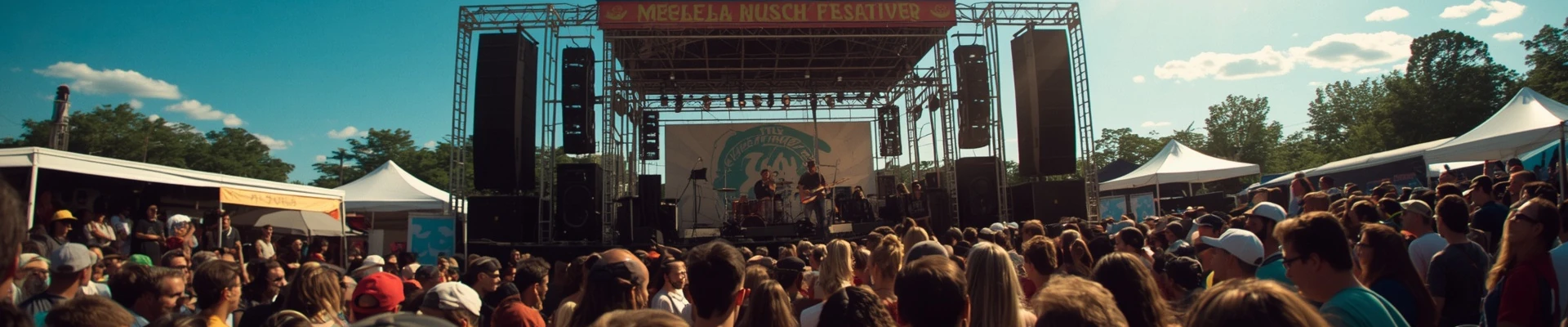
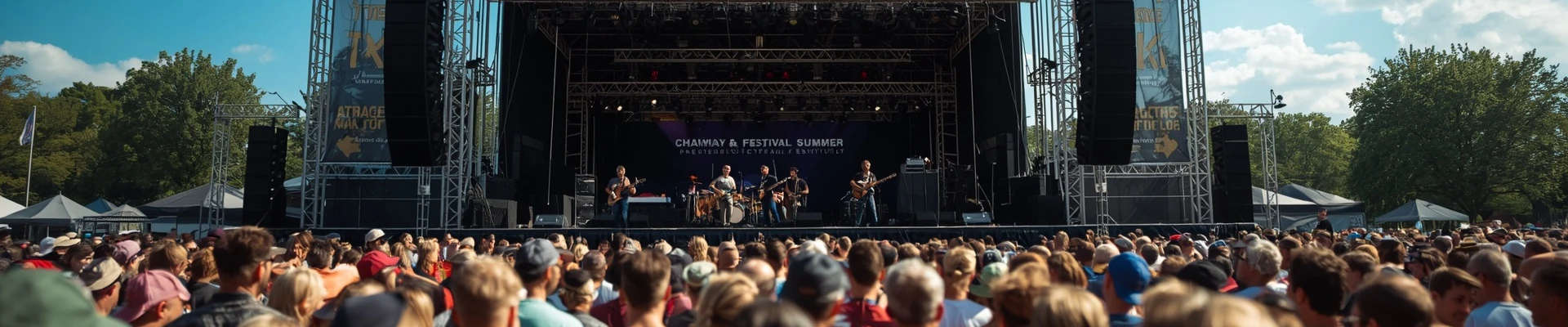
The Temecula Valley Wine Country has spawned its own festival ecosystem. Temecula Valley Balloon & Wine Festival (held annually since 1983 at Lake Skinner, one of Southern California's longest-running outdoor festivals) programs live music alongside hot-air ballooning and wine tastings, drawing 10,000–15,000 attendees. Wine & Roses Festival, the Harvest at the Vineyards events at individual wineries, and the ongoing concert series at South Coast Winery Resort & Spa, Wilson Creek Winery, and Leonesse Cellars bring smaller national and regional touring acts into wine-adjacent performance settings. The winery concert format — intimate outdoor stages, wine by the glass, seated audiences — tends to attract classic rock, Americana, jazz, and singer-songwriter artists.
Temecula's Old Town historic district is the home of the city's most accessible live music scene. The blocks along Front Street and Old Town Front Street host bars, restaurants, and small venues with regular live music — blues, country, classic rock, and Americana dominate, with weekend covers bands and occasional original acts. Heirloom, Old Town Pub, and Deja Vu Love Boutique (a strip club repurposed as a live music venue at various points) sit within the Old Town cluster. The Old Town streetscape has been consistently developed since the early 2000s as a tourist-oriented entertainment district.
The city's Latin music scene reflects Temecula's substantial Mexican-American and Latin American communities, particularly in the southwestern and northwestern residential areas. Norteño, banda, regional Mexican, cumbia, and contemporary Latin pop flow through the Spanish-language radio stations serving the Inland Empire and through clubs, quinceañera halls, and restaurants in and around Temecula and adjacent Murrieta. The Cinco de Mayo and Mexican Independence Day celebrations in Old Town Temecula draw large crowds and include live Latin music programming.
The city's country music affinity runs deep. The ranching and small-town heritage of the Temecula Valley, combined with the strong Inland Empire and Southern California country music tradition, has made country the genre most closely associated with Temecula's civic identity — country acts dominate the Pechanga Theater booking calendar and the wine festival music lineups alike.
Locally, Temecula has not produced nationally recognized recording artists at scale, which is consistent with its identity as a suburban destination city rather than an arts incubator. However, the city sits within the broader Inland Empire music ecosystem that has produced Korn (Bakersfield and the Inland Empire, with roots in the inland Southern California scene), and the greater Southern California scene that encompasses the San Diego punk tradition (The Offspring, Blink-182 from Poway) and the Los Angeles rock and pop infrastructure that Temecula-area musicians access via proximity. The Murrieta-Temecula area has sustained a grassroots local metal, hard rock, and punk scene through venues and DIY spaces, with bands playing the Southern California circuit.
Venues and neighborhoods
The venue landscape is anchored by the casino and winery circuits, with Old Town serving as the walkable neighborhood entertainment hub.
At the top tier sits Pechanga Resort Casino — the resort's theater and event spaces constitute the most important live music infrastructure in the city. The Pechanga Theater (approximately 1,200 capacity) handles most touring acts; the larger arena configurations on the resort property have hosted multi-thousand-capacity events.
The winery venue circuit is collectively one of the most distinctive entertainment clusters in Southern California's inland region. Wilson Creek Winery runs a popular outdoor concert series and is one of the most-visited wineries in California. South Coast Winery Resort & Spa programs jazz and R&B in an outdoor setting. Leonesse Cellars, Callaway Vineyard & Winery, Robert Renzoni Vineyards, and Ponte Winery all host regular music programming on their estates.
Old Town Temecula is the neighborhood cluster anchoring accessible live music. The walkable historic district along Front Street hosts restaurants, bars, and small entertainment venues with live music most weekends. This is the city's social heart for local and regional original acts and covers bands alike.
Harveston Lake Park and the various community parks host the city's outdoor civic concert programming — free summer concert series, community festivals, and holiday events that draw family audiences.
Adjacent Murrieta (effectively twin city to Temecula, with the two cities sharing a seamless suburban fabric) adds additional venue capacity, particularly for small and mid-size shows.
Festivals and signature events
Temecula's festival calendar reflects its wine-country and tourism identity.
The Temecula Valley Balloon & Wine Festival (Lake Skinner, annually since 1983) is the signature event — one of the oldest outdoor festivals in Southern California, combining hot-air ballooning, wine tastings, and live music over three days each summer, drawing 10,000–15,000 attendees. Country, rock, and Americana acts typically headline.
The Old Town Temecula Car Show brings large crowds to Old Town with associated live music programming. Temecula Bluegrass & Folk Festival and the Temecula Valley International Film & Music Festival serve niche audiences. The Dia de los Muertos celebration in Old Town Temecula has grown into a major community event with live music. Winterfest and the Christmas on Front Street programming round out the cold-season calendar.
Individual wineries run their own series — Wilson Creek Winery's annual jazz and pop concert series, Ponte Winery's outdoor events, Callaway's sunset concerts — collectively forming a distributed festival circuit across the Wine Country AVA that operates spring through fall.
Pechanga's own events calendar — boxing matches, concerts, New Year's Eve galas, and themed entertainment weekends — adds major draws that blend music, gaming, and spectacle.
What ties it all together
Temecula's musical signature is the Southern California wine country sound — a blend of country, classic rock, Americana, and smooth R&B calibrated to the vineyard sunset experience, the casino floor, and the Old Town tourist corridor. The city is not a music incubator; it is a music consumer and a touring destination, one that has built a distinctive entertainment identity around the combination of wine tourism and casino resort programming that few cities of its size can match. The Pechanga Band's resort represents one of the most economically significant tribal entertainment enterprises in California, and its ongoing investment in live entertainment programming has given Temecula's music scene a major-venue anchor that cities of similar population rarely possess. What emerges from this infrastructure is a scene that draws national artists, sustains a vibrant winery concert circuit, programs free outdoor summer series for families, and channels the deep Latin music culture of the Inland Empire through its community celebrations — a compact, tourist-inflected ecosystem that punches above Temecula's weight class through the sheer scale of what the wine country and the casino make possible.