
Ventura — formally the City of San Buenaventura — sits on the Pacific Coast roughly midway between Los Angeles (120 km southeast) and Santa Barbara (45 km northwest), where the Santa Clara River meets the ocean and the Channel Islands rise offshore. The city is the county seat of Ventura County, home to approximately 97,000 residents within city limits and part of a broader Oxnard–Thousand Oaks–Ventura metropolitan area of roughly 800,000. Ventura is a compact, walkable city built around a historic downtown on Main Street, a wide arc of beach, the Old Spanish Mission, and a working harbor. The economy runs on agriculture (the Oxnard Plain to the south is one of the most productive strawberry- and citrus-growing regions in California), military (Naval Base Ventura County), a growing tech and outdoor-recreation-gear sector anchored by Patagonia (headquartered in Ventura since 1973), and tourism. The Channel Islands National Park headquarters sits in Ventura Harbor. The city has a mild Mediterranean climate, genuine surf history, a robust arts and music scene disproportionately large for its population, and a deeply rooted Mexican-American community that has shaped the cultural life of the county for generations.
A brief history
The land around the Santa Clara River mouth was home to the Chumash people for thousands of years before Spanish colonization. Mission San Buenaventura was established in 1782 by Father Junípero Serra — the ninth and final mission he personally founded — and gives the city its formal name. The mission anchored a rancho economy through the Mexican period; after American annexation following the Mexican-American War, San Buenaventura was incorporated in 1866 and became the Ventura County seat in 1873. The city's identity crystallized around agriculture, oil (Ventura County was a significant oil-producing county through much of the 20th century), and the beach. The 1920s through 1950s built the Ventura Harbor area and solidified the city as a destination on the Pacific Coast Highway. The post-war decades brought suburban growth into the Ventura hills and foothill canyons. The 1973 founding of Patagonia by Yvon Chouinard — built out of a small blacksmith shop on the east side of downtown — gave Ventura a globally recognized identity in outdoor recreation and corporate environmental activism. The 1980s and 1990s brought surf culture's national mainstreaming, which amplified Ventura's beach identity. The city's Midtown and Downtown corridors have gentrified gradually while maintaining enough grit to sustain a legitimate music and arts scene through the 2010s and into the 2020s.
Music identity
Ventura's music identity is built on an improbable combination: a surf and beach punk tradition anchored by the geography, a blues and Americana circuit built through small clubs, a ska and reggae scene that flourished during the 1990s Southern California wave, and an indie rock and folk community that punches well above its weight class. The city is not a major-label industry town — Los Angeles lies close enough that artists with commercial ambitions migrate south — but Ventura has a stubborn creative ecosystem that has produced notable artists and sustained a local scene for decades.
The most internationally resonant musical connection is Katy Perry, born Katheryn Hudson in Santa Barbara in 1984 but raised in Ventura, where she attended Dos Pueblos High School briefly before the family relocated. Her formative years in the Santa Barbara–Ventura corridor shaped the suburban California backdrop against which her eventual pop superstardom played out. Jack Johnson, the singer-songwriter and surfer, is a figure whose laid-back acoustic sound is deeply identified with the Ventura–Santa Barbara surf culture, though he was born in Hawaii; his sound is essentially the musical expression of the Pacific Coast Highway ethos.
Ozzy Osbourne lived in Santa Barbara for years and has deep ties to the area; the broader Santa Barbara–Ventura axis has been a retreat for major rock figures drawn by the climate and quiet. Beck grew up partly in the Los Angeles area and has recorded in the region. The Ventura area's most consequential rock contribution may be Summercamp, the 1990s–2000s alternative rock band from Ventura who signed to Republic Records, and the continuous pipeline of artists into the Los Angeles industry scene.
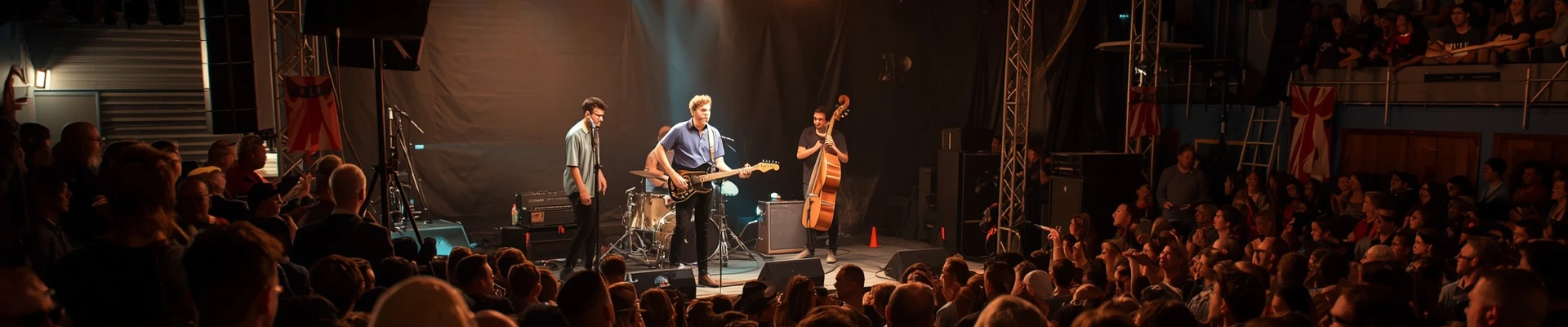
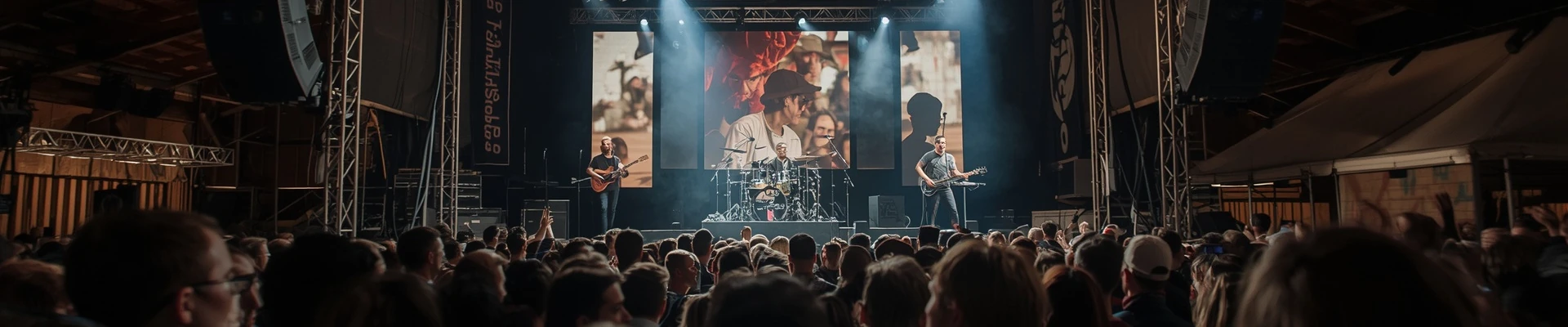
The city's blues and roots tradition runs deep. The Ventura Music Festival, founded in the 1990s and revived periodically, programs blues, jazz, and roots acts through the historic downtown. Bombay Bar and Grill on Thompson Boulevard has been one of the most consistent blues rooms on the 101 Corridor, booking regional and national blues touring acts. The Majestic Ventura Theater — a 1928 Spanish Revival venue on Main Street — is the city's most important live music room, hosting indie, Americana, folk, and rock touring acts in a beautifully preserved 1,200-capacity space.
The ska and reggae scene drew strength from Ventura's working-class beach suburbs and the broader Southern California 1990s wave. Slightly Stoopid, the San Diego-based reggae-rock band, plays regularly along the Ventura–Santa Barbara corridor and is the sound of beach bonfires and 101 highway drives. Ventura's proximity to Santa Barbara — home to the Santa Barbara Bowl and Lobero Theatre, two of the finest outdoor and intimate venues in California — means the region's music fans have access to premier concert infrastructure just up the coast.
The city's Mexican-American community — Ventura County's population is roughly 40% Hispanic, with a long-established Mexican-American community rooted in agricultural labor and now spanning all sectors of the economy — sustains a vital regional Mexican, norteño, and banda scene. The ventura fairgrounds area and community halls host major Mexican touring acts. The Día de los Muertos celebration in downtown Ventura has become one of the county's largest cultural events, with music at its centre.
Electronic and indie music has found footholds in the surf and beach bar scene. Zoey's Café (now closed but historically central) and a rotation of Main Street venues have programmed local original music through the 2000s and 2010s. The Ventura Improv Company building and various arts spaces in the art district around California Street have hosted experimental and indie performances. The Discovery Ventura venue on Main Street programs comedy and music in a cabaret format.
Venues and neighborhoods
Downtown Ventura — the historic Main Street corridor running east from the mission — is the heart of the music scene. The Majestic Ventura Theater (1928 Spanish Revival, ~1,200 cap.) is the flagship room, booking touring indie, folk, Americana, and alternative rock. Bombay Bar and Grill on Thompson anchors the blues circuit. The Ventura Music Hall (former downtown venue) hosted larger indie touring acts. The Tavern on Main programs country and Americana. Dargan's Irish Pub runs a regular acoustic and traditional Irish music series. The Garage and various smaller rooms provide a floor-level indie and original music scene.
The Ventura Harbor area adds the Ventura Harbor Village boardwalk with seasonal outdoor music programming. The Ventura County Fairgrounds — a sprawling complex on the beach — hosts concerts during the Ventura County Fair (one of the oldest county fairs in California, established in 1875) and periodic standalone touring events. The Olivas Adobe Historical Park programs outdoor summer concerts in a historic Mexican-period adobe setting.
Neighborhoods divide the music geography loosely: Downtown anchors the indie, blues, and touring scene; Midtown (along Thompson Boulevard) hosts bars with live music; East Ventura anchors the Latin music community; the Avenue (Ventura Avenue, the old working-class corridor through the oil-field neighborhoods) has historically been the city's most authentic rough-edged district, with dive bars and neighborhood music rooms.
The proximity to Ojai — a mountain arts community 24 km inland with the Libbey Bowl outdoor amphitheatre and a strong classical and world music tradition — extends the regional music ecosystem. Ojai's Ojai Music Festival (founded 1947) is one of the most celebrated contemporary classical music festivals in the Western United States, drawing internationally prominent composers and performers every June to a venue 30 minutes from Ventura's beaches.
Festivals and signature events
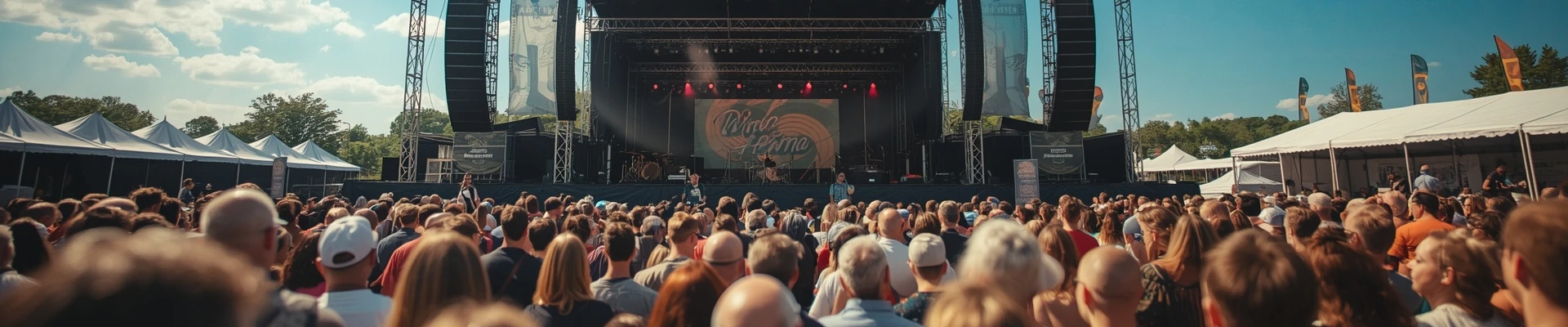
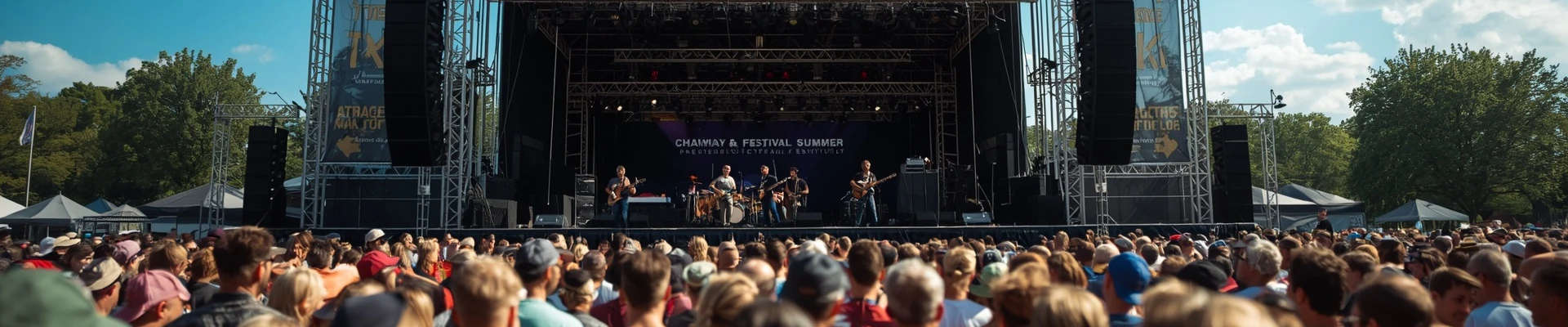
Ventura Music Festival — historically programmed through the downtown historic district, featuring blues, jazz, roots, and acoustic acts. Ventura County Fair (July–August, established 1875) programs headline touring country, classic rock, and pop acts at the beach fairgrounds — one of the longest-running county fairs in California. Fiesta San Buenaventura — the annual celebration of the city's Spanish colonial founding, with music, food, and cultural events around the mission. Ventura Art & Street Faire — outdoor arts festival with live music programming. Ventura Chalk Festival and Street Fair on Main Street blend visual arts and live performance. Día de los Muertos Ventura has grown into a major community cultural event with traditional and contemporary music. Concerts in the Park programs free outdoor summer concerts at various city parks. The Ojai Music Festival (just up the 33 Highway) draws the regional classical and contemporary music audience.
The surf competition calendar — Rincon Classic at the legendary Rincon Point just south of the Santa Barbara county line, various contests at C Street (Surfers' Point), the long right-hand point break that has been surfed since the 1930s — connects surf culture to its musical soundtrack of reggae, ska, and beach indie throughout summer.
What ties it all together
Ventura's musical signature is the sound of California coastal life at human scale — not the industrial pop machinery of Los Angeles 90 miles down the freeway, not the Wine Country elegance of Santa Barbara 30 miles up, but the specific texture of a beach city with a working harbor, a mission, strawberry fields on the plain, oil derricks in the hills, Patagonia headquarters on a side street, and surfers at C Street every morning. The Majestic Ventura Theater is the emblematic room: a 1928 Spanish Revival cinema turned concert hall on the old Main Street, booking touring indie acts for an audience that is as likely to have surfed that afternoon as not. The Ventura County Fair brings country and classic rock to a beach fairgrounds that has been operating since before California was a state. The Ojai Music Festival pulls the world's most adventurous composers to a mountain bowl 30 minutes from the ocean. The Mexican-American community's regional Mexican and banda scene runs through the same county that grows the strawberries that feed half of California. Ventura is a small city with a big geographic identity — the Pacific visible at the end of every downtown street — and a music scene that reflects the complicated, beautiful, workaday, surf-and-mission reality of the California coast.