
Desert Geography and the High Desert Identity
Victorville sits at roughly 2,800 feet above sea level in the Victor Valley, a broad alluvial basin carved by the Mojave River at the southwestern edge of the Mojave Desert, about 90 miles northeast of Los Angeles and 35 miles north of San Bernardino. The San Bernardino Mountains rise sharply to the south, defining a visual wall that separates the High Desert from the suburban Inland Empire below Cajon Pass. To the north and east, the land opens into the vast flatness of the Mojave — a landscape of joshua trees, volcanic rock, and dry lakebeds stretching toward Nevada.
San Bernardino County, of which Victorville serves as the de facto commercial and service hub for the High Desert sub-region, is geographically the largest county in the contiguous United States. Victorville anchors a metropolitan area — the Victorville–Hesperia–Apple Valley Tri-Cities corridor — that grew explosively in the early 2000s as buyers priced out of coastal California sought affordable tract housing in the desert. That growth produced a city of around 122,000 people whose demographics skew heavily young, Latino, and working-class: logistics workers at the sprawling warehouses along Interstate 15, healthcare workers at Desert Valley Hospital and Victor Valley Global Medical Center, military and civilian employees connected to the former George Air Force Base (now Southern California Logistics Airport), and a large contingent of commuters willing to drive 90 minutes over Cajon Pass to jobs in Los Angeles and San Bernardino.
This is the context that shapes Victorville's music culture: a car-dependent, geographically isolated city of transplants and desert-born working families, far from the coastal cultural machinery, with deep ethnic diversity and a stubborn local pride about its position on the margins of the California dream.
Route 66 and the American Road Mythology
Victorville sits directly on the path of U.S. Route 66, the historic highway that once connected Chicago to Los Angeles across the American interior. The Route 66 corridor through the High Desert — Victorville was a key overnight stop before the ascent of Cajon Pass — carries an enormous amount of cultural weight, and the city has leaned into its road mythology with the California Route 66 Museum downtown. That mythology resonates musically in the city's country and roots traditions: Route 66 is embedded in dozens of songs from the classic country and rockabilly era, and Victorville's connection to that corridor gives it a tangible link to the romanticized West that drives country music's imaginative geography.
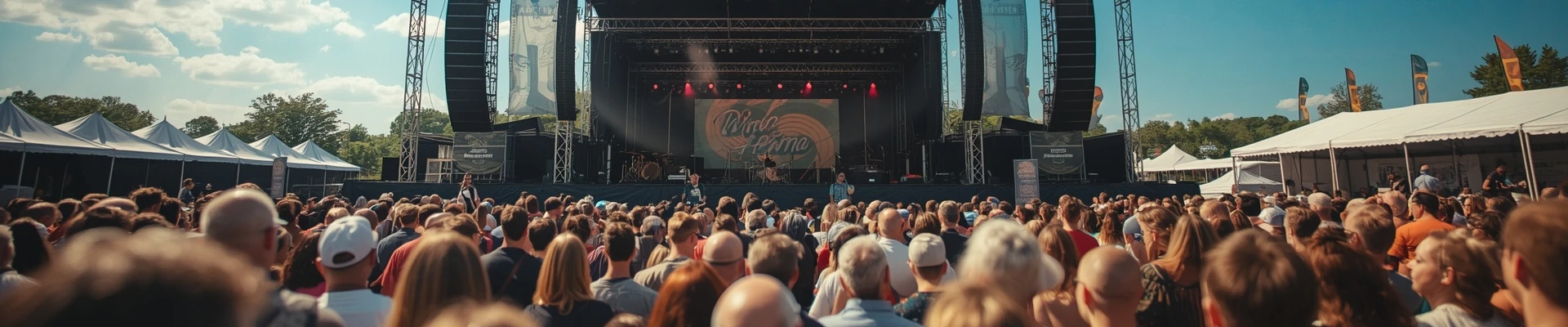
Country music has always had a home in the High Desert. The region's demographics — a mix of working-class families tracing roots to the Southwest, the Great Plains, and the Dust Bowl diaspora — created fertile ground for honky-tonk, Western swing, and later the harder-edged country sounds that proliferated after Nashville's pop turn in the 1980s. Local bars and roadhouses along the old highway strip have hosted country acts for decades, and the High Desert's county fair circuit (the San Bernardino County Fair in Victorville, held annually in May, is the largest county fair event in the region) brings national country and regional Latin acts to a desert audience that turns out in serious numbers.
The Inland Empire Rap Connection
The most significant contribution Victorville and the surrounding High Desert have made to American popular music is through the Inland Empire hip-hop scene — a sprawling, underappreciated regional movement that produced some of the most influential rap music in California history. While the IE rap story is often told through Compton and Long Beach, the High Desert's role is real and documented.
Xzibit — born Alvin Nathaniel Joiner — spent formative years in Albuquerque and Detroit before connecting with the West Coast scene, but it is the broader Inland Empire corridor that gave his career context. More directly tied to the Victor Valley, the Brotha Lynch Hung extended universe of Sacramento-rooted horrorcore had significant fan bases in High Desert communities during the 1990s, and local crews and battle rap circles developed throughout Victorville, Apple Valley, and Hesperia in ways that rarely received press coverage but sustained a genuine underground culture.
The High Desert's most direct contribution to the LA rap canon comes through its position as a bedroom community for the Greater Los Angeles music industry: session musicians, producers, and artists who could not afford Compton or Inglewood settled in the High Desert during the 1990s and 2000s, and their presence seeded local studios and informal networks. The city produced its own wave of battle rappers and street-level hip-hop acts who circulated mixtapes through the High Desert corridor and performed at venues like the San Bernardino County Fairgrounds, at house parties, and at the modest club circuit that developed along Seventh Street and the commercial corridors flanking Interstate 15.
By the 2010s, as streaming democratized distribution, Victorville artists — particularly in the rap, trap, and corridos tumbados spaces — began building followings that extended well beyond San Bernardino County. The city's social media-savvy younger generation, many of them children of the housing-boom era who grew up with no particular loyalty to LA's established label geography, approached music as a parallel hustle alongside the warehousing and logistics economy, and that entrepreneurial detachment from industry gatekeeping has produced a consistent trickle of acts with regional profiles.
Regional Mexican: The Dominant Live-Music Culture
Walk into any high-traffic strip mall in Victorville on a weekend evening and the sound most likely to be audible from the parking lot is banda sinaloense or norteño. The city's Latino population — predominantly Mexican and Mexican-American, representing roughly half the total population and a majority of the under-30 demographic — has made regional Mexican music the dominant genre of the city's live entertainment economy.
Banda, norteño, cumbia, and the newer corridos tumbados format (the hybrid of trap rhythms and corrido storytelling associated with artists like Peso Pluma, Natanael Cano, and Junior H) drive the playlist at dance halls, restaurants, and the events that generate the city's most consistent live-music attendance: quinceañeras, weddings, baptisms, and the series of seasonal celebrations — Cinco de Mayo, Fiestas Patrias in September — that serve as de facto festivals for the High Desert's Latino community.
The San Bernardino County Fair, which has historically booked a combination of country, classic rock nostalgia, and Spanish-language acts across its grandstand, increasingly reflects this demographic reality. Regional Mexican touring acts now command some of the fair's strongest gate numbers, and local promoters who work the High Desert circuit book bands that range from established touring acts to regional combos drawing from the growing pool of Victorville-area musicians who specialize in banda and norteño performance.
George Air Force Base and Military Music Culture
The legacy of George Air Force Base — opened in 1941, expanded dramatically during the Cold War, and closed in 1992 under the Base Realignment and Closure process — profoundly shaped Victorville's demographic character. The base brought military families from across the United States, creating a multicultural community in the middle of the desert decades before surrounding cities were confronting similar demographic transitions. African-American military families in particular established a significant community presence in Victorville during the base years, and the gospel, R&B, and soul traditions they brought created a cultural substrate that persisted long after the base closed.
The conversion of George AFB to Southern California Logistics Airport, combined with the development of massive logistics warehouses and light manufacturing facilities on the former base grounds, transformed the eastern edge of Victorville into one of the Inland Empire's primary employment nodes. The workers who fill those warehouses — many of them Black and Latino residents of Victorville and the surrounding communities — carry the musical tastes that sustain the city's R&B, gospel, and Latin dance venues.
Venues and the Local Scene
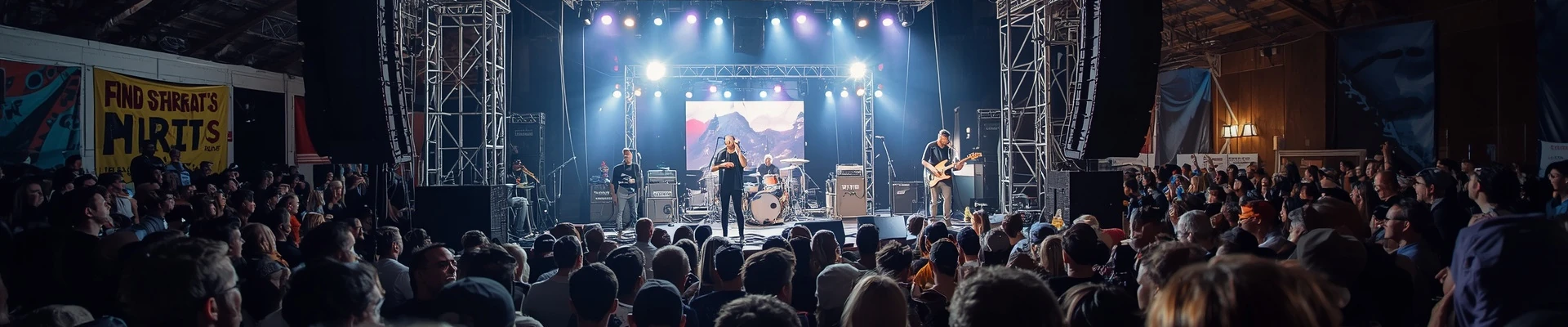
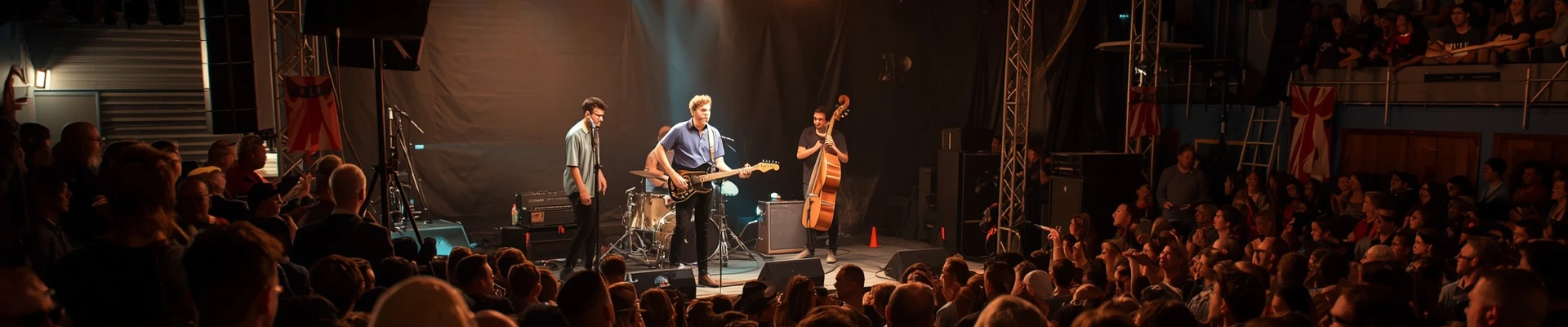
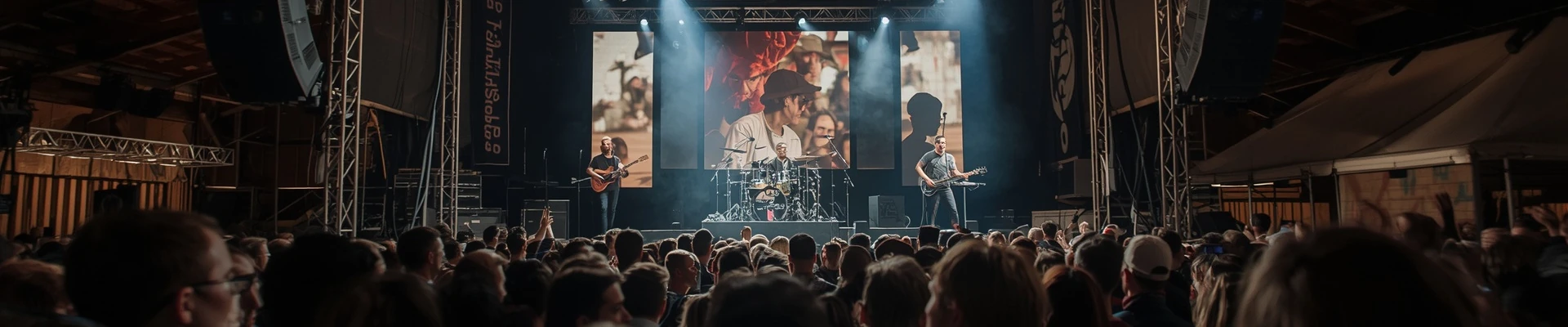
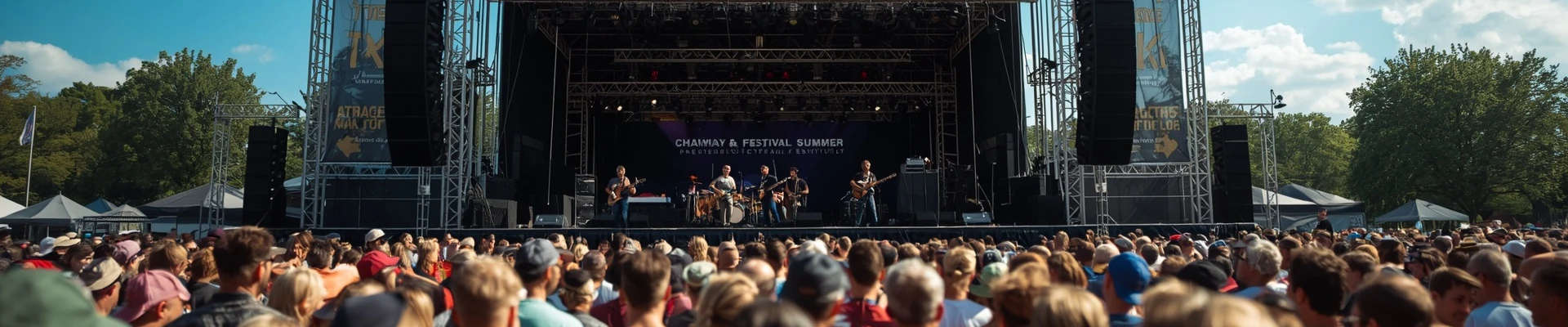
Victorville's live-music infrastructure reflects its size and relative distance from metropolitan cultural anchors. The San Bernardino County Fairgrounds, which hosts the annual county fair as well as year-round events, is the largest venue in the High Desert and the room that brings the biggest touring acts — regional Mexican headliners, country artists, Latin pop, and nostalgia circuit performers — to the area.
The Green Tree Inn & Suites entertainment complex and other hotel-adjacent venues along Seventh Street and the commercial strips near Bear Valley Road host weekend tribute acts, cover bands, DJs, and occasional touring support slots. The Victorville bar and club scene is modest but functional: a rotating cast of venues that serve the entertainment demand of a working-class city that is unlikely to draw headline acts on its own but reliably delivers audiences for regional and secondary touring.
Several small recording studios operate in the High Desert — home studios and semi-professional rooms that serve the local hip-hop, corridos, and regional pop community. These are not nationally known facilities, but they sustain the production infrastructure that allows local artists to record and distribute without driving to Los Angeles.
The High Desert Music Ecosystem
What makes Victorville's music scene cohere — beyond any single genre or venue — is the fact of its isolation. A 90-mile drive from Los Angeles, above a mountain pass that closes in winter storms, the city operates as its own entertainment market out of practical necessity. The audience that shows up for a Friday-night band at a High Desert club is largely not the same audience that spends weekends at Hollywood clubs; the economic and logistical reality of desert distance has created a genuine local scene that functions more like a mid-sized Midwestern city than a Los Angeles suburb.
That isolation breeds a different relationship to live music: more communal, more rooted in the annual calendar of fairs and festivals, more focused on the dance-hall tradition that both country and regional Mexican share as a performance format. The Victor Valley — Victorville, Apple Valley, Hesperia, and their unincorporated surrounds — functions as a collective music market, and artists who learn to work that market find a loyal audience that is starved for local entertainment precisely because the distance to Los Angeles is real.
What Ties It All Together
Victorville's musical identity is shaped by its position as a desert crossroads: Route 66 meets Interstate 15, the Mojave meets the Inland Empire, working-class Black and Latino communities meet the country and Western traditions of the Dust Bowl diaspora. No single sound defines the city, but a consistent thread runs through its music culture — music made by and for people doing the hard physical work of the American economy, in a place where the distance from the entertainment industry's centers has turned local entertainment into a genuine necessity rather than an optional amenity. The desert doesn't polish music into marketable packages; it keeps it rough, communal, and real, and Victorville's scene — banda at the fairgrounds, hip-hop on SoundCloud, country at the roadhouse — is more honest for it.