

Vista is a city of roughly 100,000 people in North San Diego County, California, sitting about 13 kilometres inland from the Pacific Ocean at an elevation of around 150 metres. It occupies a gentle inland valley between the San Marcos hills to the east and Oceanside to the west, about 50 kilometres north of downtown San Diego and 140 kilometres south of Los Angeles. The city is warm and dry, sheltered from the coastal marine layer that softens temperatures in Oceanside and Carlsbad, giving Vista a characteristically sunnier and hotter inland microclimate — the kind of weather that makes the open-air Moonlight Amphitheatre a reliable summer institution. Economically, Vista is working-class and mid-range suburban — a city of light manufacturing, logistics, retail services, healthcare, and a fast-growing craft-food and beverage sector. Vista is home to one of the densest concentrations of craft breweries per capita in Southern California, earning it a reputation as a genuine destination on the San Diego County brewing circuit.
A brief history
The land of the Vista area was home to the Luiseño (Payómkawichum) people for thousands of years before Spanish colonization, with the missions of San Luis Rey (established in 1798, about 12 kilometres to the west in present-day Oceanside) defining the colonial geography of the region. After the Mexican period and American annexation in 1848, the area was part of the broad San Diego County rancho system. Vista was formally established as a community in the late 19th century — its name is Spanish for "view," a reference to the panoramic sightlines from the local hillsides. The city incorporated in 1963.
Through the mid-20th century, Vista grew steadily as a bedroom community for military families at Camp Pendleton (the large Marine Corps base immediately to the north-west) and Miramar (now Marine Corps Air Station Miramar), and as a service hub for North County agriculture — avocados, citrus, and nursery plants have been major industries in the region. The 1980s and 1990s brought suburban expansion, a growing Latino population tied to agricultural and construction labour, and the emergence of light manufacturing along the major corridors. The city's demographics shifted significantly: today roughly 45% of Vista's population identifies as Hispanic or Latino, a demographic reality that has shaped the city's culture, food, and music deeply.
The 2000s and 2010s saw Vista's downtown corridor begin a gradual revitalization, anchored in part by the growth of craft breweries — Belching Beaver Brewery, Mother Earth Brew Co., and Wavelength Brewing are among the anchors — and the continued health of the Moonlight Amphitheatre, which has operated as the city's flagship outdoor music and performing arts venue since 1961.
Music identity
Vista's music identity is built on three pillars: the Moonlight Amphitheatre as the city's civic performing arts anchor; a gritty, prolific rock, punk, and hardcore underground that connects directly to the broader San Diego County scene; and a Latin music ecosystem sustained by the city's large Mexican and Central American community.
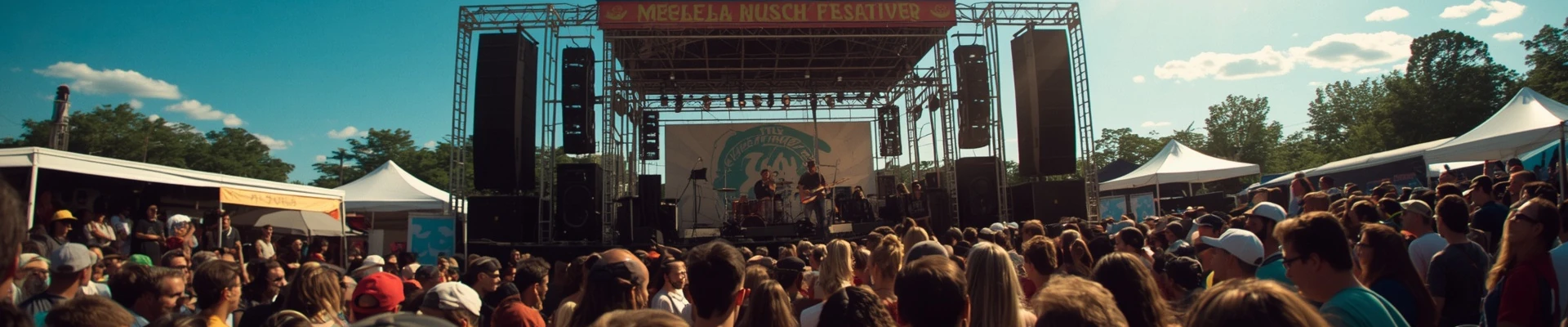
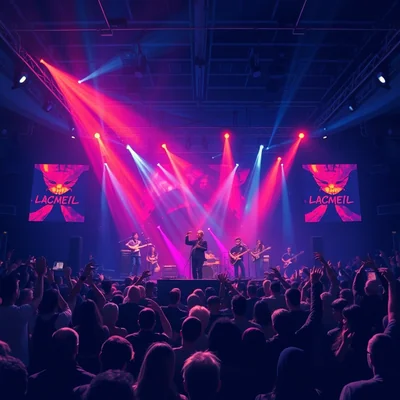
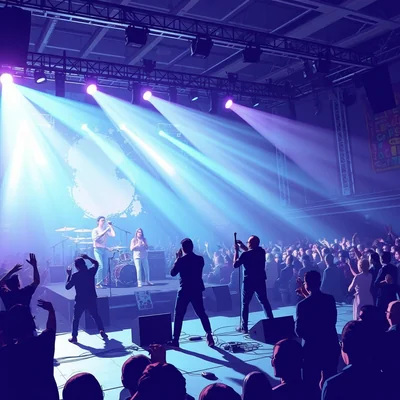
The Moonlight Amphitheatre — operated by the City of Vista in the scenic Brengle Terrace Park — is the city's most nationally distinctive music asset. Opened in 1961 and rebuilt in the 1980s, it seats approximately 2,000 on a sloped lawn and hosts a summer season of Broadway musicals, pop concerts, classic rock tribute acts, and the occasional touring roots act. It is beloved by North County residents and has become an informal civic institution — the kind of outdoor venue where generations of San Diego County families have seen their first live music. The quality of the facility, the sightlines, and the warm summer nights make it one of the more charming mid-size outdoor venues in Southern California.
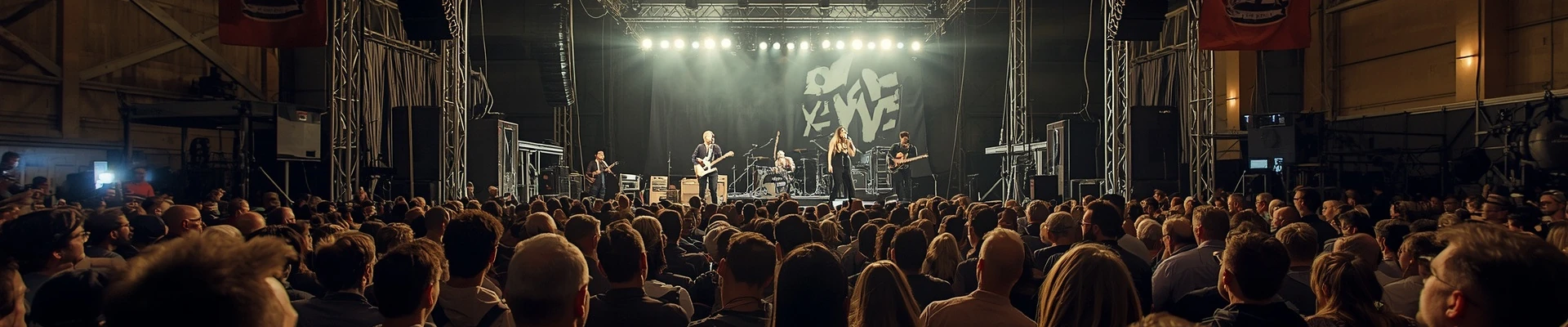
Vista's rock and punk underground is quieter in profile than San Diego proper — which gave the world Blink-182 (from Poway and San Diego), Rocket from the Crypt, Drive Like Jehu, and a generation of post-hardcore bands on Cargo Records and Headhunter Records — but it is real and continuous. The city has sustained a working-class DIY circuit of garage bands, punk acts, and metal units circulating through the North County venue network. The Belly Up Tavern in nearby Solana Beach, The Observatory North Park in San Diego, and Brick by Brick (now closed) all served as step-up venues for North County bands; Vista musicians regularly play these rooms. The North County scene connects to broader San Diego County punk and indie networks through booking networks and rehearsal infrastructure. Several members of noted San Diego-area bands have lived or rehearsed in Vista.
The Latin music scene in Vista reflects the city's demographics. Norteño, banda, cumbia, reggaeton, and contemporary regional Mexican music all circulate through local venues, quinceañera halls, and outdoor events. The city's Cinco de Mayo and Mexican Independence Day celebrations bring Latin music into public space annually. The tight-knit Mexican and Central American community sustains a robust informal circuit of live music at restaurants, clubs, and cultural events that operates largely outside of mainstream media visibility but is central to daily life for a large portion of Vista's residents.
A smaller but notable thread in Vista's music life is the city's Christian and gospel scene, tied to the large network of evangelical and Catholic churches serving North County's Latino and Anglo communities alike — a circuit of praise bands, youth worship groups, and gospel choirs that feeds young musicians into broader popular music.
Vista has not produced a household-name artist of national stature, but it has contributed to the steady human infrastructure of Southern California's music industry — musicians, sound engineers, crew, teachers, and venue workers who cycle through the regional system.
Venues and neighborhoods
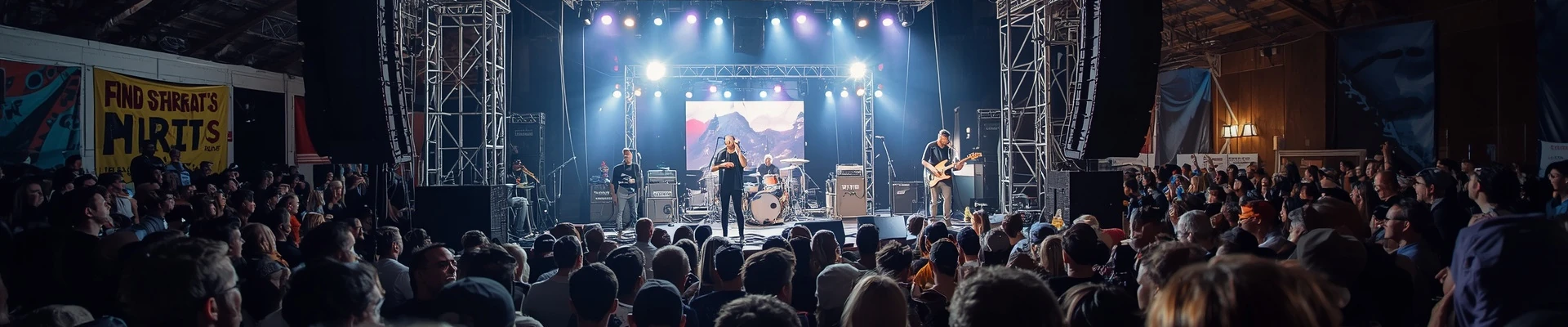
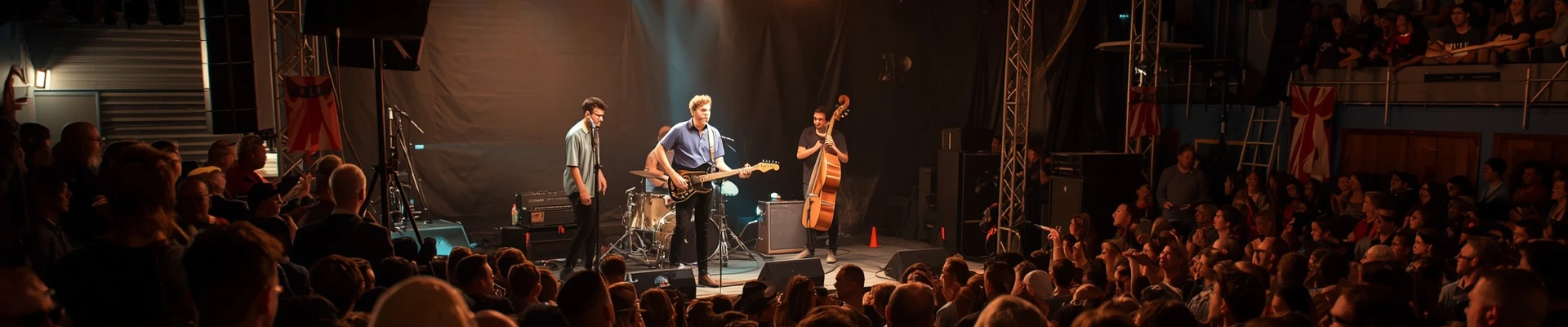
Vista's venue ecosystem is small but coherent. At the top sits Moonlight Amphitheatre (2,000-capacity outdoor lawn amphitheatre in Brengle Terrace Park — the city's flagship), which programs its summer season from May through September. Below it, the downtown Vista corridor along Main Street and South Santa Fe Avenue has become the city's primary entertainment district, anchored by the clustering of craft breweries that also host live music on weekends: Belching Beaver Brewery (one of the city's most visible craft brands, with taprooms across the county), Mother Earth Brew Co. (a significant North County brewery known also for live events), Wavelength Brewing, Iron Fist Brewing, and a growing collection of smaller taprooms. The breweries collectively host local rock, country, acoustic, and DJ programming on weekends, functioning as the de facto small-venue layer that many mid-size cities delegate to dedicated clubs.
The North County Fair (now Westfield North County mall) area to the south-east of downtown is a conventional retail and entertainment corridor. Further from downtown, Brengle Terrace Park is the green-space anchor, home to the amphitheatre. The East Vista and South Vista corridors have concentrations of Latino-owned businesses and the informal venues — restaurants, banquet halls, and clubs — that sustain the Latin music circuit.
Nearby towns provide additional infrastructure: Oceanside (about 10 km west) has its own independent music scene and the The Hi-Hat and Sunset Market live music infrastructure; Escondido (about 20 km south-east) has the California Center for the Arts (a 1,500-seat concert hall and 400-seat theatre complex that serves the whole of North County); Carlsbad (about 10 km south-west) has the The Belly Up secondary circuit; and San Diego proper (50 km south) provides the full range of venues for touring acts.
Festivals and signature events
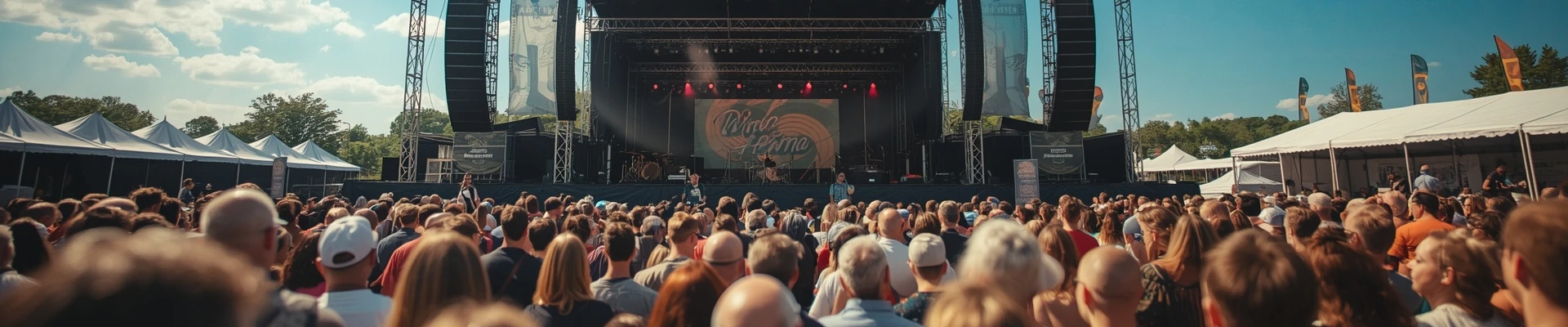
Vista's festival calendar is modest but consistent. The Moonlight Amphitheatre Summer Season is the city's signature annual event series — running from late May through September, it includes both theatrical productions and concert programming. Vista Rod Run (the annual classic car show that brings custom cars and rockabilly and roots music into downtown Vista) is one of North County's beloved community events. Taste of Vista (the annual food and beverage festival celebrating the city's brewery and restaurant scene) has grown with the craft beer corridor. Cinco de Mayo celebrations and Mexican Independence Day events (September 16) anchor the Latin community's public cultural calendar. The Brengle Terrace Park series programs free community concerts through the summer. The broader San Diego County Fair in Del Mar (about 30 km south) draws Vista residents for its major-label concert programming each June and July.
Vista's craft brewery identity has also driven informal festival culture — tap takeovers, beer festivals, and brewery-circuit crawls that bring live music into the taproom network on weekends and during the summer season.
What ties it all together
What makes Vista's music life coherent is the combination of the Moonlight Amphitheatre's civic anchor role, the brewery-as-venue model that has turned the downtown corridor into a distributed small-venue ecosystem, and the Latin music underground that sustains a parallel circuit largely invisible to mainstream coverage. Vista is not a city that has exported famous bands or defined a nationally recognizable sound — it is a city that has quietly supported working musicians, provided a beloved outdoor venue for North County families for more than sixty years, and grown a craft-beer district that doubles as the city's live music infrastructure. In a county defined by the coastal cool of San Diego proper and the beach-city scenes of Encinitas and Oceanside, Vista occupies the inland working-class position — sunny, practical, and genuinely musical in the everyday way that matters most.