
Atlanta is the capital of Georgia and the 38th-largest city in the United States by population within city limits, with roughly 511,000 residents inside the city limits but more than 6.2 million across the surrounding metropolitan area — making it the ninth-largest metro in the country. Sitting at roughly 320 metres above sea level on the Piedmont Plateau where the Appalachian foothills meet the Atlantic coastal plain, 400 km inland from the Atlantic coast, ringed by the suburbs of Decatur, College Park, East Point, Smyrna, and the vast sprawl of Fulton, DeKalb, Cobb, Gwinnett, and Clayton counties, it is the economic, governmental, and cultural capital of the American South. Atlanta is home to CNN, Coca-Cola, Delta Air Lines, Home Depot, UPS, Chick-fil-A, and the Centers for Disease Control and Prevention — and also to a concentration of HBCUs (Morehouse, Spelman, Clark Atlanta, Morris Brown, Interdenominational Theological Center) that has made the city a global center of Black intellectual and creative life. Atlanta's musical identity reflects that extraordinary concentration of Black creative energy: it is the birthplace of trap music, one of the foundational cities of Southern hip-hop and Dirty South rap, a major gospel and contemporary Christian music capital, the home of an acclaimed OutKast-era underground hip-hop legacy, and a fast-growing modern pop and R&B machine.
A brief history
The land in the Georgia Piedmont was Cherokee and Muscogee (Creek) territory before American settlers arrived in the early 19th century. The settlement was established in 1837 as the terminus of the Western and Atlantic Railroad and incorporated as the city of Atlanta in 1847 — named for the railroad. The city grew rapidly as a rail hub; General William T. Sherman burned much of it during his March to the Sea in 1864. Reconstruction-era Atlanta rebuilt quickly and became the capital of the New South — the symbol of Southern industrialization and the headquarters of Booker T. Washington's industrial education movement. Through the early 20th century Atlanta was the scene of both the 1906 Atlanta race riot and the 1915 revival of the Ku Klux Klan at Stone Mountain — but also the home of Morehouse College (founded 1867), Spelman College (1881), and the broader Atlanta University Center that made the city a center of Black education. Martin Luther King Jr. was born in Sweet Auburn in 1929, came up in the city's Black church tradition, and returned to Atlanta repeatedly through the Civil Rights Movement. The 1996 Summer Olympics put Atlanta on the global map. The 21st-century explosion of the city's film and television industry (Georgia's tax incentives have made Atlanta the third-largest film market in the world, behind Hollywood and New York) and the continued growth of its corporate base have driven explosive population growth in the metropolitan area.
Music identity
Atlanta's modern musical history starts with gospel. The city's Deep South Black church tradition — particularly through the New Birth Missionary Baptist Church, Ebenezer Baptist Church (where Martin Luther King Sr. and Jr. both served), Greater Piney Grove Baptist Church, and a network of megachurches across the metropolitan area — has fed a continuous gospel tradition from the early 20th century to the present. Thomas A. Dorsey (the father of Black gospel music) was born in Villa Rica, Georgia and came up through Atlanta before moving to Chicago. Reverend James Cleveland routed through Atlanta constantly. Donald Lawrence, Kirk Franklin's Atlanta connections, Tye Tribbett, Todd Galberth, and the broader contemporary gospel movement all have deep Atlanta roots. The city's HBCUs — particularly Morehouse and Spelman — have sustained choral and classical music programming of the highest quality.
The defining Atlanta musical innovation, however, is Southern hip-hop — specifically, the complex of genres that emerged from Atlanta clubs, studios, and streets in the 1990s, 2000s, and 2010s that collectively constitute one of the most consequential bodies of music in modern American history. The first wave, in the mid-1990s, was built around LaFace Records (founded in Atlanta by L.A. Reid and Babyface, who relocated from Indianapolis) — the label that signed TLC, Toni Braxton, Usher, Pink, Goodie Mob, and Outkast. OutKast — André 3000 (André Lauren Benjamin) and Big Boi (Antwan André Patton), both raised in East Point and College Park — released Southernplayalisticadillacmuzik (1994), ATLiens (1996), Aquemini (1998), Stankonia (2000), and Speakerboxxx/The Love Below (2003), and are widely regarded as one of the greatest hip-hop acts in history. Their counterparts Goodie Mob — CeeLo Green, Gipp, Khujo, and T-Mo — released Soul Food (1995), one of the foundational Dirty South albums. Arrested Development, the Atlanta-based hip-hop group, won two Grammy Awards in 1993. Ludacris (Christopher Brian Bridges), raised in Atlanta and a graduate of Georgia State, broke with "What's Your Fantasy" (2000) and built one of the most commercially successful hip-hop careers of the 2000s. Lil Jon (Jonathan Smith), the Atlanta DJ and producer who co-created crunk — a bass-heavy club-oriented variant of Southern hip-hop — drove one of the most distinctive early-2000s sounds through Kings of Crunk (2002) and a string of club anthems. T.I. (Clifford Joseph Harris Jr.) from Bankhead, the self-proclaimed "King of the South," released Trap Muzik (2003) — the album that gave trap music its name and codified the genre's aesthetic, complete with the ATL trap hi-hat, 808 bass, and dark, street-narrative lyricism.
The second great Atlanta hip-hop wave came in the late 2000s and 2010s. Young Jeezy (Jay Wayne Jenkins), Gucci Mane (Radric Delantic Davis, one of the most prolific American rappers of the 21st century and the godfather of Atlanta trap's second act), Rick Ross's Atlanta connections, 2 Chainz (Tauheed Epps, raised in College Park), B.o.B (Bobby Ray Simmons Jr.), Waka Flocka Flame (raised in Riverdale), Rae Sremmurd's Atlanta ties, Migos (Quavo, Takeoff, and Offset, raised in Gwinnett County), Young Thug (Jeffery Lamar Williams, raised in Jonesboro South projects), Future (Nayvadius DeMun Wilburn, raised in Kirkwood), 21 Savage (Shéyaa Bin Abraham-Joseph, raised in DeKalb County), Lil Baby (Dominique Armani Jones, raised in Oakland City), Gunna (Sergio Giavanni Kitchens), Lil Yachty (Miles Parks McCollum), Playboi Carti (Jordan Terrell Carter), Kodak Black's Atlanta connections, Cardi B's Atlanta ties, and a current generation of artists have made Atlanta the unchallenged capital of modern hip-hop production and style through the 2010s and 2020s. The Quality Control Music label (home of Migos, Lil Baby, City Girls, and a generation of Atlanta rap royalty), 300 Entertainment, YSL Records (Young Thug), Alamo Records's Atlanta presence, and the broader Atlanta studio complex — Patchwerk Recording Studios, Circle House Studios, Tree Sound Studios — anchor the industry infrastructure.
Atlanta's R&B and contemporary soul lineage runs through the LaFace era (TLC, Toni Braxton, Usher), continues through Monica, Ciara (raised in Pearland, Texas but an Atlanta product), Kelis's Atlanta recording ties, Janelle Monáe (raised in Kansas City but an Atlanta HBCU graduate), India.Arie (raised in Denver but an Atlanta resident), and a deep current R&B community. Outkast's André 3000's solo work and Big Boi's solo catalogues remain central. Atlanta's contemporary Christian music scene — through Bethel Music's Atlanta touring, Lecrae (raised in Atlanta), Andy Mineo, Trip Lee, KB, and the broader Reach Records label (Christian hip-hop, Atlanta-based) — is one of the most commercially significant in the country.
Venues and neighborhoods
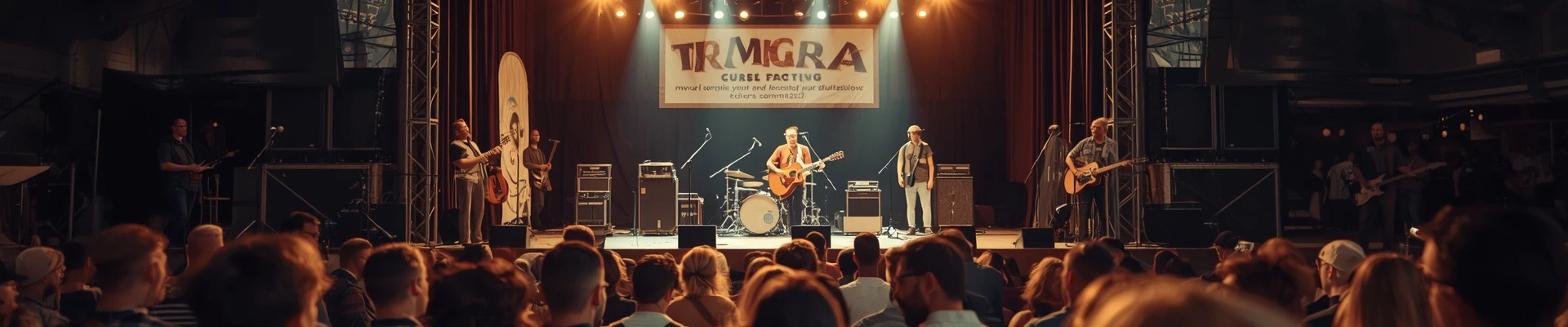
Atlanta's venue ecosystem is well-developed. At the top sit State Farm Arena (home of the Hawks, the city's largest indoor concerts), Mercedes-Benz Stadium (home of the Falcons and Atlanta United), Truist Park (home of the Braves, occasional stadium concerts), the Fox Theatre (the magnificent 1929 Moorish–Egyptian revival movie palace, one of the most beautiful concert venues in America), the Cadence Bank Amphitheatre at Chastain Park (the beloved outdoor amphitheater in Buckhead), the Coca-Cola Roxy (the 3,500-seat rock venue at the Battery), the Tabernacle (the landmark 1910 church turned concert hall in downtown), the Center Stage, the Buckhead Theatre, and the Atlanta Symphony Hall at the Woodruff Arts Center (home of the Atlanta Symphony Orchestra). The midsize tier includes Terminal West, the Variety Playhouse in Little Five Points (one of the most beloved mid-size venues in the South, in operation since 1981), Masquerade (in its various incarnations), The Earl in East Atlanta Village, and the Vinyl at Center Stage. Beneath them is a deep club layer — The Earl, the Basement (in East Atlanta), Smith's Olde Bar, Aisle 5, The Independent, Northside Tavern (the long-running Atlanta blues and jam venue), Sister Louisa's Church (the irreverent bar in Inman Park), the Star Bar in Little Five Points, Joystick Gamebar, and a network of bars and DIY rooms across Little Five Points, East Atlanta Village, the BeltLine, Ponce de Leon Avenue, and Old Fourth Ward. Blind Willie's and Darwin's Burgers & Blues anchor the blues circuit. Latin music has homes at clubs across Buford Highway (the extraordinary international corridor of Doraville, Chamblee, and Norcross, just northeast of Atlanta, home to one of the most diverse restaurant and music landscapes in the South).
Different neighborhoods carry different musical identities. Little Five Points and East Atlanta Village anchor the indie rock, punk, and DIY scenes. Old Fourth Ward, Inman Park, and the BeltLine anchor the arts, higher-end bar, and boutique-venue circuits. Sweet Auburn and Vine City retain echoes of the historic Black music corridor. Bankhead and Mechanicsville anchor the trap and hip-hop scenes. Buckhead anchors the country, pop, and upscale club circuits. Midtown anchors the classical, opera, and arts circuits through the Woodruff Arts Center. Decatur (the small independent city just east of Atlanta) anchors a complementary indie and folk scene through Eddie's Attic and the Decatur Arts Festival. Buford Highway anchors the extraordinary Latin American, Korean, Vietnamese, and international music scenes of metro Atlanta.
Festivals and signature events
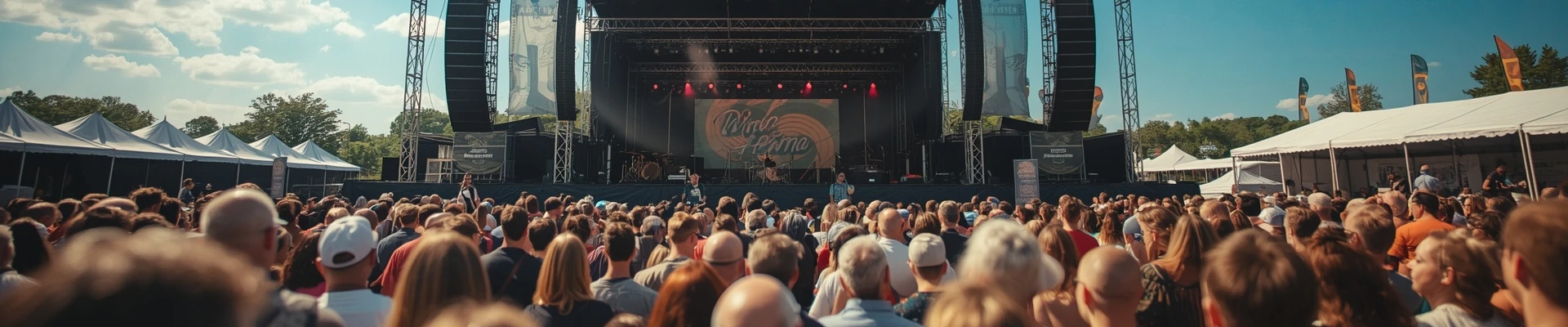
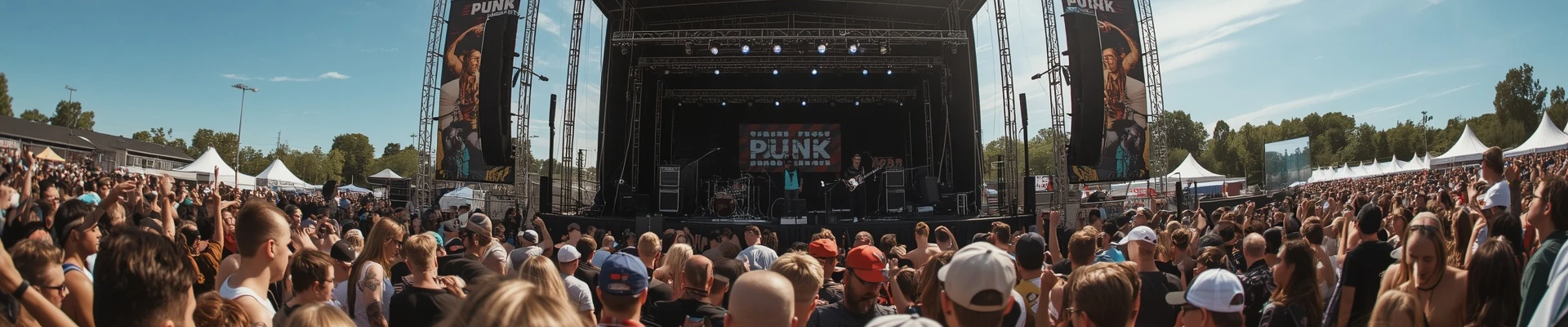
The festival calendar reflects the city's range. Atlanta Music Midtown at Piedmont Park each September is the city's flagship modern festival, drawing major rock, pop, and hip-hop acts. A3C Hip Hop Festival (the Atlanta hip-hop conference and festival) is one of the most important hip-hop industry events in the United States. ONE Music Fest is the city's flagship Black music and R&B festival. Shaky Knees at Central Park draws indie and alternative acts. Shaky Boots is the city's country festival. Atlanta Jazz Festival at Piedmont Park on Memorial Day weekend is the largest free jazz festival in the Southeast. AfroPunk Atlanta, Atlanta Pride (one of the largest Pride events in the South), Festival Peachtree Latino, Buford Highway Restaurant Crawl's music programming, National Black Arts Festival, Atlanta Caribbean Carnival, Taste of Atlanta, Dragon Con's music programming, Sweetwater 420 Festival, and Atlanta Dogwood Festival round out the calendar. The Atlanta Symphony's Verizon Wireless Amphitheatre programming and the Cadence Bank Amphitheatre's summer season anchor the larger outdoor circuit.
What ties it all together is Atlanta's extraordinary concentration of Black creative energy — amplified by the HBCUs, sustained by the church tradition, and channeled through one of the most consequential music industry infrastructures in modern American history. Atlanta is the city where T.I. gave trap music its name, where OutKast remade hip-hop twice, where Gucci Mane seeded a generation of modern rappers, where Migos, Future, Young Thug, Lil Baby, and 21 Savage built the dominant sound of 2010s and 2020s pop culture, where LaFace Records built TLC and Usher, where Lecrae and Reach Records built the modern Christian hip-hop industry, where the Fox Theatre and the Atlanta Symphony anchor one of the most beautiful arts ecosystems in the South, and where the trap hi-hat, the 808, and the drawl of Georgia continue to define the sound of the world.