

Columbus, Georgia sits at the fall line of the Chattahoochee River, the geographic seam where the Piedmont Plateau drops into the Coastal Plain, forming the natural rapids that powered the city's early textile mills and gave it an industrial identity that outlasted the mills themselves. With a population around 206,000, Columbus is the second-largest city in Georgia — only Atlanta exceeds it — and the anchor of the Columbus metropolitan area that extends across the state line into Phenix City, Alabama, directly across the river. The twin-city geography has always shaped the cultural and social life of both communities; for most of the 20th century, Phenix City's notoriously wide-open honky-tonks and gambling dens provided entertainment that was carefully off-limits in Georgia proper, creating a cross-river nightlife ecology that nurtured blues, jazz, and country music in ways that a single-jurisdiction city never could.
The city is home to Fort Moore — renamed in 2023 from Fort Benning, one of the largest Army installations in the United States and the home of the U.S. Army Infantry School, the Armor School, and the Army Ranger School. Fort Moore's presence has defined Columbus for nearly a century. The base injects tens of thousands of soldiers, their families, and civilian workers into the metropolitan economy and brings a constant rotation of people from every state and every musical tradition, producing a city with an unusually eclectic cultural cross-section for its size and geography. The military payroll underwrites a service economy, but it also fills clubs, theatres, and concert halls with a transient and musically hungry audience.
The Mother of the Blues
No city of Columbus's size can claim a more consequential musical birthright than the one born here on April 26, 1882. Ma Rainey — Gertrude Pridgett, raised in Columbus — became one of the most important performers in the history of recorded music. Known as the "Mother of the Blues," Rainey began performing in minstrel tent shows and vaudeville circuits as a teenager in Columbus and the surrounding region, developing the declamatory, powerhouse vocal style that would define classic blues. Her recordings for Paramount Records in the 1920s — including "Prove It on Me Blues," "See See Rider Blues," and "Tough Luck Blues" — established the template for blues as a commercial popular form, influencing every female blues singer who followed, from Bessie Smith to Billie Holiday to Aretha Franklin. Rainey retired to Columbus in 1935 and died here in 1939. The Ma Rainey House, her Columbus home, is a National Historic Landmark and the most visited music heritage site in the city; her legacy anchors every serious conversation about Columbus's cultural identity.
Ma Rainey is not the only significant musical figure with Columbus roots. John Denver, though born in Roswell, New Mexico, spent key formative years near Columbus because of his Air Force father's assignments. Country and gospel traditions run deep in the west Georgia corridor, and the Chattahoochee Valley — stretching from Columbus south toward Eufaula — was a major channel for the spread of blues from the Deep South northward through the Piedmont into the Carolina Piedmont blues tradition.
The Chitlin' Circuit and the Black Music Tradition
Through the 1930s, 1940s, and 1950s, Columbus was a reliable stop on the Chitlin' Circuit — the network of Black-owned venues across the South and Midwest where African-American artists could perform to Black audiences during the era of legal segregation. The Lyric Theatre on Broadway and a cluster of clubs in the city's historically Black neighborhoods hosted touring blues and jazz acts, and local bands developed robust regional reputations performing at military base clubs and civilian juke joints. This heritage made Columbus a node in the transmission of the blues tradition even as the genre's commercial center moved north to Chicago and Detroit.
The cross-river relationship with Phenix City was essential to this ecosystem. In the years before the Alabama governor cracked down in 1954 — when a wave of mob violence culminated in the assassination of a state attorney general — Phenix City operated as a nearly lawless entertainment district where musicians could find steady work at gambling halls and dancehalls that stayed open all night. Blues and boogie-woogie pianists, guitar players, and small combos cycled through these rooms for years, building the kind of road-house toughness that separates a performer from a musician.
Venues and the Live Scene
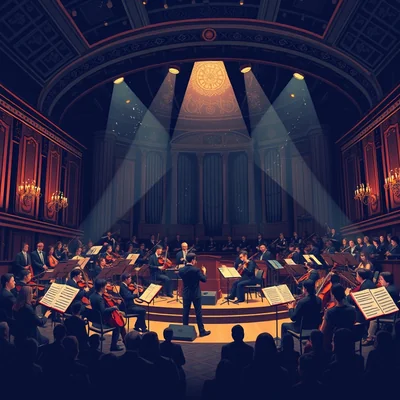
RiverCenter for the Performing Arts is Columbus's flagship cultural venue — a multi-hall complex opened in 2002 along the Chattahoochee riverfront that hosts the Columbus Symphony Orchestra, touring Broadway productions, national pop and country acts, and major orchestral guests. Its Bill Heard Theatre (1,200 seats) and the adjacent Three Arts Theatre give the city a rare combination of large-hall and intimate staging in a single facility.
The Springer Opera House, a National Historic Landmark on 10th Street and Georgia's official State Theatre, is one of the finest examples of Victorian-era theatrical architecture in the American South. Built in 1871 and restored in the 1960s and again in the 1990s, it has hosted Edwin Booth, Oscar Wilde, Will Rogers, and generations of touring companies. Today the Springer functions as a working regional theatre presenting musicals, dramas, and the occasional concert — and it remains one of the most acoustically intimate rooms of its size anywhere in the Southeast.
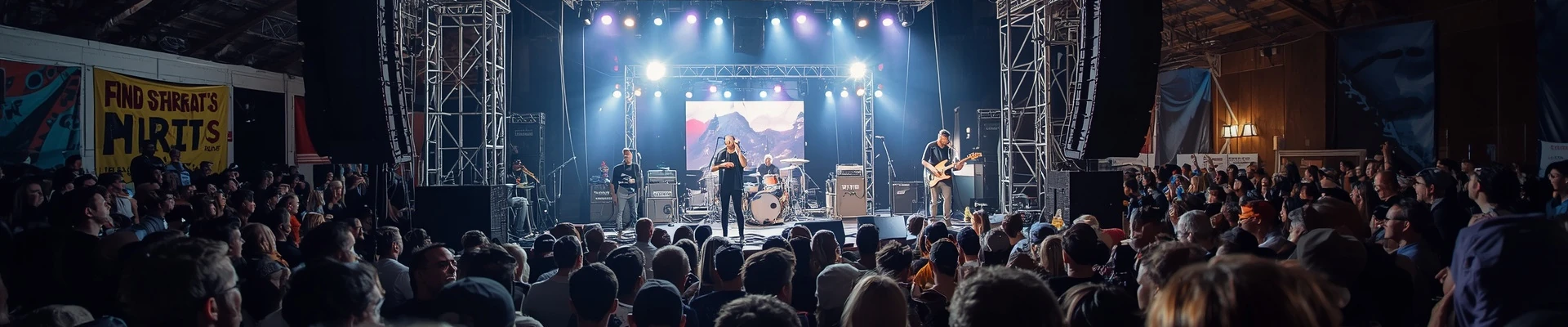
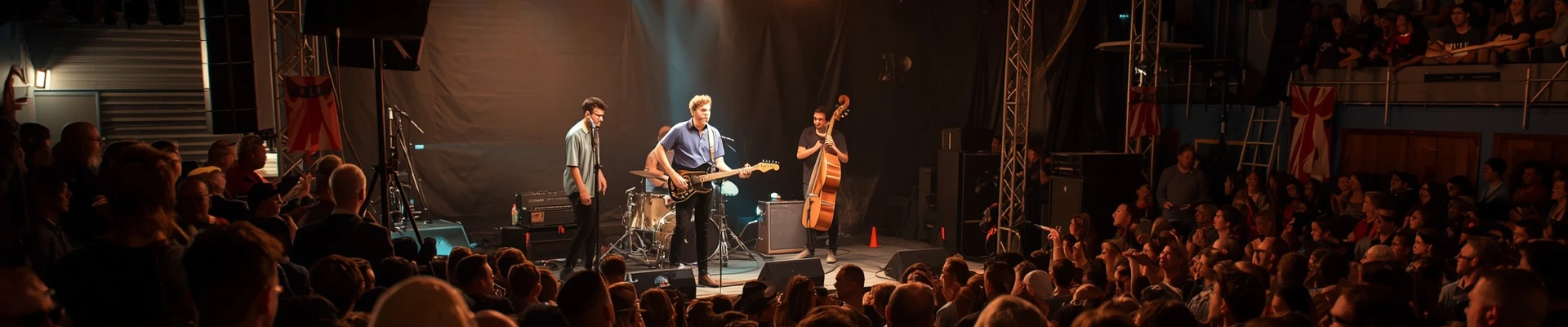
The Loft has been Columbus's primary independent music venue for rock, Americana, and emerging acts, hosting local and regional touring artists in an atmosphere removed from the arena circuit. The city's Uptown Columbus district — the historic commercial corridor along Broadway — has anchored nightlife and entertainment, with bars, restaurants, and smaller clubs that book live music on weekends and attract the Fort Moore crowd alongside longtime residents.
The Bradley Film & Music Center at Columbus State University brings an academic and experimental dimension to the city's music infrastructure, hosting chamber concerts, new-music performances, and student recitals in a space designed for acoustic precision. Columbus State's music department has produced a stream of working musicians and music educators who circulate through the region.
The Riverwalk Amphitheater along the Chattahoochee provides outdoor concert space in warmer months, hosting free summer music series and festival stages that take advantage of the river scenery.
Festivals and Events
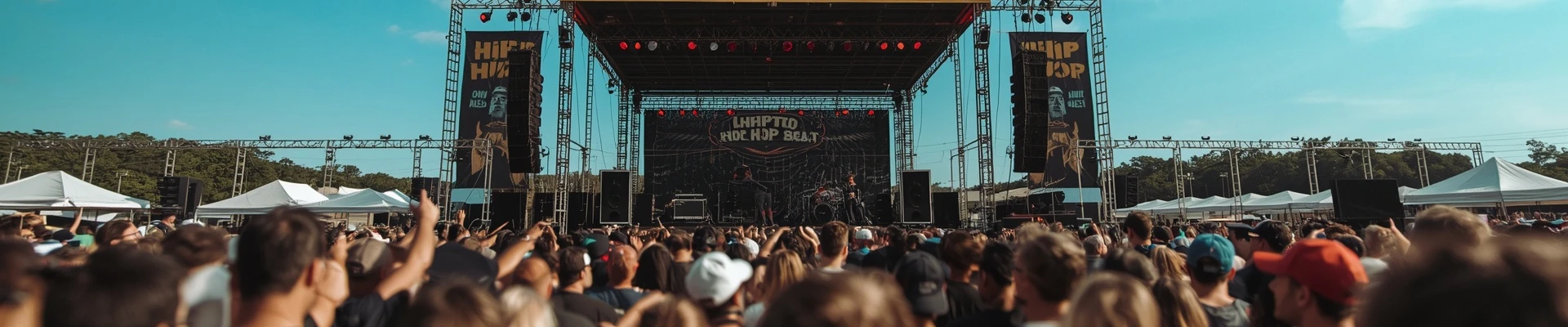
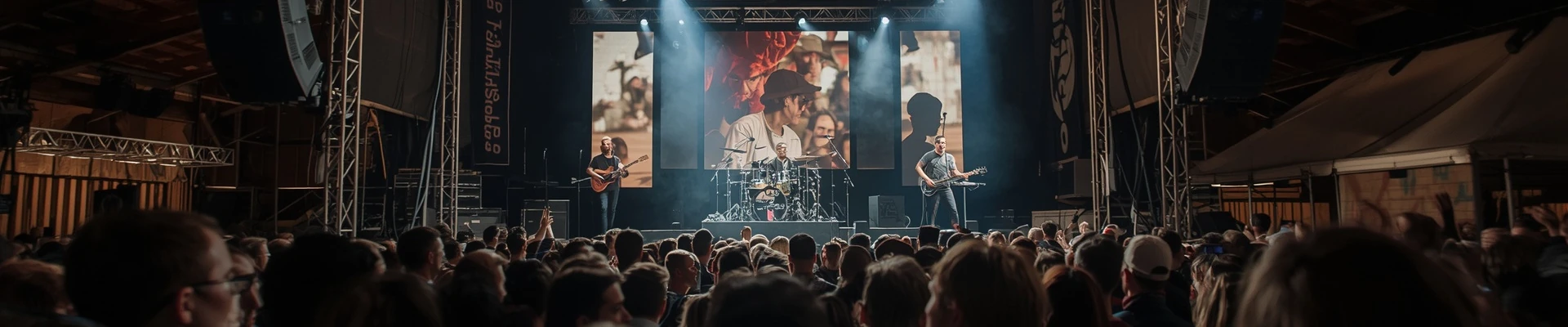
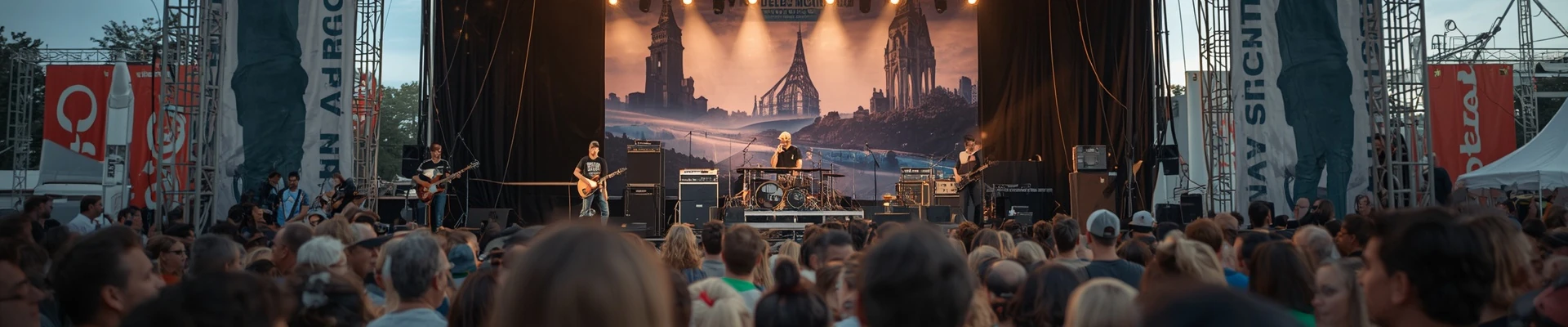
RiverFest, Columbus's signature outdoor music and arts festival, draws tens of thousands to the riverfront each spring with a multi-stage lineup spanning rock, country, Americana, and hip-hop. The festival makes deliberate use of the river geography — stages set against the backdrop of the Chattahoochee and the Alabama bluffs on the far bank — and has grown steadily since its founding into one of the larger free outdoor music events in the Deep South.
The Ma Rainey Blues Festival, held annually in the fall, is the city's most historically grounded music event — a deliberate act of heritage maintenance that brings blues performers to the same city where the genre's most important early voice grew up and died. The festival includes programming at the Ma Rainey House and surrounding neighborhood as well as downtown stages.
Columbus State University hosts the CSU Speaker & Artist Series and various performing-arts events throughout the academic year, keeping the city's classical and jazz scenes active outside of purely commercial programming. The Historic District around Broadway and 12th Street hosts smaller block parties and music events tied to the Uptown business district's promotional calendar.
Military, Demographics, and Scene Complexity
Fort Moore's cultural footprint is enormous but often invisible in accounts of Columbus's music scene. The base has, at various points, hosted Bob Hope, Sammy Davis Jr., and major USO touring acts throughout the mid-20th century. It has brought military families from the American South, Midwest, and West into Columbus for multi-year tours of duty, creating a city where country, Southern gospel, hip-hop, and rock all coexist with genuine popular legitimacy. The base's NCO clubs and on-post venues have historically been significant secondary circuits for mid-tier touring acts in country and classic rock.
The city's Black population, concentrated in neighborhoods like Midtown, South Columbus, and historic areas near 9th Street, has sustained gospel music, R&B, and hip-hop scenes that rarely receive coverage in regional music press but represent the living continuation of the Chitlin' Circuit tradition. Several Columbus-based gospel choirs maintain regional and national competition records; the First Baptist and First African Methodist Episcopal congregations along the 9th Street corridor have nurtured vocalists and musicians who went on to careers far beyond the city.
Columbus also has a small but active Latino community, concentrated in the northern sections of the city, whose social clubs and quinceañera circuit sustain a local market for conjunto, norteño, and reggaeton performers from the wider Southeast touring network.
What Ties It All Together
What defines Columbus's musical identity above everything else is the tension between its monumental legacy and its mid-size present. This is a city of 206,000 people that produced the woman who taught the entire 20th century what the blues could sound like — and that fact is simultaneously the city's greatest cultural asset and a source of ongoing reckoning. Columbus has worked, particularly since the 2000s, to build out the infrastructure — the RiverCenter, the Springer, the Ma Rainey House Historic Landmark — needed to honor that legacy while maintaining a living scene. The military base keeps the audience base large and diverse. The river geography keeps the downtown anchored. What Columbus lacks in the concentrated creative mass of an Atlanta or a Nashville it compensates for with a sense of historical weight that very few American cities its size can match.