
Where the Blues Runs Deepest
Jackson sits at the geographic and spiritual center of Mississippi, the state that gave the world the blues. Positioned at the confluence of the Pearl River and the Natchez Trace corridor in the western piedmont of the state, the city serves as Mississippi's state capital, its largest city, and the anchor of the Jackson metropolitan area. At roughly 153,000 residents, Jackson is a mid-size Southern capital shaped profoundly by African American culture, the civil rights movement, and a musical legacy that punches far above its population weight.
The city's economic identity has shifted across generations — from a railroad and cotton trade hub in the nineteenth century to a state government and healthcare center today — but its musical and cultural identity has remained rooted in the Black church, the juke joint, and the recording studio. Jackson is not a tourist-facing music city in the mode of Nashville or New Orleans, but for anyone who digs into American roots music, it is sacred ground.
Blues, Gospel, and the Malaco Sound
The central fact of Jackson's music identity is Malaco Records. Founded in 1967 by Tommy Couch and Mitchell Malouf, Malaco began as a recording studio on Northside Drive and evolved into one of the most important independent soul and blues labels in American history. When the big Atlantic and Stax-era soul labels declined in the mid-1970s, Malaco kept the flame burning, recording artists who were too "grown" and too blues-rooted for disco radio. The label's roster reads like a who's-who of Southern soul and contemporary blues: Z.Z. Hill, whose 1982 Down Home album on Malaco revived the Southern soul market; Denise LaSalle, the "Queen of the Blues"; Little Milton; Bobby "Blue" Bland; Tyrone Davis; Johnnie Taylor; and Dorothy Moore, whose aching 1976 Malaco single Misty Blue reached number 3 on the Billboard Hot 100. In gospel, Malaco's subsidiary Savoy Gospel has released recordings by the Williams Brothers — Michael and Melvin Williams from Smithdale, Mississippi — who are among the most beloved gospel acts in the South and have recorded out of Jackson for decades.
Dorothy Moore was born in Jackson and remains one of the city's most beloved figures in popular music. Her voice — equal parts Sunday morning choir and Saturday night heartbreak — defined the Malaco sound at its peak. Sonny Boy Williamson II (Rice Miller), one of the most electrifying blues harmonica players who ever lived, spent significant time in the Jackson area and recorded prolifically during the era when Jackson's proximity to the Delta made it a natural staging post for blues musicians moving between the cotton country and the city.
The city produced Bo Diddley, the rock and roll pioneer born in McComb and raised partly in Chicago but whose rhythmic innovations were rooted in Delta and Gulf Coast traditions that flowed through Jackson. Trumpeter and bandleader Wynton Marsalis has deep Mississippi ties through his father Ellis Marsalis, who taught extensively in the region. Jackson's own Marcus Belgrave, the Detroit jazz trumpet legend, was born here, as was vocalist Cassandra Wilson, one of the most critically celebrated jazz singers of the past four decades. Wilson's voice — dark, unhurried, drawing on blues and pop in equal measure — has often been described as the embodiment of the Mississippi Delta's emotional gravity.
Gospel Roots and the Church Circuit
Gospel music is not background to Jackson's scene — it is the foundation. The city's Black churches have sustained a living gospel tradition across generations, feeding singers and musicians into the professional circuit. The Mississippi Mass Choir, founded in 1988 by Frank Williams and headquartered in Jackson, is one of the most celebrated mass choir ensembles in America, with Grammy nominations and a shelf of gold albums that have defined the contemporary gospel choir sound. Their 1988 debut single God Gets the Glory announced them immediately as a major force.
The Williams Brothers — based in the Jackson orbit — have been recording gospel for more than fifty years, their harmonies representing a direct lineage from the great gospel quartets of the 1940s and 1950s. Jackson's church circuit trained vocalists who moved on to secular soul and blues, a pipeline that runs from the pews directly to the Malaco studios on Northside Drive.
Civil Rights, Culture, and the Jackson Sound
Jackson was a front-line city in the civil rights movement, and the cultural weight of that history pervades its music. Medgar Evers, the NAACP field secretary assassinated in 1963 in his driveway on Guynes Street, is commemorated throughout the city, and his story has inspired music across generations. The Medgar Evers murder and the broader Freedom Summer of 1964 shaped a generation of protest songs; Pete Seeger and others memorialized Jackson's struggle in song, and local musicians of the era absorbed the movement's cadences into their work.
The Farish Street Historic District is Jackson's most storied musical neighborhood. Running through the heart of the historic Black business district, Farish Street was Jackson's equivalent of Beale Street in Memphis or Auburn Avenue in Atlanta — a self-contained world of Black-owned clubs, restaurants, barbershops, and theatres from the 1920s through the 1960s. The Alamo Theatre on Farish Street, opened in 1942, was the premier Black entertainment venue in the state, hosting national touring acts during the era of segregation. The neighbourhood fell into severe decline after desegregation dispersed its economic base, but restoration efforts have brought the Alamo Theatre back to life as a performing arts anchor, with live music programming and community events.
Contemporary Venues and the Live Scene
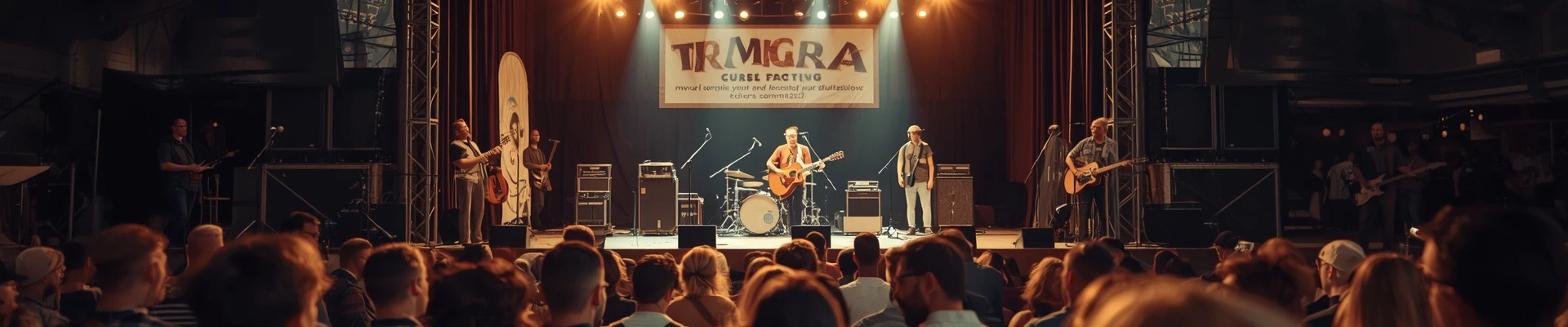
Jackson's live music landscape is modest in scale but genuine in character. Duling Hall, a converted elementary school building on North Congress Street, is the city's most respected mid-size live music venue, booking regional and national touring acts across rock, Americana, folk, and indie genres. It seats roughly 600 and has become the default destination for serious touring acts passing through Mississippi's capital.
Martin's Bar & Grille on North State Street is the city's long-standing jazz and blues lounge, a comfortable neighborhood room that hosts local acts and visiting musicians in an intimate setting. The Fondren neighborhood — northeast of downtown, anchored by Old Canton Road — functions as Jackson's alternative arts and music quarter, with bars, galleries, and small clubs that sustain an indie and roots scene. The Fondren arts district hosts the annual Fondren After 5 events that bring live music into the neighborhood's restaurant and retail corridors.
The Mississippi Coliseum (capacity approximately 9,500) and the Thalia Mara Hall (a 2,400-seat performing arts center downtown) handle larger-scale concerts and touring productions. The Jackson Coliseum, part of the Mississippi Trademart complex, has hosted major touring concerts over the decades, from arena rock to gospel shows.
Festivals and Signature Events
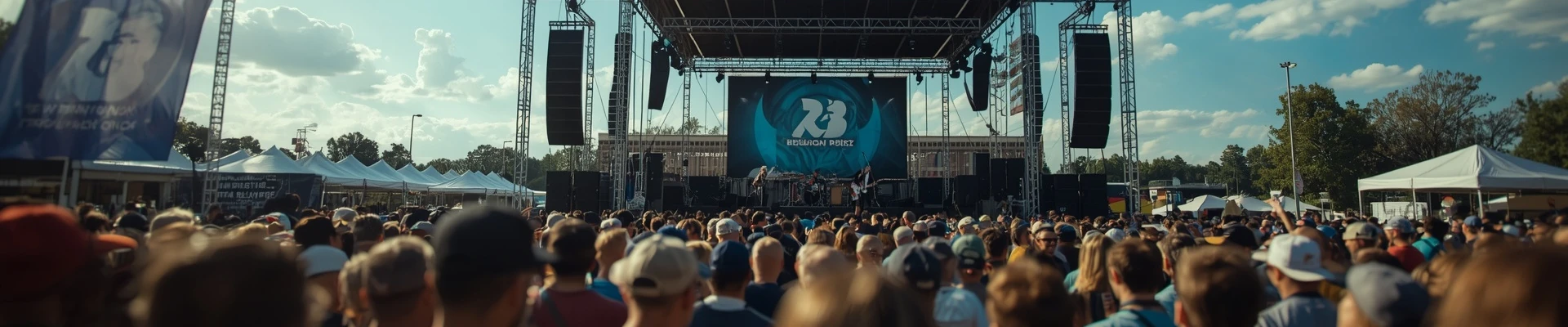
The Jackson Blues Festival celebrates the city's blues heritage with performances on outdoor stages in the Farish Street corridor. The Mississippi Gospel Music Association events, often centered on Jackson, draw gospel acts from across the region. Mal's St. Paddy's Parade & Festival, founded by the late Mal Shepherd, has grown into one of the South's more irreverent street festivals, with local bands performing along the parade route — a tradition that has hosted blues, rock, and country acts alike.
The Crossroads Film Festival in Jackson, while focused on cinema, regularly incorporates live music programming, and the Mississippi Crafts Center events often feature traditional folk and roots music from across the state.
Hip-Hop and the Younger Generations
Jackson has produced a small but vital hip-hop community that has grown in profile since the 2000s. Big K.R.I.T. — born Justin Scott in Meridian but closely associated with the broader Mississippi hip-hop scene and recording in Jackson — became the most internationally recognized Mississippi rapper of his generation, with mixtapes and albums on Def Jam that merged Southern rap production with deeply personal lyrics about his home state. His career opened doors for awareness of Mississippi hip-hop at large.
The J-Town nickname for Jackson among its hip-hop community reflects a scene that is local, fiercely proud, and mostly below the radar of national tastemakers — which suits many of its practitioners fine. Artists like Kamikaze and the collective scenes around Farish Street and South Jackson have built an underground culture of mixtapes and local shows that keeps the city's younger music community active.
The Studio Legacy Continues
Malaco's Northside Drive facility remains in operation, continuing to record blues and gospel in an era when most of the major independent Southern studios have shuttered or been repurposed. The studio's analog-leaning approach and institutional memory make it a destination for artists who want to record in the living tradition of Southern soul. Several smaller studios have also established themselves in Jackson, serving the local hip-hop and gospel communities.
What Ties It All Together
Jackson's musical identity is built on a foundation of Black Southern faith and struggle, mediated through the blues and gospel traditions of the Mississippi Delta and Piney Woods. Malaco Records is the city's great institutional gift to American music — the label that held the Southern soul and contemporary blues form together through the lean decades when larger labels abandoned it, and that continues to release music decades after most of its contemporaries folded. From Dorothy Moore's Misty Blue to the Mississippi Mass Choir to Cassandra Wilson's jazz explorations, Jackson has consistently produced artists whose work carries the weight of a deep, serious musical tradition. It is not a city of stadium spectacle but of quiet, enduring substance — music made for people who know what they've lived through.