

Columbia, Missouri
Sitting near the geographic center of Missouri on the rolling limestone ridge that divides the Missouri and Osage river watersheds, Columbia is neither a river city nor a prairie city — it occupies a middle ground in more ways than one. With roughly 130,000 residents and the University of Missouri (Mizzou) anchoring its economy and cultural life, Columbia has sustained one of the most vibrant mid-sized music scenes in the American Midwest since at least the early 1980s. The city sits along Interstate 70, roughly equidistant between Kansas City (120 miles west) and St. Louis (120 miles east), which gives it access to both metro markets without being fully subsumed by either.
The surrounding region — "Little Dixie," settled largely by Kentuckians and Virginians in the antebellum era — gave Columbia its Midwestern-Southern hybrid character. That blend surfaces in the music: country, blues, and folk roots running through alternative and indie rock like underground veins.
Music Identity
Columbia's most internationally visible musical contribution came out of a specific window in the 1990s, when the city produced a cluster of influential indie and alternative acts. Uncle Tupelo — the Belleville, Illinois band credited with founding alt-country — recorded at Columbia's Shirley's Temple studio and maintained deep ties to the city before their dissolution in 1993 split them into Son Volt and Wilco, both of which kept Missouri connections. More directly Columbian was The Urge, a ska-punk band that signed to major label Immortal/Epic Records in the late 1990s and toured arenas alongside acts like No Doubt and 311.
But the deeper musical throughline is the university's sustained generative pressure. Mizzou's population of tens of thousands of young people — arriving, playing, forming bands, graduating, and cycling through — has kept the city's scene perennially replenished. The folk and singer-songwriter tradition is particularly strong, in part because Columbia's coffee-house circuit has always supported acoustic performers alongside the bar-band circuit. Sheryl Crow is not a Columbia native (she's from Kennett, MO), but she spent her college years at Mizzou in Columbia before launching her career — an emblematic example of the city's role as a incubator.
The blues tradition inherited from the river counties has fed into Columbia's scene through a succession of electric blues players who've moved between Kansas City and St. Louis circuits with Columbia as a midpoint stop. The city's folk circuit absorbed considerable influence from the Ozark folk revival active in the surrounding counties, and that Appalachian-inflected string tradition surfaces in the work of several contemporary Columbia acts working the Americana and progressive bluegrass space.
Jazz has a quieter but consistent presence, centered on the Mizzou music department and sustained by a handful of professional jazz educators who also play the local bar circuit.
Venues and Neighborhoods
Columbia's live music ecosystem is largely concentrated in two overlapping neighborhoods: Downtown Columbia (centered on Broadway between Ninth and Providence) and the Ninth Street corridor extending south toward the university campus. This is a walkable cluster within which a dedicated music night can take in multiple shows.
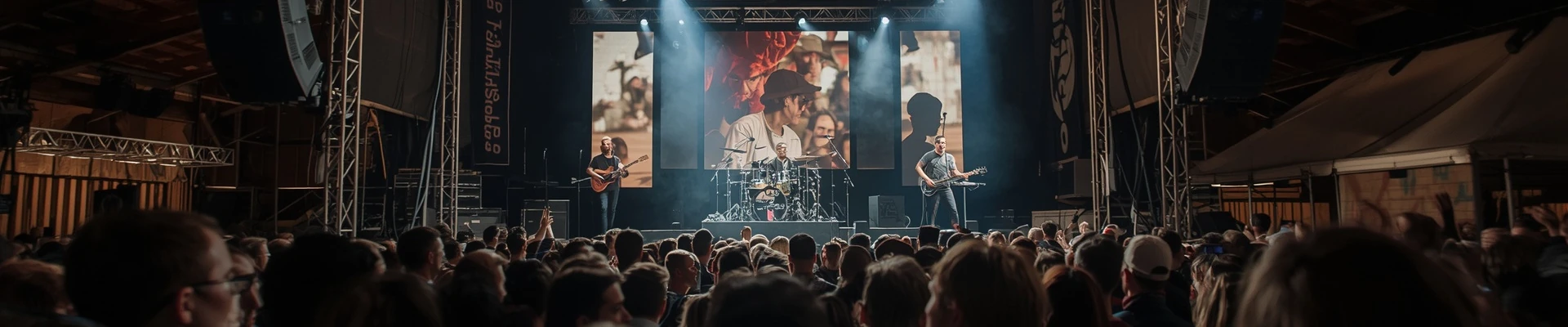
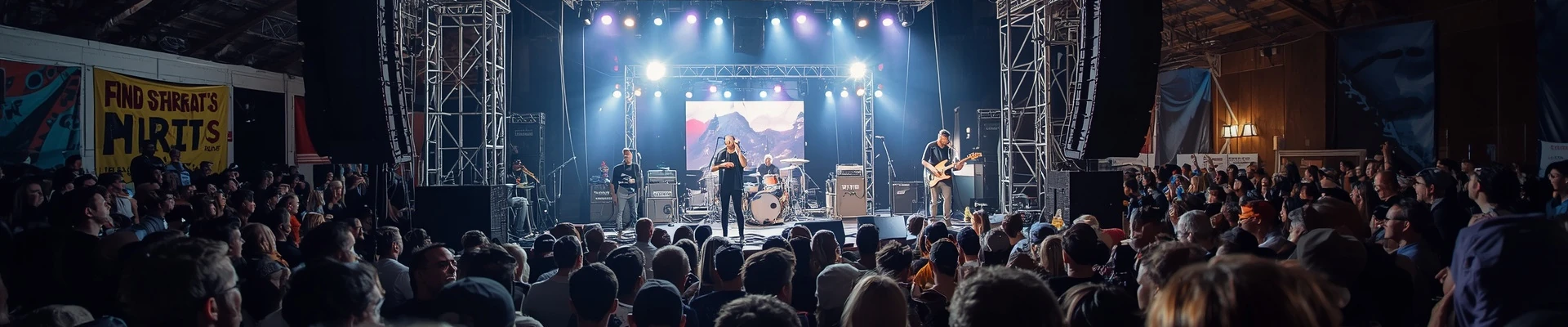
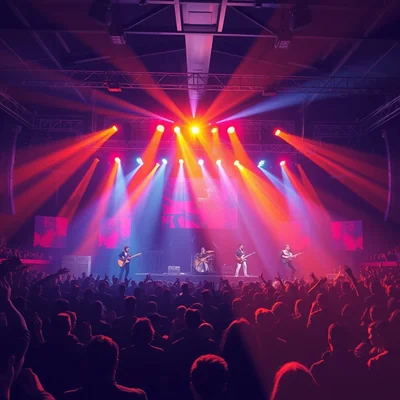
The Blue Note on North Ninth Street is the flagship mid-size room — a converted 1920s movie theater with a capacity of roughly 1,500 that books national touring acts in the indie, alternative, hip-hop, and folk spaces. It has hosted acts across the full spectrum of independent music for decades and functions as the city's premier concert hall for shows below arena scale.
Mojo's was for many years the defining DIY and underground venue in Columbia, a smaller bar-stage that launched hundreds of local bands and hosted touring artists on the indie circuit before its various iterations and closures. The venue has gone through several incarnations — a recurring Columbia story, since spaces open and close on the rhythm of lease cycles and bar economics.
Cafe Berlin on Broadway is a coffee-house-style venue that anchors the acoustic and folk end of the spectrum, hosting singer-songwriters, small ensembles, and folk acts in an intimate listening-room setting. It has been a proving ground for Columbia's considerable singer-songwriter community.
Rose Music Hall (opened 2018) added a mid-size standing-room venue to the landscape, hosting rock, punk, and metal acts with a capacity that fills the gap between the Blue Note and the smallest bar rooms. Its arrival modernized the city's mid-tier booking infrastructure.
Bur Oak Brewing and several other craft brewery taprooms have added to the live-music landscape since the mid-2010s, functioning as casual weekend music rooms that support acoustic and low-key rock acts.
The university itself generates significant concert activity through Jesse Auditorium and Lexi's Main Stage (formerly the Missouri Theatre) — a beautifully restored 1928 movie palace on Broadway that hosts orchestral, theatrical, and select music events. The Reynolds Alumni Center also holds private and ticketed concerts.
Recording and Production
Columbia's studio infrastructure is modest but functional. Shirley's Temple (operated by Steve Shirley) became a regional landmark for independent recording in the 1990s and helped shape the sound of several influential Missouri acts. The proliferation of home studio setups since the 2000s has decentralized recording activity, with a number of Mizzou music department alumni establishing production operations. The School of Music itself offers recording facilities that have fed into the local professional ecosystem.
Festivals and Signature Events
True/False Film Festival is Columbia's most nationally recognized cultural event — an independent documentary film festival that draws filmmakers, distributors, and press from across the country every March. While not strictly a music festival, True/False commissions original live musical performances as integral parts of the experience, and it has functioned as a platform for musicians as much as filmmakers. The festival is deeply embedded in the city's identity as a creative hub.
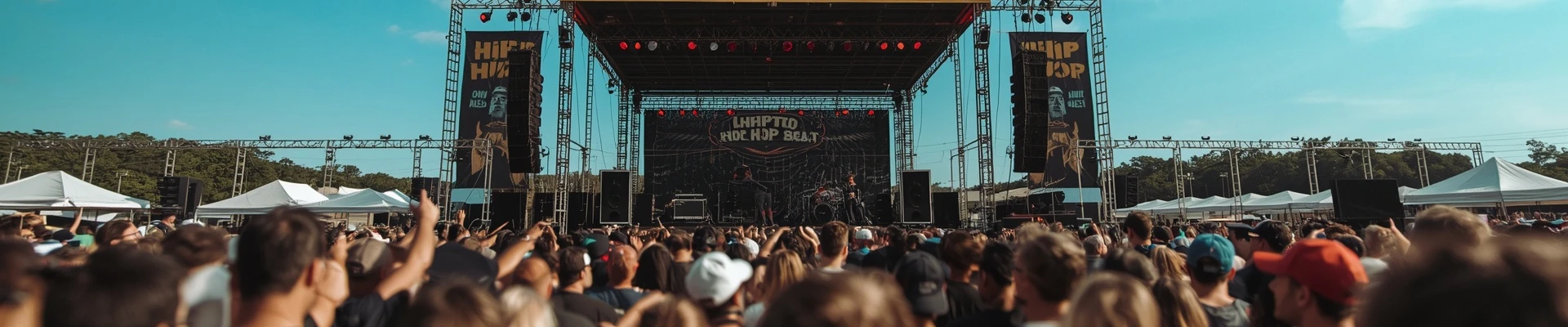
Roots N Blues N BBQ Festival is Columbia's major outdoor music festival — a multi-day fall event held in Stephens Lake Park that showcases blues, Americana, folk, and roots music on multiple stages alongside Missouri barbecue. The festival has brought acts like Taj Mahal, Los Lobos, Ani DiFranco, and Steve Earle to Columbia and draws audiences from across the Midwest.
CoMo Brew Fest and several other community festivals incorporate live music programming at various points in the year, and the university's Mizzou Homecoming weekend generates considerable music activity across the city's bar and venue circuit.
The Art in the Park festival in Stephens Lake Park integrates acoustic and folk performances with visual art, extending the city's folk and singer-songwriter tradition into community event programming.
Neighborhoods and Cultural Context
Columbia's cultural geography centers on Downtown and its proximity to the Mizzou campus — the two are contiguous, and the transition from commercial Broadway through the Greek Row and campus core to the residential neighborhoods south of campus is seamless. The Crossroads neighborhood (taking a name now associated with Kansas City's arts district) has seen some development in the arts and food-and-beverage spaces.
The city's demographics reflect its university character: a younger median age than most Missouri cities, a transient professional-student population, and a faculty-and-staff core that sustains cultural infrastructure. Columbia's African American community — centered historically in the Sharp End district (now largely redeveloped) — contributed significantly to the city's blues and gospel traditions, though displacement and redevelopment have attenuated much of that historic concentration.
The city has a notable international student population through Mizzou, which introduces South and East Asian cultural programming into the city's event calendar.
What Ties It Together
Columbia, Missouri is fundamentally a university music city — a place where the scene is perpetually young, perpetually changing, and perpetually productive because the population renews itself every four years. The Blue Note, Roots N Blues, and the True/False festival represent different facets of the same underlying energy: a mid-sized city serious about culture, with the institutional infrastructure of a research university and the economic base to support a dense cluster of independent music venues. The folk-and-Americana thread that runs from the Ozark-inflected countryside through the singer-songwriter scene into events like Roots N Blues gives Columbia a regional musical identity that persists beneath the churn of student generations — a Midwestern earnestness about roots music that fits the rolling limestone terrain and the river-country history that shaped it.