
Billings is Montana's largest city and the commercial, medical, and cultural capital of the Northern Plains, with roughly 117,000 residents inside the city limits and more than 180,000 across the Billings metropolitan area. Situated in Yellowstone County at an elevation of just over 3,100 feet along the Yellowstone River, Billings is defined geographically by the Rimrocks — a dramatic band of tan sandstone bluffs rising 400 feet above the city's north side, carved by the river over millions of years and visible from nearly every corner of town. The city sits roughly 225 miles east of Bozeman, 340 miles southeast of Missoula, and 175 miles south of the Canadian border in a high plains valley where the Rocky Mountains give way to the open grasslands of eastern Montana. Billings is the energy, healthcare, agriculture, and retail hub for a vast regional territory that includes southeastern Montana, northern Wyoming, and western North Dakota — a trade area population approaching 500,000 people who look to Billings for concerts, major retailers, and specialty services they cannot find elsewhere.
A brief history
The land around the Yellowstone River valley has been inhabited for thousands of years by the Crow Nation — whose traditional territory encompasses much of what is now south-central Montana and northern Wyoming — and by various Plains peoples including the Lakota, Cheyenne, and earlier prehistoric cultures. The Crow (also known as the Apsáalooke) remain the dominant Indigenous presence in the region; the Crow Reservation begins just twenty-five miles south of Billings, and the city's relationship with Crow culture, language, and artistic tradition is central to understanding its full character.
Billings was founded in 1882 by the Northern Pacific Railroad and named for Frederick Billings, president of the railroad at the time. It was a planned town from the beginning — the railroad company laid out the grid, auctioned lots, and promoted the city as the commercial gateway to the Northern Plains cattle ranges and the agricultural interior of Montana. The city grew fast, fueled first by cattle ranching and grain farming, then by oil and gas discoveries in the Williston Basin and the Powder River Basin. Billings Refinery (later Conoco and then CHS Refinery) was established early in the 20th century and gave the city an industrial base. By 1960 Billings had surpassed Great Falls as Montana's largest city and never relinquished that position.
The Heights — the residential district east of downtown on top of the Rimrocks — developed after World War II as the city's suburban tier. West End grew in the latter decades of the 20th century as retail corridors followed the population westward. Downtown Billings, centered on Broadway and 1st Avenue North beneath the Rimrocks, retains its bones as a commercial and entertainment district, though it has gone through the familiar mid-century suburban-flight cycle and subsequent revitalization efforts.
Music identity
Billings sits at the intersection of several powerful regional music traditions. It is not the origin point of a single nationally influential sound — Billings is not the Nashville of anything — but it functions as the most important live music city in a vast geographic territory, drawing touring artists who would bypass every other Montana city and serving as the gravitational centre for musicians scattered across hundreds of miles of Northern Plains.
Country and Americana are the city's bedrock commercial genres. Billings has always been cowboy country — the cattle ranches, rodeo culture, and agricultural economy of the surrounding plains sustain a continuous demand for traditional country, Western swing, honky-tonk, and rodeo music. The Montana Fair (held annually in late August at MetraPark) is one of the largest county fairs in the Northwest, routinely booking nationally touring country headliners. The Metra — the 12,000-capacity arena at MetraPark — has hosted virtually every major country touring act for decades, and country music radio dominates the airwaves across the region.
The Apsáalooke (Crow) musical tradition is the most culturally significant music produced in the Billings region, though it often exists parallel to rather than within the mainstream commercial music economy. Crow musical culture encompasses powwow drumming and singing traditions, hand drum and honor songs, beadwork and dance cultures expressed through ceremonial performance, and a living tradition of Indigenous language songs that stretch back generations. The Crow Fair — held annually on the Crow Reservation in Crow Agency, 60 miles south of Billings — is one of the largest and most prestigious powwows in North America, drawing thousands of participants and observers from across the continent. Billings serves as the urban staging ground for the broader Crow and Northern Cheyenne communities, and Indigenous artists and musicians regularly perform in the city's venues and cultural spaces. Chief Plenty Coups State Park and the Crow Cultural Center in Crow Agency provide institutional homes for Apsáalooke cultural practice.
Rock, alternative, and metal have produced the most substantial local recording output. Billings has generated several acts with regional and national reach, most notably Crowbar (not to be confused with the Louisiana sludge metal band of the same name), various punk and hardcore acts from the 1990s and 2000s, and a steady stream of rock and metal bands that circulate through the regional touring circuit. The city's high school band and choir programs — anchored by schools including Senior High, West High, and Skyview High — produce trained musicians who fill out the local scene. Montana State University Billings and Rocky Mountain College provide additional institutional pipelines.
The blues scene, while modest, has a real presence in Billings. The city's isolation means that dedicated blues listeners drive from hundreds of miles away for the handful of reliable blues bookings each year, and local players maintain a small but serious community through jam sessions and club dates. Jazz operates in a similar niche — active at restaurants, special events, and the occasional club booking — supported partly by conservatory-trained musicians and partly by enthusiastic amateurs.
Hip-hop has developed an Indigenous dimension in Billings that sets the city apart from most comparable-sized American cities. Artists working at the intersection of Indigenous identity, Northern Plains life, and hip-hop production have emerged from Billings and the surrounding reservation communities, reflecting the demographic reality of a city with a significant Crow, Northern Cheyenne, Blackfeet, and urban Indigenous population. This scene is small but genuine, amplified by regional Indigenous media and cultural organizations.
Venues and neighborhoods
MetraPark is Billings's entertainment complex on the north side, anchored by the First Interstate Arena (previously just "the Metra"), a 12,000-capacity multipurpose arena that hosts the city's largest concerts alongside rodeos, monster truck events, basketball, and the Montana Fair. MetraPark also includes the Rimrock Auto Arena at MetraPark for smaller arena events and exhibition halls for consumer shows and conventions. For a city of Billings's size, MetraPark gives the city a venue infrastructure more typical of a city twice as large.
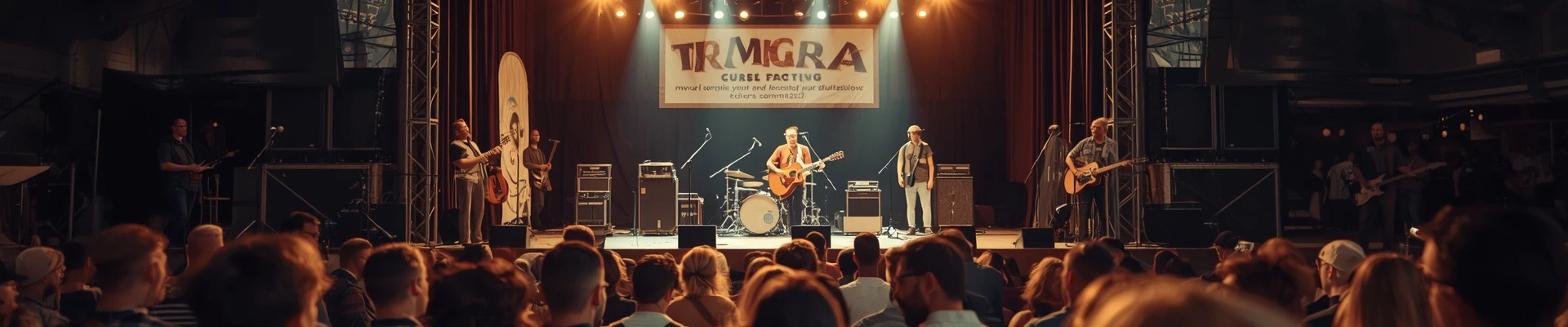
The mid-tier and club venues are concentrated primarily in Downtown Billings along the Broadway corridor and the blocks around 1st Avenue North beneath the Rimrocks. The Pub Station — a 1,500-capacity converted railroad depot on Montana Avenue — is the city's premier rock and alternative club, one of the best-respected independent venues in the Northwest for its sound, booking, and management. The Alberta Bair Theater (named for the wool and cattle magnate Agnes Bair, who funded its construction) is the city's performing arts flagship, a 1,400-seat hall built in 1931 as the Fox Theater and now operated as a non-profit arts venue programming classical, Broadway touring productions, and folk and acoustic acts. Yellowstone Kelly's and various downtown bars program local and regional touring acts. Granite Taproom and Angry Hank's Microbrewery have hosted acoustic and folk performances.
The Montana Avenue corridor — running through the South Side neighborhood parallel to the rail yards — has become the city's arts district, with galleries, restaurants, and event spaces that host music alongside visual arts programming. The Garage and similar multi-use spaces on and around Montana Avenue round out the DIY and independent programming landscape.
Downtown proper, the Heights (the east-side plateau above the Rimrocks), West Billings, and the South Side represent the four main residential-commercial zones. The Heights supports its own bar and restaurant music scene. The South Side — historically the city's working-class and increasingly its Latino and Indigenous neighborhood — supports music scenes oriented toward norteño, cumbia, and ranchera alongside Indigenous musical events.
Festivals and signature events
Montana Fair (late August, MetraPark) is the anchor event of the Billings entertainment calendar, drawing 200,000-plus attendees over its ten-day run with nightly headliner concerts alongside carnival, livestock competition, rodeo, and agricultural exhibitions. The concert series has booked acts ranging from classic rock legends to contemporary country stars and remains the biggest ticketed music event in Montana each year.
Billings Symphony presents an annual concert season at the Alberta Bair Theater, including a summer Symphony Under the Stars event at Dehler Park (the home of the Billings Mustangs, the Pioneer League baseball team) that draws families and general audiences to an outdoor orchestral experience. The symphony programming reflects the city's ambition to sustain serious classical infrastructure in a remote western city.
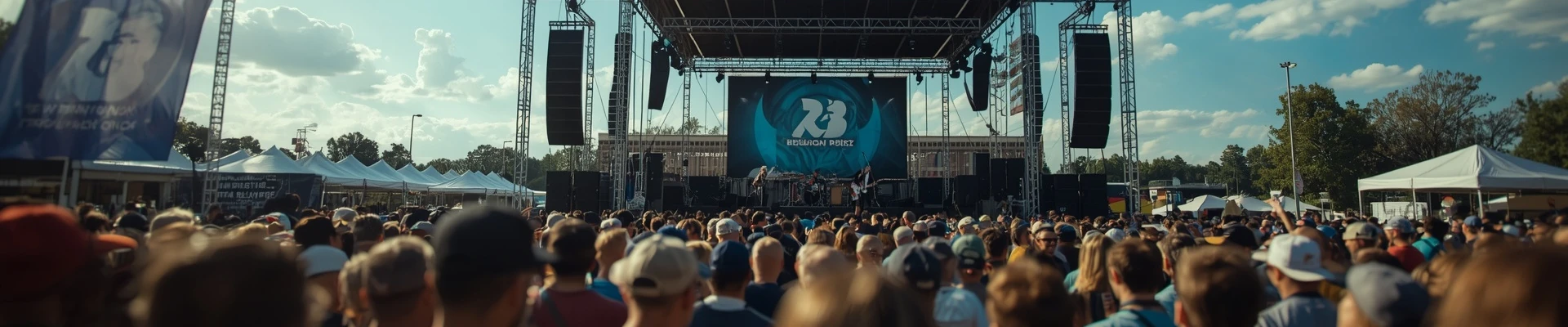
Alive After Five is Billings's outdoor summer concert series, held in Veteran's Park downtown on Friday evenings, presenting local, regional, and occasional national acts in a free-to-attend format that has become a downtown social ritual. Similar events at various venues — including summer series at craft breweries and restaurants — mean that Billings sustains live outdoor music through the warm months at a density remarkable for a city of its size.
The Crow Fair (August, Crow Agency) is sixty miles south but functions as a major cultural event in Billings's calendar, drawing significant foot traffic through the city and representing the most important public expression of Apsáalooke musical and cultural tradition in the region.
Magic City Blues (August, downtown Billings) is the city's dedicated blues festival, presenting regional and national blues acts over a weekend in the downtown corridor. The festival takes its name from one of Billings's oldest nicknames and has grown into one of the better-regarded blues events in the Northwest.
What ties it all together
Billings is a city that punches above its weight in music infrastructure precisely because it has to. The nearest city of comparable size is over 200 miles away in any direction; the nearest major metro is 350 miles distant. That isolation means Billings must sustain full-spectrum entertainment for a trade area population far larger than the city itself, and the result is a venue ecosystem — anchored by MetraPark, the Pub Station, and the Alberta Bair — that would be competitive in cities twice as large. The city's defining musical tension is the negotiation between the Anglo settler country and rock culture that arrived with the railroad and the cattle ranches, and the Apsáalooke tradition that predates it by centuries and remains very much alive in the surrounding territory. That negotiation produces something genuinely specific to Billings and the Northern Plains: a music scene where a country star and a powwow drum group might share the same week's event calendar, and where Indigenous hip-hop artists and rock bands draw from the same high school talent pool. The Magic City earns its nickname not through glamour but through the unlikely density of musical life it sustains beneath its sandstone Rimrocks at the edge of the Great Plains.