
Cincinnati is the third-largest city in Ohio and the anchor of a tri-state metropolitan area — Ohio, Kentucky, and Indiana — of roughly 2.3 million people. It sits at a dramatic bend in the Ohio River, its seven hills rolling back from the water in a geography that shaped both its neighborhoods and its sonic character: a city of distinct, densely packed districts separated by ravines and ridges, each carrying its own musical personality. The Cincinnati economy has long been built on consumer goods (Procter & Gamble has been headquartered here since 1837), manufacturing, healthcare, and finance, but the city's cultural life has been disproportionately shaped by music — most of all by a single independent record label that changed American popular music forever.
A brief history
The territory at the confluence of the Licking and Ohio rivers was Shawnee, Miami, and Wyandot land before the first American settlers crossed the Ohio in the 1780s. The town of Losantiville — renamed Cincinnati in 1790 after the Society of the Cincinnati — grew rapidly as a pork-processing hub, earning the early nickname Porkopolis. German immigration in the 1830s and 1840s transformed the city's culture profoundly: Germans poured into the hillside neighborhoods just north of downtown, building Over-the-Rhine into the largest German immigrant district in the United States. They brought beer halls, brass bands, singing societies (Gesangvereine), and the architectural tradition of brick-and-cast-iron streetscapes that still define OTR today. By the mid-19th century, Cincinnati was the sixth-largest city in the United States, a major river port and industrial center with a cultural ambition to match — the Music Hall, completed in 1878, was one of the great concert halls of the 19th-century Americas.
The 20th century brought the Great Migration north, with Black Southerners settling on the West Side and in neighborhoods like Avondale, Walnut Hills, and Evanston, building the church, blues, jazz, and eventually rhythm and blues scenes that would give King Records its talent base. Postwar suburbanization gutted the urban core — Over-the-Rhine fell from a thriving immigrant neighborhood to one of the most impoverished urban districts in America — but the music never entirely left. The late 20th and early 21st century brought a series of urban revivals: OTR's remarkable comeback, the Banks entertainment district along the riverfront, and a brewery and arts corridor that has made Cincinnati one of the most-watched urban revitalization stories in the Midwest.
Music identity
Cincinnati's most internationally consequential contribution to music is King Records. Founded by Syd Nathan in 1943 in a converted icehouse on Brewster Avenue in Evanston, King was one of the first major independent labels in America to record across country, rhythm and blues, gospel, and pop — and it was the label that turned James Brown into one of the most important artists in the history of recorded music. Brown's early catalog — Please, Please, Please (1956), Think (1960), Live at the Apollo (1963), Papa's Got a Brand New Bag (1965) — was recorded and released on King. Hank Ballard and the Midnighters, who wrote the original version of "The Twist," recorded for King. So did Little Willie John, the Dominoes (with Jackie Wilson), Freddie King, Wynonie Harris, Earl Bostic, Bill Doggett, and dozens of other artists who defined the shape of postwar American music. King Records was Cincinnati's most lasting gift to the world.
The jazz and blues scenes that fed King were anchored in the West End, Avondale, and Walnut Hills neighborhoods, and on the Chitlin' Circuit stops along the river. Cincinnati's jazz tradition runs through artists like Tommy Dorsey's early orbits, the Cincinnati Symphony Orchestra's long tradition of jazz crossover programming, and the local scene that produced Bootsy Collins — the Parliament-Funkadelic bassist born in Cincinnati in 1951 — and his brother Catfish Collins, who were playing Cincinnati clubs as teenagers before joining James Brown's backing band in the early 1970s. Bootsy's own Bootsy's Rubber Band project brought the Cincinnati funk tradition into the Parliament-Funkadelic cosmos.
Cincinnati rock history runs through a deep vein. The Breeders — the alt-rock supergroup formed by Kim Deal (of the Pixies) and Kelley Deal, originally from Dayton, just north of Cincinnati — had their most important phase recording in Cincinnati, and the Deal sisters' Dayton-Cincinnati axis is central to the Ohio alt-rock story. Over the Rhine — the husband-and-wife duo of Karin Bergquist and Linford Detweiler, formed in Cincinnati in 1989 and named after the neighborhood — built one of the most acclaimed Americana and folk-rock catalogs of the 1990s and 2000s, with albums on IRS Records and Virgin before settling into independent releases. They are arguably Cincinnati's most beloved working musicians.
The indie and alternative scenes of the 1990s and 2000s centered on clubs like Sudsy Malone's Laundromat & Bar, Bogart's, the Mad Frog, and the old Southgate House in Newport, Kentucky (just across the river). Cincinnati has always been a tri-state city, and Newport and Covington, Kentucky have been as integral to the club scene as OTR. The Midpoint Music Festival (founded 2001) became the city's flagship indie music gathering, running through 2016 and cementing Cincinnati's reputation as a serious music market. Contemporary acts like Wussy — one of the most acclaimed under-the-radar American rock bands of the 2000s and 2010s, produced with Ass Ponys veteran Chuck Cleaver — have carried the Cincinnati indie banner internationally.
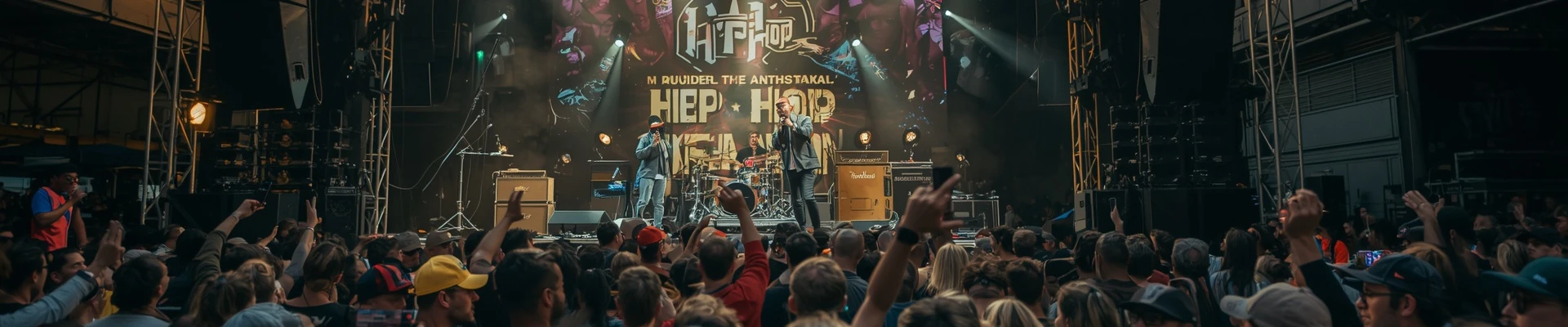
Cincinnati hip-hop has its own deep lineage. Hi-Tek, the producer from Cincinnati's Walnut Hills neighborhood, co-formed Reflection Eternal with Talib Kweli and produced classic albums for Kweli, Common, Mos Def, and others out of Cincinnati studios. Bootleg Kev and a generation of local trap and indie hip-hop artists have continued the tradition. The city's West Side and Avondale have the deepest hip-hop roots; the scene has expanded into communities across the metro.
Country and bluegrass history touches Cincinnati through its position at the cultural border of the Upper South and Midwest — the city was a recording destination for early country and hillbilly acts traveling north, and King Records itself released significant country and rockabilly recordings. The contemporary Americana scene in OTR and surrounding neighborhoods draws on this heritage.
Classical music is a defining part of Cincinnati's sonic identity in a way that few American cities of its size can claim. The Cincinnati Symphony Orchestra — founded in 1895 and one of the oldest in the United States — performs at the magnificently restored Music Hall (reopened 2017 after a $143 million restoration). The Cincinnati Pops, under longtime director Erich Kunzel and his successor John Morris Russell, is one of the most commercially successful pops orchestras in the world. The Cincinnati Opera — founded in 1920 and the second-oldest opera company in the United States — performs in the summer on the Music Hall stage. The Cincinnati Chamber Orchestra and the LaSalle Quartet (Cincinnati-based and internationally renowned) round out one of the deepest classical music ecosystems of any American city under a million people.
Venues and neighborhoods
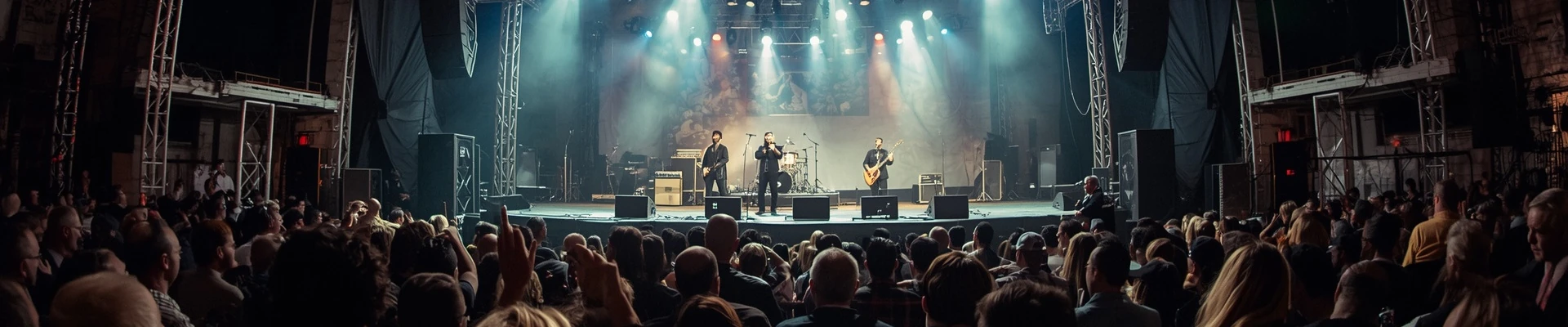
The venue landscape is anchored at the top by Paycor Stadium (NFL's Bengals, and the occasional stadium concert), Great American Ball Park (MLB's Reds), and the Heritage Bank Center (formerly U.S. Bank Arena, a 20,000-seat arena). The Music Hall is the centerpiece of the city's classical and theatrical life and hosts major touring classical acts. The Taft Theatre — a 2,400-seat venue in the heart of downtown, built in 1928 as a motion picture palace — is the most important mid-size rock and pop venue in the city, with a long booking history from heavy rock to hip-hop. Bogart's, in the Corryville neighborhood near the University of Cincinnati, has been the city's premier mid-size rock club since the 1970s, hosting acts from R.E.M. to Radiohead on their way up. The Madison Theatre across the river in Covington, Kentucky and the Taft Ballroom add to the mid-size options.
The club tier is anchored by The Southgate House Revival (the successor to the legendary Southgate House, now in Newport), The Woodward, Legends, MOTR Pub (in OTR, one of the city's most beloved neighborhood bars and live music rooms), Fountain Square (the city's outdoor public plaza, programming free concerts year-round), and a network of OTR bars including Arnold's Bar & Grill (founded 1861, Cincinnati's oldest bar, with a legendary back-patio music stage), The Comet, and Northside Tavern. The Northside neighborhood — Cincinnati's historically queer and DIY district — and Covington's MainStrasse Village across the river both carry dense DIY and independent music ecosystems.
Different neighborhoods carry distinct musical personalities. Over-the-Rhine — the crown jewel of the city's urban revival — anchors the indie rock, folk, and Americana scenes in its bars and performance spaces, and the Music Hall gives it classical gravitas. Walnut Hills, reviving rapidly, carries the city's Black music history. Northside is the city's DIY and queer scene center. Clifton and Corryville (near UC) carry the college rock tradition. Newport and Covington, Kentucky function as Cincinnati's Brooklyn — cheaper rents, denser DIY culture, a more adventurous booking scene.
Festivals and signature events
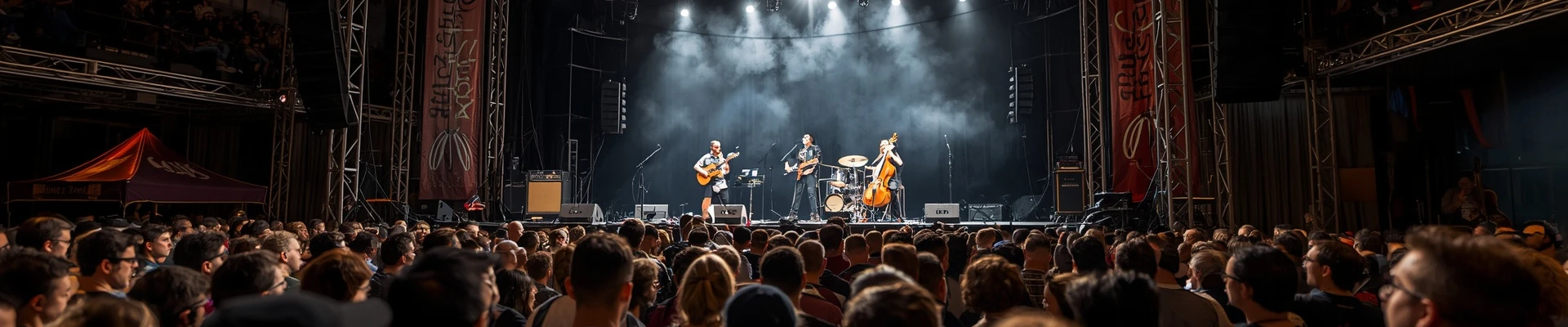
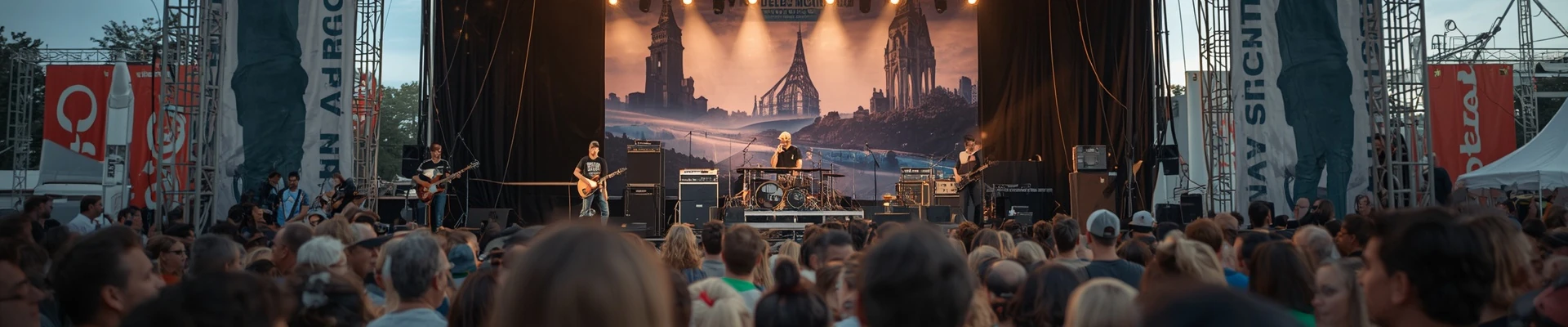
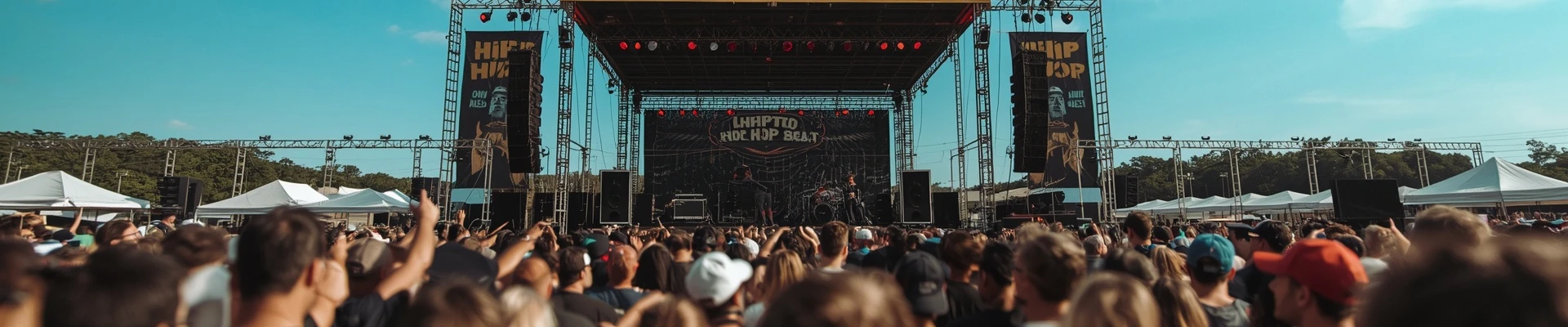
Bunbury Music Festival — held annually since 2012 at Sawyer Point and Yeatman's Cove along the riverfront — is Cincinnati's flagship rock and alternative festival, drawing 30,000–40,000 attendees and headliners from across the rock, indie, hip-hop, and electronic spectrum. Lumenocity combined the Cincinnati Symphony with projection mapping on Music Hall for several summers, becoming one of the most-watched American classical crossover events. MidPoint Music Festival ran for fifteen years as the city's indie music showcase before ending in 2016. Cincinnati Music Festival (formerly the Cincinnati Jazz Festival) at Paul Brown Stadium has been one of the largest Black music festivals in the United States for decades, drawing 50,000–70,000 to a weekend of R&B, hip-hop, gospel, and jazz. Blink Cincinnati — the biennial large-scale light, mural, and music festival — has used the Cincinnati Pops and outdoor performances to anchor the city's arts-festival calendar. Oktoberfest Zinzinnati — the largest Oktoberfest celebration in the United States outside Germany — features a significant musical component, drawing German brass bands and regional country and folk acts to a crowd of half a million.
What ties it all together is Cincinnati's layered sonic topography: a city where King Records invented the template for the modern independent label in the same building where James Brown recorded the most influential catalog in funk and soul; where Bootsy Collins learned bass in the West End before joining the most important rhythm sections in American music; where Over the Rhine (the duo) named themselves after Over-the-Rhine (the neighborhood) and built a thirty-year acoustic canon in its bars; where the Cincinnati Symphony performs in one of the most beautiful concert halls in the hemisphere; and where the Ohio River flows past a riverfront stage every June while Bunbury runs. The Queen City is a music city of deep, layered roots — undersung nationally, essential regionally, and irreplaceable to the story of American rhythm and blues.