

Broken Arrow is a city of approximately 106,000 people in Tulsa County, Oklahoma, located about 24 kilometres southeast of downtown Tulsa. It is the fourth-largest city in Oklahoma and one of the fastest-growing suburban communities in the state — its population has roughly tripled since 1980, driven by the expansion of the Tulsa metropolitan area, the growth of aerospace and defence manufacturing along the Highway 51 (Cherokee Expressway) corridor, and the general migration of Tulsa-area residents into the southeastern suburbs. Broken Arrow sits on the Verdigris River drainage basin at an elevation of around 207 metres above sea level, on the rolling plains of the Osage Hills transitional zone between the tallgrass prairie and the Ozark plateau. The city's name derives from a Creek (Muskogee) village called Broken Arrow in Alabama that relocated to what is now Wagoner County during the Trail of Tears; the city itself was platted in 1902 after the allotment of Creek Nation lands following the Dawes Act. Today Broken Arrow is one of the most economically stable mid-size cities in Oklahoma — its aerospace, defence, healthcare, and retail sectors create a suburban prosperity that has drawn tens of thousands of Tulsa-area families into the southeastern corridor over the past four decades.
A brief history
Broken Arrow's early history is inseparable from the history of the Five Civilized Tribes and the devastating forced relocations of the 19th century. The Creek Nation established communities in what is now the Tulsa-Broken Arrow area following the Trail of Tears in the 1830s, and the name Broken Arrow carries that deep historical resonance. The town of Broken Arrow was platted in 1902 following the Dawes Act allotment of Creek Nation lands, grew slowly as an agricultural community through the early 20th century, and remained a small town of roughly 5,000 to 10,000 people through the 1950s and 1960s. The transformation came with the growth of the Tulsa metropolitan area in the postwar decades — Broken Arrow became a bedroom community for Tulsa's middle class, and the arrival of major employers like American Airlines Maintenance and Engineering Center (now in Tulsa, historically drawing workers from across the metro), Aerojet Rocketdyne (aerospace manufacturing in Broken Arrow), FlightSafety International, and a cluster of defence and aviation suppliers along the Cherokee Expressway corridor gave the city an economic identity beyond pure residential sprawl. The Rose District — the revitalised downtown Broken Arrow corridor along Main Street and Rose Street — has become a symbol of the city's effort to build a community identity distinct from its purely suburban past, with boutiques, restaurants, breweries, and live music venues creating a walkable district that has become one of the most visited destinations in the Tulsa metropolitan area.
Music identity
Broken Arrow's most significant contribution to American music history is less about what happened within the city limits and more about its inseparable connection to the Tulsa Sound — one of the most distinctive regional rock and soul hybrids in American music. The Tulsa Sound emerged in the late 1960s and early 1970s from a loose community of Tulsa-area musicians who blended Southern rock, rhythm and blues, country, and gospel into a raw, feel-good style that was simultaneously too country for rock radio and too funky for country radio. The movement produced figures of enormous national consequence: Leon Russell, the Lawton-born, Tulsa-based pianist, songwriter, and producer who worked with the Rolling Stones, George Harrison, Joe Cocker (whose "With a Little Help from My Friends" at Woodstock featured Russell's arrangements), and dozens of other landmark acts; J.J. Cale, the Tulsa-born guitarist whose laid-back, shuffling style was covered by Eric Clapton ("After Midnight", "Cocaine") and influenced country-blues for decades; David Gates, who formed Bread and wrote some of the most successful soft rock of the early 1970s; and Dwight Twilley, whose melodic power pop in the 1970s remains a touchstone for Tulsa Sound enthusiasts. While most of these artists were identified with Tulsa proper, Broken Arrow — as an integral part of the Tulsa metropolitan area — shared in that cultural ecosystem: musicians, venues, churches, and recording studios spread across the metro without hard regard for city limits.
The most direct Broken Arrow connection in rock history is Hanson — the Tulsa-raised pop-rock trio of brothers Isaac, Taylor, and Zac Hanson who achieved international superstardom with "MMMBop" in 1997. The Hanson brothers grew up in Tulsa and the broader Tulsa metropolitan area, and while the family spent years internationally as their father worked in Latin America, their Tulsa-area roots are central to their identity. They formed their own label, 3CG Records, and have been based in the Tulsa area for their entire career, making them one of the most significant artist-owned label operations in Oklahoma music history. Garth Brooks — the defining superstar of modern country — grew up in Yukon, Oklahoma, but his connections to the broader Oklahoma musical tradition run through Tulsa-area venues and the Oklahoma country scene. Reba McEntire is from Chockie in southeastern Oklahoma but has deep Tulsa connections. Carrie Underwood is from Checotah, Oklahoma, near the Tulsa metro area. Oklahoma country's gravitational pull toward the Tulsa region — and by extension Broken Arrow — has made the eastern Oklahoma music scene one of the most fertile breeding grounds for mainstream country talent in the United States.
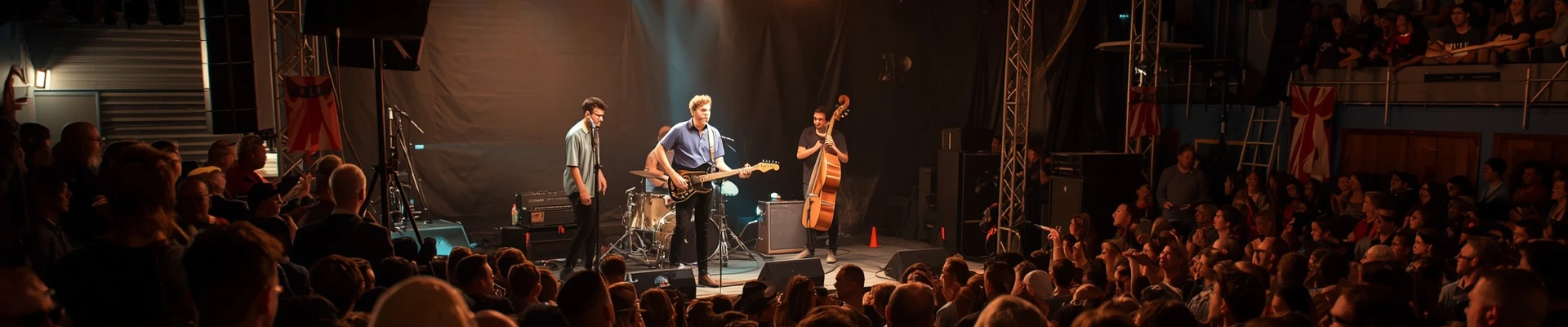
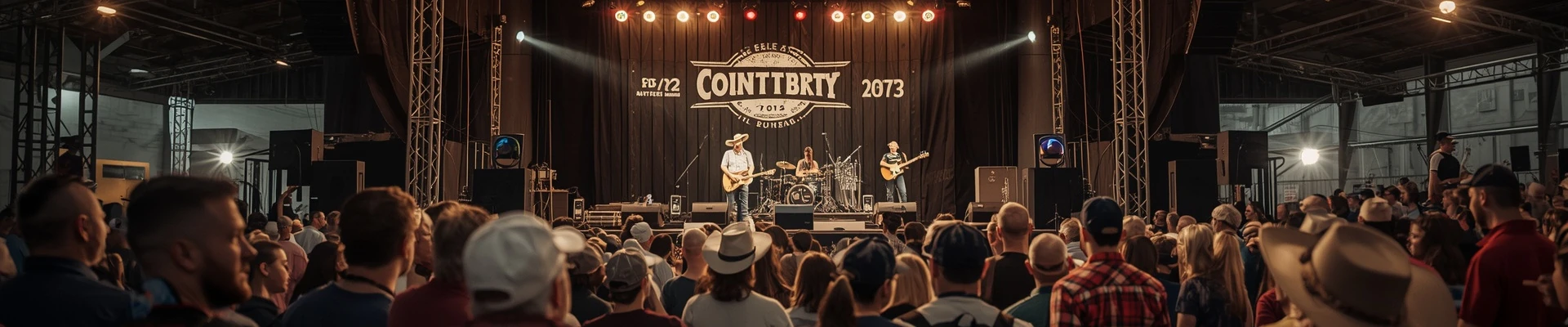
Broken Arrow's local music scene is built on several distinct pillars. The church and gospel circuit — driven by the city's large and growing evangelical and Pentecostal communities — sustains a vibrant choir, praise-and-worship, and Christian contemporary music scene across dozens of congregations. The Rose District has become the city's live music centre, with venues like McNellie's Pub, Arrowhead Brewing Company (which programs local live music), The Hunt Club, and the outdoor spaces along Main Street hosting local and regional acts on weekends. The country and Americana circuit runs through the broader Tulsa-metro bar and honky-tonk network that extends into Broken Arrow. The hip-hop and R&B scene draws on Broken Arrow's growing African American and Hispanic communities, intersecting with the broader Tulsa urban music scene centred in the Greenwood District and North Tulsa.
Venues and neighborhoods
Broken Arrow's venue ecosystem is smaller than Tulsa's but growing with the city's population. The Rose District — the revitalised downtown corridor anchored by Main Street and Rose Street between Kenosha Street and the railroad tracks — is the cultural heart of the city. Veterans Park in the Rose District hosts outdoor concerts and community events. ONEOK Field (the Tulsa Drillers ballpark in downtown Tulsa) is the metro's primary outdoor festival venue, with Broken Arrow residents making up a substantial part of the audience. The Tulsa Performing Arts Center, the Brady Theater, the BOK Center (the 19,000-capacity arena in downtown Tulsa), and Cain's Ballroom (the landmark dancehall opened in 1924, known as the "Carnegie Hall of Honky-Tonk") are all within 30 minutes of Broken Arrow and serve as the metro's major touring stops. Within Broken Arrow, the Rose District breweries and bars host local and regional live music; Broken Arrow Performing Arts Center at Union High School programs community theatre and musical events; and the broader suburban circuit of church auditoriums, school performance spaces, and corporate event centres fills out the calendar.
The Rose District is the most distinctive Broken Arrow neighborhood for music and culture — it has the density of small venues, restaurants, and outdoor gathering spaces that make live music economically viable at the local level. Downtown Broken Arrow more broadly is experiencing a commercial revival that is slowly adding more music-friendly venues. The Highway 51 corridor anchors the city's employment base in aerospace and defence. Garnett Road and Aspen Creek are major residential corridors. The Broken Arrow Expressway (US-64) connects the city to downtown Tulsa in about 20 minutes.
Festivals and signature events
Broken Arrow's festival calendar reflects its suburban civic identity and its connections to the broader Tulsa-metro cultural scene. The Rooster Days Festival — held annually since 1932, one of the longest-running community festivals in Oklahoma — features live music, carnival rides, arts and crafts, and a parade through the Rose District. Broken Arrow Fest is a newer community event programming local and regional music acts in the Rose District. Indian Summer Festival and various Rose District seasonal events (Spring Festival, Fall Festival, Holiday celebrations) bring music and outdoor entertainment to the downtown corridor. The Tulsa State Fair, the Tulsa International Mayfest, and Cain's Ballroom's year-round programming serve the metro as a whole, with Broken Arrow residents among the most regular attendees. The Drillers at ONEOK Field program summer concerts and promotions. Church music events — Easter cantatas, Christmas concerts, and praise-and-worship nights across the city's many large evangelical congregations — are a major part of the local music calendar that often goes uncounted in venue surveys.
What ties it all together is Broken Arrow's identity as the residential heartland of the Tulsa Sound's geographic and cultural territory. This is a city built by the same working-class and middle-class Oklahomans whose musical sensibilities — rooted in country church harmonies, rhythm-and-blues radio, and the rolling shuffle of the Verdigris River flatlands — produced one of American music's most idiosyncratic regional sounds. Leon Russell and J.J. Cale may have put their addresses in Tulsa proper, but the communities, churches, dancehalls, and front porches that shaped their music stretched all the way through the southeastern suburbs into what is now Broken Arrow. The city today carries that heritage quietly — in its gospel choirs, its Rose District honky-tonks, its Hanson-connected DIY music culture, and its easy proximity to Cain's Ballroom, Tulsa's most sacred live music room. Broken Arrow is where the Tulsa Sound's domestic life played out: the Sunday mornings and Saturday nights that make great music possible.