
Tulsa is the second-largest city in Oklahoma and the 47th-largest in the United States, with roughly 413,000 residents inside the city limits and more than 1.04 million across the surrounding metropolitan area. Sitting on the Arkansas River in northeastern Oklahoma, between the Ozark foothills to the east and the Great Plains to the west, the city is the financial, cultural, and energy capital of eastern Oklahoma. Tulsa was the "Oil Capital of the World" through much of the early 20th century — when oil discoveries in the surrounding fields made the city one of the wealthiest in America per capita and built the Art Deco architectural treasure that still defines downtown. Tulsa is home to the University of Tulsa, Oral Roberts University (the prominent Pentecostal Christian university), the Gilcrease Museum (one of the most important collections of American Western art), the Philbrook Museum (in the former Phillips Petroleum mansion), and the historic Greenwood District — known as "Black Wall Street," the prosperous African American business district that was destroyed in the 1921 Tulsa Race Massacre and has been a site of national reckoning and rebuilding ever since. Tulsa's musical identity has been forged at the intersection of Western Swing, blues, gospel, country, and Native American (the city sits in the Cherokee, Creek/Muscogee, and Osage Nations' historic territories) musical traditions.
A brief history
The land was Osage and Creek/Muscogee territory before the Trail of Tears forced the Five Civilized Tribes (Cherokee, Creek, Chickasaw, Choctaw, and Seminole) into Indian Territory through the 1830s and 1840s. Tulsa was settled by Creek Native Americans in the 1830s — the city's name comes from the Creek word Tallasi meaning "old town" — and grew slowly until the Glenn Pool oil discovery in 1905 transformed Tulsa into a boomtown. The 1910s and 1920s saw an explosion of Art Deco buildings — the Boston Avenue Methodist Church, the Mid-Continent Tower, the Philtower, the Atlas Life Building — that gave Tulsa one of the densest collections of Art Deco architecture in the world. The 1921 Tulsa Race Massacre — when a white mob, deputized by city officials, destroyed the prosperous Greenwood District (Black Wall Street), killed an estimated 100-300 Black residents, and left thousands homeless — remains one of the worst incidents of racial violence in American history and a defining trauma for the city. Through the mid-20th century Tulsa shifted from oil to a more diversified economy, and the city's musicians built a regional sound that fused country, blues, jazz, and rock.
Music identity
Tulsa's most internationally consequential musical contribution is the "Tulsa Sound" — a distinctive regional style that fuses country, blues, rockabilly, and laid-back rock into a relaxed groove that influenced rock and roll for half a century. JJ Cale (born in Oklahoma City but Tulsa-raised, the architect of the Tulsa Sound, whose songs "After Midnight," "Cocaine," and "Call Me the Breeze" became Eric Clapton standards), Leon Russell (Tulsa-raised, the Bangladesh-concert virtuoso pianist who became one of the most prolific session musicians and producers of the late 1960s and 1970s — his Church Studio in Tulsa was a landmark recording space and the home base for the Shelter Records label that signed Tom Petty, Phoebe Bridgers's grandfather, and many others), Eric Clapton's direct musical inheritance from JJ Cale (Clapton recorded The Road to Escondido with Cale shortly before Cale's death and credited Cale as his most important musical inspiration), and The Gap Band (Tulsa-formed, the funk and R&B group whose hits "You Dropped a Bomb on Me" and "Outstanding" defined early 1980s funk) all built the Tulsa Sound's national reputation.
Tulsa is also the birthplace of Western Swing — Bob Wills and His Texas Playboys built their legendary career broadcasting from Cain's Ballroom in Tulsa from 1934 onward, and Cain's Ballroom (still operating today as a major mid-size concert venue) is one of the most historically important country music venues in America. Hank Thompson also recorded out of Tulsa.
The city is also a major hub of red-dirt country and Americana. Garth Brooks (born and raised in nearby Yukon, Oklahoma, but whose career launched through the Oklahoma circuit), The Red Dirt Rangers, Cross Canadian Ragweed, Stoney LaRue, Jason Boland and the Stragglers, and the broader Oklahoma red-dirt country scene work continuously between Tulsa, Stillwater, and Oklahoma City. Hanson (the brothers from Tulsa whose 1997 hit "MMMBop" became a global pop phenomenon), All-American Rejects (Stillwater-formed but Tulsa-active), and a current generation of pop, rock, and indie acts keep the Tulsa popular music scene active.
Tulsa's Native American music scene — particularly Cherokee, Creek/Muscogee, and Osage musical traditions — runs through pow-wows at the local Native nations' grounds, the Native American Music Awards (which have been programmed in Tulsa), and a broader Indigenous music presence. John Trudell had Tulsa connections; the Native Music Rocks circuit programs annual events.
The city's gospel tradition runs through the Greenwood District's historic churches and the broader Black church music tradition that survived the 1921 massacre. Charlie Wilson (the Gap Band's lead singer, born in Tulsa) anchors the city's R&B and gospel lineage.
Venues and neighborhoods
Tulsa's venue ecosystem is exceptional for a city of its size. At the top sit the BOK Center (the 19,000-capacity downtown arena, designed by César Pelli, that opened in 2008 and has become one of the most architecturally celebrated arenas in America), the Tulsa Performing Arts Center (home of the Tulsa Symphony Orchestra and Tulsa Opera), and Cain's Ballroom (the legendary 1,800-capacity Western Swing-era venue that has been operating since 1924 and is one of the most historically important country and rock venues in America — the Sex Pistols played their second-to-last show here in 1978; Bob Wills broadcast from here through the 1930s and 1940s). The midsize tier includes The Tulsa Theater (formerly the Brady Theater, a 2,800-capacity historic venue), the Mercury Lounge, The Vanguard, and the Cox Business Convention Center. Beneath them is a club layer running through the Brady Arts District (now called the Tulsa Arts District after its 2018 renaming away from W. Tate Brady, a city founder with KKK ties), the Blue Dome District, Cherry Street, and the Pearl District — Soundpony, The Colony, The Hunt Club, Fassler Hall, and a network of bars and venues. The Church Studio in the Pearl District — once Leon Russell's recording studio and Shelter Records HQ, restored and reopened as a recording studio, museum, and event space in recent years — is a pilgrimage site for Tulsa Sound fans.
Different neighborhoods carry different musical identities. The Tulsa Arts District anchors the contemporary indie, alt-rock, and craft-cocktail music scene around Cain's Ballroom and Tulsa Theater. The Blue Dome District anchors the bar and club circuit. Cherry Street anchors the singer-songwriter and folk circuit. The Pearl District anchors the Church Studio pilgrimage and the broader Tulsa Sound heritage. Greenwood continues as the historic Black music district, with Black Wall Street rebuilding and the Greenwood Cultural Center programming gospel, blues, and jazz events. South Tulsa (around Oral Roberts University) anchors the contemporary Christian music scene.
Festivals and signature events
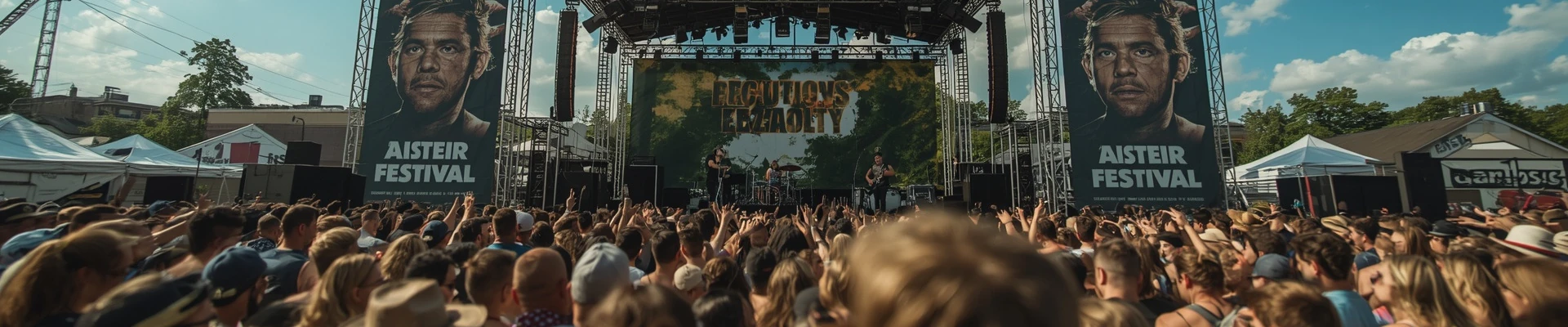
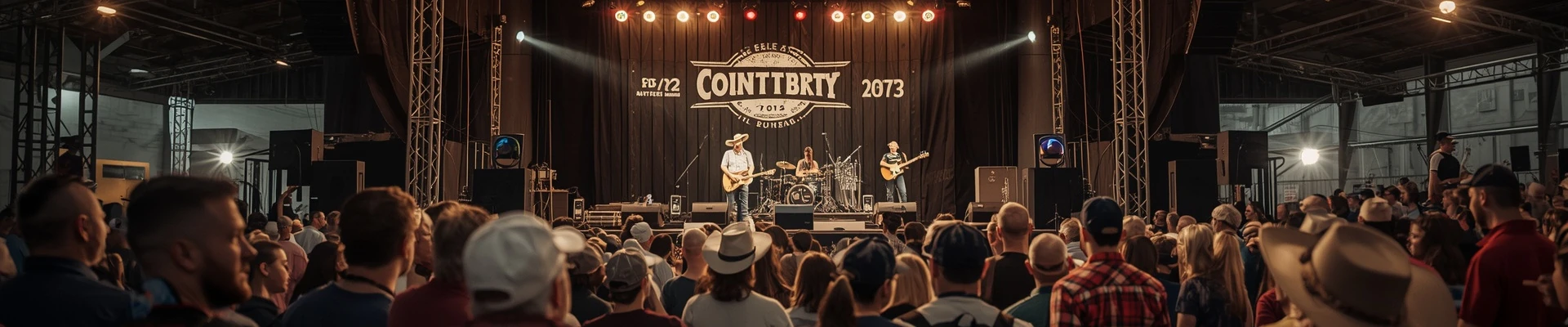
The festival calendar reflects the city's range. Tulsa Mayfest (the city's signature spring arts festival in the Tulsa Arts District), Center of the Universe Festival (the multi-stage downtown summer festival), Bob Dylan Center programming (the Bob Dylan Center opened in Tulsa in 2022, immediately adjacent to the Woody Guthrie Center, making Tulsa the most important pilgrimage site for American folk and folk-rock heritage), Woody Guthrie Folk Festival in nearby Okemah, Tulsa Bluegrass Festival, Tulsa State Fair's music programming, Linde Oktoberfest Tulsa, Tulsa Greek Festival, Cain's Ballroom's year-round programming, the Born and Raised Festival (an annual two-day country music festival), and Tulsa Pride round out the calendar. The Woody Guthrie Center (opened 2013, the world's most important Woody Guthrie archive and museum) and the Bob Dylan Center (opened 2022, housing the Bob Dylan archive purchased by the George Kaiser Family Foundation in 2016) have made Tulsa the most important folk-music pilgrimage city in America.
What ties it all together is Tulsa's combination of oil-money Art Deco wealth, the Western Swing and Tulsa Sound legacies, the trauma and rebuilding of Greenwood, and the recent transformation into a major folk-music heritage city through the Woody Guthrie and Bob Dylan Centers. Tulsa is the city where Bob Wills broadcast Western Swing from Cain's Ballroom, where JJ Cale and Leon Russell built the laid-back Tulsa Sound that Eric Clapton turned into rock standards, where The Gap Band defined early 1980s funk, where the Sex Pistols played one of their final shows, where Hanson became a global pop phenomenon, and where the Bob Dylan Center and the Woody Guthrie Center now anchor the most consequential American folk archives outside the Library of Congress.