


Carolina is Puerto Rico's second-largest municipality by population, situated immediately east of San Juan on the northeastern Atlantic coast of the island. With roughly 170,000 residents and an area of approximately 82 square kilometres, Carolina extends from the urban coastal strip of Isla Verde — one of the Caribbean's most recognisable hotel and entertainment corridors — inland through residential barrios and commercial zones to the low hills of the island's interior. The Luis Muñoz Marín International Airport, Puerto Rico's main air gateway and the busiest in the Caribbean, sits within Carolina's municipal limits, making the city the first thing most visitors encounter when they land on the island. Carolina's northern edge faces the Atlantic directly, with beaches that flow without interruption into the San Juan resort zone; the Río Grande de Loíza, one of Puerto Rico's longest rivers, marks part of the city's eastern border with Loíza and Canóvanas.
Economically, Carolina is one of Puerto Rico's most dynamic municipalities. It is home to major pharmaceutical and medical device plants — part of the industrial cluster that has made Puerto Rico's northeastern corridor a significant node in global pharmaceutical supply chains — as well as substantial retail, tourism, and logistics employment tied to the airport and the Isla Verde hotel strip. The municipality's fortunes have tracked closely with Puerto Rico's broader economic arc: the boom years of Operation Bootstrap and the Commonwealth-era industrialisation, the debt crisis that accelerated from the mid-2000s, and the catastrophic blow of Hurricane María in September 2017, which damaged infrastructure across Carolina as it did across the entire island.
A brief history
The municipality of Carolina was established formally in 1816, though Spanish settlement in the area dates to the early colonial era. The name honours King Charles III of Spain, reflecting the territory's colonial origins. The land was historically agricultural — sugar cane was the dominant crop, worked by enslaved Africans whose cultural presence would prove foundational to the music, food, and spiritual life of the surrounding region. Loíza, the municipality immediately to Carolina's east, is the most celebrated centre of Afro-Puerto Rican culture on the island, and Carolina's cultural identity is inseparable from that proximity — the bomba drum traditions, the African religious and ceremonial heritage, and the community memory of plantation life all run through Carolina's musical roots even as the city's own 20th-century identity became more thoroughly shaped by the Latin pop and salsa industries centred in San Juan.
The 20th century brought urbanisation and the Americanisation of the island's governance and economy. The growth of Isla Verde from a coconut-palm beach into a dense strip of luxury hotels, casinos, restaurants, and nightclubs through the 1960s and 1970s transformed Carolina's relationship to tourism and entertainment. The hotels brought performance work: musicians who might otherwise have gigged in San Juan's La Perla or Santurce found steady employment in Isla Verde ballrooms and casino lounges, and the strip became a circuit node in the broader Puerto Rican live music economy.
Music identity
Carolina's most internationally recognisable contribution to music history is being the birthplace of Ricky Martin — born Enrique Martín Morales in San Juan in 1971 but raised in Hato Rey and deeply associated with Puerto Rico's metropolitan corridor. More precisely and unambiguously, Carolina is the hometown of Marc Anthony (born Marco Antonio Muñiz in New York City to Puerto Rican parents with Carolina roots) in terms of ancestral connection, though the cleaner claim belongs to the municipality's role in the formation of Menudo, the boy band in which Ricky Martin was a member from age 12, which launched from the San Juan–Carolina–Bayamón metropolitan orbit and became the most internationally successful Latin pop group of the 1980s.
The clearest and most documented Carolina-born star is Ricky Martin himself — born in Santurce but raised partly in the broader San Juan metropolitan area that includes Carolina, and whose career arc from Menudo through his eponymous 1999 English-language debut album (the single "Livin' la Vida Loca" sold over 8 million copies globally and inaugurated the so-called Latin Explosion of the late 1990s) made him the most commercially successful Puerto Rican artist in history. Carolina claims him, and the claim is recognised.
But Carolina's music identity runs deeper than a single celebrity origin story. The municipality sits within the gravitational field of San Juan's salsa industry, and Carolina musicians have been embedded in that industry since the New York/Puerto Rico salsa circuit began formalising in the late 1960s and 1970s. The Fania Records era — the label founded in New York in 1964 by Johnny Pacheco and Jerry Masucci that signed Celia Cruz, Rubén Blades, Willie Colón, Héctor Lavoe, and the core of what became known as the Fania All-Stars — drew heavily from Puerto Rican communities in both New York and on the island, and Carolina-area musicians were part of the circuits that fed talent into that ecosystem.
Salsa remains the root genre of Carolina's musical identity. The municipality's proximity to Santurce — historically San Juan's salsa heartland, home to landmark clubs and the infrastructure of the island's music industry — means Carolina has always been on the receiving and transmitting end of the genre's developments. Merengue, cumbia, bachata, and more recently reggaeton and Latin trap have layered onto that base. Reggaeton — the genre that emerged from Jamaican reggae and Panamanian reggae en español filtered through Puerto Rico's housing projects in the 1990s — has deep roots in the San Juan metropolitan corridor, and Carolina is fully embedded in it. Daddy Yankee and Don Omar are San Juan and Naguabo products respectively, but the genre's reach into Carolina's barrios and the municipality's own contribution to the underground circuit that incubated it are well established.
The bomba and plena traditions that originate in the Afro-Puerto Rican communities of the island's eastern coast — most powerfully in neighbouring Loíza — have influenced Carolina's musical culture in ways that are felt more in community celebration, street processions, and the fiestas patronales than in the commercial music industry. Bomba is percussion-driven, call-and-response, rooted in African ceremonial music, and it remains a living tradition in Carolina's eastern barrios and community events.
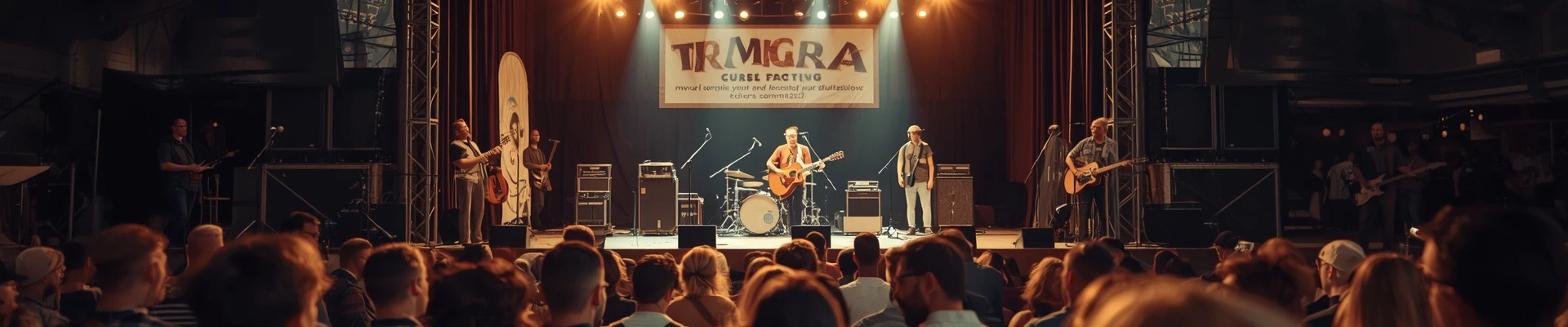
The Isla Verde hotel strip created a particular kind of musical economy: steady employment for working musicians in hotel lounges, casino floors, and resort nightclubs, programming everything from salsa dance bands to Latin jazz trios to top-40 cover acts. The strip's nightclubs — Amnesia, Club Brava (at El San Juan Hotel), and others that opened and closed over decades — have presented internationally recognised DJs and performers in addition to local acts. This economy of steady gigs in well-capitalized tourist venues has been a consistent feature of Carolina's music life.
Venues and neighborhoods
Isla Verde is Carolina's entertainment spine — a roughly three-kilometre stretch of beachfront hotels, casinos, and entertainment complexes east of the Condado lagoon that includes some of the Caribbean's most historically significant nightlife venues. Club Brava at El San Juan Hotel & Casino is one of the island's most prestigious concert and nightclub venues, with a history of major bookings. Kasablanca and Oceano Bar have operated within the hotel zone. The strip's casino lounges and resort ballrooms have provided consistent live music employment for local salsa, Latin jazz, and contemporary pop musicians.
Inland from the coast, Barrio Martín González and the commercial zones along Avenida Roberto Clemente and Avenida Fragoso support smaller bars and music venues. The Centro Comercial Las Catalinas area and the residential barrios of Sabana Llana Sur, Sabana Llana Norte, Trujillo Alto border, and Los Colobos form the municipality's less touristic interior. Barrio Torrecilla Alta and Torrecilla Baja stretch toward the airport and the coastal wetlands of the Piñones natural reserve — a strip of coconut groves, mangroves, and beachside kiosks that extends east from Isla Verde and is beloved for its outdoor food culture and informal music gatherings, particularly on weekends when families gather at the kiosk stalls (known as chiringuitos) for fried food, cold beer, and whatever sounds are coming from the speakers.
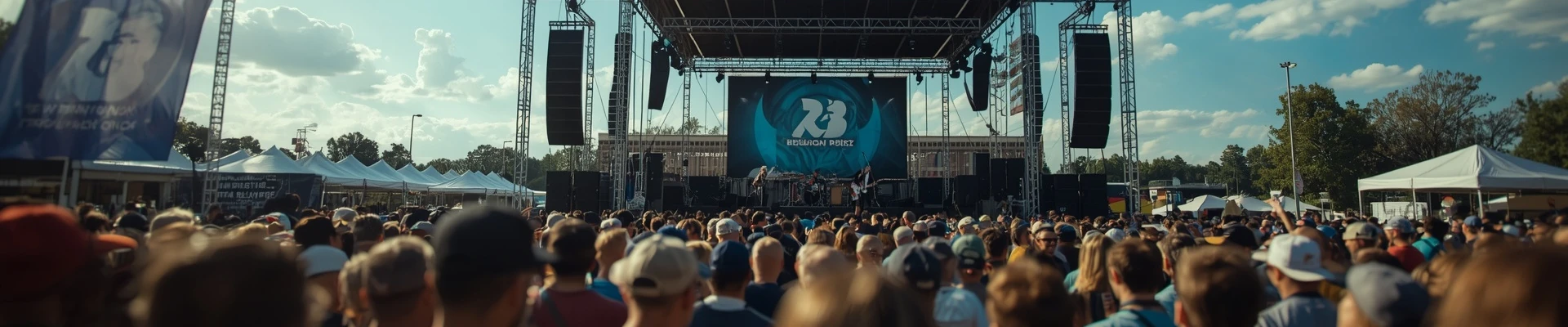
Piñones deserves particular attention as a music space. The stretch of beachside kiosks running along Route 187 east of the airport has been an informal outdoor music venue of genuine cultural importance — not a concert venue, but a social space where DJs, informal sound systems, and live percussion have made music central to the experience of being there. Weekend afternoons at Piñones are marked by reggaeton, salsa, and electronic music spilling from the kiosks, and the area has functioned as a gathering point for young San Juan–Carolina residents for decades.
Festivals and signature events
Fiestas Patronales de San Fernando Rey — Carolina's patron saint festival, held annually in May — is the municipality's primary traditional celebration, with live music, carnival rides, food vendors, and community events extending over multiple days. Like all Puerto Rican fiestas patronales, it programs a mix of salsa orchestras, reggaeton artists, and traditional musical forms in a plaza-centred format that connects the contemporary pop music industry to the island's Spanish colonial festival tradition.
The Piñones Festival (various formats over the years) has celebrated Afro-Puerto Rican cultural heritage including bomba and plena, with a focus on the Loíza–Carolina eastern corridor. The Festival de Cine de Puerto Rico (San Juan International Film Festival), while based in San Juan proper, draws audiences from across the metropolitan area including Carolina and programs music events alongside film screenings. Holiday concerts and summer concert series in Carolina's municipal plazas and parks have consistently programmed local salsa, Latin pop, and reggaeton acts.
The broader San Juan metropolitan cultural calendar — which Carolina participates in fully as an adjacent municipality — includes Casals Festival (classical music of international standing, founded by cellist Pablo Casals in 1957 and held in San Juan's Centro de Bellas Artes Luis A. Ferré), the Puerto Rico Heineken JazzFest (international jazz festival on the grounds of the old San Juan fort circuit), and SanjuanBombazos (bomba events). Carolina residents and musicians move through this calendar as a natural part of their cultural life.
What ties it all together
Carolina's music identity is shaped by two things in productive tension: it is simultaneously a beach-resort municipality whose Isla Verde hotel strip demands a professional, polished, tourist-facing music economy, and a Puerto Rican municipality with deep Afro-Caribbean roots — bomba, plena, salsa — that run through its community life and its relationship to the island's eastern coastal culture. The Latin pop celebrity of Ricky Martin and the historical resonance of Menudo sit at one pole; the weekend percussion circles at Piñones, the patron saint festivals with their salsa orchestras, and the reggaeton that has been the sound of the island's youth since the 1990s sit at the other. What connects them is the consistent fact of Puerto Rican musical expression as a living, economically productive, culturally generative force — one that Carolina has both exported to the world in internationally recognised form and kept alive in its plazas, its beaches, and its barrios.