
Ponce is Puerto Rico's second-largest city, with roughly 137,000 residents in the municipality and a metropolitan area of around 250,000 — the undisputed cultural capital of the island's southern coast. Set on the Caribbean Sea shore between the Cordillera Central mountains and the turquoise Bahía de Ponce, the city sits about 75 miles south of San Juan across the mountainous spine of Puerto Rico. Ponce is officially bilingual, like the rest of Puerto Rico, but culturally distinct from the capital — more conservative in some registers, more European in its civic architecture, more self-aware of its Spanish colonial and Afro-Puerto Rican heritage, and deeply proud of its status as the birthplace of some of the most important figures in Latin popular music history. Ponceños refer to their city as La Perla del Sur (Pearl of the South) and have a reputation for cultural seriousness that reaches back to the 19th century, when Ponce was in many respects richer and more cosmopolitan than San Juan.
A brief history
Ponce was formally founded as a municipality in 1692 and named for Juan Ponce de León, the Spanish explorer who first colonized Puerto Rico. By the 19th century it had become the wealthiest city on the island — its sugar, coffee, and rum economy (particularly the output of the surrounding haciendas in the municipal interior and the port trade through the Playa de Ponce harbour) made it a prosperous merchant city with architectural ambitions to match. The Parque de Bombas — the candy-striped Victorian firehouse that has become the city's most iconic landmark — was built in 1882 for an industrial exposition and later repurposed as the city's fire station. The Museo de Arte de Ponce (MAP, opened 1959 and funded by industrialist Luis A. Ferré, later Governor of Puerto Rico) became one of the most important art museums in the Caribbean. The Ponce Massacre of 1937, in which Puerto Rican Nationalist Party marchers were shot by police under orders from the colonial governor, remains a defining moment in Puerto Rican political history and is commemorated each year.
The city's fortunes declined through the 20th century as San Juan consolidated political and economic primacy, but Ponce retained its cultural confidence and architectural identity. La Plaza Las Delicias — the central plaza anchored by the Parque de Bombas, the Catedral Nuestra Señora de Guadalupe, and the surrounding neo-classical civic buildings — remains one of the most beautiful colonial town squares in the Caribbean and a genuine gathering place for ponceños. The city's lower-lying coastal barrios, including La Playa and El Vigía, carry a distinctly working-class and Afro-Puerto Rican identity that gives Ponce its musical weight.
Music identity
Ponce's most internationally famous musical export is Héctor Lavoe (born Héctor Juan Pérez Martínez, 1946–1993) — the Ponceño singer who moved to New York as a teenager, became the defining voice of Fania Records' golden age, and is widely considered the greatest salsa vocalist of all time. Lavoe's recordings with Willie Colón — El Malo (1967), Che Che Colé (1971), Lo Mato (1973), La Gran Fuga (1975), El Baquiné de Angelitos Negros (1977) — and his solo albums La Voz (1975) and Comedia (1978) remain cornerstones of the salsa canon. His voice — rough-edged, emotionally reckless, capable of transforming a simple phrase into something heartbreaking — defined what salsa could be at its most human. The Casa Museo Héctor Lavoe in Ponce's Barrio San Antón commemorates his life. That barrio itself is historically one of the most Afro-Puerto Rican communities in the city and a cradle of traditional music.
Before Lavoe, Ponce was already a city with a serious musical culture. The bomba tradition — the Afro-Puerto Rican drum-and-dance form rooted in the experience of enslaved Africans on the island — was as vital in Ponce's coastal communities as anywhere on the island. Barrio San Antón and the adjacent coastal districts were home to bomba families whose traditions ran back generations. The plena — the Puerto Rican working-class song form sometimes called "the singing newspaper" — equally took root in Ponce's sugar-port culture. These two foundational Afro-Puerto Rican musical traditions fed directly into the salsa explosion of the New York Puerto Rican diaspora in the 1960s and 1970s, and Ponce contributed its sons and daughters to that movement at every level.
The city's classical tradition runs through the Conservatorio de Música and the presence of the Orquesta Sinfónica de Ponce, as well as its connection to the broader island classical culture supported by the Festival Casals in San Juan. Ponce's historical prosperity also sustained a strong tradition of danza — the elegant, European-influenced Puerto Rican formal dance genre that flourished in the casino ballrooms of 19th-century Ponce and produced composers whose works remain in the Puerto Rican classical repertory.
In the contemporary era, Ponce has contributed to Puerto Rico's reggaeton and Latin trap lineage as part of the island-wide scene, though the genre's centre of gravity has always been metropolitan San Juan and its housing projects. The city nonetheless participates fully in Puerto Rican popular music — young Ponceño artists move to San Juan or to the U.S. mainland to pursue careers, and the city's own venue scene tracks the island's popular music calendar.
Venues and neighborhoods
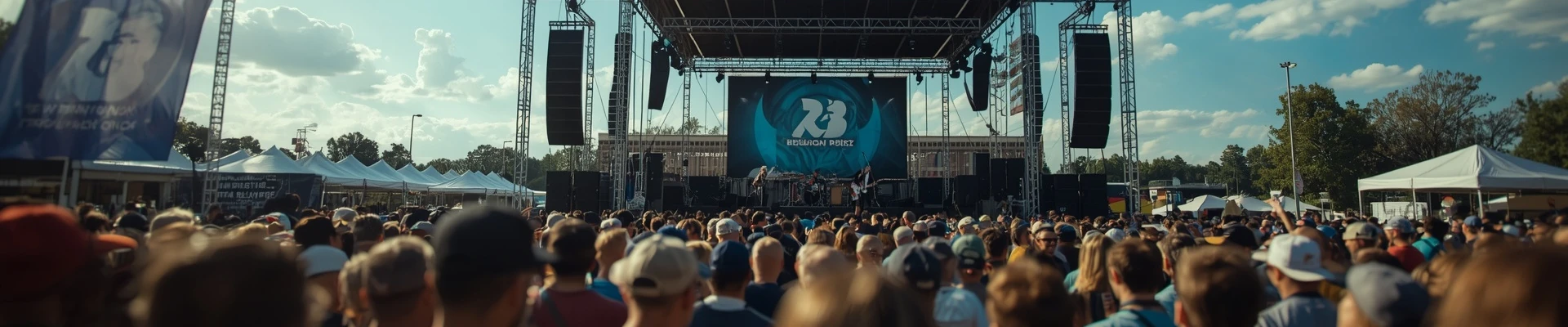
Ponce's live music ecosystem is proportionate to a city of its size — substantial, neighbourhood-rooted, and anchored by a few landmark spaces. El Estadio Juan Pachín Vicens is the city's largest outdoor entertainment venue. Teatro La Perla — the 1941 Art Deco theatre on Plaza Las Delicias — is Ponce's flagship performing arts venue, hosting classical concerts, theatrical productions, and major musical performances in an intimately scaled 1,047-seat hall. The plaza itself is a live performance venue, particularly during festivals, when its central bandstand hosts bomba and plena groups, danza orchestras, and salsa ensembles.
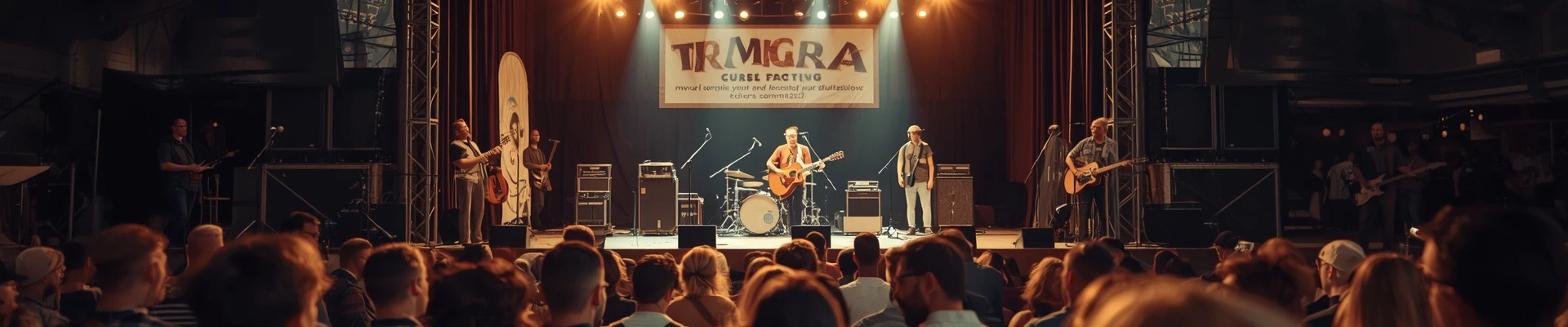
La Playa (Ponce's old port district) and Barrio San Antón anchor the city's most historically rooted music culture. A network of bars, fondas, and clubs along Calle Marina and the surrounding streets serves as the informal live music circuit. The Museo de la Música Puertorriqueña in downtown Ponce is a significant cultural institution — dedicated specifically to the documentation and preservation of Puerto Rican musical traditions, including bomba, plena, danza, and salsa.
The Cruceta del Vigía hill, with its panoramic views over the city and the Caribbean, marks the El Vigía neighbourhood above downtown — and the surrounding residential barrios carry the city's working and middle class culture. The student population at the Universidad Católica de Puerto Rico and Pontificia Universidad Católica (Ponce's main universities) supports a modest indie and alternative scene.
Festivals and signature events
Ponce's festival calendar is anchored by traditions that reflect its Afro-Puerto Rican and Spanish colonial heritage. Las Fiestas Patronales de Nuestra Señora de la Guadalupe (the December patron-saint festival) fills Plaza Las Delicias with live music, food vendors, and cultural programming for several weeks. El Carnaval de Ponce (February) is one of the most elaborate carnivals in Puerto Rico, featuring the legendary vejigantes — the masked carnival figures in elaborate pointy-horned papier-mâché costumes that are a defining symbol of Ponceño cultural identity — alongside salsa, plena, and bomba performances.
The Festival Nacional de la Danza Puertorriqueña celebrates Ponce's particular connection to the formal Puerto Rican dance tradition. The city also hosts Festival del Café (reflecting the coffee-growing tradition of the nearby Cordillera Central municipalities), Semana de la Cultura Ponceña (a week of municipal cultural programming), and regular bomba y plena gatherings at Barrio San Antón that are participatory community events as much as formal performances.
What ties it all together is Ponce's particular combination of cultural pride, historical depth, and musical specificity. This is not a city that produces casual pop acts — it produces artists with a relationship to tradition, to Afro-Puerto Rican roots, to the bomba circle and the salsa bandstand, to the dignity of Plaza Las Delicias and the heartache of Barrio San Antón. When Héctor Lavoe sang "Mi Gente" at Madison Square Garden he carried Ponce with him — the south-coast humidity, the smell of the plaza at night, the drumbeats from San Antón. That depth is still there, still producing, still waiting to be heard by anyone willing to come south from the capital and listen.