
San Juan is the capital and largest city of Puerto Rico, with roughly 418,000 residents inside the municipality and more than 2.4 million across the surrounding metropolitan area — making it the largest city in the Caribbean and one of the most musically consequential cities in the Spanish-speaking world. Sitting on the northeastern Atlantic coast of Puerto Rico, with the historic walled city of Old San Juan (Viejo San Juan) jutting out on a small islet at the entrance to San Juan Bay, the modern districts of Santurce, Condado, Hato Rey, Río Piedras, and Isla Verde spreading east and south along the coast, and the El Yunque rainforest rising to the southeast, San Juan is at once a 500-year-old Spanish colonial capital, a major U.S. territorial city, and the global headquarters of contemporary Latin music. It is the birthplace of reggaeton, the modern home of salsa's Fania-era diaspora, the cradle of bomba and plena, and the city whose musical exports — from Tito Puente's New York to Bad Bunny's worldwide tours — have shaped Latin popular music for nearly a century.
A brief history
The land was Taíno territory before Juan Ponce de León established the Spanish colonial settlement in 1508, originally calling it Caparra and moving it to its present location in 1521 as Ciudad de Puerto Rico (the city was renamed San Juan and the island Puerto Rico in subsequent decades — confusingly swapping the original names). For nearly 400 years San Juan was the most heavily fortified Spanish city in the Caribbean — the Castillo San Felipe del Morro (El Morro), Castillo San Cristóbal, and the city walls protected the harbour as a key Spanish military and trading post against British, Dutch, and French attacks. Spain ceded Puerto Rico to the United States after the 1898 Spanish-American War, and Puerto Rico has been an unincorporated U.S. territory ever since, with Puerto Ricans gaining U.S. citizenship in 1917. Through the 20th century San Juan grew from a colonial outpost into a modern Caribbean capital — the construction of the Roosevelt Roads naval base, the rise of mass tourism in Condado and Isla Verde, the operation of Operation Bootstrap's industrialization in the 1950s, and the ongoing cultural exchange between San Juan and the Puerto Rican diaspora in New York, Chicago, and Florida have shaped the modern city. Hurricane Maria (2017) devastated infrastructure and accelerated emigration, but San Juan remains the cultural and economic capital of Puerto Rico and the Spanish Caribbean.
Music identity
San Juan's musical contributions to global popular music are extraordinary. The city and the broader Puerto Rican tradition gave the world bomba (the Afro-Puerto Rican drum-and-dance tradition rooted in the enslaved African experience on the island, centred in the coastal communities of Loíza and Santurce) and plena (the early-20th-century Puerto Rican folk song form often called "the singing newspaper"). These foundational genres shaped what later became salsa in 1960s and 70s New York — and a huge proportion of the Fania All-Stars and the New York salsa golden age was Puerto Rican: Tito Puente (born in New York to Puerto Rican parents), Eddie Palmieri, Willie Colón, Héctor Lavoe (born in Ponce, raised between Ponce and New York), Cheo Feliciano, Ismael Rivera, Rafael Cortijo (San Juan-based, the founder of modern Puerto Rican popular music), and El Gran Combo de Puerto Rico (the legendary San Juan-based salsa orchestra that has been performing continuously since 1962 and is often called "La Universidad de la Salsa"). San Juan is the spiritual home of salsa and the touring base for the entire Puerto Rican salsa tradition.
San Juan is also the birthplace of reggaeton. The genre emerged in the housing projects (caseríos) of San Juan in the 1990s, fusing Jamaican dancehall, Panamanian Spanish reggae, and hip-hop into a distinctly Puerto Rican sound. DJ Playero and DJ Negro mixtapes from San Juan housing projects in the early 1990s established the underground reggaeton template; Tego Calderón (Santurce-raised), Daddy Yankee (Río Piedras-raised, whose 2004 Barrio Fino and "Gasolina" took reggaeton global), Don Omar, Wisin & Yandel, Ivy Queen, Calle 13 (the Residente and Visitante brothers from San Juan whose politically charged albums won 24 Latin Grammys), and the broader San Juan reggaeton scene built one of the most commercially dominant musical movements of the 21st century. Bad Bunny (Benito Antonio Martínez Ocasio, born in nearby Vega Baja but San Juan-based throughout his career) became the most-streamed artist on Spotify globally for three consecutive years (2020-2022) and the highest-grossing touring artist in the world in 2022 — and his albums YHLQMDLG, El Último Tour del Mundo, Un Verano Sin Ti, and Nadie Sabe Lo Que Va a Pasar Mañana have made him the defining Latin music figure of his generation. Rauw Alejandro, Anuel AA, Ozuna, Myke Towers, Farruko, Arcángel, and the current generation of San Juan reggaetoneros and Latin trap artists continue the lineage.
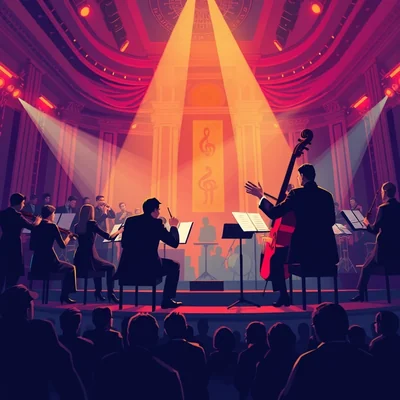
San Juan's bolero and trío tradition runs through the legacy of Trío Los Panchos' Puerto Rican members, Felipe Rodríguez, Daniel Santos, and the romantic ballad lineage that anchored the Spanish Caribbean radio circuit through the mid-20th century. The city's classical tradition runs through the Orquesta Sinfónica de Puerto Rico, the Conservatorio de Música de Puerto Rico, and the Festival Casals (founded by Pablo Casals in 1957 when the legendary Catalan cellist relocated to Puerto Rico), one of the most prestigious classical music festivals in the Caribbean. Andrés Segovia and a long line of classical guitarists have called San Juan home.
Venues and neighborhoods
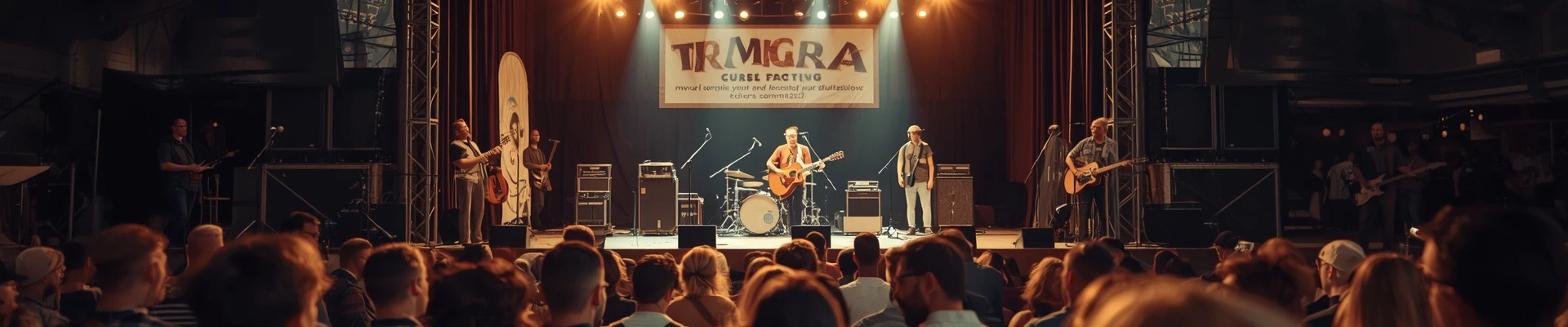
San Juan's venue ecosystem is one of the most developed in the Caribbean. At the top sit the Coliseo de Puerto Rico José Miguel Agrelot (popularly called "El Choliseo," the 18,500-capacity arena in Hato Rey that opened in 2004 and is the largest indoor venue in the Caribbean — Bad Bunny famously played a record-breaking residency here), the Centro de Bellas Artes Luis A. Ferré (the Performing Arts Center in Santurce, home of the Puerto Rico Symphony Orchestra and the city's primary classical and theatrical venue), and the Estadio Hiram Bithorn (the baseball stadium that hosts the largest outdoor concerts). The midsize tier includes La Concha Renaissance Resort's outdoor stages, the Caribe Hilton's ballrooms, and the Anfiteatro Tito Puente at Luis Muñoz Marín Park. Beneath them is a deep club layer running through Santurce (the arts and nightlife district that has emerged as the city's most musically vibrant neighbourhood), Old San Juan (Calle San Sebastián and the surrounding bar district), Condado (the beachfront tourist district), and Isla Verde. La Factoría in Old San Juan is one of the most internationally celebrated cocktail and music bars in the Caribbean. El Local in Santurce and a network of underground reggaeton and Latin trap clubs anchor the contemporary scene.
Different neighborhoods carry different musical identities. Old San Juan (Viejo San Juan) anchors the tourist, bolero, and historic music scene. Santurce has become the city's bohemian arts district and the home of contemporary indie, experimental, and underground Latin music. Hato Rey (the financial district) anchors the Coliseo's major concerts. Río Piedras (home of the University of Puerto Rico) anchors the student and indie scene. Loíza (immediately east of San Juan) is the spiritual home of bomba and the centre of Afro-Puerto Rican music. Condado and Isla Verde anchor the resort and tourism music scenes.
Festivals and signature events
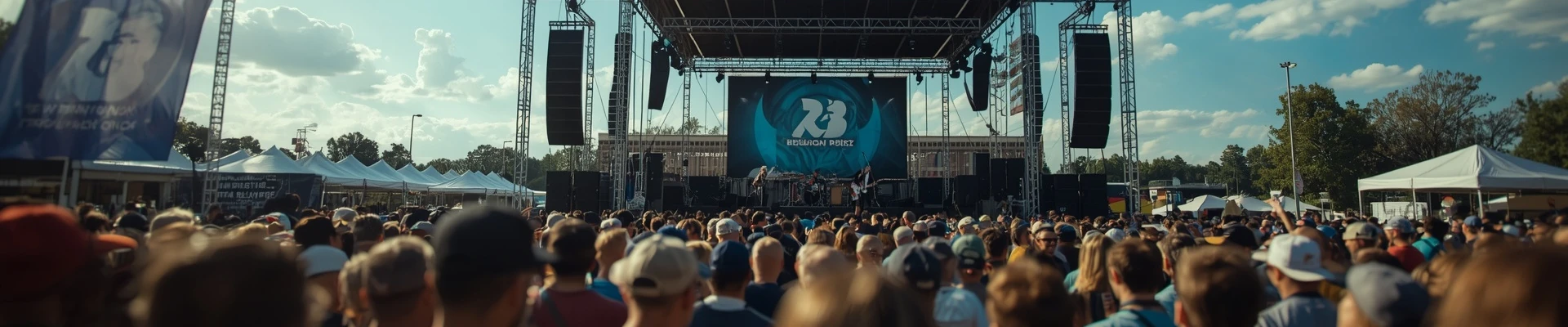
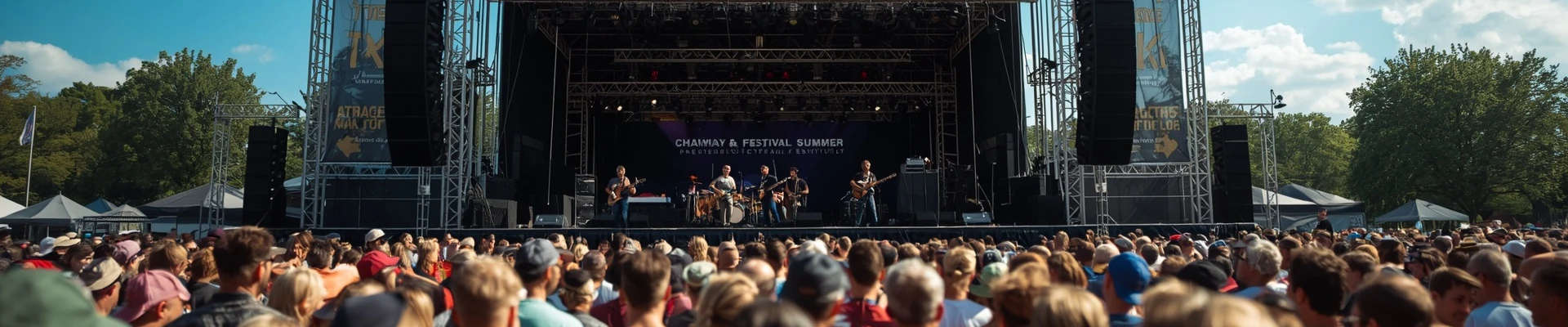
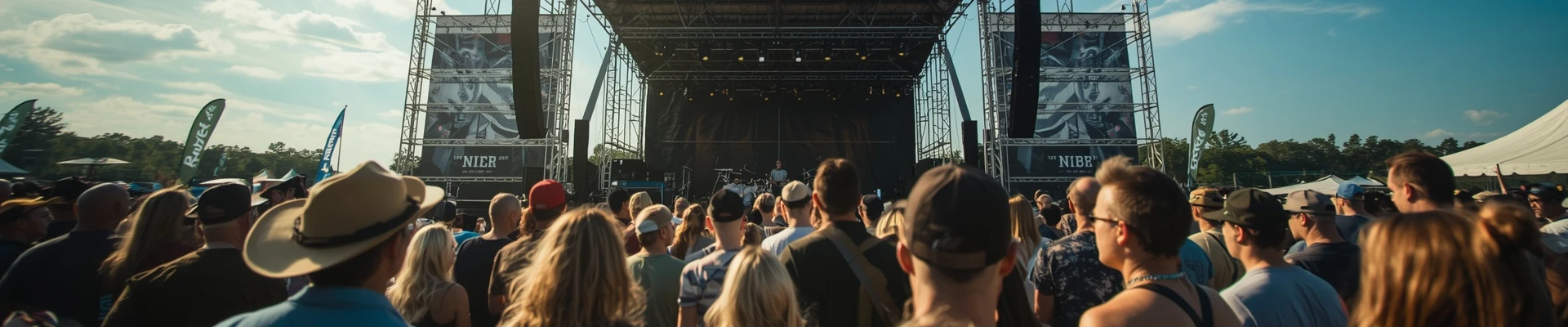
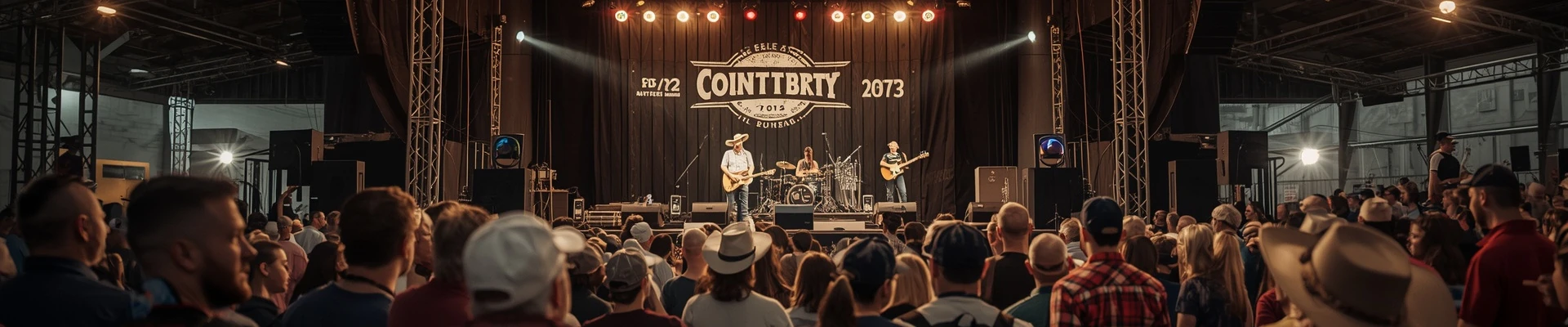
The festival calendar reflects the city's range. Fiestas de la Calle San Sebastián (the SanSe festival, the legendary January street festival in Old San Juan with massive bomba, plena, salsa, and reggaeton programming across multiple days) is the city's signature annual event. Festival Casals (the prestigious classical music festival, every February-March), Heineken Jazzfest (the Puerto Rico Heineken Jazz Festival, since 1991, one of the most important Latin jazz festivals in the world), Festival Nacional de la Salsa, Día Nacional de la Zalsa (Salsa National Day, programmed by the El Nuevo Día newspaper at the Hiram Bithorn stadium each March), Festival de Bomba y Plena, Festival Nacional Indígena de Jayuya, Puerto Rico Pride, San Juan Bautista Festival (June 24), Latin Trap Fest, Coca-Cola Music Hall programming, and Bad Bunny's record-breaking summer residencies at the Coliseo round out the calendar.
What ties it all together is San Juan's role as the cultural capital of the Spanish-speaking Caribbean and the headquarters of contemporary Latin music. San Juan is the city where bomba and plena were born, where Cortijo y Su Combo and El Gran Combo turned Puerto Rican popular music into a continental phenomenon, where reggaeton emerged from the caseríos in the 1990s and conquered the world by 2004, where Bad Bunny became the most-streamed artist on the planet, where the Festival Casals brings the world's classical musicians each spring, where the Heineken Jazz Festival programs Latin jazz under the El Yunque rainforest each summer, and where La Calle San Sebastián fills with bomba drummers and salsa orchestras every January in one of the most musical street festivals in the world.