
Provo sits at the foot of the Wasatch Mountains in Utah Valley, about 70 kilometres south of Salt Lake City, at an elevation of roughly 1,372 metres (4,501 feet). The city proper is home to approximately 115,000 residents, with another 400,000 in the broader Utah Valley metropolitan area stretching from Lehi and American Fork in the north to Spanish Fork and Salem in the south. Utah Valley is one of the fastest-growing corridors in the United States, driven by the Silicon Slopes technology sector — Adobe, Ancestry, Qualtrics, and dozens of smaller companies have deep roots here — and by the presence of Brigham Young University, the largest religious university in the United States with roughly 33,000 students. The LDS Church owns BYU and sets its cultural tone; the campus is famously dry, strictly observant of the Honor Code, and produces graduates who are, by many measures, disproportionately likely to become professional musicians, composers, and music educators.
A brief history
The Ute people inhabited Utah Valley for centuries before the first European-American settlers arrived in 1849, just two years after Brigham Young led the LDS pioneers into the Salt Lake Valley. The settlers named their new community after Étienne Provost, a French-Canadian fur trapper who had explored the region in the 1820s. Fort Utah was established in 1849 and the community incorporated as a city in 1851. Provo grew as a commercial and manufacturing centre — it had foundries, textile mills, and a modest steel industry anchored by what became the Geneva Steel Works south of town, which operated from 1942 until its closure in 2001. BYU, founded in 1875 as Brigham Young Academy, anchored the city's identity as an educational and cultural centre from the late nineteenth century onward. The collapse of Geneva Steel pushed Utah Valley further into its current identity as a technology corridor, and today the valley is less a manufacturing economy than a curious hybrid of tech campus, LDS institutional culture, and outdoor recreation gateway — the Timpanogos Cave National Monument, Sundance Resort (founded by Robert Redford in the canyon east of Provo), and Utah Lake, the state's largest freshwater lake, are all within minutes of downtown.
Music identity
Provo's music identity is inseparable from two facts: the presence of BYU and the restrictive liquor licensing environment of Utah County, which is even more conservative than Salt Lake City proper. For the same reasons that drove Salt Lake City toward its all-ages underground culture, Provo developed an equally intense all-ages venue ecosystem — but in Provo the BYU factor means the musicians themselves are demographically distinctive. Many grew up in LDS families across the American West and beyond, attended seminary and church youth programs where performance was encouraged, and arrived at BYU as skilled instrumentalists and singers who had never been inside a bar. The result was a singer-songwriter-heavy, melodically sophisticated indie scene that was, by the mid-2000s, producing artists with genuine national profiles.
Neon Trees — formed in Provo in 2005 and signed to Island Records — built a mainstream alternative rock career on the strength of singles including "Animal" (2010) and "Everybody Talks" (2012). Frontman Tyler Glenn and guitarist Chris Allen came through the Provo circuit at precisely the moment when Velour Live Music Gallery was establishing itself as the beating heart of the scene. Imagine Dragons, formed in Las Vegas in 2008 but critically shaped by the Utah musical ecosystem — several members including Dan Reynolds enrolled at BYU before the band broke out — became the biggest rock band in the world by streams during the early 2010s with Night Visions (2012) and its singles "Radioactive" and "Demons." Their debt to the Provo-Salt Lake corridor is often underappreciated.
Joshua James, a Utah Valley native and former BYU student, built a devout indie-folk following with Build Me This (2008) and a series of records that earned him comparisons to Justin Vernon and Sufjan Stevens. Mindy Gledhill, another BYU-connected artist, built a substantial following with her witty, piano-forward indie pop. The National Parks — the Provo duo of Brady Parks and Sydney Ransom — became one of the most-streamed independent folk acts in the country through a combination of YouTube coverage and festival appearances. Fictionist, a Provo-based rock band, earned significant critical attention in the early 2010s with polished melodic rock that felt genuinely unlike anything coming from the coasts. Ryan Innes, a BYU-trained soul and R&B singer, brought a more cosmopolitan sound to the local scene. David Archuleta, the American Idol Season 7 runner-up who grew up in nearby Murray and trained at BYU-adjacent music programs, represents the crossover between the Mormon musical infrastructure and mainstream pop.
The classical and choral infrastructure at BYU runs extraordinarily deep. The BYU Young Ambassadors — a performing arts ensemble founded in 1962 — have toured in more than 100 countries and produced a long list of professional performers. The BYU Vocal Point a cappella group built a national following through The Sing-Off (they won Season 4 in 2011) and subsequent touring. BYU Chamber Orchestra, BYU Philharmonic Orchestra, and the BYU Men's Chorus and Concert Choir represent a choral tradition that feeds Utah's broader choral culture. This infrastructure means that a significant proportion of Provo's musicians arrive with conservatory-level vocal training without having attended a conservatory — which partially explains the melodic sophistication that characterises the scene.
The folk and Americana lineage also runs strong. The Moth and the Flame — a Provo-based indie pop duo — built a loyal following in the 2010s with synth-inflected anthems. Boyce Avenue, though based in Florida, built a massive YouTube cover-song following with members who trained in the Utah circuit. American Authors, whose principal members came up through the Utah indie scene before relocating to Brooklyn, scored mainstream radio success with "Best Day of My Life" in 2013. The folk-rock and indie-pop sounds that define so much of Provo's output reflect the broader influences of artists who grew up with hymns, folk songs, and strong melody as the backbone of their musical education.
Venues and neighborhoods
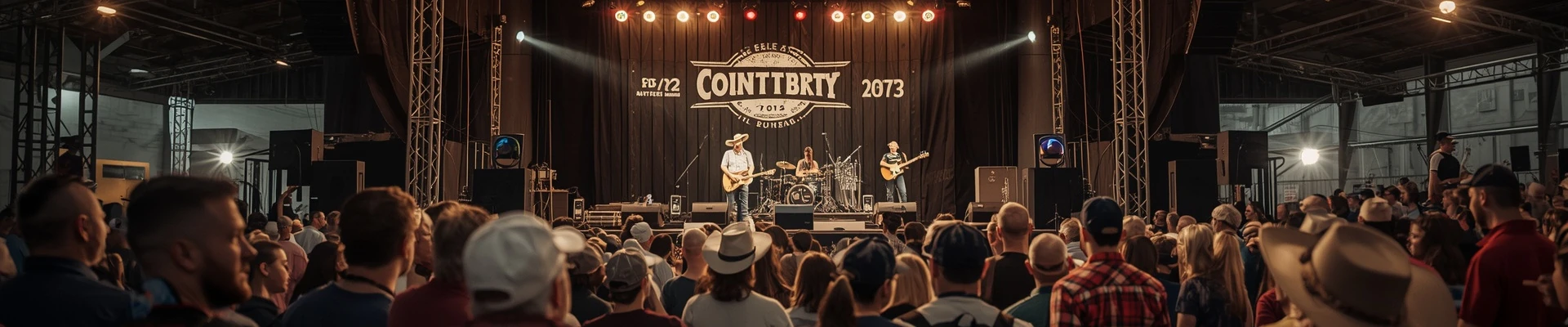
The single most important institution in Provo's music history is Velour Live Music Gallery, opened in 2005 at 135 North University Avenue by promoter and musician Corey Fox. At around 200 capacity, Velour built its reputation as the most music-focused all-ages venue in Utah County, combining original-artist-only programming (for years it refused to book cover bands), a strong sense of community, and an eye for artists at the earliest stage of their careers. Neon Trees, Imagine Dragons (in their BYU-connected period), Joshua James, The National Parks, Fictionist, and dozens of other significant acts played early Velour shows. Fox's insistence on quality, his investment in the local ecosystem over national bookings, and Velour's geographic position steps from BYU campus made it the central institution of the Provo scene for two decades.
The Muse Music Cafe (later known simply as The Muse) operated in downtown Provo during the 2000s and early 2010s as a complementary all-ages room with a coffee-house atmosphere. The Covey Center for the Arts, a city-owned performing arts centre opened in 2007 at 425 West Center Street, provides a more formal 500-seat theatre for orchestral, theatrical, and mid-size music programming. BYU's de Jong Concert Hall (1,300 seats) and BYU Marriott Center (the 22,700-seat arena that serves as the school's basketball home and hosts larger concerts) complete the formal venue pyramid. Sundance Mountain Resort, 20 kilometres east of downtown in Provo Canyon, hosts the Sundance Summer Concert Series in an outdoor setting against the dramatic backdrop of Mount Timpanogos — folk, roots, and world music acts fill the resort amphitheatre through the summer months.
Downtown Provo has undergone significant revitalization, with Center Street and the University Avenue corridor anchoring the city's pedestrian commercial life. The BYU campus, which stretches across the eastern edge of downtown, generates enormous foot traffic and supports the coffee houses, book stores, and music venues adjacent to it. Freedom Boulevard (State Street's name within Provo city limits) runs south through the city's commercial spine. The Joaquin neighbourhood, east of downtown, is the city's most eclectic residential district and has historically supported the artist and musician community closest to BYU's art and music departments.
Festivals and signature events
Rooftop Concert Series, held on the rooftop of the Provo Town Square mall through the summer, became a beloved outdoor free-concert institution through the 2010s, booking local and regional indie and folk acts in a community-festival atmosphere. BYU International Cinema and BYU Arts present year-round programming that frequently includes music, dance, and theatrical events accessible to the broader community. Sundance Film Festival — headquartered in Park City, about 45 kilometres northeast — generates a substantial spillover of music events, parties, and showcases into Utah Valley each January, connecting Provo and Orem musicians with a nationally connected entertainment industry crowd.
The Utah Valley Marathon weekend (May) has developed a music-festival atmosphere with live performances along the course. The Provo Freedom Festival around the Fourth of July is one of the largest Independence Day celebrations in the state, with live music programming across multiple stages. Art City Days in nearby Springville — home to the Springville Museum of Art, Utah's oldest art museum — incorporates local music performance alongside visual art programming.
What ties it all together
Provo's musical identity is built on a productive tension that few cities can claim: a deeply religious institutional culture that, instead of suppressing musical ambition, supercharges it. BYU produces musicians who are technically accomplished, melodically driven, and commercially minded — artists who grew up performing for congregations and ward audiences long before they ever played a bar. Velour Live Music Gallery gave those artists a home-base that reinforced quality and originality. The all-ages necessity — rooted in Utah County's conservative licensing environment — ensured that musicians and audiences alike grew up together in the same rooms. The geography amplified everything: the mountain setting, the tight-knit community of a university town, and the proximity to Salt Lake City's larger venues gave Provo artists a complete development ladder from bedroom to arena. In a generation when "indie rock" often meant coastal urban scenes, Provo demonstrated quietly that the most original music sometimes comes from the places you'd least expect it.