
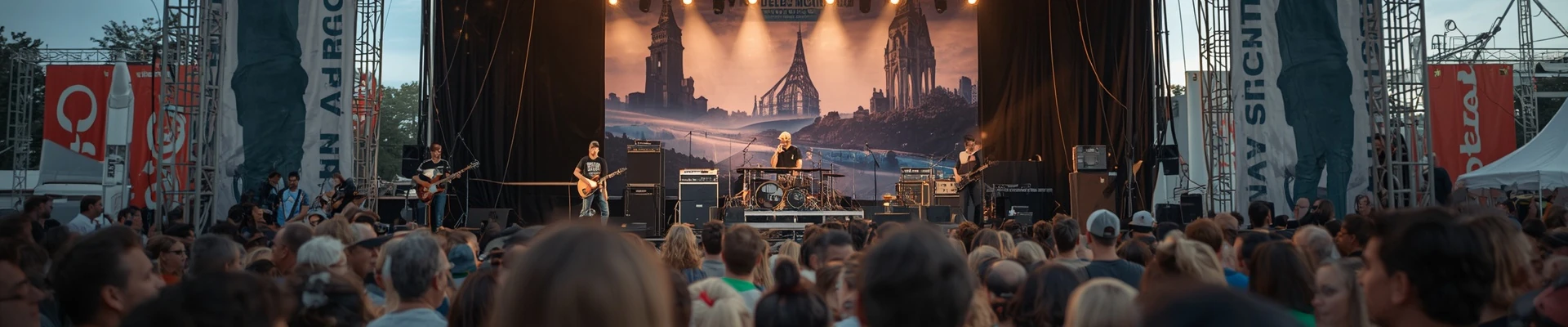
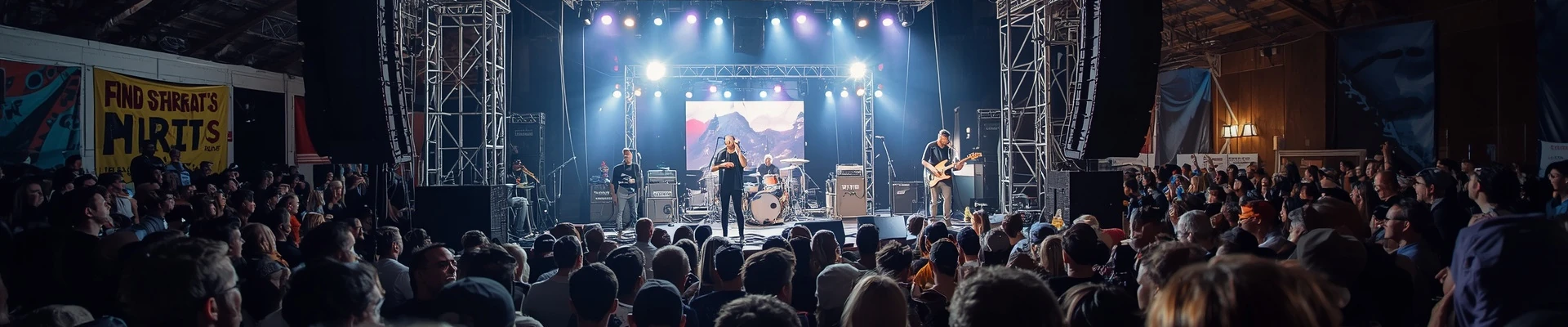

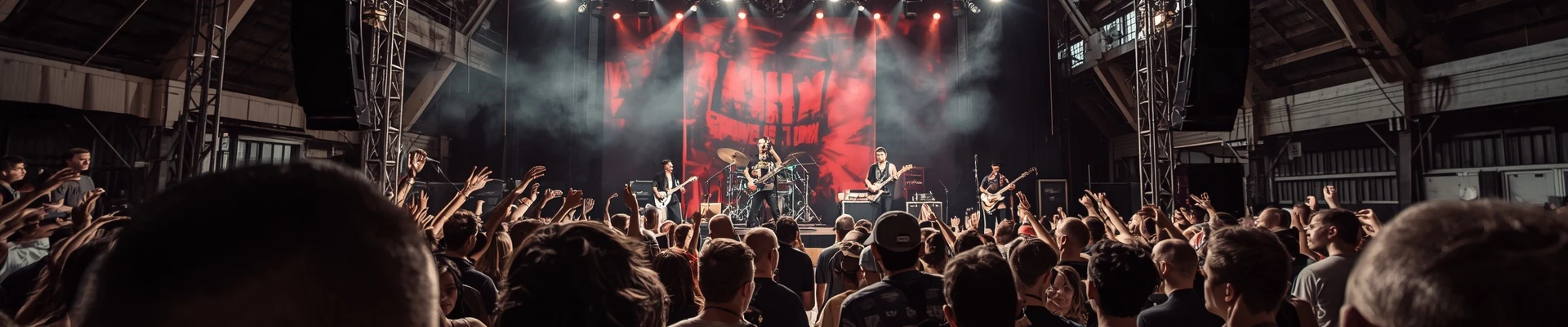
Kitchener sits at the heart of Ontario's Waterloo Region, roughly 100 kilometres southwest of Toronto, straddling the Grand River plain. With a city population of around 257,000 and a regional metro of more than 600,000 — encompassing the neighbouring cities of Waterloo, Cambridge, and a cluster of townships — Kitchener is the largest single municipality in a tech-industry corridor that has earned comparisons to Silicon Valley North. The city's economy turned from postwar manufacturing (rubber, textiles, food processing, distilling) to a knowledge-and-tech base anchored by the nearby University of Waterloo and Wilfrid Laurier University, a trajectory that reshaped its demographics, its nightlife, and its music scene over four decades.
A brief history
The land on which Kitchener sits is the traditional territory of the Haudenosaunee, Anishinaabe, and Neutral peoples. European settlement began in earnest in 1800 when Pennsylvania Mennonites established the community of Ebytown on land purchased from the Six Nations. A wave of German immigrants through the 1820s–1850s — Lutherans, Catholics, and German Mennonites — transformed the settlement into a distinctly German-speaking town, renamed Berlin in 1833 after the Prussian capital. By 1900, Berlin was one of the most prosperous industrial towns in Ontario: home to Waterloo County's rubber, furniture, button-making, and distilling industries, and to the Lang Tannery complex that survives today as a culinary and tech district along the Iron Horse Trail.
The First World War proved a pivotal rupture. Anti-German sentiment surged across Canada after 1914, and in 1916 the city's residents voted to rename their city Kitchener — after Field Marshal Lord Kitchener of Khartoum, whose face had just appeared on British recruiting posters. The renamed city spent the following decades shedding its German public culture but preserving it privately through churches, social clubs, and the Concordia Club, which opened in 1873 and remains today one of the oldest German-Canadian cultural institutions in the country. That private preservation would eventually power the revival of Kitchener-Waterloo Oktoberfest in 1969, which grew into the largest Bavarian festival outside Germany and, for three decades, one of the largest outdoor events in Canada.
Music identity
Kitchener's most internationally visible musical export is the hard rock scene that formed in the clubs and university bars of the Waterloo Region through the 1990s and 2000s. Billy Talent — the Toronto-by-way-of-Mississauga post-hardcore act — drew significant early audiences in Kitchener-Waterloo's club circuit, and several members have spoken of the Region's university-bar scene as foundational to their development. More directly local, Protest the Hero formed in Whitby but built much of their early touring identity through Southwestern Ontario including the KW circuit, and the wider Southern Ontario hard rock pipeline — Alexisonfire, Billy Talent, Moneen — treated Kitchener as a reliable road anchor. The Region's own Sights & Sounds (electro-pop), Said the Whale connections, and the long-running Starlight Social Club indie circuit made Kitchener a mid-tier but persistent stop on the Canadian indie touring map.
The city's older musical identity runs through the blues and R&B scene that took root in the industrial bar culture of the 1960s and 1970s. The Boathouse Pub on King Street, the Waterloo Motor Inn's music rooms, and a chain of hotel ballrooms and Legion halls sustained a working-class blues circuit that connected to Hamilton's and Toronto's. Local blues players ran through the bars for decades; the tradition persists through the Kitchener Blues Festival, launched in 2001 and now drawing tens of thousands to Victoria Park each August, which has hosted Buddy Guy, Keb' Mo', Taj Mahal, Los Lobos, and a deep roster of national Canadian blues artists. The festival remains one of the most respected regional blues events in the country.
Jazz has a parallel lineage. The Kitchener-Waterloo Chamber Music Society and the Waterloo Regional Arts Council have underwritten jazz programming since the 1970s. Jazz at the Farm and the Jazz Room Waterloo — the intimate club at the Huether Hotel in Waterloo that ran for decades as the most important dedicated jazz room in the Region — hosted artists from across the Canadian jazz mainstream. The Laurier music school at Wilfrid Laurier University has produced several generations of jazz educators and working musicians whose careers routed through the Region's clubs.
The German heritage of Kitchener remains audible in the oompah brass, polka, and schuhplattler traditions of the Concordia Club, the Transylvania Club, and the Alpine Club. Oktoberfest brings in bands from Germany, Austria, and Switzerland — genuine oom-pah and Bavarian brass acts, not tourist approximations — and sustains a small but genuine traditional music circuit through the city's German-Canadian social clubs. The Kitchener-Waterloo Symphony (KWS), founded in 1945, is one of the oldest regional symphonies in Ontario; it programs at the Centre in the Square — the 2,000-seat performing arts hall that anchors the city's classical season — and has long been one of the more respected mid-size Canadian orchestras.
The Mennonite choral tradition — rooted in the Old Colony, Russian Mennonite, and progressive Mennonite communities that stretch from Waterloo Region's Elmira to New Hamburg — runs a parallel and largely separate musical world through choral societies, church choirs, and the Waterloo Region Mennonite Choral Festival. The Conrad Grebel University College at the University of Waterloo, a Mennonite-affiliated college, anchors choral and peace-music programming. Hymn singing, a cappella choral music, and low-church worship music form one of the most sustained living musical traditions in the Region.
The multicultural demographics of the contemporary city have added further musical layers. Kitchener-Waterloo has significant South Asian (Punjabi, Tamil, Gujarati), African (Congolese, Somali, Ethiopian, Ghanaian), Latin American, and Southeast Asian communities — each sustaining a live music, temple, and community-hall circuit largely invisible to the mainstream press. The KW Multicultural Festival in Victoria Park programs world music and traditional dance from more than 30 cultures. The Somali community sustains a diasporic music and spoken-word circuit; the Punjabi community programs bhangra and devotional music through Gurdwaras and community halls; the Portuguese community — historically anchored in Kitchener since the 1960s wave of postwar immigration — sustains a modest fado and popular music tradition.
Venues and neighborhoods
The flagship room is Centre in the Square, the 2,047-seat performing arts centre on Queen Street that opened in 1980 and hosts the KW Symphony, visiting theatrical companies, and major touring concerts year-round. The Aud — formally Kitchener Memorial Auditorium Complex — is the city's arena and hockey venue; it has hosted larger touring acts when the size demands it.
The mid-size venue tier includes The Starlight Social Club on King Street East — long the most important indie rock room in the city, and the anchor of the downtown King East arts and bar corridor — and Boathouse Pub on King Street West, a blues and rock institution. The Chainsaw (former venue now operating in successive guises) and the Rum Runner-era rooms on Queen Street and King Street West created the university-bar pipeline. The Bavarian Inn and the Concordia Club ballroom host Oktoberfest entertainment and year-round German-heritage programming.
The city's live music geography clusters along two corridors: King Street East from the Market to the downtown core (indie, rock, blues, jazz), and the wider uptown Waterloo strip around King and Willis Way — technically in the City of Waterloo but effectively a single nightlife economy with Kitchener. The Iron Horse Trail corridor and the Breithaupt Block warehouse district have added new arts and event venues as the tech-economy real-estate boom has renovated the city's old industrial core.
The Kitchener Market in the heart of downtown — one of the oldest operating farmer's markets in Ontario, dating to 1869 — anchors live music on Saturday mornings and through the summer festival season.
Festivals and signature events
The calendar is dominated by Kitchener-Waterloo Oktoberfest, which runs for nine days each October across more than 20 venues and beer halls — Das Zelt in the Bingeman's complex being the traditional hub — and draws more than 700,000 visitors, making it the largest Bavarian festival in North America and one of the largest annual events in Canada outside of Montreal's Jazz Festival. The music programming mixes German and Austrian Schlager, oompah brass, contemporary polka, and Canadian country and rock acts.
Blues on Grand (the Kitchener Blues Festival), held each August in Victoria Park, is a free festival that has grown from a local event to one of the strongest blues festivals in Ontario, drawing 10,000–20,000 attendees over two days with a national and international artist roster. Centre in the Square's annual season runs classical, jazz, and pop programming through the fall and winter. Hillside Festival — technically in Guelph, 20 minutes east — is the spiritual home of the Waterloo Region indie and roots community, drawing artists and audiences from across the Region.
KW Multicultural Festival, Doors Open Kitchener-Waterloo, the Waterloo Region Arts Fund's supported programming, Sofar Sounds Kitchener-Waterloo (the intimate house-show series), and a dense schedule of university-circuit events at Wilfrid Laurier University's Turret and the University of Waterloo's Student Life Centre round out the calendar.
What ties it all together is the collision of three distinct musical identities that rarely overlap but jointly constitute Kitchener's sound: the German-heritage brass and polka tradition that runs through the Concordia Club and Oktoberfest, the working-class blues and R&B circuit that filled the bar rooms from the 1960s onward, and the university-fuelled indie and punk underground that connected the Region to the broader Southern Ontario touring circuit. Kitchener is a city that has always made its own musical culture out of what was at hand — immigrant heritage, industrial bar rooms, student energy — and the result is more varied, and more durable, than its modest national profile would suggest.