

London is the largest city in southwestern Ontario and the eleventh-largest in Canada, with roughly 422,000 residents inside the city limits and more than 550,000 across the surrounding census metropolitan area. Sitting on the Thames River (named by the city's British-origin founders for the river in England) at the geographic midpoint between Toronto (190 km east) and Detroit (200 km southwest), ringed by the rich agricultural land of the Oxford and Middlesex counties, it is the commercial, medical, and educational capital of southwestern Ontario. London is home to the University of Western Ontario (now Western University), with more than 30,000 students, and Fanshawe College, and that university density has fed a music scene that, while smaller in international profile than Toronto's or Montréal's, has produced a distinctive and under-celebrated body of Canadian rock, indie, and folk music.
A brief history
The land along the Thames River was Anishinaabe and Haudenosaunee territory before British colonists arrived in the late 18th century. The settlement of London was established in 1826 and incorporated as a city in 1855, named by Lieutenant Governor John Graves Simcoe after London, England, with the local Thames River and neighbourhood names (Piccadilly, Oxford, Cheapside) mirroring the English capital. Through the 19th century London grew as a regional centre for insurance, banking, and manufacturing; through the 20th century the expansion of Western University, the growth of the London Health Sciences Centre (one of the largest hospitals in Canada), and the rise of a diversified manufacturing and financial services economy built the modern city. Successive waves of migration — Polish, Italian, and Eastern European through the mid-20th century, and very large South Asian, Southeast Asian, Middle Eastern, and Latin American communities since the 1990s — have built a city that is roughly 21% visible minority and increasingly diverse.
Music identity
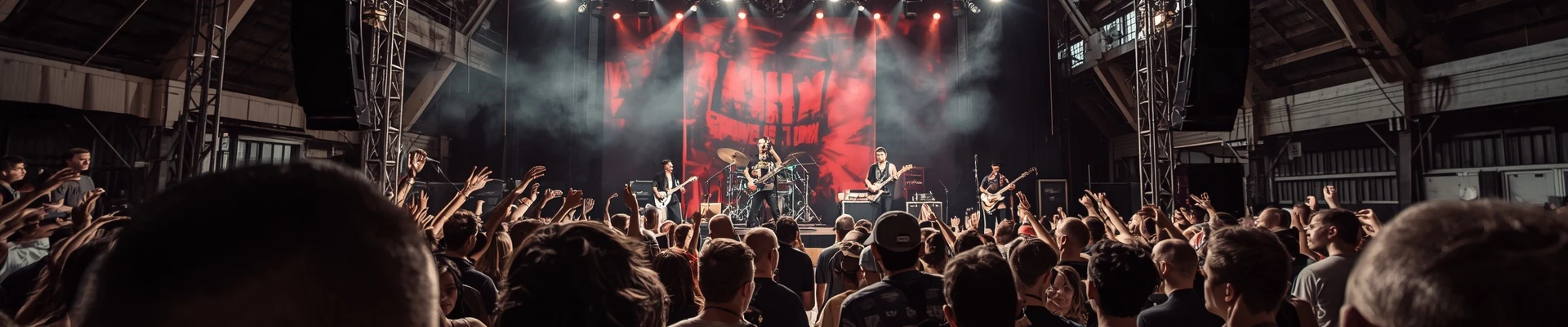
London's most internationally connected musical chapter is its role as an incubator of Canadian alternative rock and indie music through the Western University circuit. The Tea Party, while Halifax-formed, spent formative years in London and recorded albums here. Harem Scarem, the London-based hard rock band, had a series of albums in the early 1990s. The Trews (Antigonish-based but constantly London-active through the Ontario touring circuit), Amanda Marshall (London-raised singer-songwriter), Cuff the Duke, and a deep indie scene built around the Call the Office, Rum Runners, and Aeolian Hall circuit continue the lineage. Corb Lund's Ontario tour stops, Matt Andersen (New Brunswick-based but a constant London folk circuit presence), and the broader southwestern Ontario singer-songwriter tradition route through London regularly. The Creepshow, the London-based psychobilly and horror-punk band, built a devoted following. Bobnoxious, The Sinisters, and a deep London punk and hardcore lineage run through venues across downtown.
London's most celebrated current musical figure is Forest City Lovers, the indie folk band led by Kat Goldman that spent years anchoring the London indie scene before relocating. The city produced Monster Truck's early gigs (the Hamilton hard-rock band cut their teeth on the London circuit), Shawn Mendes's first Ontario tour stops (he played London in his early days from Pickering), and a current generation of indie, folk, and R&B artists working through the London Music Hall, the Aeolian Hall, and the Rum Runners circuit.
London's immigrant music ecosystems have grown rapidly. The city's substantial South Asian community — particularly Indian, Punjabi, and Sri Lankan Tamil families concentrated in East London and the broader suburban corridors — fuels a thriving Bhangra, Bollywood, Tamil pop, and devotional music scene. The Latin American community (primarily Colombian, Mexican, and Salvadoran) runs cumbia, bachata, and reggaeton scenes through clubs and community halls. West African and East African (Somali, Ethiopian) communities have growing presences. Syrian and broader Middle Eastern communities sustain Arabic pop, dabke, and oud traditions through community halls and restaurants.
London's jazz tradition runs through the university music programs and the Aeolian Hall (a 1921 Carnegie-era concert hall turned community music venue that has been the most important small concert room in London for decades). The London Symphony Orchestra (not the famous English one) anchors the classical tradition through Centennial Hall. The London Music Hall (a mid-size rock venue that opened in 2012) has provided a long-missing midsize infrastructure for touring acts.
Venues and neighborhoods
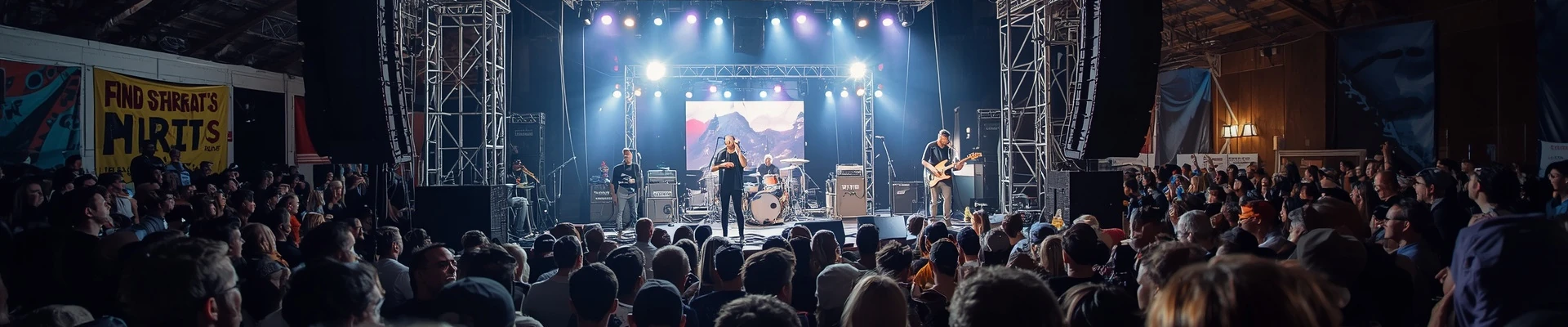
London's venue ecosystem is well-developed for its size. At the top sit Budweiser Gardens (the city's 9,000-capacity arena, home of the OHL London Knights and major concerts), Centennial Hall (the city's primary performing arts venue, home of the London Symphony Orchestra), and the Grand Theatre London (the main-stage theatre). The midsize tier includes the London Music Hall (the most important mid-size rock and alternative venue), Lee's Palace–style shows at Call the Office before its closure, and the Aeolian Hall. Beneath them is a deep club layer — Rum Runners (the long-running downtown rock bar), the Aeolian Hall, Molly Bloom's Irish Pub, the Richmond Tavern, The Frog in Fanshawe student territory, Wee Pub, the London Tap House, and a network of bars and DIY rooms across downtown, Old East Village, and the Richmond Street corridor. Latin music has homes at clubs and community halls across East London.
Different neighborhoods carry different musical identities. Downtown London along Richmond Street and Dundas Street anchors the bar, rock, and pop circuits. Old East Village has emerged as the city's arts and indie corridor. Western University and the Western / Windermere student areas anchor the student music and indie scenes. East London supports the South Asian and Latin music communities. Byron and White Oaks support the country and suburban circuits.
Festivals and signature events
The festival calendar reflects the city's range. Forest City London Music Festival programs local and regional acts across multiple downtown venues. London Fringe Theatre Festival's music programming, Home County Folk Festival at Victoria Park (one of the longest-running folk festivals in Ontario, running since 1975), Rock the Park at Harris Park (the city's flagship large outdoor festival, programming major rock, pop, and country acts), London Dragon Boat Festival's music programming, London Pride, Multicultural Festival at Victoria Park, Diwali in London at Covent Garden Market, Latin Fiesta, and the London Symphony Orchestra's summer Pops series round out the calendar. The Western Fair each September programs country and rock acts at the Exhibition grounds.
What ties it all together is the city's combination of university-town stability, southwestern Ontario geography halfway between Toronto and Detroit, and a working-class music tradition that has consistently produced durable regional artists. London is the city where the Aeolian Hall has been programming music since 1921, where the Home County Folk Festival has gathered southwestern Ontario folk fans every summer since 1975, where Rock the Park fills Harris Park with tens of thousands for an outdoor rock weekend, where the South Asian, Latin, and West African immigrant communities are building new musical ecosystems, and where the Thames River and the university campus continue to anchor a city that is more musical than its reputation suggests.