



The Garden City at the Edge of the Escarpment
St. Catharines sits on the Niagara Peninsula between the Niagara Escarpment to the south and Lake Ontario to the north, roughly halfway between Toronto (100 kilometres) and Buffalo (70 kilometres across the border). With a population of about 137,000, it is the largest city in the Niagara Region and functions as the commercial and cultural anchor for a corridor of smaller communities — Thorold, Welland, Port Colborne, Niagara-on-the-Lake — that collectively give the region a population well over 450,000.
The city owes its foundational identity to the Welland Canal, the engineering spine of the Great Lakes shipping system that bypasses Niagara Falls and allows ocean-going freighters to pass between Lake Ontario and Lake Erie. Canal infrastructure — its locks, docks, and industrial footprint — shaped the character of the city's older neighbourhoods and attracted the waves of European immigration after the Second World War that gave St. Catharines its demographic texture. The canal's industrial shadow receded through the 1980s and 1990s as manufacturing declined, but it bequeathed the city a working-class practicality that still inflects its arts community.
Brock University, opened in 1964 on the escarpment ridge overlooking the city, injects a permanent cohort of roughly 19,000 students and a steady stream of faculty and visiting artists. Brock's Sean O'Sullivan Theatre seats nearly 800 and has hosted everything from classical ensembles to touring indie acts; its music department sustains a pipeline of performers who feed directly into the local venue circuit.
Economically the city has diversified around healthcare (St. Catharines General Hospital, now Niagara Health), agri-food processing (the Niagara tender fruit belt — peaches, cherries, grapes — runs along the escarpment's south slope), and a growing creative-sector cluster. The wine industry centred in nearby Niagara-on-the-Lake draws an affluent visitor economy that creates ancillary demand for live music at estate wineries and boutique hotel venues, a market distinct from but complementary to the city's own club circuit.
Music Identity: Proximity, Punk, and the Niagara Corridor
St. Catharines has never generated the kind of genre-defining scene that gets name-checked in music histories the way Motown Detroit or Cowtown Calgary might — but it has produced a quiet, persistent creative output that is easy to undercount. Its geographic position between two major music markets means local acts have always had a dual orbit: the Toronto industry 90 minutes up the QEW, and the Buffalo scene just across the border, with its own underground infrastructure of hardcore, metal, and experimental music.
The city's strongest cultural claim is as part of the Niagara music corridor — a network of cities, venues, and recording infrastructure that stretches from Hamilton in the west through St. Catharines and Niagara Falls to the border. Within that corridor, St. Catharines has historically punched above its population in punk, post-punk, and hard rock, genres that found natural homes in the city's working-class clubs and legion halls.
City and Colour — Dallas Green's acclaimed solo project — is frequently associated with Hamilton and Ontario's broader indie landscape, and Green spent formative years connected to the Niagara scene through his work with Alexisonfire, the post-hardcore band that formed in St. Catharines in 2001. Alexisonfire — Green, Wade MacNeil, George Pettit, Chris Steele, and Jordan Hastings — became one of the most influential Canadian post-hardcore acts of the 2000s, releasing albums on Dine Alone Records and touring internationally before their initial hiatus in 2011 and triumphant return in 2019. Their local roots remain a point of civic pride, and the band's fingerprints are visible in a generation of St. Catharines-area musicians who grew up watching them in small rooms before the arena bookings came.
Billy Talent, while formed and rooted in Toronto/Mississauga, maintained strong Niagara-region connections through early touring; the band's blend of melodic hardcore and post-punk resonated deeply in a scene already primed by Alexisonfire. Closer to home, Protest the Hero formed in Whitby but had deep cross-pollination with the St. Catharines hardcore and progressive metal communities through the shared southern Ontario touring circuit.
The city also quietly nurtured a folk and singer-songwriter tradition through coffee-house culture anchored around Brock University. Acts including Tara MacLean, who spent time in the region, and numerous Brock alumni whose names are better known regionally than nationally, kept acoustic performance alive in a city whose venue economy otherwise skewed toward rock and DJ nights.
More recently, St. Catharines has developed a modest but growing hip-hop and R&B presence, reflecting demographic shifts that have brought more diverse communities into the Niagara Region. Artists navigating the Toronto industry while remaining based locally have become increasingly common, using the city's lower cost of living as a base of operations.
Venues and Neighbourhoods
The live music spine of St. Catharines runs through downtown, concentrated around St. Paul Street and the blocks adjacent to the bus terminal and historic market. The area experienced significant decline through the 1990s and early 2000s but has undergone gradual revitalization, with independent bars, restaurants, and cultural spaces filling storefronts that once sat vacant.
Warehouse District — the cluster of converted industrial buildings east of the downtown core — has become home to several arts-focused venues and studios. The neighbourhood's raw industrial aesthetic appeals to promoters and bands who want something less polished than a theatre but more atmospheric than a generic sports bar.
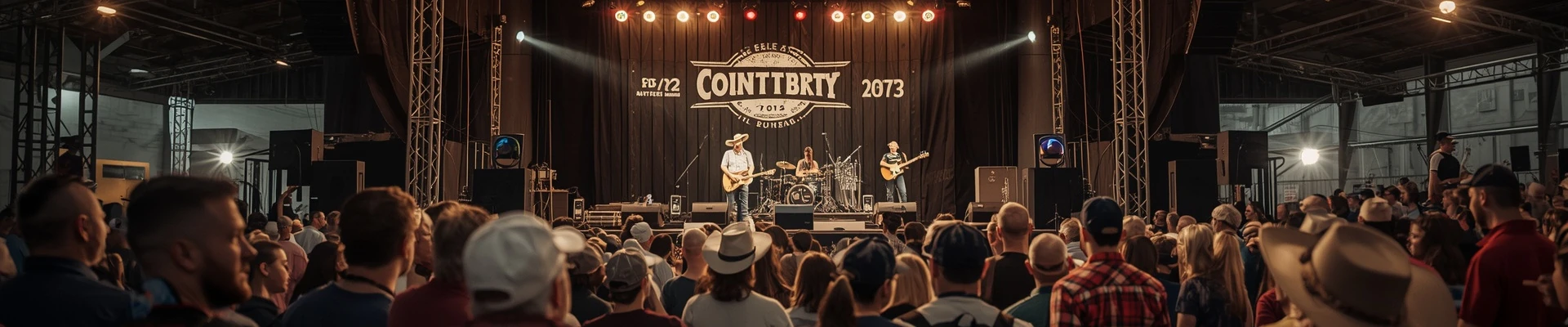
The Merchant Ale House on St. Paul Street is one of the city's reliable live-music pubs, booking local and regional acts across rock, blues, and country on a regular schedule. Its narrow room and low ceiling create the kind of intimate loud-is-louder-here atmosphere that live music requires.
Brock's ESAC (Ed Schmoeger Auditorium Complex) and the Sean O'Sullivan Theatre serve the mid-size performance market, hosting touring acts, visiting orchestras, and the university's own music programming. The O'Sullivan in particular has become a go-to stop for touring artists who need something between a 300-cap club and a 2,000-seat arena.
FirstOntario Performing Arts Centre (PAC), which opened in 2016 in the downtown core, is the most significant cultural infrastructure addition St. Catharines has seen in decades. The 779-seat Partridge Hall and the 188-seat flexible Robertson Theatre together give the city a professional presenting venue that programs classical music, jazz, theatre, and touring pop. The PAC has been central to a broader downtown revitalization strategy and represents an institutional commitment to the arts that the city previously lacked.
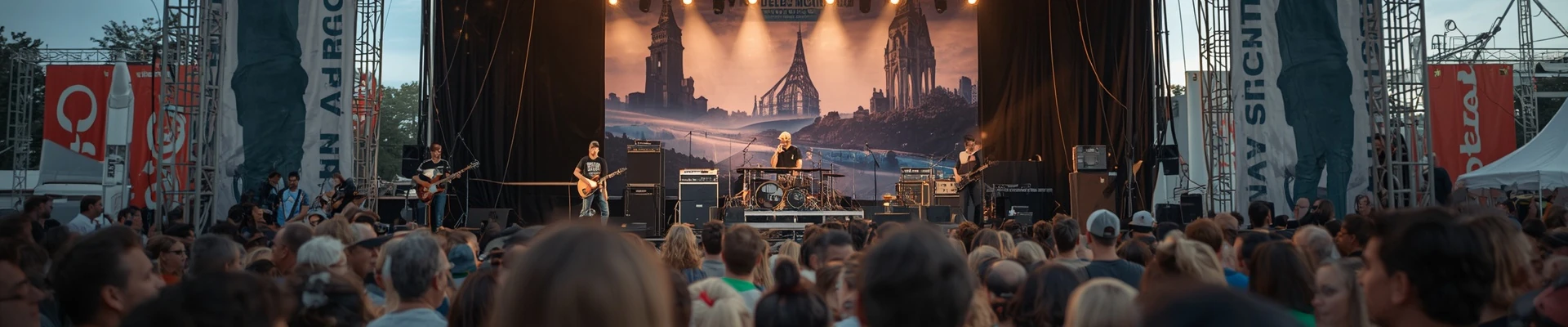
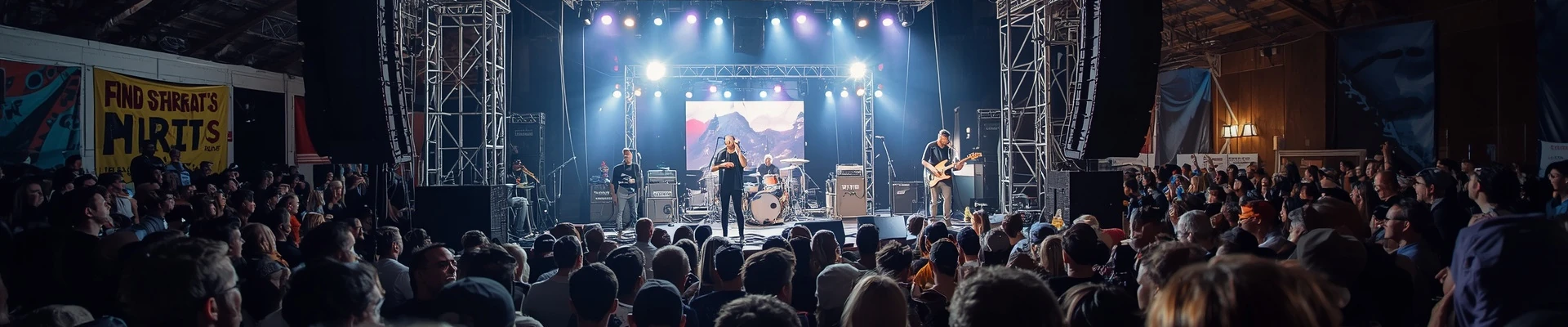
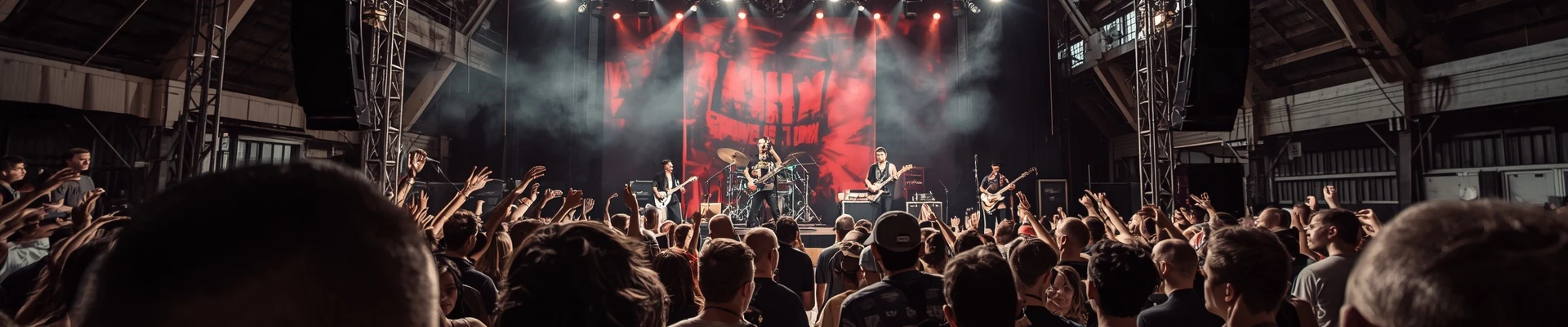
For punk, metal, and DIY shows, the circuit includes smaller rooms and legion halls that rotate in and out of the booking ecosystem as promoters negotiate spaces. The tradition of all-ages shows — essential for a city with a university and a vocal younger population — has been maintained by a network of promoters who work outside the licensed bar economy.
Niagara-on-the-Lake, just 20 kilometres northeast, contributes to the regional music landscape through its Shaw Festival context: professional theatre that trains and employs performing artists who cross-pollinate with the music community, and winery venues that book jazz, folk, and classical acts for the agritourism market.
Festivals and Signature Events
Folk Arts Festival of St. Catharines (also known as the Niagara Folk Arts Festival) is the city's most deeply rooted cultural event — a multicultural celebration tracing back to 1968, making it one of Canada's oldest folk arts festivals. The event reflects the postwar immigration history of the region, with pavilions representing the Italian, Ukrainian, Polish, Portuguese, Caribbean, and other communities that shaped the city's cultural fabric. Live music is woven throughout: folk ensembles, brass bands, choral groups, and traditional dance companies perform across multiple stages over several days in the spring.
Festival of Lights in Niagara Falls, while technically in the neighbouring city, draws heavily on St. Catharines-based performers during its winter run and functions as a regional platform for local acts.
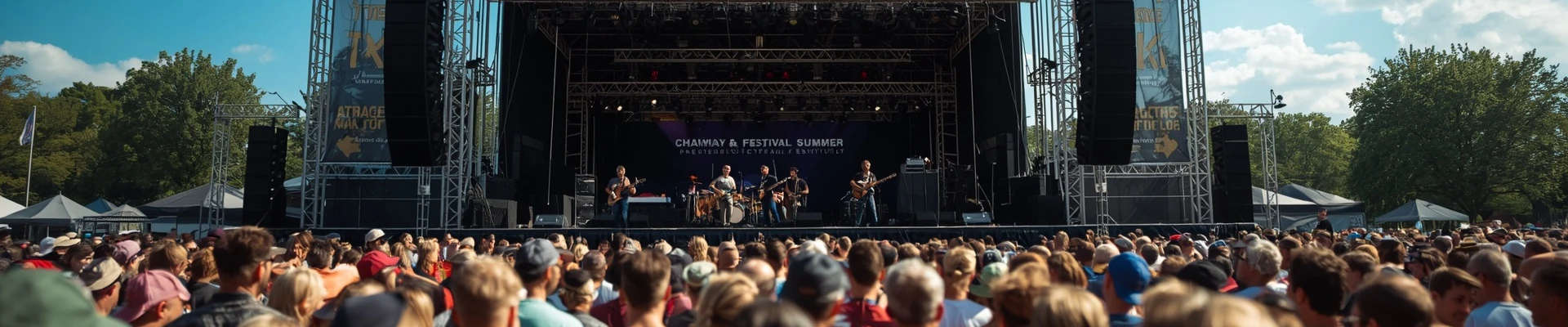
Canal Days Marine Heritage Festival in Port Colborne and various Niagara Region summer festivals collectively create a summer circuit that keeps local musicians working through July and August, cycling through outdoor stages, waterfront parks, and fair grounds.
The FirstOntario PAC runs its own programming series that functions as an ongoing festival of sorts — a curated season of visiting artists that exposes St. Catharines audiences to jazz, world music, and classical performance year-round.
Demographic Roots and Cultural Communities
St. Catharines built its postwar identity on the backs of immigrants from Italy, Ukraine, Poland, Portugal, and the Caribbean — communities that established cultural clubs, churches, and social halls that became informal venues for traditional music. The Italian community — one of the largest in the region — sustains a network of social clubs and events where traditional Neapolitan and Sicilian music sits alongside more contemporary programming. The Ukrainian Cultural Centre similarly maintains choral and instrumental traditions that have persisted for three generations.
More recent immigration has brought South Asian, Latin American, and Filipino communities into the regional mix, each contributing cultural programming that slowly finds its way into the public arts calendar. The Niagara Region's agricultural economy also historically supported a significant seasonal migrant worker population, predominantly from the Caribbean and Central America, whose cultural presence has influenced local reggae and dancehall scenes in ways not always fully documented by mainstream venues.
Brock University's international student population adds further cosmopolitan texture — the music building's practice rooms and the campus radio station CFBU 103.7 have been vectors for genre experimentation and cross-cultural collaboration for decades.
Recording and Infrastructure
St. Catharines does not have the dense studio infrastructure of a Toronto or Vancouver, but several professional-grade recording operations have established themselves in the region. The post-hardcore and metal communities that coalesced around Alexisonfire's success created demand for local tracking and mixing capacity, and a number of home studios run by working musicians evolved into semi-professional facilities serving regional acts.
Dine Alone Records, the influential Toronto-based independent label that signed Alexisonfire and later built one of Canada's most respected indie rosters, traces significant roots to the St. Catharines scene. While the label operates from Toronto, its founding community connections to the Niagara region created a pathway for St. Catharines acts to access industry infrastructure without relocating.
CFBU 103.7, Brock's campus radio station, operates under a CRTC licence and has been a training ground for music directors and radio professionals, as well as a broadcast outlet for local and emerging artists who struggle to crack commercial playlists.
What Ties It All Together
St. Catharines' defining musical signature is the sound of a mid-sized Canadian city that doesn't wait for permission. The same working-class pragmatism that ran the Welland Canal's locks for two centuries produced a DIY music culture that didn't need industry validation to sustain itself — it built its own stages, ran its own all-ages shows, and occasionally sent world-class acts like Alexisonfire out into the international market as proof of concept. The FirstOntario PAC represents the city's institutional coming-of-age, a declaration that professional presenting infrastructure belongs here as much as in any bigger city. Between that professionalism and the raw energy still cycling through its smaller rooms and university corridors, St. Catharines holds a music scene that rewards the listener willing to look past the familiar skylines on either side.