
Thunder Bay sits at the western head of Lake Superior — the largest freshwater lake on earth by surface area — at the convergence of the Kaministiquia River and the immense inland sea that defines the Great Lakes region. It is the largest city in Northwestern Ontario, with roughly 108,000 residents, and the dominant cultural and commercial hub for a vast swath of the Canadian Shield stretching from Sudbury to the Manitoba border. The nearest large Canadian city is Winnipeg, approximately 700 km to the west; Toronto lies more than 1,400 km to the southeast. That geographic isolation is not incidental to the city's character — it has defined everything from its industrial economy to its music scene to the creative intensity of the artists who grow up knowing that the wilderness begins at the edge of town.
Thunder Bay was formed in 1970 through the amalgamation of the two former Lakehead cities of Port Arthur and Fort William, which had existed as separate, rival municipalities for nearly a century. Fort William had been the Canadian Pacific Railway divisional point and grain terminal; Port Arthur had been the shipping harbour and commercial centre. Their long rivalry — a local joke holds that the two cities were united only through the shared hatred of the merger — produced a city with two distinct cores, two distinct histories, and a municipal character that still bears the seams of that union more than fifty years later.
Geography and economy
Thunder Bay occupies the northwest shore of Lake Superior within a natural harbour sheltered by the Sleeping Giant — the massive Precambrian mesa that rises from the lake's surface east of the city, one of the most distinctive geological formations in Canada and the physical symbol of the region. The city's terrain is Precambrian Shield granite, boreal forest, and river valleys; the winters are severe and long; the summers are brilliant and short. The Boreal Forest, Quetico Provincial Park, and Lake Nipigon — one of the continent's great wilderness lakes — are within an hour's drive. The outdoor culture is inseparable from the music culture: Thunder Bay is the kind of place where the band finishes the set and goes ice fishing.
The economy was historically built on grain handling — Thunder Bay was the world's largest grain-handling port through much of the 20th century, with enormous lakehead elevators dominating the waterfront — plus forest products (pulp and paper mills), rail (the CPR and CNR divisional yards), and mining for the surrounding Shield region. That industrial base has contracted steadily since the 1980s. Lakehead University (founded 1965, now roughly 8,000 students) and Confederation College are major economic anchors, and the city has pushed hard toward a health services sector (the Thunder Bay Regional Health Sciences Centre is the region's referral hospital for all of Northwestern Ontario). The Port of Thunder Bay still handles grain and other bulk cargo.
History
The site of Thunder Bay has been Anishinaabe and Ojibwe territory for millennia — the land of the Fort William First Nation (Bingwi Neyaashi Anishinaabek) and the surrounding Ojibwe communities who have fished and traveled these waters since time beyond memory. European contact began with French voyageurs in the 17th century; Fort Kaministiquia was established by the North West Company around 1803 as a fur trade post, later renamed Fort William after the company's Chief Director, William McGillivray. Fort William Historical Park — a massive living history reconstruction of the fur trade fort — remains one of the region's major cultural attractions and a yearly gathering point for Indigenous and settler history.
The CPR's arrival in the 1880s transformed the Lakehead from a fur trade outpost into a major transportation and grain-shipping hub. Waves of Finnish, Italian, Ukrainian, Scandinavian, and other immigrant communities settled through the late 19th and early 20th centuries, drawn by the railway, the mills, and the mines. The Finnish community became particularly large and enduring — Thunder Bay has one of the largest Finnish-Canadian populations in Canada, and Finnish cultural institutions (the Finnish Labour Temple on Bay Street, Finnish language newspapers, Finnish social clubs, saunas and pastimes) shaped the city's working-class political and cultural life through the 20th century. The Finnish tradition of talkoot (communal work) and the left-leaning Finnish immigrant culture produced cooperatives, unions, and community halls that also served as early music venues.
Terry Fox — the cancer activist whose Marathon of Hope captured the imagination of the entire country in 1980 — began his cross-Canada run in Thunder Bay (technically from the shore of Lake Superior just east of the city). The Terry Fox Memorial at the lakehead is a major landmark, and the annual Terry Fox Run remains one of the most emotionally resonant community events on the calendar.
Music identity
Thunder Bay's music identity is built on hard rock and metal, blues, Anishinaabe and Indigenous music, country and roots, and the specific intensity that geographically isolated northern cities tend to produce in their artists. The scene is small in absolute terms but serious — the city punches well above its weight in producing musicians who have made careers regionally and nationally.
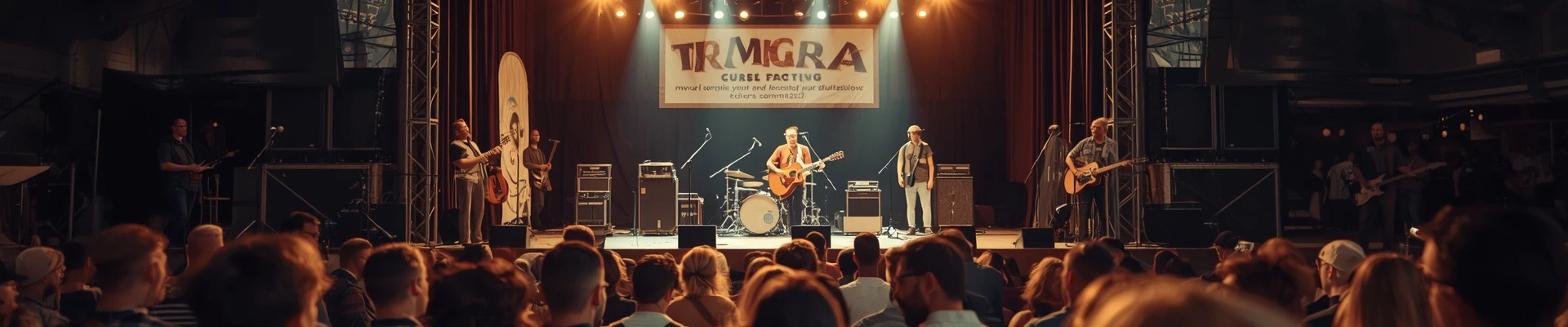
The most internationally consequential musical connection is through blues and rock. Thunder Bay has been a consistent live music city for blues bands, and the Thunder Bay Blues Festival — held each August at Waverly Park — is one of the longest-running blues festivals in Canada, drawing both national Canadian talent and international headliners. The festival has hosted Buddy Guy, Jeff Healey, Colin James, The Fabulous Thunderbirds, and dozens of other major blues acts over its decades-long run.
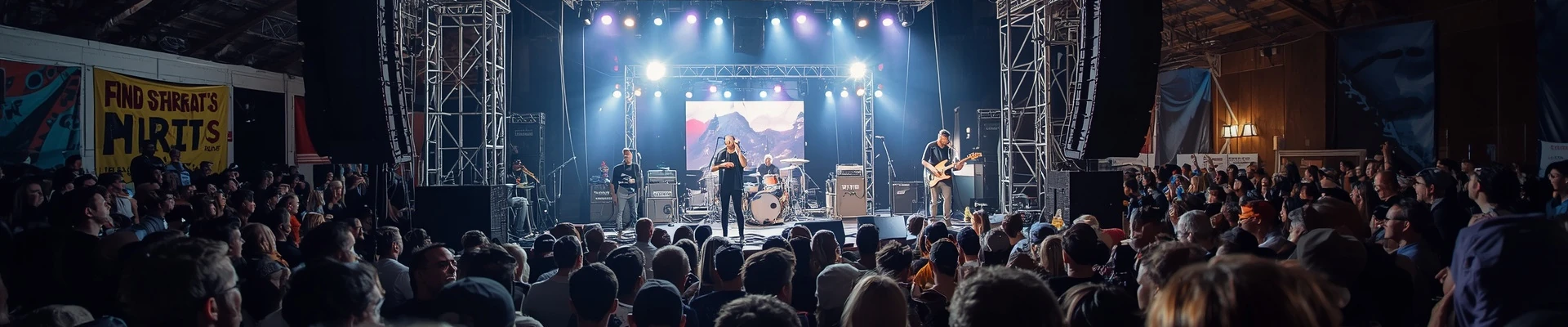
The hard rock and metal scene has been persistent and genuine. Thunder Bay has produced and incubated metal bands who have found regional and national audiences, sustained by a small but dedicated community of musicians and fans who have kept the scene alive through multiple generations. The city's isolation and its industrial working-class identity map naturally onto metal culture, and venues like The Foundry have been central to keeping the underground scene functioning. Thunder Bay metal bands have found audiences across Northwestern Ontario — the city serves as the regional touring hub for the entire Shield corridor between Sudbury and Winnipeg.
The Anishinaabe and Indigenous music tradition is central to the city's musical identity and often underrepresented in mainstream accounts. The Fort William First Nation and the broader Ojibwe communities in the Thunder Bay area sustain drum traditions, powwow culture, and contemporary Indigenous music. Artists working in both traditional and contemporary idioms — country, pop, rock, and hip-hop with Indigenous cultural groundings — are part of the city's cultural landscape. The annual powwow at Fort William First Nation is a significant gathering. Wabano (well-being centre) and community organizations support Indigenous arts and cultural expression. Contemporary Indigenous artists from the Thunder Bay area have found national platforms through organizations like Music Ontario and Indigenous-specific music networks.
Johnny Reid — the Scottish-born country singer who immigrated to Canada and became one of the most successful country artists in Canadian history, known for hits like "Dance With Me" and "A Woman Like You" — spent formative years in the Thunder Bay area before his career took off nationally. His warm, big-voiced country-soul style has something of the northern Ontario directness in it.
The country and roots scene runs through the city's core. Thunder Bay has a substantial country music infrastructure — bars with live country, cover bands working the bar circuit from Fort Frances to Kenora to Sault Ste. Marie, and original country artists who navigate the Shield corridor circuit. The Finnish-Canadian folk and choral tradition has contributed to the city's community singing culture. Ukrainian, Italian, and other immigrant communities sustain their own musical traditions through cultural associations, folk festivals, and community events.
Hip-hop and R&B have grown significantly since the 2000s, fed by the city's growing Indigenous youth population and connections to Toronto's music scene via Lakehead University students. Indigenous hip-hop in particular has been a growing area, with artists exploring identity, land, and community through rap. The city's diversity — including a substantial Indigenous population (among the highest proportions of any Canadian city), Filipino community (one of the fastest-growing), and South Asian community — has introduced musical traditions from across the Pacific and South Asia into the cultural mix.
Venues and neighborhoods
Thunder Bay's venue infrastructure is modest but genuine. The flagship is the Thunder Bay Community Auditorium — a mid-size performing arts venue seating roughly 1,500 that hosts touring musicals, classical performances, comedy, and major regional concerts. It is the largest dedicated performance space in Northwestern Ontario and serves as the region's primary touring stop for acts that would fill an arena in a larger city. The Fort William Gardens is the city's arena venue — a mid-size hockey arena (capacity roughly 4,000) that hosts arena-scale rock and country tours.
The club and bar scene is anchored by The Foundry (the primary live rock and metal venue, a converted industrial space in the working waterfront), various bars and clubs on the Red River Road entertainment strip (Thunder Bay's main entertainment corridor, running through the former Port Arthur core), and a network of legion halls, licensed restaurants, and community venues that carry the scene between the headline dates. The Finnish Labour Temple on Bay Street — a historic 1909 building that once housed the Finnish immigrant workers' cooperative — has been a community and cultural space. The Magnus Theatre is the city's professional theatre company, with regular live performances.
The two-cores geography of the city matters for understanding the music scene. The former Port Arthur core (the north end, around Cumberland Street, Red River Road, and the waterfront) tends to anchor the bar and club scene. The former Fort William core (the south end, around Victoria Avenue) anchors a secondary entertainment corridor. Current River and Westfort are residential neighbourhoods that feed into the broader scene. Marina Park on the waterfront is a major outdoor event space, hosting festivals and outdoor concerts.
Festivals and signature events
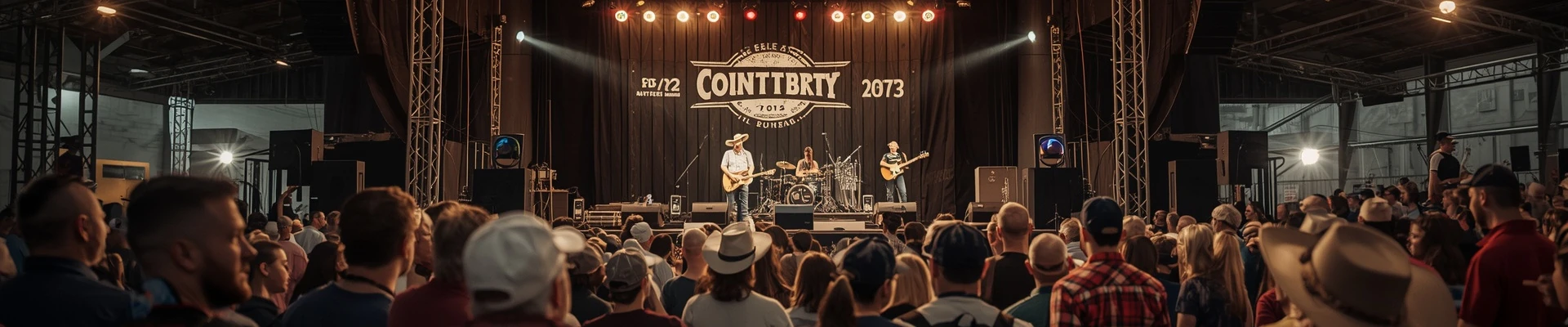
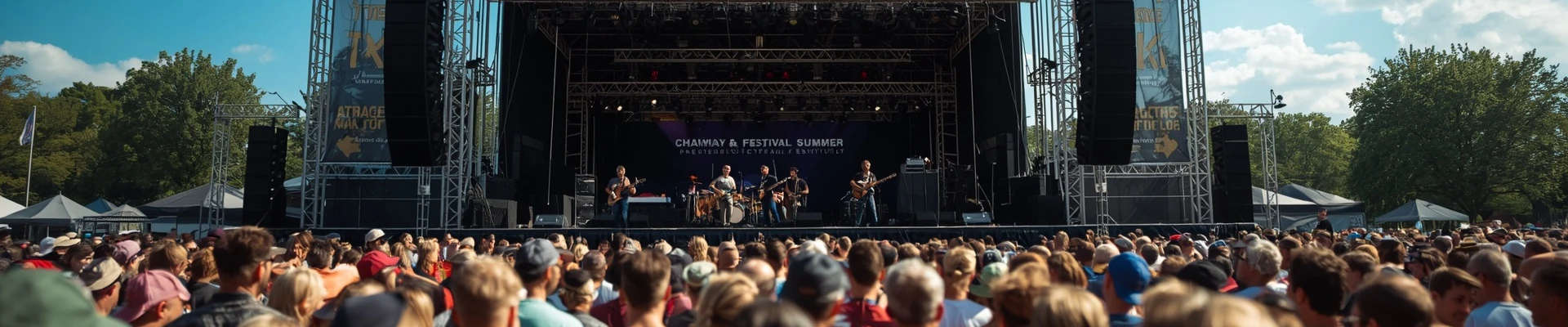
The Thunder Bay Blues Festival (August, Waverly Park) is the city's anchor music festival — a multi-day event with national and international blues headliners that has been running since the late 1980s and is among the longest-running blues festivals in Canada. Definitely Superior ArtsFest is Thunder Bay's multi-disciplinary arts festival, mixing visual art, performance, music, and community programming through a week in late summer. The Sleeping Giant Brewing Festival and other craft beer events have integrated live music programming. Canada Day at Marina Park features major outdoor concerts. The Terry Fox Run (September) is the city's most emotionally significant community event. Thunder Bay Multicultural Festival celebrates the city's immigrant heritage with food, dance, and music from across the community's many cultures — Finnish, Ukrainian, Italian, Filipino, and Indigenous traditions are all represented. Powwow at Fort William First Nation is a major annual gathering of Indigenous drumming, dance, and cultural expression.
Winter programming includes concerts at the Auditorium, arena shows at Fort William Gardens, and the bar scene carrying the city through the long Shield winter. The summer season — compressed and brilliant — packs the outdoor concert calendar between May and September.
What ties it all together
Thunder Bay is a city shaped by its position at the edge of the known world — at the head of the greatest of the Great Lakes, at the beginning of the Shield, at the far end of the road from everywhere. That isolation has produced a music scene built on tenacity rather than fashion, on community rather than industry, on the specific intensity that comes from knowing your audience is limited and your options for distraction are not. The blues tradition and the hard rock underground share that same quality: music that earns its keep on a cold night in a working-class bar at the lakehead. The Indigenous drum tradition and the Finnish folk heritage share it too — music rooted in survival, in community, in the land. Thunder Bay is the kind of city that produces artists who mean it.