
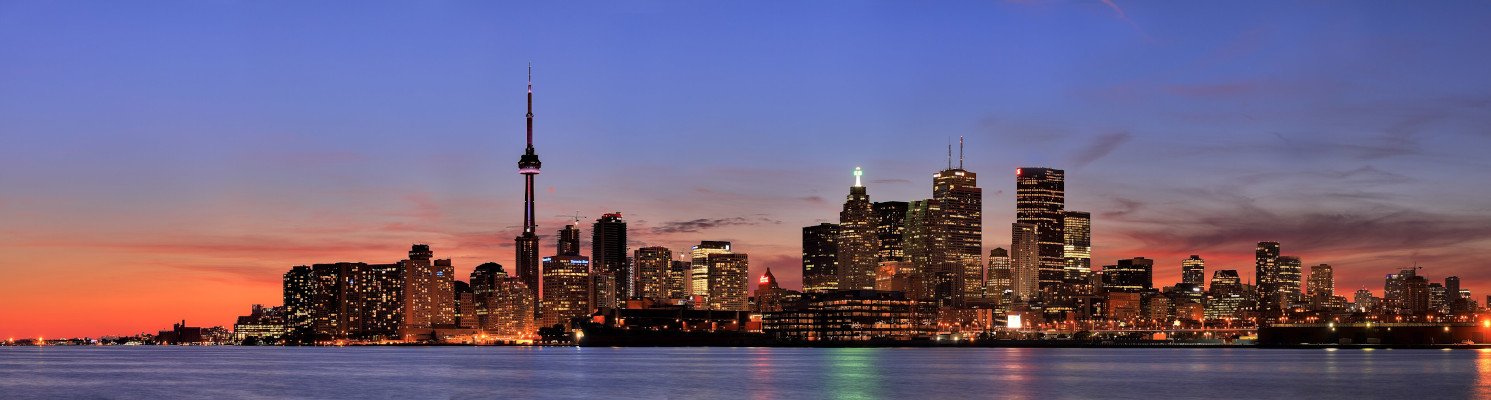
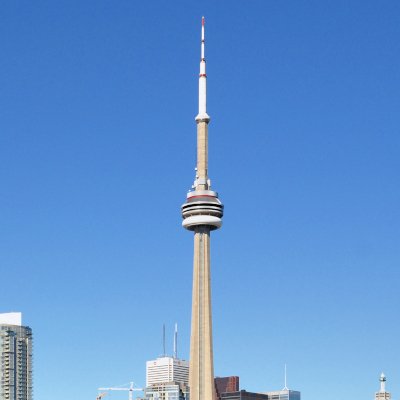
Toronto is the largest city in Canada and the capital of the province of Ontario, with roughly 2.8 million residents inside the city and more than 6.5 million across the surrounding Greater Toronto Area. Sitting on the north shore of Lake Ontario, it is one of the most ethnically diverse cities on earth — over half of its residents were born outside Canada, and more than 180 languages are spoken across its neighborhoods. That density and diversity, combined with a vast concentration of media, broadcasting, and recording infrastructure, makes Toronto the gravitational center of English-Canadian music.
A brief history
The shore of Lake Ontario was a meeting place for Wendat, Haudenosaunee, Anishinaabe, and Mississauga peoples for thousands of years before French traders established a small post in the 1750s. The British founded the town of York in 1793 as the capital of Upper Canada; it was renamed Toronto in 1834. Through the 19th century the city grew as a port, manufacturing, and railway hub, and as the financial and publishing capital of English Canada. Successive waves of immigration — Irish, Italian, Eastern European Jewish, Portuguese, Greek, Caribbean, Chinese, South Asian, Filipino, East African, Latin American, and many more — built the patchwork of neighborhoods that defines the city today.
By the late 20th century Toronto had become the headquarters of nearly every major Canadian record label, broadcaster, performing rights organization, and music magazine. The CBC, MuchMusic, MusiquePlus's English counterpart, the Junos, Canadian Music Week, and the offices of Universal, Sony, and Warner Canada are all based here. A combination of CRTC Canadian-content rules in radio and television, robust public broadcasting, and government grant programs (FACTOR, Ontario Creates, the Canada Council) created an unusually well-funded development pipeline for Canadian artists, and Toronto was where most of that pipeline ran.
Music identity
Toronto's musical history starts long before the current global era. In the 1960s the Yorkville coffeehouse scene was Canada's answer to Greenwich Village, launching Joni Mitchell, Neil Young, Gordon Lightfoot, Ian and Sylvia, Buffy Sainte-Marie, and Murray McLauchlan from clubs like the Riverboat and the Penny Farthing. Yonge Street's Le Coq d'Or, the Colonial, and the Friar's Tavern incubated the Toronto Sound — a horn-driven R&B and rock idiom built around Ronnie Hawkins, the Hawks (later the Band), and David Clayton-Thomas, with deep ties to the Black music tradition that ran up from the American South through Buffalo and Detroit.
Through the 1970s and 1980s the city produced Rush, Triumph, Max Webster, the Diodes, the Viletones, and a punk and new wave scene centered on the Beverley Tavern, Larry's Hideaway, and the Edge. Queen Street West in the 1980s and 1990s was the heart of an art-rock and alt-country scene around the Cameron House, the Rivoli, the Horseshoe Tavern, and Lee's Palace, producing Blue Rodeo, Cowboy Junkies, Barenaked Ladies, the Rheostatics, the Tragically Hip's Toronto-adjacent breakthrough, and a deep singer-songwriter tradition. The 2000s Toronto indie boom — Broken Social Scene, Metric, Stars, Feist, Constantines, the Hidden Cameras, Owen Pallett, Crystal Castles, Austra, Fucked Up, Japandroids' Toronto links, and dozens more — turned the city into one of the world's most-watched indie scenes and made the Arts and Crafts and Paper Bag rosters internationally famous.
The 2010s remade the city's image again. Drake, raised in Forest Hill and Weston, and The Weeknd, raised in Scarborough, built a sound — sometimes called "the Toronto sound" or simply OVO — that fused atmospheric R&B, moody hip-hop, dancehall, and Afro-Caribbean rhythms into one of the dominant aesthetics of global pop. Drake's OVO Sound, the Weeknd's XO, Boi-1da, Noah "40" Shebib, Nineteen85, Murda Beatz, PartyNextDoor, Roy Woods, Daniel Caesar, Tory Lanez (with caveats), Jessie Reyez, Charlotte Day Wilson, Mustafa, and a deep bench of producers and engineers operate out of studios scattered from King West to Scarborough. The same era saw an extraordinary expansion of Toronto's Caribbean music scene — soca, reggae, dancehall, and Afrobeats — through Kardinal Offishall's legacy, Rich Kidd, the Remix Project pipeline, and a growing Afrobeats and Amapiano circuit. Drill and trap scenes have produced their own internationally watched (and at times tragically violent) wave. Across town, classical and jazz thrive at the Royal Conservatory, the Toronto Symphony Orchestra, the Canadian Opera Company, and a deep jazz tradition running through the Rex Hotel and Jazz Bistro.
Venues and neighborhoods
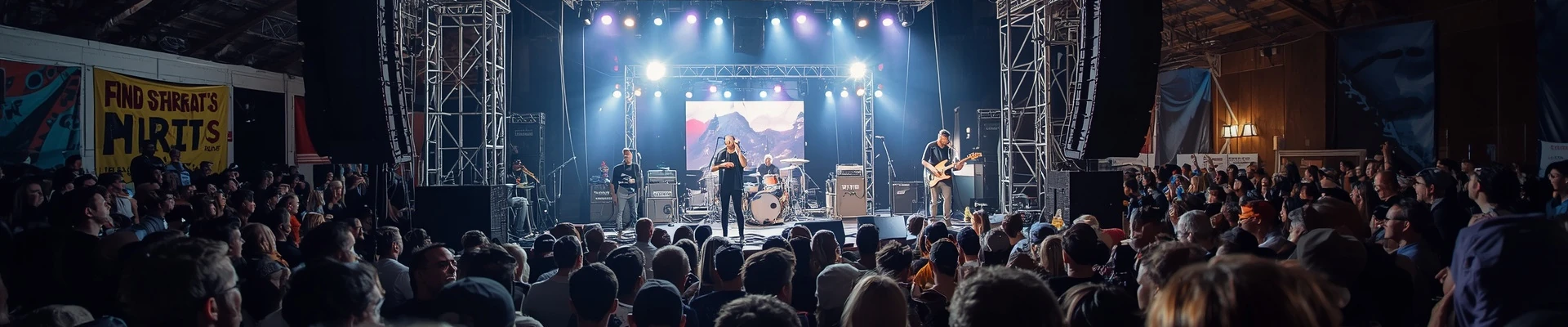
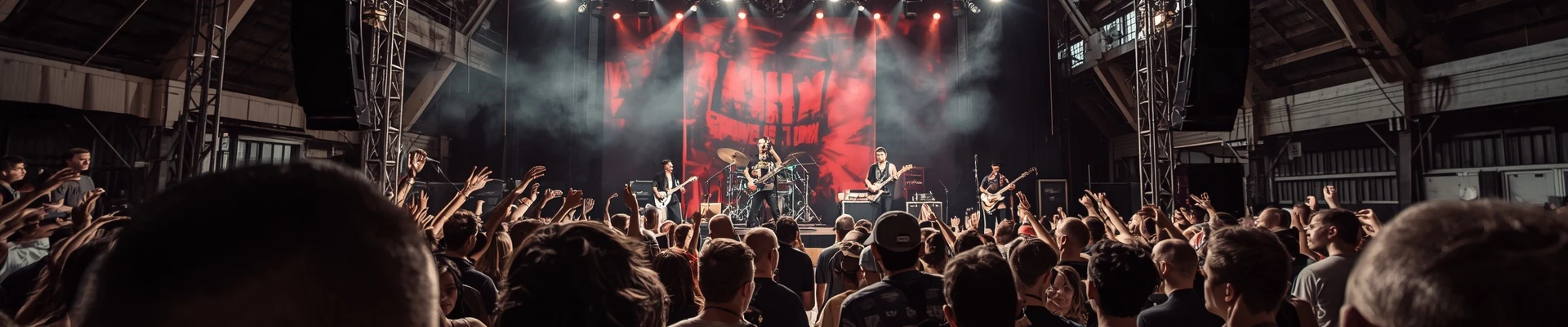
Toronto has a venue ecosystem that punches well above the city's size. At the top sit Scotiabank Arena, Rogers Centre, Budweiser Stage at Ontario Place, Coca-Cola Coliseum, the Meridian Hall (formerly Sony Centre), Massey Hall, Roy Thomson Hall, and the History venue in the east end. The midsize tier includes Rebel, Danforth Music Hall, Queen Elizabeth Theatre, the Phoenix Concert Theatre, the Opera House, Velvet Underground, and the storied Horseshoe Tavern and Lee's Palace on Queen West and Bloor, which still anchor the indie circuit. Beneath them is a deep club and DIY layer — the Cameron House, Drake Hotel, Gladstone, Baby G, Sneaky Dee's, Monarch Tavern, Garrison, Adelaide Hall, Drom Taberna, Burdock, Tranzac, the Smiling Buddha's heirs, and a network of warehouse and after-hours spaces across Parkdale, Geary, and the east end. Massey Hall and Koerner Hall anchor the listening-room and classical traditions; the Rex Hotel, Jazz Bistro, and The Pilot carry the jazz tradition.
Different neighborhoods carry different musical identities. Queen Street West, Ossington, and Dundas West remain the indie and DIY corridor. Kensington Market, Little Portugal, and Parkdale host a mix of punk, jazz, world music, and electronic scenes. The Annex and Bloor West continue the singer-songwriter and folk tradition. Scarborough, North York, and the Jane–Finch corridor are central to Toronto's hip-hop, R&B, and Caribbean music scenes. Little Jamaica along Eglinton West has been the historical heart of the city's reggae and dancehall culture. Chinatown, Koreatown, Little Italy, Greektown, Little India, and the dense South Asian and African corridors of Scarborough and northern Etobicoke each support their own venues, festivals, and recording communities. The Distillery District and King West anchor a more polished club and lounge circuit.
Festivals and signature events
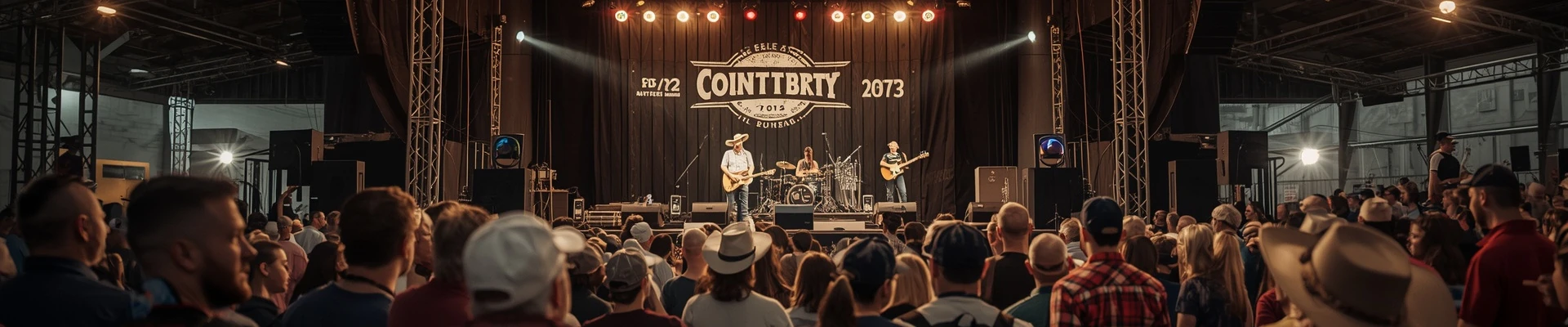
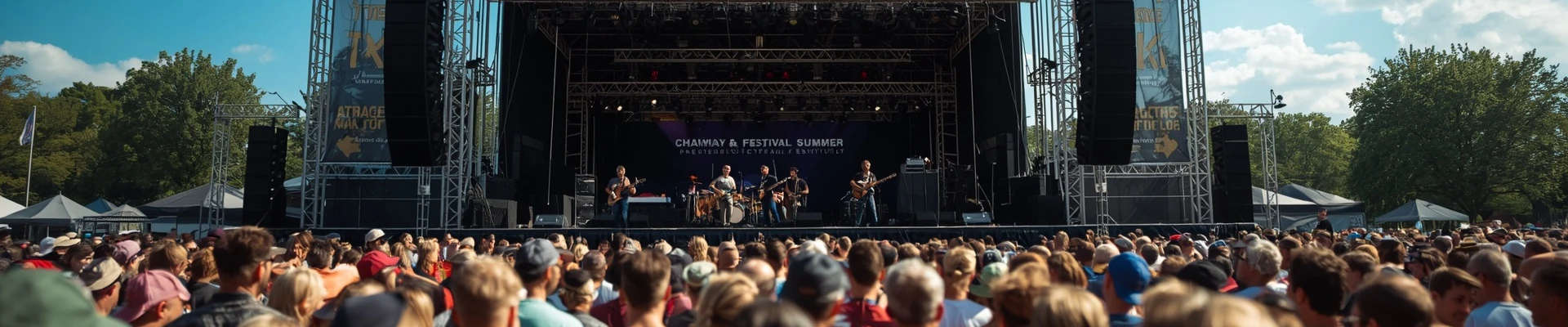
The festival calendar is dense. Canadian Music Week in the spring is the country's largest industry showcase, sprawling across dozens of clubs over a week. NXNE (North by Northeast) spent two decades as the city's indie and discovery festival and continues in evolving form. Field Trip, Veld, Time Festival, Bestival Toronto (historically), OVO Fest at Budweiser Stage and Scotiabank Arena, Wayhome's Toronto-area editions, Electric Island on Toronto Island, and Digital Dreams's successors keep the festival circuit running through the summer. Caribana — officially the Toronto Caribbean Carnival — is one of the largest Caribbean festivals in the world, drawing more than a million people for a parade and weeks of fetes, soca and dancehall events, and steelpan competitions. Afrofest in Woodbine Park, Salsa on St. Clair, Taste of the Danforth, Taste of Little Italy, the Toronto Jazz Festival, the Beaches Jazz Festival, Jazz on Wellington, Luminato, Hot Docs's music programming, the Polaris Music Prize Gala, and the Junos's rotating Toronto editions add to the calendar. Cultural processions — Pride Toronto, Lunar New Year in multiple Chinatowns, Nuit Blanche, Diwali at Nathan Phillips Square — are themselves rolling music events.
What ties it all together is the city's combination of public infrastructure, immigrant density, and proximity to U.S. and global markets. Toronto musicians grow up inside one of the world's most multicultural soundscapes, often funded through Canadian content rules and grant programs, with a 90-minute flight to New York and direct connections to London, Lagos, Mumbai, Manila, and Kingston. The result is a music scene that is at once unmistakably Canadian — polite, well-funded, deeply collaborative — and deeply plugged into the global pop, R&B, hip-hop, and dance ecosystems it now helps define.