

Waterloo is a mid-size city of roughly 105,000 residents in Waterloo Region, southwestern Ontario, Canada. It sits immediately north of its twin city Kitchener — the two share an integrated urban core and together form the Kitchener-Waterloo metropolitan area (population roughly 570,000), the fourth-largest urban centre in Ontario and one of the fastest-growing tech hubs in Canada. Waterloo is located approximately 100 km west-southwest of Toronto along the Highway 401 corridor, and about 30 km east of Guelph. The city's identity is inseparable from its two universities — the University of Waterloo (UW, roughly 42,000 students) and Wilfrid Laurier University (WLU, roughly 19,000 students) — and from the legacy of Research In Motion (now BlackBerry), which was founded here in 1984 and turned Waterloo into Canada's answer to Silicon Valley: home to Google Canada, Shopify offices, a dense constellation of AI and quantum-computing startups, and a co-op education pipeline that feeds the global tech industry. For a city of its size, Waterloo punches above its weight on every cultural front — and music is no exception.
A brief history
The land was home to the Haudenosaunee (Iroquois) and Anishinaabe peoples, and later became part of the Haldimand Tract granted to the Six Nations of the Grand River after the American Revolution. German-speaking Mennonite settlers from Pennsylvania arrived in the early 19th century, drawn by cheap farmland — they founded the community that became Waterloo in 1816. German and Swiss Lutheran and Reformed settlers followed, and the region's early culture was distinctively German-Canadian: the old Berlin (now Kitchener) and Waterloo tandem reflected the culture of its founding community through breweries, churches, and civic institutions. Seagram's distillery, founded in Waterloo in 1857, became one of the largest distilleries in the world and a major civic institution for over a century. The name Berlin (Kitchener) was changed during World War I amid anti-German sentiment, but Waterloo kept its name and its German-heritage institutions. The post-war decades brought diversification — Italian, Portuguese, South Asian, and later East Asian immigrant communities joined the Mennonite and German-Canadian base. The founding of the University of Waterloo in 1957 was the city's defining modern transformation: a co-op engineering and science university that would grow into a global research institution and catalyze the tech-sector boom that defines 21st-century Waterloo.
Music identity
Waterloo's music scene flows from two sources: the university ecosystem and the broader Kitchener-Waterloo regional culture. Together they sustain a scene that is small by Toronto or Montreal standards, but dense relative to the city's population — partly because 60,000 university students create a captive audience for live music, and partly because the K-W tech community tends to attract young, culturally engaged transplants who consume live music at above-average rates.
The most internationally consequential musical export from Waterloo is almost certainly Broken Social Scene-adjacent: the city has contributed to the broader Canadian indie ecosystem without producing a single defining superstar of its own. Dan Snaith (aka Caribou, formerly Manitoba) — the electronic artist and Mercury Prize-winning producer — studied mathematics at the University of Waterloo in the late 1990s before launching one of Canada's most critically acclaimed electronic music careers. Snaith's densely psychedelic, loop-based electronic music has no obvious Waterloo "sound," but his connection to the university is a genuine local landmark.
The city's closest thing to a defining genre claim is the Waterloo experimental / electronic tradition, built around the UW campus culture — a computer science and engineering school that has naturally produced musicians oriented toward synthesis, signal processing, and electronic composition. The Waterloo Electronic Music Workshop and related campus organizations have kept an experimental electronic tradition alive since the 1970s.
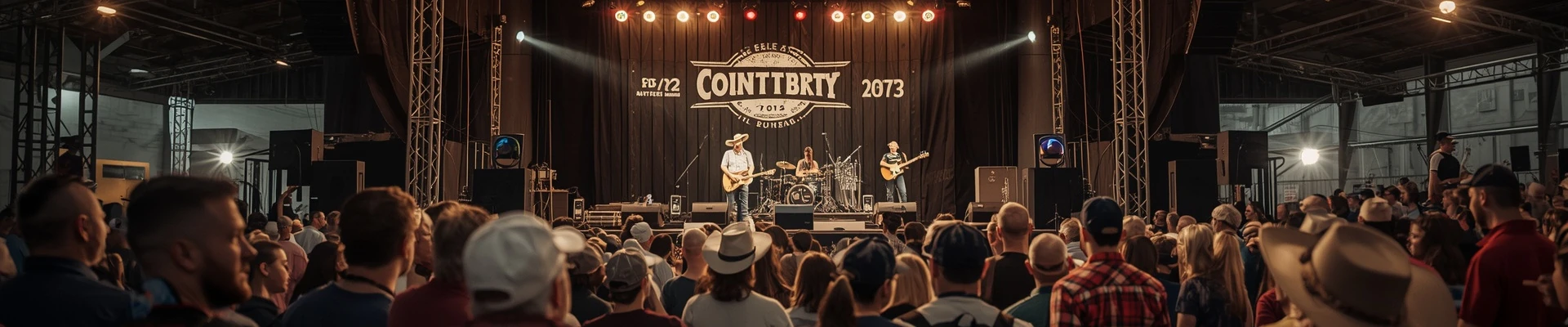
Beyond the electronic strand, Waterloo's live music culture is broadly indie rock, folk, and Americana. The Kitchener-Waterloo region has a deep roots and country tradition rooted in its rural Mennonite and German-Canadian heritage — old-time fiddling, German-Canadian folk music, and gospel have deep roots in the outlying townships. That heritage feeds a contemporary Americana and folk scene that is more alive in Kitchener and the rural region than in Waterloo proper, but which K-W regional acts draw on freely.
Dean Brody, the country singer-songwriter, spent formative years in the K-W area. The Theoretics, The Stolen Minks, and a range of campus-circuit indie acts have passed through UW and WLU. Wild Rivers — the Toronto-based indie folk trio — has deep Waterloo connections through UW alumni. Dizzy (the indie pop group) emerged from the broader K-W-Guelph-Hamilton corridor. The WLU music faculty has produced a steady stream of professional musicians who have fed into the Toronto, Hamilton, and broader Ontario music scenes.
The German-Canadian heritage surfaces in K-W's Oktoberfest — the largest Bavarian festival outside Germany — which programs traditional German folk and oompah music at festival halls across the twin cities every October, a tradition that has given local musicians a market for old-time European folk performance that has no equivalent elsewhere in Canada.
The city's South Asian community (Waterloo has substantial Gujarati, Punjabi, and Tamil populations, fed by UW and Communitech tech hiring) programs Bollywood events, bhangra performances, and Carnatic and Hindustani classical concerts through the South Asian cultural circuit.
Venues and neighbourhoods
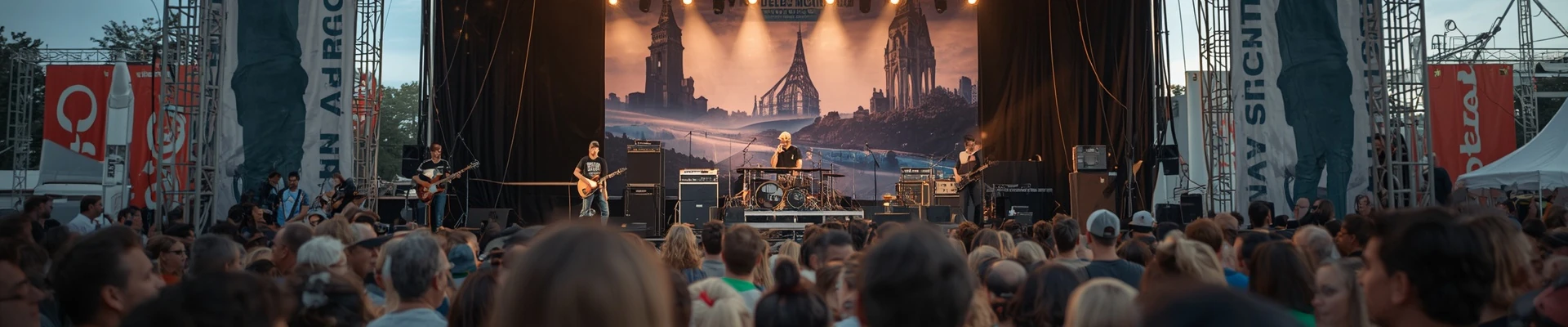
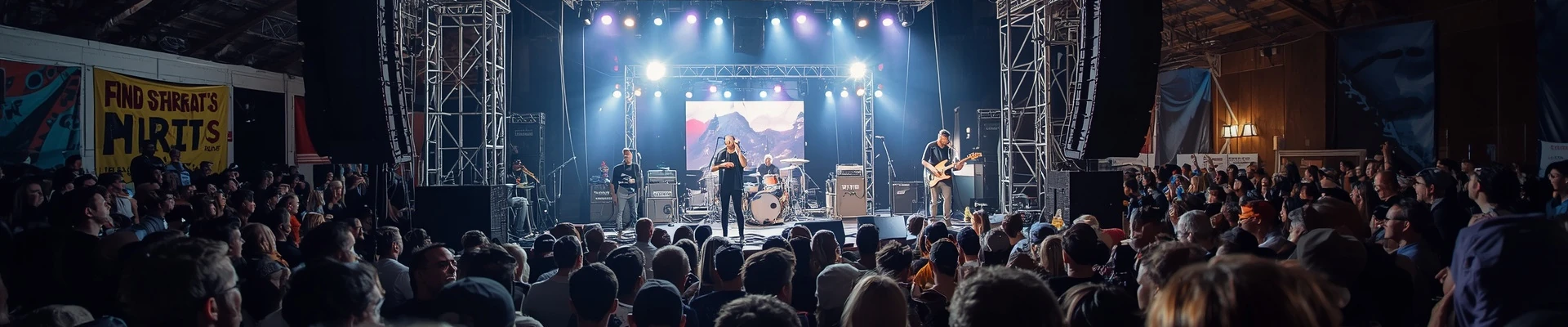
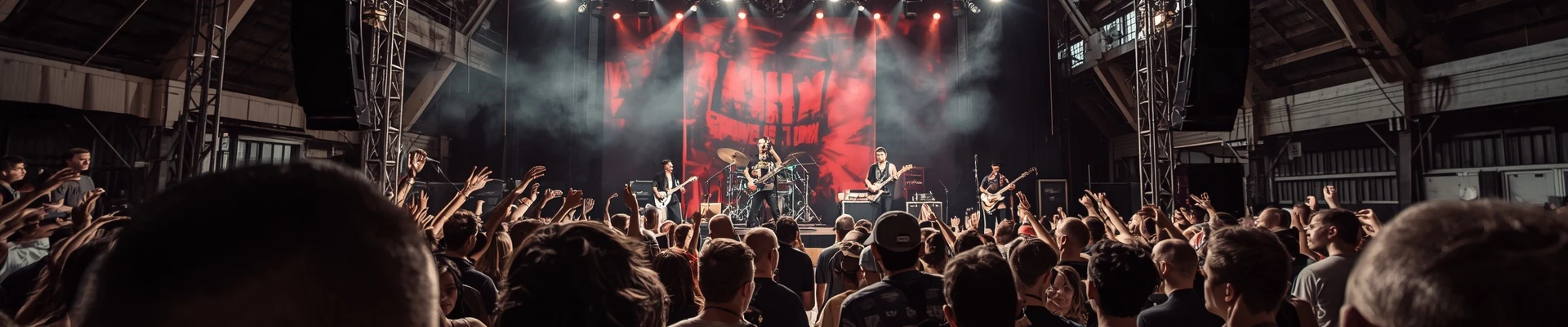
Waterloo's venue ecosystem is anchored by its campus infrastructure. The Bomber — the Waterloo Underground Music Bar and Eatery, housed in the basement of the Waterloo Federation of Students building at UW — is the most storied campus venue in the city, with decades of history hosting indie bands, DJs, and touring acts. Phil's Grandson's Place (in nearby Waterloo) and the broader King Street corridor running between Waterloo and Uptown Waterloo provide the live-music backbone for the city's non-campus nightlife. Uptown Waterloo — the main street strip along King Street North — is the cultural and retail heart of the city, with bars, restaurants with live music, and the Waterloo Public Square used for outdoor events.
Maxwell's Concerts and Events (in Kitchener) functions as the flagship mid-size venue for the K-W region — a 1,000-capacity room that draws touring acts from across Canada and internationally. The Centre In the Square (Kitchener, roughly 1,900 seats) is the region's premier performing arts and concert hall, hosting classical ensembles, touring Broadway productions, and larger concerts. Bingemans (Kitchener) — the large park and banquet complex — hosts outdoor concerts, Oktoberfest tents, and festivals. The Aud (Kitchener's main arena, 8,000 capacity) hosts stadium-scale touring acts and Kitchener Rangers OHL games.
At the smaller end, the Button Factory Music in Waterloo, The Jazz Room in Waterloo (which programs jazz in an intimate setting above a bar), and a network of bar-venue hybrids along King Street complete the picture.
Wilfrid Laurier University's Turret Nightclub and event spaces program student-oriented concerts and dance nights. The University of Waterloo Arts Centre hosts classical, chamber, and experimental music in a campus setting.
The city's music geography is compact: most of the action concentrates on the King Street corridor from Uptown Waterloo south into Kitchener's downtown, a walkable strip that allows venue-hopping between the two cities.
Festivals and signature events
Kitchener-Waterloo Oktoberfest — held each October across the K-W twin cities — is the dominant annual event, drawing hundreds of thousands of visitors to festival halls programmed with traditional Bavarian oompah bands, German pop, and local entertainers. It is the largest Oktoberfest outside Munich and Germany, and it has sustained a continuous tradition of German folk music performance in the region for over 50 years.
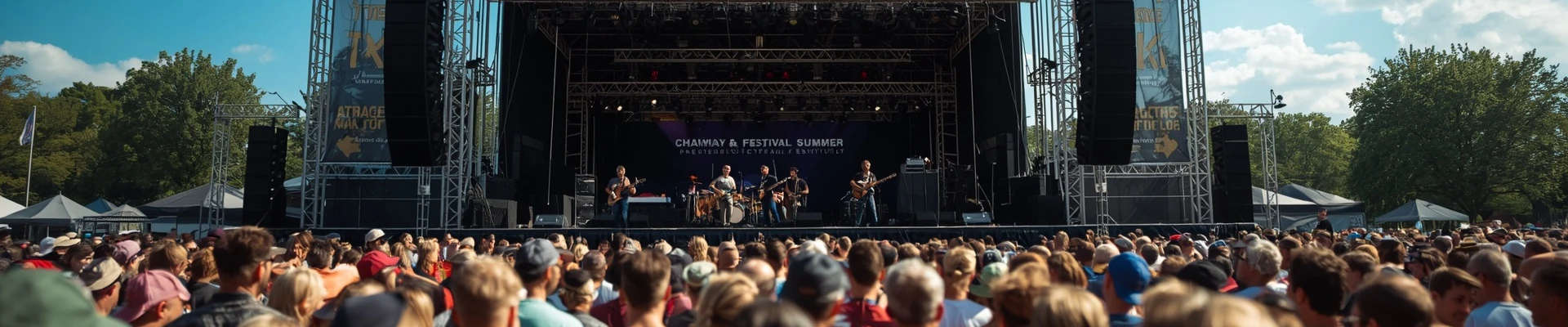
NUMUS — the New Music Waterloo festival — is the region's principal contemporary classical and experimental music festival, programming avant-garde composers, new music ensembles, and interdisciplinary performance. Envision Festival in nearby Elora and the Hillside Festival in Guelph (both within easy reach of K-W) represent the broader regional festival ecosystem that Waterloo audiences draw on. Waterloo's Canada Day celebration at Waterloo Park programs local and regional acts. Christkindl Market at Kitchener City Hall programs German folk and classical music through the Christmas season.
The University of Waterloo's annual Grad Ball and Orientation Week concerts program major Canadian touring acts. WLU's Wintario campus events have historically brought notable Canadian and international acts to the Turret.
What ties it all together
What binds Waterloo's musical identity is the university-tech nexus — the particular cultural character that emerges when you combine 60,000 highly educated, globally connected students with a startup culture that attracts young professionals from across Canada and around the world, all compressed into a compact, walkable small city with low cost of living and a very active bar and arts scene. Waterloo does not have a signature sound the way Detroit has techno or Nashville has country — but it has a musical culture that is strikingly rich for its size: experimental electronics rooted in the UW engineering tradition, indie rock fed by campus circuit touring, folk and Americana drawing on the rural Mennonite heritage, German oompah running through Oktoberfest, and a multilingual immigrant music ecosystem built around South Asian, East Asian, and Middle Eastern communities drawn by UW and Communitech. It is a city where Caribou's math-degree years coincided with the early experiments that would become one of Canada's most celebrated electronic music careers — and where the density of creative, technically skilled young people continues to make the music scene more interesting than the city's modest size would suggest.