



Whitby sits on the north shore of Lake Ontario in Durham Region, roughly 35 kilometres east of downtown Toronto. With a population of approximately 138,500 within its municipal boundaries and more than 650,000 in the broader Durham Region Census Metropolitan Area (alongside Oshawa, Ajax, Pickering, Clarington, and the inland municipalities), Whitby occupies a distinctive position in the Greater Toronto Area's urban geography: it is prosperous, largely residential, and often overshadowed by its neighbours — and yet it has maintained a cultural character of its own, shaped by a 19th-century harbour economy, a significant institutional history, and a local arts community that punches above its suburban weight.
The town covers approximately 146 square kilometres, ranging from the Lake Ontario waterfront in the south through rolling farmland to the Oak Ridges Moraine in the north. The landscape is defined by two creek systems — Lynde Creek and Pringle Creek — and the flat lakeshore plain that made the original harbour commercially viable. Elevation ranges from lake level at 75 metres to just over 200 metres at the moraine edge. The climate is Lake Ontario-moderated: cooler summers and less severe winters than comparable inland Ontario communities, with the lake suppressing both extremes and generating the region's characteristic lake-effect cloud cover from November through March.
A brief history
The Mississauga Anishinaabe people inhabited this shore for centuries before European contact. The Toronto Purchase of 1787 and a series of subsequent treaty negotiations transferred the land to the Crown, though the terms of that transfer remain contested. European settlement of the Whitby area began in earnest in the early 1800s, when John Scadding and later Peter Perry — a prominent Reform politician and entrepreneur — recognized the natural harbour potential at the mouth of Lynde Creek. Perry is Whitby's founding father in the conventional local narrative: he platted the town in 1836, lobbied successfully to have it named the seat of Ontario County, and promoted the harbourworks that made Whitby one of the busiest grain-shipping ports on Lake Ontario through the mid-19th century.
At its commercial peak in the 1850s and 1860s, Whitby Harbour shipped barley, wheat, and lumber to markets in the United States and Britain, and the town supported a dense concentration of hotels, merchants, legal offices, and a lively waterfront district. The arrival of the Grand Trunk Railway in 1856 eventually undermined the harbour's primacy — rail superseded water freight — and Whitby transitioned gradually from a commercial port to an administrative and institutional town. It was incorporated as a town in 1855.
The most consequential institution in Whitby's 20th-century identity was the Ontario Hospital, Whitby — a large psychiatric facility opened in 1913 on a 1,200-acre campus south of the Highway 401 corridor, which at its peak housed more than 2,000 patients and employed a significant share of the town's workforce. The hospital (now Ontario Shores Centre for Mental Health Sciences) shaped Whitby's physical landscape, social fabric, and civic identity for most of the 20th century in ways still visible in the large institutional campus between downtown and the lake. During World War II, the facility was temporarily converted into Camp X — or rather, Camp X (the Allied spy training school) was established on land adjacent to the hospital grounds at nearby Oshawa/Whitby border, where it trained SOE and OSS agents. The intersection of the psychiatric institution, wartime secrecy, and post-war suburban growth gives Whitby a more layered history than its current commuter-town profile might suggest.
The construction of Highway 401 through the municipality in the early 1960s, followed by the opening of the GO Transit rail corridor in the 1970s, transformed Whitby into a Toronto commuter suburb. Population grew rapidly from roughly 25,000 in 1971 to over 80,000 by the mid-1990s and 138,000 by the 2021 census. The growth was driven almost entirely by residential development — planned subdivisions in the north, executive housing along the lakefront, and the expansion of the Brooklin village community in the northeast, which has grown into a significant sub-community with its own commercial district and identity.
Music identity
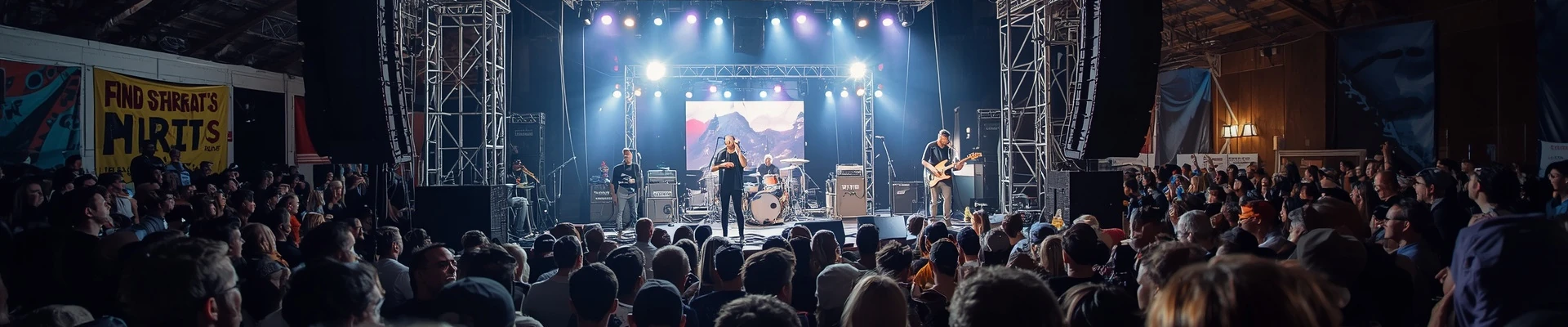
Whitby does not have a singular nationally recognized sound the way Oshawa (its westward neighbour, birthplace of the Guess Who's evolution and the foundational Canadian rock circuit) or Hamilton do — but it participates actively in the broader Durham Region and GTA music ecosystem, and it has produced and hosted artists of genuine significance.
The most prominent artist to emerge from the Whitby orbit is Belly — born Ahmad Balshe in Sudan, Belly grew up partly in the Ottawa area but has extensive connections to the GTA suburban circuit and became one of the most commercially successful Arab-Canadian hip-hop artists of his generation. His XO Records affiliation, collaborations with The Weeknd, Drake, Nas, Meek Mill, and Benny the Butcher, and his albums Immigrant (2017), IMMIGRANT 2 (2022), and See You Next Wednesday (2023) placed him at the intersection of Toronto's rap scene and the international hip-hop industry. While Belly's story is partly an Ottawa/GTA story rather than exclusively a Whitby one, the town's role in the broader Durham Region hip-hop underground is real — a generation of young producers and MCs formed in the area's rec centres, high school cafeterias, and basement studios.
The Canadian pop and rock lineage connected to Whitby runs through the Durham Region circuit — a network of arenas, high-school battle-of-the-bands competitions, local radio (including CKDO in Oshawa), and the early career paths of artists who transitioned to Toronto and beyond. One Republic's Canadian touring connections, the broader post-Tragically Hip alt-rock lineage, and the town's strong metal and hardcore underground have all contributed to a persistent local scene. Protest the Hero — one of the most technically accomplished Canadian progressive metal bands, from nearby Whitby/Oshawa — grew out of this Durham Region suburban metal culture, rehearsing in the same municipal gym and rec-centre circuit that produced dozens of regional bands. Protest the Hero's albums Kezia (2005), Fortress (2008), Scurrilous (2011), and Volition (2013) established them internationally as a flagship act of Canadian progressive and mathcore metal, and the band's origin in Durham Region's suburban garages is part of a recognizable Ontario pattern: the commuter-belt suburb as incubator for technically ambitious heavy music.
The jazz and classical traditions are served by community-level ensembles and school programs, with the Durham Region broader arts infrastructure supporting programming at the regional level. The Durham Symphony Orchestra serves the wider region. Whitby itself hosts the Regent Theatre (formerly the Whitby Courthouse Theatre) as its primary performing arts venue — a mid-sized room that programs community theatre, local music events, and visiting artists.
Folk and roots music runs through the town's community halls and the waterfront park circuit in summer. The Lynde Shores Conservation Area and the waterfront parks along the lake host informal and organized outdoor music programming in the warmer months. A small but active Celtic and acoustic roots community connects to the broader Irish, Scottish, and Ukrainian diaspora communities in Durham Region, with céilís and community dances organized through church halls and cultural clubs.
The South Asian community — one of the fastest-growing demographics in Whitby's suburban expansion over the past two decades, predominantly Punjabi, Tamil, and Gujarati families — sustains Bollywood, bhangra, and Carnatic music programming through temple events, cultural associations, and the growing commercial infrastructure along Dundas Street West. The Celebrations Banquet Hall circuit and similar large-event venues host bhangra nights, Bollywood DJ sets, and classical Indian music performances throughout the year.
Venues and neighborhoods
Downtown Whitby along Brock Street is the historic core — a compact commercial district with older commercial buildings, a small number of live music pubs, and the Regent Theatre as the primary cultural anchor. The Station Gallery on Henry Street programs visual arts with occasional performance and music events in its community space. Whitby Public Library programs regular community music events, workshops, and acoustic performances.
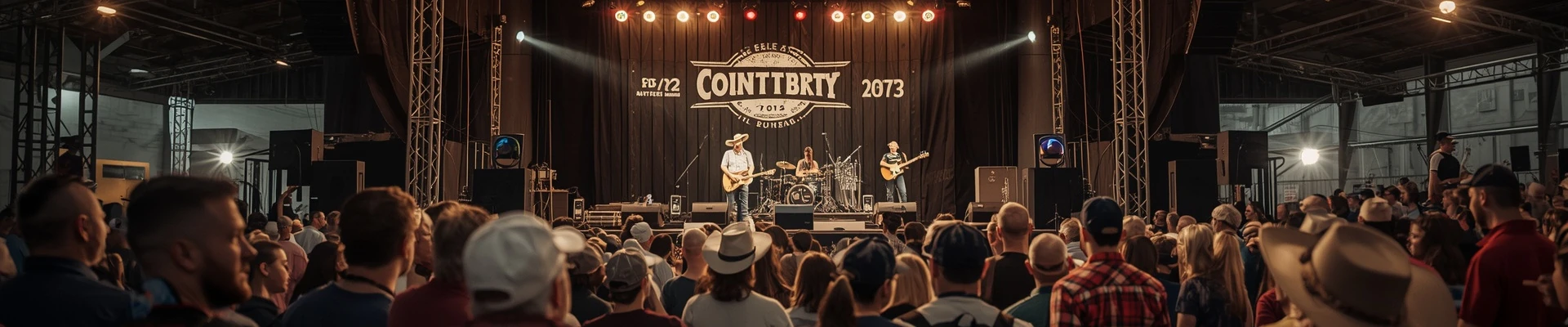
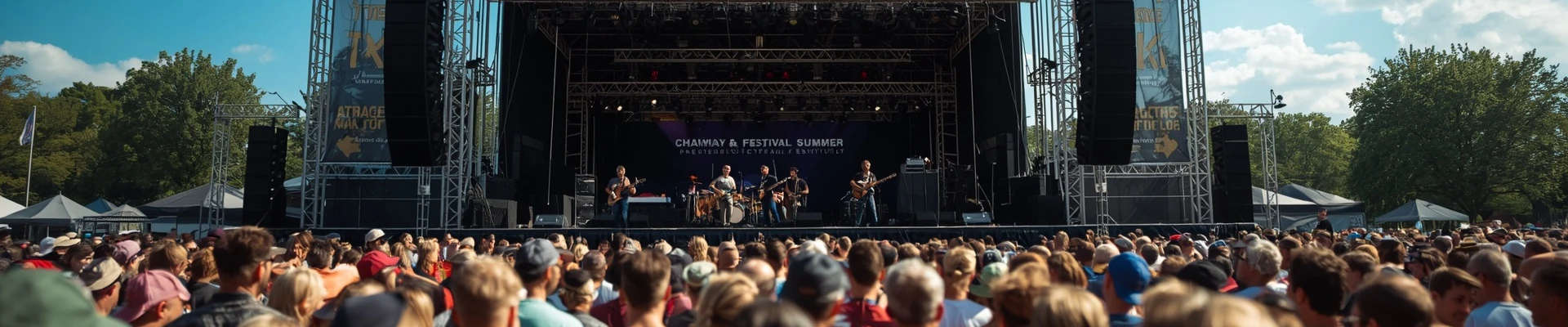
The waterfront parks — Rotary Sunrise Park, Iroquois Park, and the connected lakefront greenways — serve as the venue for outdoor festival programming in the summer, including Whitby Musicfest, the town's longest-running outdoor music festival, which books regional and national touring acts on a free-admission model across a summer weekend in August. Musicfest has hosted artists ranging from Classic Albums Live tribute productions to regional pop and country acts, programming to a broad community audience.
Brooklin — the historic village community in northeast Whitby, now a planned suburban expansion zone — maintains its own small commercial district along Baldwin Street and Winchester Road with a few local establishments that book live music on weekends. The Brooklin Spring Fair (one of the oldest agricultural fairs in Ontario, running since 1851) programs live entertainment as part of its annual late-May festival.
Pringle Creek and the surrounding residential neighbourhoods to the north represent Whitby's large-scale 1980s and 1990s suburban expansion — planned subdivisions with rec-centre cultural programming and school-based music education through the Durham District School Board and the Durham Catholic District School Board. These are the environments where most of Whitby's emerging musicians develop — school bands, rec-centre open mics, garage rehearsals, and the informal circuits that feed into the larger Durham Region and Toronto scenes.
Festivals and signature events
Whitby Musicfest is the signature annual music event, running since the 1990s as a free outdoor festival at Iroquois Park in August. It programs two or three days of live music across a mix of tribute acts, regional touring performers, and occasional national headliners, drawing family audiences from across Durham Region. The festival is organized by the Whitby Musicfest Committee, a community volunteer organization, and has become one of the more consistent free outdoor music events in the region.
Doors Open Whitby (part of the provincial Doors Open Ontario initiative) programs cultural events and site visits in heritage buildings, with live music occasionally incorporated. Brooklin Spring Fair in late May programs live entertainment across its agricultural fair weekend. Whitby Ribfest in summer adds live music to its food-festival format. The Whitby Santa Claus Parade programs community band performances. Durham Region Arts Festival events are occasionally anchored in Whitby venues.
At the regional level, Oshawa's Musicfest and the broader Durham Arts Council programming create a regional network of summer outdoor music events that Whitby-based artists and audiences participate in across municipal boundaries.
What ties it all together
Whitby's musical identity is quieter than its neighbours' but no less real for that. This is a town that built its 20th century on institutional stability — a hospital campus, a county courthouse, a school system, a rail corridor — and its 21st century on residential growth and commuter convenience. Against that backdrop, the music scenes that have emerged — the Durham Region progressive metal underground that produced Protest the Hero, the hip-hop circuit that connects the suburban GTA to the international rap industry, the bhangra and Bollywood culture of the South Asian diaspora, the community folk and roots networks along the lakeshore — are expressions of cultural creativity operating beneath the surface of a community often described purely in economic and demographic terms. The lake is always there to the south, the moraine always there to the north, and in between, musicians keep playing in the high school band rooms, the rec-centre stages, and the Regent Theatre, sustaining a musical life that the town's quiet reputation consistently undersells.