


Peoria sits at the northwestern edge of the Valley of the Sun, bordered by the Sun Valley Parkway to the west, the Agua Fria River to the east, and the Arrowhead Ranch and Vistancia master-planned communities stretching toward the high desert to the north. With roughly 191,000 residents, it is one of the faster-growing cities in Arizona — and in the United States — a pattern it shares with the surrounding West Valley corridor that includes Surprise, Goodyear, and Buckeye. The elevation runs around 1,070 feet above sea level; the climate is the hyper-arid Sonoran Desert norm, with summer temperatures regularly exceeding 110°F and winters that draw retirees and winter residents in waves. Peoria's economy is a suburban blend of retail, healthcare, light manufacturing, and professional services, with USAA, Arrowhead Hospital, and a cluster of technology companies providing major employment. The city's master-planned growth since the 1980s has given it wide arterial roads, large retail corridors, and an almost entirely car-dependent layout — but within that suburban framework, intentional investment in arts infrastructure has created pockets of genuine cultural life.
A brief history
The Peoria area sits within the traditional territory of the Hohokam people, whose irrigation canals — some of the most sophisticated pre-Columbian agricultural engineering in North America — ran through this stretch of the Agua Fria and Salt River watersheds for more than a millennium before European contact. The Hohokam disappeared from the archaeological record around 1450 CE, and the land was later home to the Yavapai and Maricopa peoples. Anglo-American settlement arrived in the early 1880s following the expansion of agricultural irrigation in the Salt River valley. A group of settlers from Peoria, Illinois established the town in 1886 and gave it the name they brought from the Midwest. Cotton, citrus, and alfalfa farming sustained the early community, and the Pacific and Eastern Railroad connection through the region in the early 20th century made agricultural shipping feasible. For most of its history Peoria remained a small farming town in the shadow of Phoenix and Glendale. The post-World War II growth of the Phoenix metro, accelerated through the 1970s and 1980s by air conditioning, snowbird migration, and Sun Belt demographics, transformed Peoria from a rural community into one of the fastest-growing suburbs in the country. The Peoria Sports Complex — the spring training facility for the San Diego Padres and Seattle Mariners — opened in 1994 and anchored a model for sports tourism and adjacent entertainment development that would eventually produce the P83 Entertainment District.
Music identity
Peoria's music identity is genuinely that of a wealthy Phoenix suburb: it does not have a distinct local sound in the way that Tempe has its jangly alternative rock heritage or Tucson has its desert Americana lineage, but it sustains a robust live-music economy through a combination of deliberate civic investment in performing arts, a well-resourced suburban audience, and its proximity to the machinery of the broader Greater Phoenix music scene — one of the largest and most active music markets in the American Southwest.
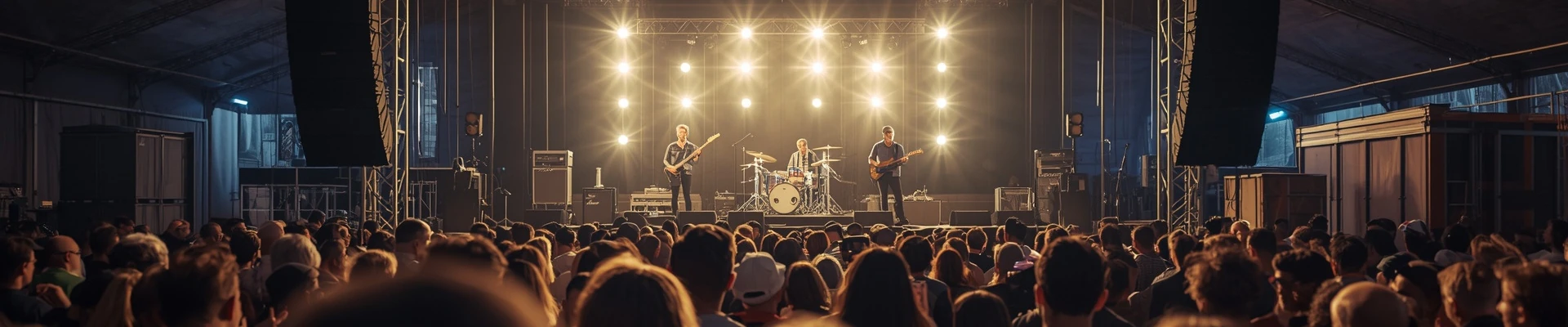
The city's most important music infrastructure asset is the Peoria Center for the Performing Arts, a mid-size professional venue that programs theatrical productions, classical music, touring national acts, and local showcases. The facility seats approximately 700 and operates within the city's parks and recreation framework — an unusual arrangement that gives it civic stability and a broad programming mandate. It has hosted everything from regional symphony performances to country touring acts and is the premier indoor ticketed venue serving the West Valley.
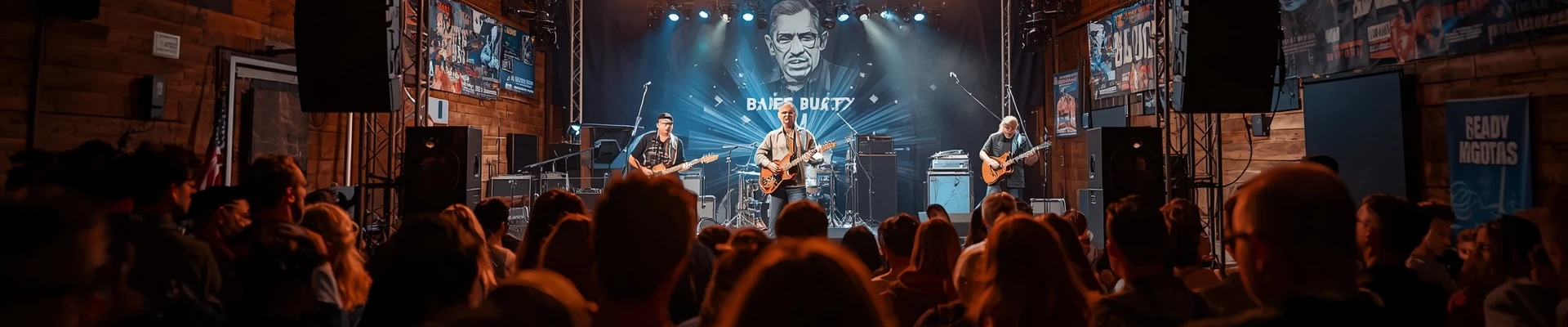
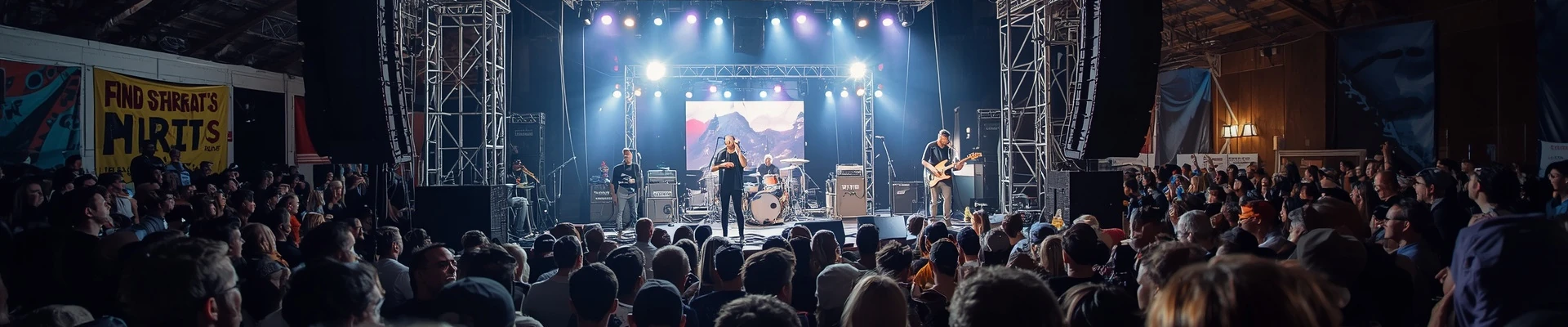
The broader P83 Entertainment District — centered on 83rd Avenue and Bell Road, anchored by the sports complex, a cluster of restaurants, bars, and the open-air retail environment — functions as the West Valley's primary entertainment hub and hosts outdoor concerts, sports-adjacent music events, and community festivals in a format that prioritizes accessibility over musical adventurousness. It is a suburban entertainment model done well: clean, family-friendly, reliably programmed, and commercially sustainable. Several bars and restaurants within P83 run live music on weekends, spanning cover acts, country, and acoustic singer-songwriter performances.
Peoria's contribution to the Greater Phoenix music ecosystem is most tangible through the bands and artists who grew up in its schools and neighborhoods before making their mark on the broader metro scene. The West Valley's rapid population growth through the 1990s and 2000s filled its high schools with teenagers from across the country — transplants from California, the Midwest, and the Mountain West — who brought diverse musical influences into the local rock, country, and hip-hop scenes. Peoria High School, Liberty High School, and Sunrise Mountain High School have all contributed musicians to the metro scene without producing the kind of concentrated artistic cluster that specific neighborhoods in Phoenix, Tempe, or Scottsdale have generated.
The surrounding Greater Phoenix music scene provides the context for everything Peoria produces. Jimmy Eat World (Mesa), the Gin Blossoms (Tempe), Calexico (Tucson/Phoenix), Neon Trees (Provo/Phoenix), At the Drive-In (El Paso/Phoenix circuit), and a long lineage of punk and hardcore bands from the ASU orbit have established the Phoenix metro as a genuine music production region rather than merely a touring market. Peoria's musicians move fluidly through this ecosystem, playing venues in Scottsdale, Tempe, Glendale, and central Phoenix with as much regularity as they play locally. The Crescent Ballroom in downtown Phoenix, Marquee Theatre in Tempe, and Talking Stick Resort Amphitheatre (formerly Ak-Chin Pavilion) are the destination venues that West Valley musicians aim for.
Country music and its adjacent forms — Americana, red dirt country, and alt-country — have a particularly strong footing in Peoria and the broader West Valley. The area's demographics skew toward transplants from Texas, Oklahoma, and the rural Midwest, communities that sustain a robust honky-tonk and country live-music circuit. Several West Valley bars and music rooms run country nights that draw from this demographic pool, and Peoria has produced country acts who have worked the local circuit before attempting regional touring.
The Latin music scene in Peoria reflects the city's significant Mexican-American and Chicano community, concentrated in the older central and eastern portions of the city. Norteño, banda, corrido, and cumbia performance anchors a community circuit of quinceañeras, festivals, and dedicated Latin music clubs that operates largely parallel to the Anglo entertainment economy. The Peoria Fiesta Days celebration — one of the city's signature annual events — incorporates live Latin music alongside rodeo, carnival, and community events. This scene is genuine, community-rooted, and consistent, even if it rarely crosses into the venues that define the city's official music infrastructure.
Venues and neighborhoods
The Peoria Center for the Performing Arts (700 seats, 83rd Avenue corridor) is the city's anchor indoor performing-arts venue. The P83 Entertainment District clusters live-music-capable bars and restaurants around the Peoria Sports Complex on 83rd Avenue at Bell Road — notable rooms within P83 include Yard House (which programs ambient live music), Draft Kings Bar + Grill, and several sports bars with acoustic programming. Liberty Station Bar and Grill in the Vistancia corridor programs local and regional country and rock acts on weekends. Old Town Peoria — the city's original downtown on Peoria Avenue near 83rd Avenue — has been a target for revitalization investment and hosts a modest cluster of restaurants and bars with occasional live music, though it has not yet achieved the critical mass of a genuine entertainment district. The Peoria Civic Center (connected to the sports complex) hosts large-scale events, conventions, and concerts in a flexible format. Arrowhead Town Center, the city's major retail hub, programs outdoor concerts and community events seasonally.
The Arrowhead Ranch corridor in the central city is the economic and demographic heart of Peoria's upscale suburban identity — the neighborhood that most reflects the city's post-1990 growth, with the affluence, retail infrastructure, and suburban geography that characterize master-planned West Valley development. Old Town Peoria represents the city's historical core, with older housing stock, more economic diversity, and the Latino community concentrated in adjacent neighborhoods to the east. Vistancia, in the far north, is the city's newest master-planned growth frontier.
Festivals and signature events
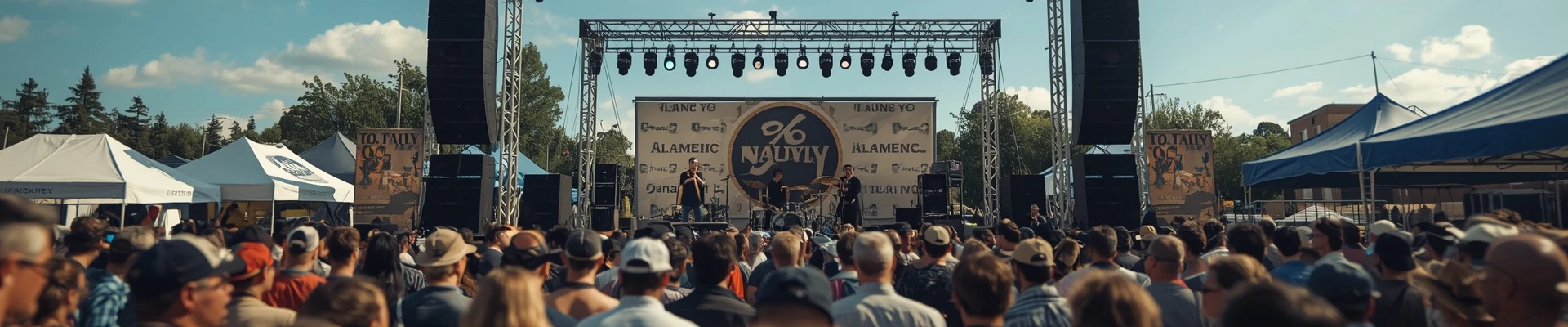
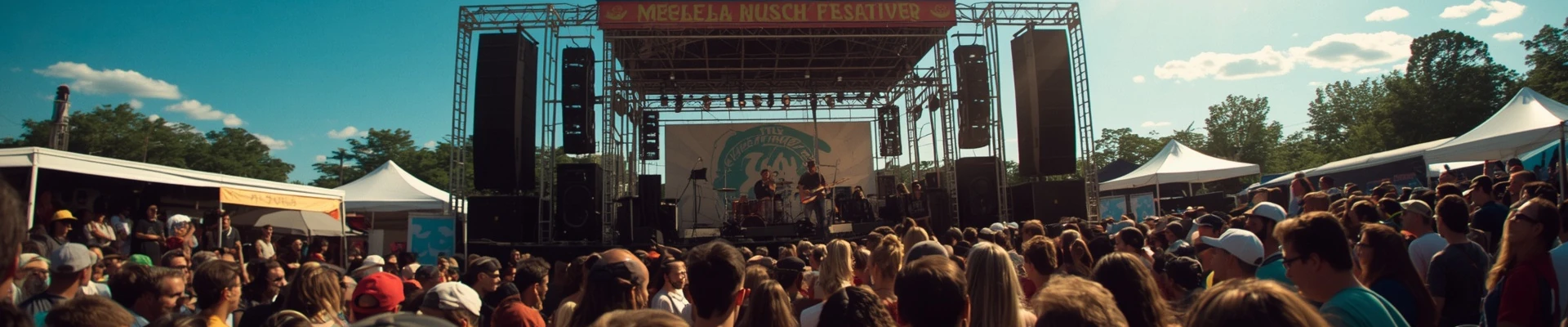
The Peoria Fiesta Days (typically held in May) is the city's signature annual festival — a multi-day event combining a professional rodeo, carnival, live music (country and Latin), community competitions, and a parade. It has been held annually for decades and is one of the largest community festivals in the West Valley. The Peoria Spring Training Festival activities around the Peoria Sports Complex during February and March bring a concentration of visitors to the P83 corridor, and concert programming is woven into the spring training schedule. The Peoria Arts Commission sponsors outdoor concert series in city parks through the spring and fall seasons, with an emphasis on family-accessible and community-oriented programming. The Holiday Lights at the Aquatic Center (now rebranded as holiday events) brings community cultural programming into the winter season.
What ties it all together
Peoria is not a city that exports musical movements — it exports musicians into movements that originate elsewhere, most often in Phoenix, Tempe, or Tucson. What defines the city's relationship to music is the deliberate civic investment in performing arts infrastructure, a suburban audience with real disposable income and appetite for live entertainment, and the deep country and Latin music traditions that run through its most demographically rooted communities. The P83 corridor and the Peoria Center for the Performing Arts give the city a stable platform that many faster-growing Sun Belt suburbs lack; the Fiesta Days rodeo and the Latin music circuit give it roots that predate the master-planned subdivisions. For the broader West Valley, Peoria functions as both audience and feeder system — a well-resourced suburban market that sustains the regional music economy while quietly contributing artists to a Greater Phoenix scene that, collectively, punches well above the weight of any individual city in it.