
Stamford, Connecticut
Stamford sits at the southwestern tip of Connecticut, hugging Long Island Sound twenty-eight miles up the Merritt Parkway from Midtown Manhattan. The Metro-North New Haven Line gets a commuter downtown in forty-five minutes — a fact that defines Stamford's character as thoroughly as any geographical feature. With roughly 129,000 residents it is Connecticut's second-largest city and the undisputed commercial capital of Fairfield County, a corridor of hedgerow estates and glass-curtain office towers that locals call the "Gold Coast." Stamford's skyline is compact but unmistakably corporate: UBS, Charter Communications, Synchrony Financial, and a cluster of hedge funds occupy towers along Atlantic Street and Tresser Boulevard, giving the downtown the energy of a satellite financial district. That concentration of wealth and the city's proximity to New York have shaped Stamford's music culture in particular ways — it attracts touring talent that would otherwise skip Connecticut entirely, sustains a handful of proper listening rooms, and produces a steady stream of musicians who split their professional lives between Stamford gigs and the stages of Brooklyn or the Village.
Geography and Neighborhoods
Stamford divides neatly into distinct quadrants. Downtown Stamford around the Stamford Town Center mall and Bedford Street is the commercial and nightlife core, dense with restaurants and bars that host live music seven nights a week in varying degrees of seriousness. The South End, a historically working-class neighborhood that housed the city's immigrant Italian and Puerto Rican communities through the mid-twentieth century, has gentrified steadily but retains a gritty warehouse-district texture that has attracted recording studios and rehearsal spaces. Glenbrook and Springdale are residential nodes along the rail line with their own small commercial strips. Shippan Point juts into the Sound as a leafy residential peninsula favored by the finance crowd. The West Side — predominantly Latino, majority Dominican and Puerto Rican — is the heartbeat of Stamford's Latin music scene, with bodegas whose speakers spill reggaeton and bachata onto the sidewalk and a network of social clubs that host live salsa.
Music Identity
Stamford's music identity is a layered thing. The city does not have a single defining genre the way Tampa has death metal or Detroit has techno, but its proximity to New York, its racial and immigrant diversity, and its postwar industrial heritage have produced a scene that is consistently broader than outsiders expect.
Jazz and R&B represent Stamford's oldest and deepest musical tradition. Through the 1950s and 1960s the city's Black neighborhoods supported a robust circuit of jazz rooms and soul revues. The Palace Theatre — a 1927 picture palace converted to a performing arts venue at 61 Atlantic Street — became Stamford's flagship hall and has hosted artists ranging from Thelonious Monk to Wynton Marsalis. The Rich Forum at the Stamford Center for the Arts (now operating as the Stamford Center for the Arts) brought Broadway touring productions and prestige concerts to the city, reinforcing Stamford's appetite for serious live music. These institutions seeded a local jazz audience that persists today: the Hartford Jazz Society draws Connecticut-wide attention but Stamford's own Jazz Society programming at venues like Mezcal and the Brickhouse Bar & Grill keeps the tradition alive at street level.
Latin music — specifically salsa, merengue, bachata, and, increasingly, reggaeton and Latin trap — is arguably Stamford's dominant street-level sound in the twenty-first century. The West Side's Puerto Rican and Dominican communities have sustained a live-performance culture for decades, centered on social halls and neighborhood clubs. Stamford is not far geographically or culturally from the Bronx, and the same currents that powered New York's salsa boom in the 1970s coursed through Fairfield County. Local Latin bands play weddings, quinceañeras, and club nights year-round, maintaining a performing ecosystem that is largely invisible to the city's Anglo residents and music press.
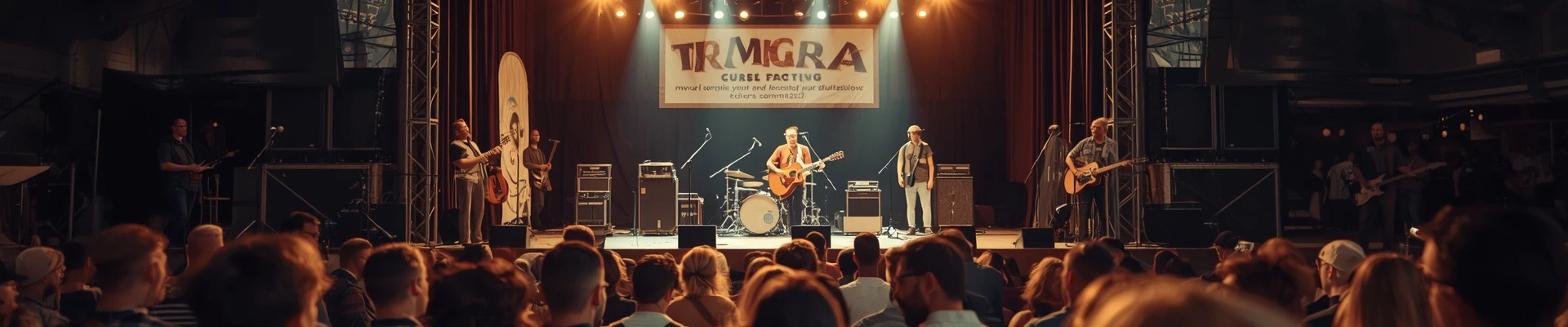
Rock and indie have cycled through Stamford in waves. The 1980s hardcore and post-punk scenes were modest but real, fed by the same suburban restlessness driving scenes in neighboring towns like Norwalk and Bridgeport. The 1990s saw a grunge and alternative boom, with clubs on Bedford Street hosting touring acts alongside local bands. Sugar's Rock Bar became the reference point for hard rock and metal in the 2000s. The indie wave of the 2010s brought smaller-scale DIY shows into repurposed spaces — art galleries, basements, the back rooms of coffee shops — with The Barley House and L'escale booking singer-songwriters and folk acts. Harbor Point, a massive mixed-use waterfront development that has reshaped Stamford's South End, has introduced outdoor festival programming that brings larger crowds to what was once an industrial brownfield.
Hip-hop production has a quiet but genuine history in Stamford. The city's proximity to Yonkers and the Bronx means it has never been far from the genre's nerve centers. Local producers and MCs have circulated through the New York mixtape and SoundCloud ecosystems for decades, and Stamford-raised talent regularly surfaces on regional bills without the city getting proper credit as their origin point.
Venues
The Palace Theatre (formerly the Stamford Palace) remains the city's prestige room, holding around 1,580 seats and booking national touring acts across pop, jazz, classical, and Broadway. Its neoclassical lobby is one of the finest surviving examples of Gold Coast civic architecture.
The Rich Forum at the Stamford Center for the Arts on Atlantic Street is the city's second major hall, a 900-seat mid-size space used for dance, theatre, and concert programming.
Mezcal on Summer Street has been Stamford's most consistent jazz and Latin room in recent years, blending an upscale cocktail bar atmosphere with serious musical programming. The Capital Grille and other upscale restaurant-bars in the downtown core book jazz trios and acoustic acts for weekend dining entertainment, keeping full-time musician hours available.
Vyne Social has served the 21-and-over nightclub market with DJ-forward programming. Coyote Blue has hosted country and Southern rock nights. The Brickhouse Bar & Grill on Canal Street is a long-running rock and soul room that has booked local and regional acts consistently since the early 2000s.
For all-ages and indie programming, The Spotlight and various pop-up events through the Stamford Downtown special district have tried to fill the gap left by the lack of a dedicated mid-size independent venue — a gap that remains Stamford's primary music-infrastructure weakness compared with nearby cities.
Festivals and Events
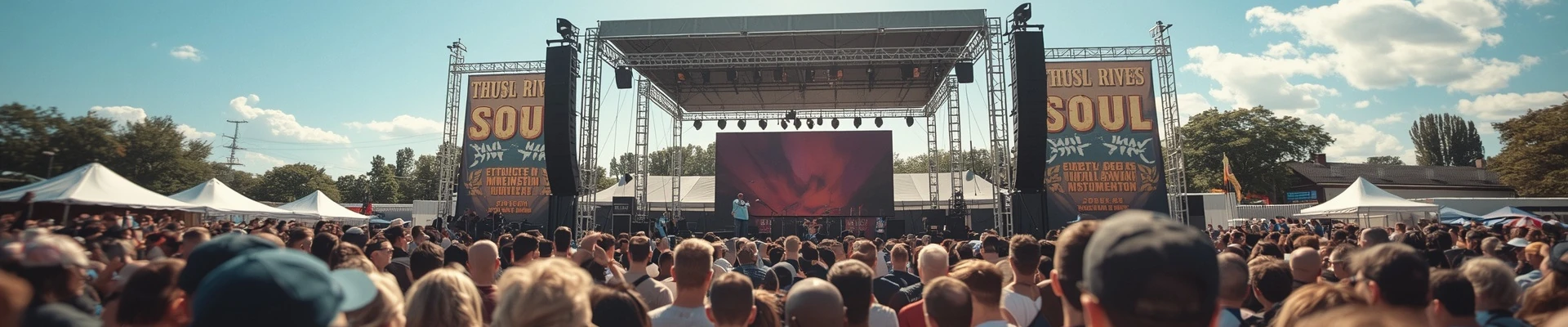
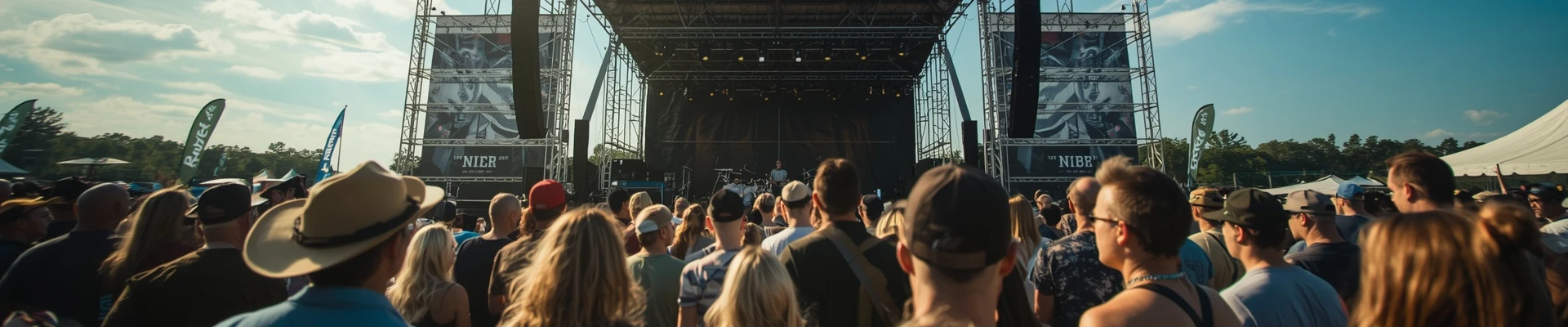
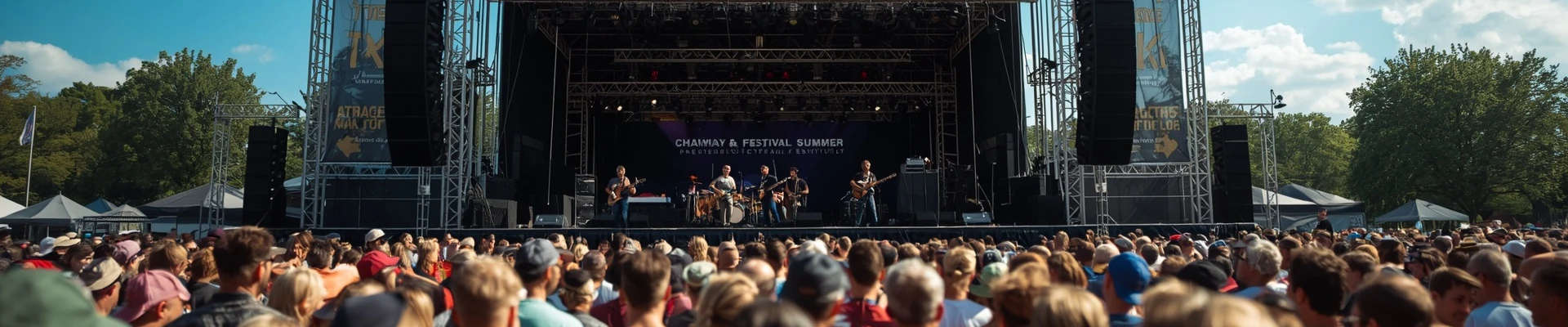
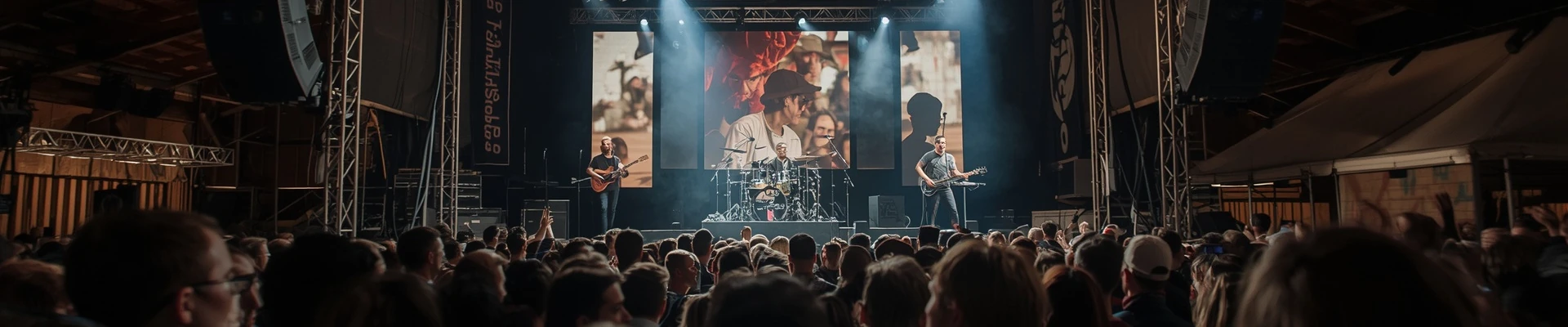
Alive@Five is Stamford's signature outdoor music event, a free Thursday-evening concert series running each summer in Columbus Park downtown. Running since the early 2000s with sponsorship from local corporations, Alive@Five books national touring acts at the 2,000–5,000 capacity outdoor stage and draws some of the largest crowds of any summer event in Connecticut. Past performers have included The Head and the Heart, Gin Blossoms, Blues Traveler, and a rotating cast of '80s and '90s heritage acts alongside more contemporary bookings.
Stamford Downtown's First Friday events bring open-air street entertainment monthly, with local bands and solo performers on outdoor stages along Bedford Street and Bank Street. The Stamford Museum & Nature Center programs acoustic and folk events on its grounds during summer. Harbor Point has hosted ticketed outdoor concerts tied to the development's ongoing tenant-recruitment programming.
The City Lights Jazz Festival, while smaller than comparable events in Hartford or New Haven, has run intermittently and draws on the deep local and regional jazz talent pool that Stamford's proximity to New York City makes available.
Notable Artists and Connections
Talib Kweli attended high school in nearby Brooklyn but has performed in Stamford repeatedly and has cited Connecticut Gold Coast crowds as among the most knowledgeable hip-hop audiences in the Northeast. Michael Bolton, who was born in New Haven and raised partly in Connecticut, performed early in his career at Fairfield County venues including Stamford. Harry Connick Jr. has appeared at the Palace Theatre multiple times to sold-out rooms that reflect the city's deep jazz-loving audience.
Locally, producers and beat-makers working in Stamford's home-studio underground have contributed to regional hip-hop and R&B releases without commanding wider national recognition — a pattern common to secondary cities in the New York shadow. The city's Puerto Rican community has produced salsa and reggaeton artists who perform actively on the Tristate circuit.
What Ties It Together
Stamford's defining musical signature is the music of proximity — a city that is never quite in the center of any scene but is always close enough to draw from New York's deep talent pool while nurturing its own distinct Latin, jazz, and corporate-class-of-listeners culture. The Alive@Five summer series and the Palace Theatre's year-round programming give the city a formal live-music backbone unusual for a city its size. The West Side's Latin music circuit — salsa in social halls, bachata on house speakers, reggaeton on bar nights — gives it a grassroots street-level vitality. And the rail line to Penn Station means that Stamford's musicians are never more than fifty minutes from the recording studios, booking agents, and late-night sessions that define professional music-making in the Northeast. It is a Gold Coast city with working-class rhythms, and that productive tension is what makes its music scene more interesting than its polished downtown suggests.