
Clearwater occupies a narrow peninsula on Florida's Gulf Coast, separated from the Gulf of Mexico by barrier islands — most famously Clearwater Beach, one of the most visited stretches of sand in the United States — and connected to the rest of Pinellas County by a series of bridges and causeways. With roughly 117,000 residents in the city proper and several million in the Tampa–St. Petersburg–Clearwater Metropolitan Statistical Area, Clearwater sits at the western anchor of one of Florida's largest population corridors. The Tampa Bay metro is the third-largest in Florida after Miami and Orlando, and Clearwater functions within it as the beach-oriented recreation and entertainment hub, while Tampa (25 miles east) and St. Petersburg (15 miles southeast) handle the denser urban and arts-district functions. The city's economy runs on tourism, healthcare, technology services, and a significant commercial presence tied to the Church of Scientology, whose global headquarters — the Flag Land Base — occupies a large portion of downtown Clearwater and has shaped the city's civic and commercial landscape since the 1970s.
A brief history
Clearwater's land was inhabited by the Safety Harbor culture (a Mississippian period people) and later by the Tocobaga people before Spanish contact. European settlement came slowly; the area was part of Hillsborough County's frontier until Pinellas County was carved out in 1912, with Clearwater designated as the county seat. The city developed as a citrus-shipping and railroad town in the late 19th century before tourism became the dominant economic engine in the 20th century. The construction of US Highway 19 and the Courtney Campbell Causeway (connecting Clearwater to Tampa across Tampa Bay) knitted the city into the broader regional transportation network, and the postwar Florida boom brought suburban development, hotel construction, and a tourism infrastructure that has sustained the city's economy ever since. The Church of Scientology's decision to establish its international spiritual headquarters in downtown Clearwater beginning in 1975 had profound effects — the church purchased numerous historic downtown properties, altering the retail and hospitality fabric of the city center, a dynamic that has generated ongoing civic debate.
Music identity
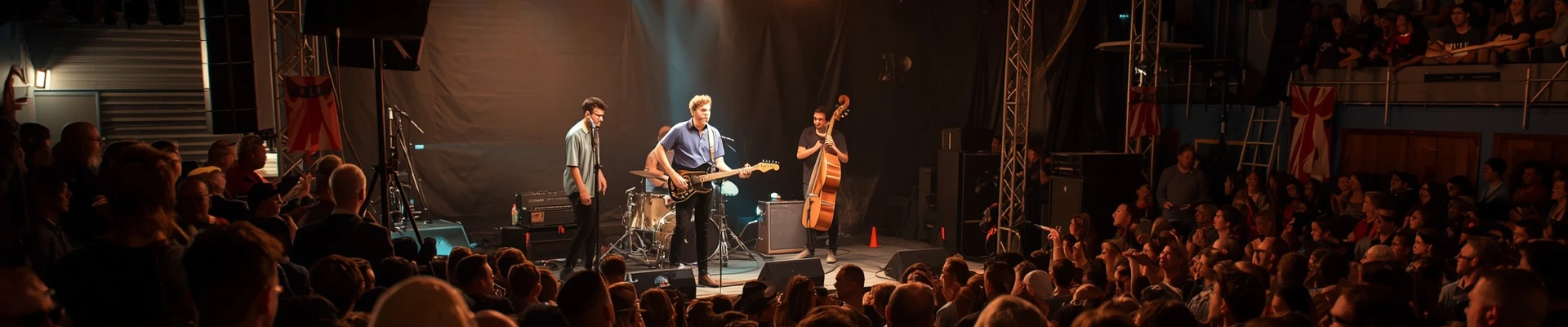
Clearwater's music identity is best understood as a component of the broader Tampa Bay music market rather than as a standalone scene, but the city has real landmarks and a consistent live music infrastructure that exceeds what a city of its size might otherwise support. The tourism economy — which keeps bars, restaurants, and beach venues packed on weekends year-round — creates demand for live music that generates more performance work than comparably sized inland cities. The result is a professional musician class that circulates through Clearwater's clubs, beach bars, and event venues, supplemented by national touring acts that stop at the city's two most important concert venues.
The most historically significant music institution in Clearwater is the Capitol Theatre, a 2,000-capacity concert hall on Cleveland Street in downtown Clearwater. The Capitol Theatre opened in 1921 as a vaudeville and silent-film house and was later converted to a movie palace before a long period of decline. Ruth Eckerd Hall — the Clearwater-based performing arts organization — took over the Capitol's management and undertook a major restoration, reopening it as a live music venue. The Capitol now programs a wide range of national and international touring acts, spanning rock, country, jazz, classical, comedy, and world music. Its restored architecture — including ornate interior detail work, a balcony, and excellent acoustics — makes it one of the more distinctive mid-size rooms on the Florida touring circuit.
Ruth Eckerd Hall itself, a 2,180-seat performing arts center on McMullen Booth Road, is Clearwater's largest dedicated concert facility and has been the primary presenter of major touring classical, Broadway, pop, and rock acts in the area since opening in 1983. Designed by Frank Lloyd Wright protégé William Wesley Peters, the hall's distinctive architecture and strong acoustics have made it a preferred venue for performers ranging from symphony orchestras to rock legends. Acts including Billy Joel, Elton John, Tony Bennett, Dave Matthews Band, and Bruce Springsteen have performed at Ruth Eckerd Hall over its history.
Clearwater's blues and rock club circuit is the backbone of its live music culture. Frenchy's — the famous waterfront restaurant and bar complex on Clearwater Beach — programs live music nightly, with a focus on classic rock, Jimmy Buffett-influenced Florida country, and beach-bar blues. The Beachcomber and other Clearwater Beach establishments follow a similar programming model. On the mainland, The Garage (a rock and metal venue), Rusty Belly (country and Americana), and several bars along Cleveland Street sustain a club circuit that serves local audiences.
The Tampa Bay metal and hardcore scene has historically included strong Clearwater participation. The proximity to Tampa — home to one of American death metal's foundational scenes, with Obituary, Morbid Angel, Death, and Deicide all based or formed there — means that Clearwater musicians have always been adjacent to one of the most important heavy music scenes in the country. Local bands in the death metal, metalcore, and punk traditions have consistently cross-pollinated with the Tampa scene. Mortal Decay (technical death metal) had Clearwater-area ties, and the broader Pinellas County scene has produced a continuous stream of heavy and punk acts.
Hip-hop and R&B in Clearwater reflect the city's African American community, centered historically in the North Greenwood neighborhood — a historically Black district that has been the cultural heart of Clearwater's Black community since the early 20th century. North Greenwood sustained its own entertainment and music infrastructure through the Jim Crow era when Black performers and audiences were excluded from the city's main entertainment venues. The Harlem Theater (a Black-owned theater and entertainment venue) operated during the segregation era, and the musical traditions of North Greenwood's churches, social clubs, and later clubs have contributed to the city's overall musical fabric. Gospel, blues, and R&B traditions remain active in the community.
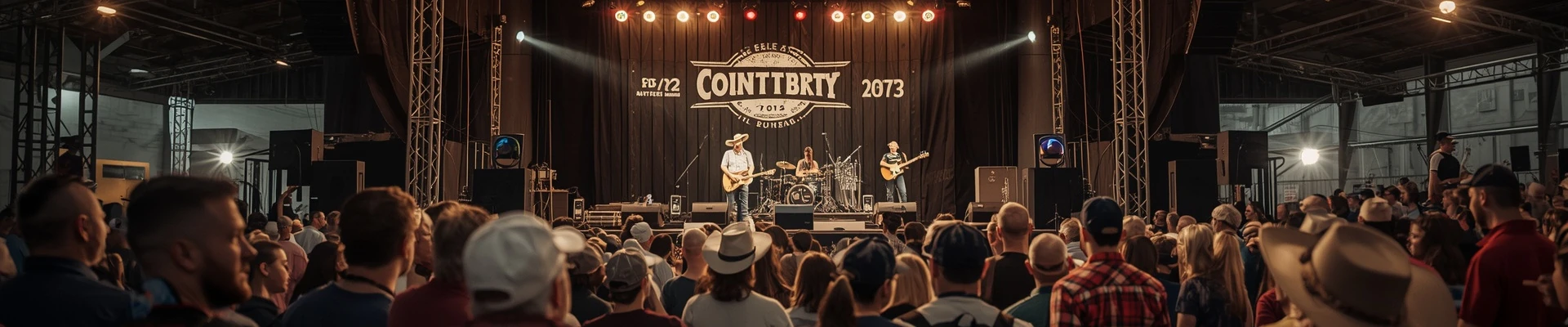
The country and Americana strain in Clearwater is strong, reflecting Florida's cultural connection to the Deep South. Countryside, the northwestern Clearwater suburb, and surrounding Pinellas County communities sustain a country music audience, and several country-oriented clubs and events serve this market. Jim Stafford — the novelty and country artist who had national hits in the 1970s with "Spiders and Snakes" and "My Girl Bill" — grew up in Eloise, Florida, not far from the Clearwater area, and represents the broader Central Florida country tradition.
Venues and neighborhoods
The venue landscape is anchored by Ruth Eckerd Hall (2,180 seats, McMullen Booth Road) for major touring acts, Capitol Theatre (2,000 seats, Cleveland Street) for mid-size national and regional bookings, and Coachman Park (outdoor amphitheatre, capacity up to 20,000) for large outdoor concerts and festivals at the waterfront. Frenchy's Rockaway Grill on Clearwater Beach programs live music in a beach-bar setting with gulf views. The Clearwater Jazz Holiday uses Coachman Park as its festival ground. Palm Pavilion Beachside Grill & Bar on Clearwater Beach programs regular live music. The State Theatre in nearby St. Petersburg (across the bay) draws Clearwater audiences for its indie and rock programming, and the Ritz Ybor in Tampa extends the regional venue circuit.
Neighborhoods define Clearwater's entertainment geography. Clearwater Beach (the barrier island) is the tourist and nightlife epicenter, densely packed with bars, restaurants, and venues oriented toward visitors. Downtown Clearwater (along Cleveland Street and the adjacent blocks) anchors the Capitol Theatre, local bars, and arts organizations. North Greenwood (historic African American neighborhood, north of downtown) holds community music institutions and gospel traditions. Countryside (north and northeast Clearwater) represents the suburban residential base for country and classic rock audiences.
Festivals and signature events
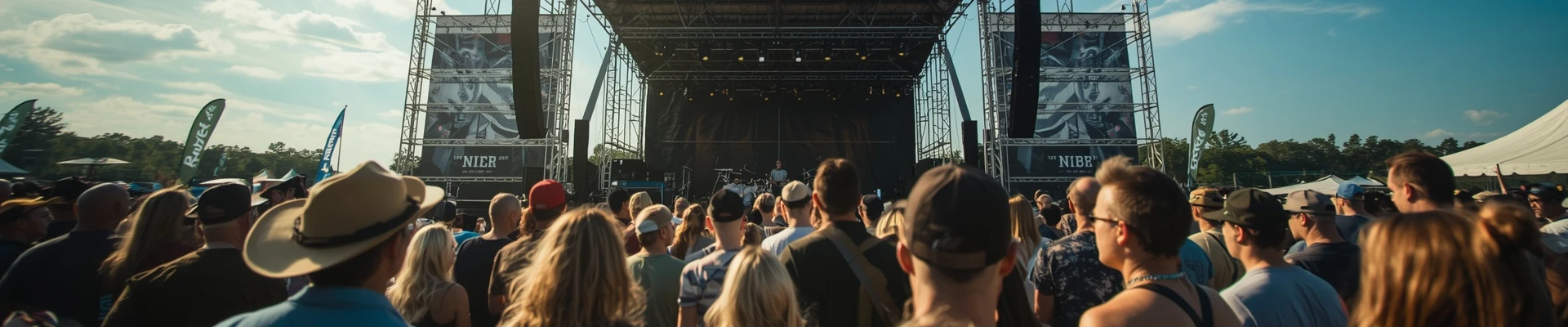
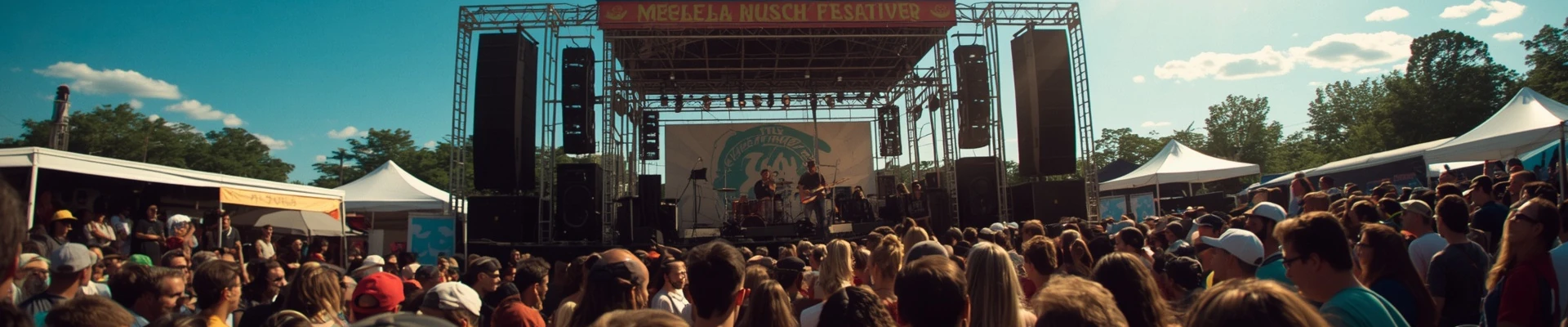
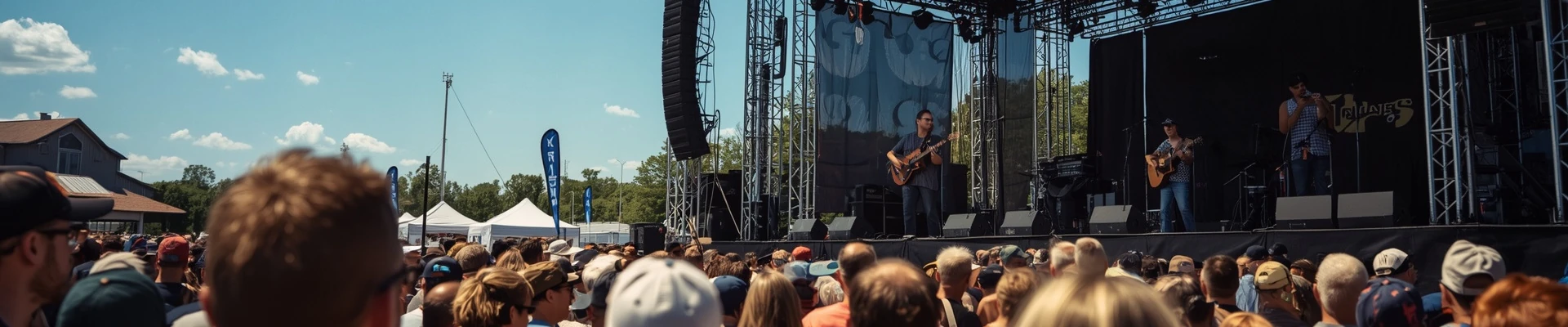
The Clearwater Jazz Holiday — held annually at Coachman Park each October since 1980 — is the city's signature music event, a free outdoor festival that draws national and international jazz headliners to the waterfront for four days. The festival has featured artists including Chick Corea, Herbie Hancock, Diana Krall, Spyro Gyra, Dave Grusin, and dozens of other major jazz names over its four-decade run, and its free admission model has made it a beloved regional tradition. The Coachman Park Summer Concert Series programs outdoor concerts through the warmer months. Concerts in the Park programs community-level events in city parks. Clearwater Beach Music Festival programs rock and beach acts on the island. Pier 60 Sugar Sand Festival incorporates musical entertainment alongside its sand sculpture attraction. The Holiday Lighted Parade and seasonal civic events sustain community music performance.
What ties it all together
Clearwater's music identity is shaped by two forces working in productive tension: the tourist economy and the residential music community. The beach bars and resort venues demand live music year-round, creating a professional musician infrastructure — bands that can work the circuit, sound engineers who know the rooms, bookers who rotate acts through the network — that gives the city more musical depth than its size alone would suggest. Against that backdrop, the Capitol Theatre and Ruth Eckerd Hall have positioned Clearwater as a credible national touring stop, drawing artists who might otherwise route directly between Tampa and Orlando without stopping. The Clearwater Jazz Holiday's four-decade run at Coachman Park has given the city a signature cultural event that commands genuine national attention. What holds it together is the Gulf itself — the warm water, the beach economy, the tourists with money to spend on a Friday night — and the musicians who have learned to navigate that market while building something that lasts past the season.