


Coral Springs occupies roughly 78 square kilometres in the western reaches of Broward County, Florida, bordered by Pompano Beach to the east, Margate to the south, Coconut Creek to the north, and the Everglades conservation lands to the west. With approximately 130,000 residents, it ranks among the larger municipalities in Broward County and in the state of Florida overall. The city sits about 30 kilometres north of Fort Lauderdale and roughly 50 kilometres north of Miami, placing it squarely in the South Florida metropolitan corridor that stretches unbroken from Palm Beach County through Miami-Dade. Unlike older Florida cities that grew organically around ports or railroads, Coral Springs was incorporated in 1963 and developed according to a master plan — a planned community built on drained Everglades farmland, with curvilinear streets, deed-restricted neighborhoods, and a civic identity deliberately cultivated rather than naturally evolved.
A brief history
The land Coral Springs now occupies was agricultural through the early 20th century, part of a broader South Florida drainage project that converted Everglades wetlands into farmland beginning in the 1910s and accelerating in the 1950s. The city was incorporated on July 10, 1963, and developed by the Coral Ridge Properties division of General Development Corporation — a real estate developer whose master plan emphasized family-oriented housing, top-rated schools, and municipal parks. The approach worked: Coral Springs developed a reputation as one of the safest, most family-friendly cities in Broward County, drawing middle-class and upper-middle-class families who prized good schools and suburban stability. The result was a city with a very young median age through the 1980s and 1990s — a community dense with teenagers who needed something to do, and who found it in music.
The city's demographic evolution has continued through the 2000s and 2010s. Coral Springs today has significant Jamaican, Haitian, Colombian, Venezuelan, Israeli, and South Asian communities alongside its historically Anglo and Jewish middle-class base. This diversity feeds directly into the city's musical output — reggae, dancehall, Latin urban, and Jewish cultural music all have active community presences within the city or in the adjacent Broward neighborhoods from which Coral Springs draws culture.
Music identity
Coral Springs's music identity is suburban in the most productive sense of the word: it is the product of teenagers with equipment, time, rehearsal space in garages, and proximity to a metropolitan area large enough to sustain a real industry. The city's most internationally recognized musical export is Paramore — the pop-punk and alternative rock band led by Hayley Williams, who was based in Coral Springs before relocating to Franklin, Tennessee and signing to Atlantic Records at fifteen. While Paramore's sound was shaped by the Nashville pop-rock machinery, Williams's roots in the South Florida suburban scene are documented and real. The band released All We Know Is Falling (2005) and became one of the defining acts of the mid-2000s pop-punk and emo wave, eventually evolving into a more textured rock band through Brand New Eyes (2009), the self-titled Paramore (2013), and After Laughter (2017).
The city's relationship to rock and pop-punk runs deeper than one breakthrough act. Broward County in the 1990s and early 2000s was a fertile circuit for guitar-driven music, with DIY venues, basement shows, and a network of local bands feeding into the Fort Lauderdale and Miami markets. Coral Springs bands regularly played the same South Florida circuit as acts from Pembroke Pines, Miramar, Plantation, and Sunrise — a suburban sprawl that collectively produced a significant volume of hard rock, metalcore, and post-hardcore output during this era.
Hip-hop is the other major current running through Coral Springs's music culture. The city's Black and Caribbean communities, substantial through the 2000s and growing thereafter, sustained a local rap and R&B ecosystem that plugged into the broader South Florida hip-hop scene centered on Miami and Fort Lauderdale. South Florida hip-hop's distinctive blend of Caribbean rhythm, Latin influence, and bass-heavy club music — Miami bass, dancehall-inflected rap, and eventually trap — flows through the suburban corridor that includes Coral Springs. Several South Florida artists have cited Coral Springs or immediate adjacent Broward suburbs as home during their developmental years.
Reggae and dancehall have a genuine community presence in Coral Springs and its immediate Broward neighbors, fed by the city's large Jamaican and Caribbean diaspora. The West Indian community in Broward County is substantial, and the cultural output — sound system events, community concerts, church-based musical events — creates a real, if less externally visible, reggae and Caribbean music infrastructure running parallel to the mainstream rock and hip-hop circuits.
The city's Jewish cultural music tradition deserves note. Coral Springs has one of the larger Jewish communities in Broward County, and the resulting network of synagogues, Jewish community centers, and cultural organizations supports klezmer, Israeli folk music, cantorial performance, and contemporary Jewish rock and folk acts in a community-embedded way that functions outside the standard concert venue circuit.
Venues and neighborhoods
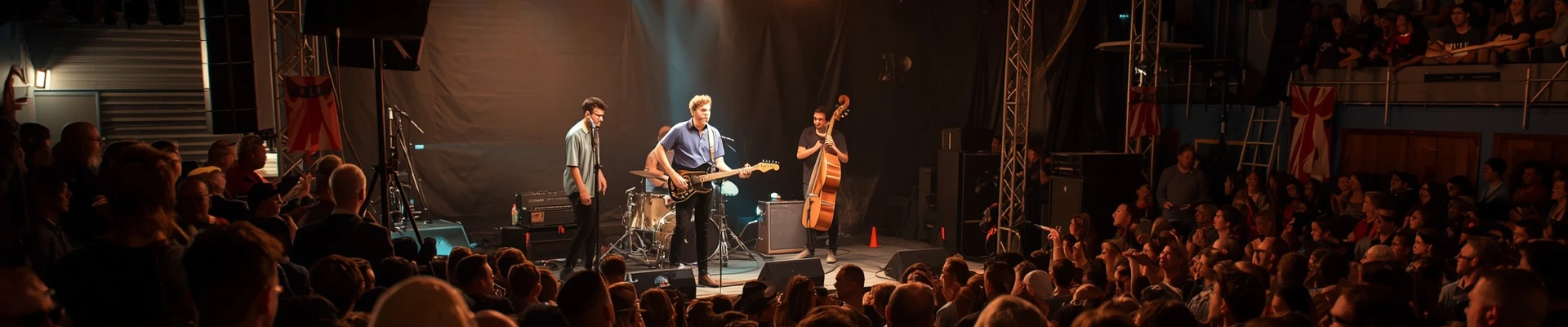
Coral Springs is not a city with a legendary music venue corridor — its design as a master-planned suburb deliberately dispersed retail and entertainment rather than concentrating it in a single walkable district. The city's live music ecosystem is spread across bars and restaurants, with most significant concert activity happening regionally in Fort Lauderdale (at venues including Revolution Live, Culture Room, and the Broward Center for the Performing Arts) rather than in Coral Springs itself.
Within the city, the Coral Springs Center for the Arts — a 1,489-seat performing arts center operated by the city — is the primary dedicated performance venue, programming touring Broadway, comedy, classical, and popular music acts. The center functions as the city's cultural anchor for ticketed events. The Coral Springs Museum of Art hosts community cultural events. Several bars and restaurants along Sample Road and in the Coral Square Mall corridor program local and regional live music on evenings and weekends, creating a diffuse but functional bar-music ecosystem. The city's parks — Mullins Park, Cypress Park, Coral Springs Sportsplex — occasionally host outdoor concerts and community festivals.
The surrounding Broward network is where Coral Springs musicians have historically developed. Revolution Live in Fort Lauderdale (1,200 capacity) is the regional anchor for touring rock, metal, and hip-hop. The Broward Center for the Performing Arts programs major touring acts. Culture Room (now closed) was a key venue for rock and metal through the 2000s. Respectable Street in West Palm Beach, while north of the metro, also drew Coral Springs acts and audiences.
Festivals and signature events
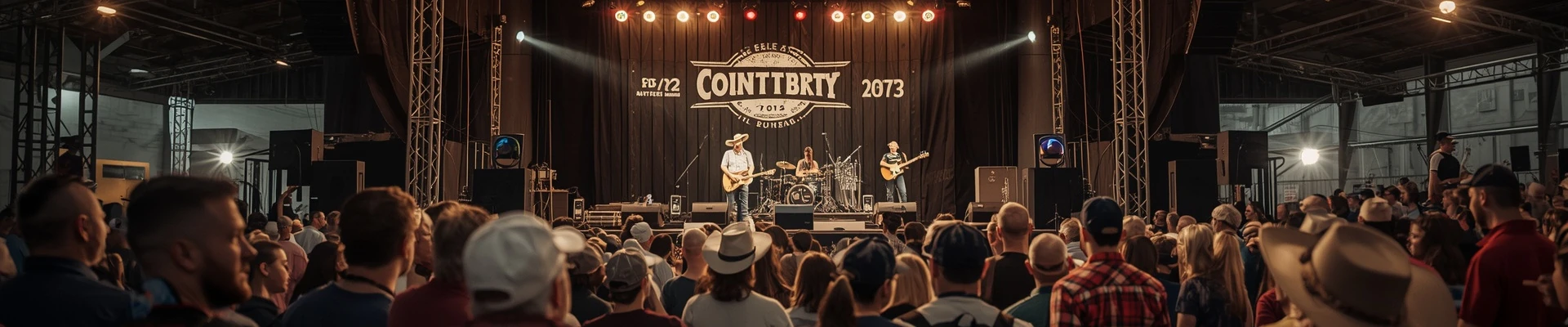
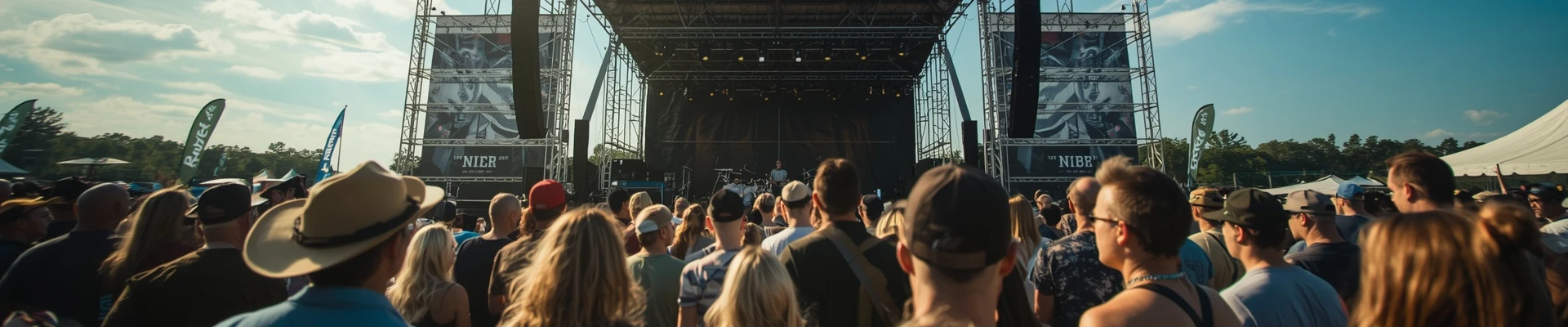
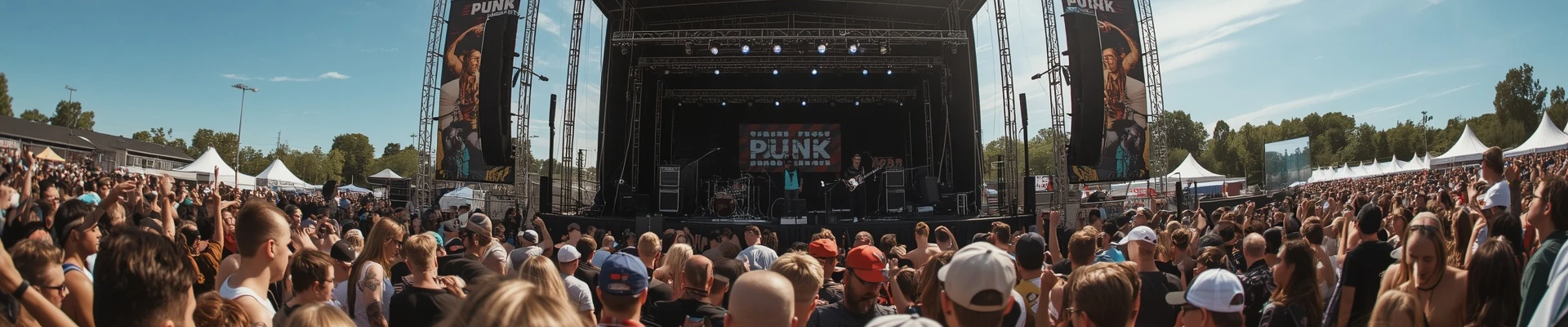
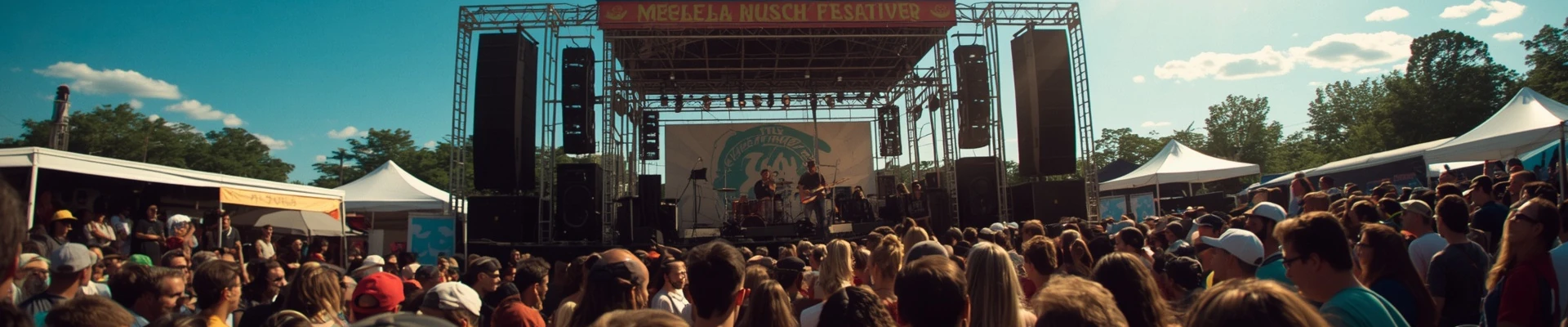
Coral Springs does not host a major music festival with national draw, but its local festival calendar is active. The Coral Springs Music Fest — periodic outdoor community events — programs local and regional acts in park settings. The Coral Springs Art Festival integrates live music performance. The Jazz in the Park series at city parks programs local jazz and Latin jazz acts. The Mayor's Holiday Festival and seasonal outdoor events at Mullins Park incorporate local music bookings. The Coral Springs Winterfest mirrors the broader Broward County holiday festival tradition with live entertainment. These events function as community-facing programming rather than destination festival tourism.
What ties it all together
Coral Springs is a city whose musical significance is suburban in the most literal and interesting sense: its greatest contribution to American music came from a teenager with a voice and a guitar and the particular restlessness that master-planned suburban perfection produces in young people who want something rawer. Hayley Williams and Paramore are the clearest example of what Coral Springs and the broader Broward suburb circuit can produce — a musician formed in the South Florida sun and suburban sprawl, who left for Nashville at fifteen but whose formative years were rooted in a city that, by design, was supposed to be comfortable and stable and contained. The tension between that design and the actual human need for music that breaks things open is what makes Coral Springs, like so many American suburban cities, a genuine contributor to the national sound.
The city's Caribbean diaspora, its Jewish cultural institutions, its DIY rock networks, and its proximity to the Fort Lauderdale music industry mean that Coral Springs is genuinely embedded in South Florida's music ecosystem — not as a center, but as a productive suburb from which acts emerge and to which communities look for cultural continuity. That is an honest, accurate description of what Coral Springs is musically, and it is not a small thing.