
Fort Lauderdale is the county seat of Broward County and the largest city between Miami and Palm Beach, with roughly 183,000 residents inside the city limits and a Greater Fort Lauderdale metropolitan area of more than 1.9 million. Situated on the Atlantic Coast 45 kilometres north of Miami, the city is defined by its extraordinary network of more than 480 kilometres of navigable waterways — canals, rivers, and inlets that earned it the nickname the Venice of America and sustain one of the largest yachting and marine industries in the world. The city is the gateway to the Florida Everglades to the west, home to Fort Lauderdale-Hollywood International Airport (one of the busiest in Florida), and a major centre for international banking, marine industry, healthcare, and hospitality. Broward County as a whole is one of the most culturally diverse counties in the United States — with large Jamaican, Haitian, Colombian, Cuban, Puerto Rican, Dominican, Trinidadian, Bahamian, and Brazilian communities, alongside one of the largest Jewish populations outside of New York — and that demographic complexity is the defining factor in Fort Lauderdale's music scene.
A brief history
The land that became Fort Lauderdale was Tequesta and Seminole territory before American expansion. The United States military built a stockade here during the Second Seminole War in the 1830s — the "fort" that gave the city its name — on the New River, one of the key waterways running through what is now downtown. The area remained sparsely settled through the 19th century; the coming of Henry Flagler's Florida East Coast Railway in 1896 opened it to development, and the city was incorporated in 1911. Fort Lauderdale grew steadily through the early 20th century as a resort and agricultural hub. The post-WWII era brought a dramatic population surge as air conditioning, the automobile, and the Interstate Highway System made South Florida accessible to Northern migrants. The city's famous Spring Break identity — millions of college students descending on the beaches from the 1960s through the 1980s — shaped its entertainment economy before civic policy gradually redirected the tourism focus toward yachting, business travel, and family tourism. The 1980s also brought the crack epidemic and associated violence to the city's Black working-class neighborhoods (particularly Sistrunk Boulevard and the Lauderdale Lakes corridor), an experience that shaped the hip-hop generation that came of age in Broward County in the late 1980s and 1990s.
Music identity
Fort Lauderdale's most internationally recognizable musical contribution is Rick Ross (William Leonard Roberts II), born in Clarksdale, Mississippi but raised in Carol City (now Miami Gardens) in the Miami-Dade/Broward border zone — Ross attended Carol City Senior High School and built his early career in the Fort Lauderdale–Miami corridor before breaking nationally with "Hustlin'" in 2006 and establishing Maybach Music Group as one of the defining hip-hop labels of the 2010s. While Ross's geography straddles Fort Lauderdale and Miami proper, the broader Broward County hip-hop scene — anchored by the Carol City, Lauderhill, Miramar, and Pompano Beach corridors — has been a consistent production zone for South Florida trap, rap, and drill. Kodak Black (Bill Kahan Kapri), raised in Pompano Beach in northern Broward County, emerged as one of the most influential rappers of the mid-2010s through a raw style that drew on the Broward County street experience; his influence on the melodic-trap sound later associated with artists like NBA YoungBoy and Lil Uzi Vert is widely acknowledged in the culture even if rarely credited publicly.
The Caribbean dimension of Fort Lauderdale's music scene is, in aggregate, the city's most distinctive musical characteristic. Broward County has one of the largest Haitian-American populations in the United States — concentrated in communities like Little Haiti in Miami and in Broward suburbs like North Lauderdale, Margate, and Lauderdale Lakes — and the Haitian kompa (konpa direk) scene in Greater Fort Lauderdale is one of the most active outside Haiti itself. Bands like Tabou Combo, Carimi (the Fort Lauderdale-based superstar kompa group), T-Vice, and BélO (Ricarson Désir) have recorded and performed extensively in the Fort Lauderdale corridor, and the city's Haitian cultural centres, churches, and nightclubs sustain an ongoing live kompa circuit. Reggae and dancehall have equally deep roots through the large Jamaican-American community in Broward, with venues along the Sistrunk Boulevard corridor and in the broader African-American community sustaining a continuous dancehall and reggae scene since the 1980s. Soca and calypso from the Trinidadian, Barbadian, and Eastern Caribbean communities; salsa, cumbia, and vallenato from the Colombian community in Dania Beach and Hallandale Beach; and bachata and merengue from the Dominican community round out one of the most genuinely multicultural musical ecosystems in the United States.
The electronic dance music chapter of Fort Lauderdale's history is tied directly to its proximity to Miami and its own club infrastructure. Fort Lauderdale has operated as an overflow market for Miami's EDM scene since the early rave era of the late 1980s, with clubs along the Las Olas Boulevard corridor, the 17th Street Causeway entertainment area, and the Wilton Manors district (one of the most prominent LGBTQ+ communities in the South) sustaining an ongoing house, techno, and circuit-party music ecosystem. Wilton Manors — technically a separate municipality wholly contained within Fort Lauderdale — has a particularly active LGBTQ+ nightlife and music scene, with clubs and bars that have hosted circuit parties, drag performances, and electronic music events for three decades.
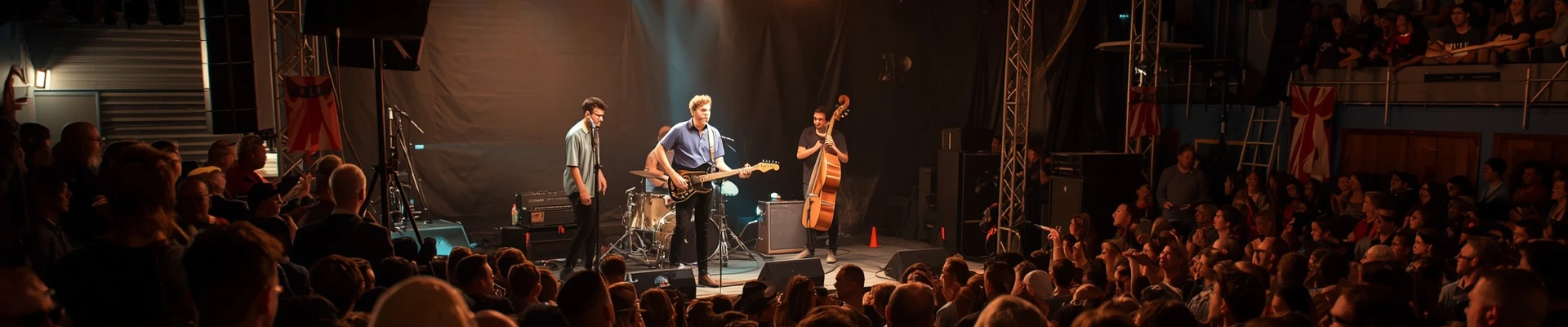
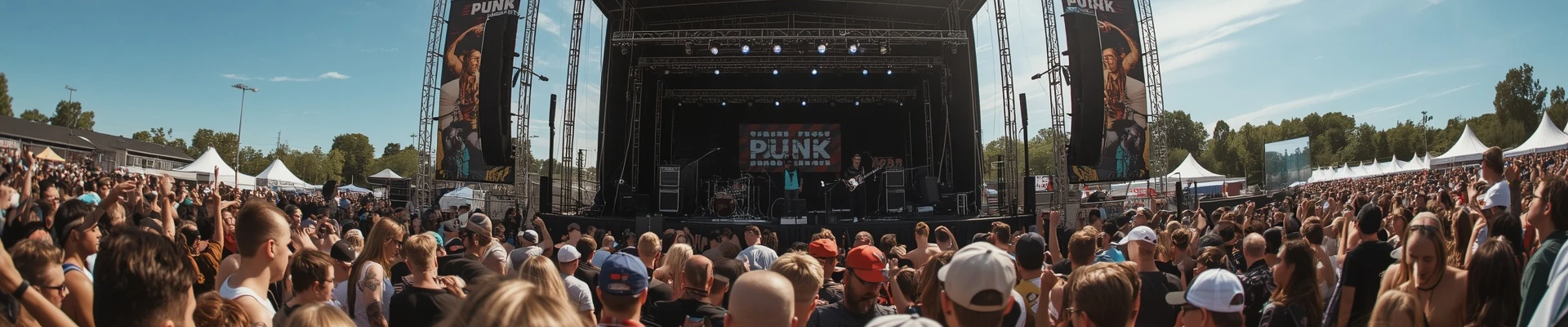
Rock and indie have a persistent if smaller presence through the Fort Lauderdale club circuit. The city has produced or hosted significant figures in metal (Broward County has long been part of the South Florida metal ecosystem centred on venues like The Culture Room and Revolution Live) and in punk and hardcore. Culture Room and Revolution Live (see below) have been essential venues for touring rock and metal across multiple decades.
Venues and neighborhoods
The Broward Center for the Performing Arts on the New River in downtown Fort Lauderdale is the city's flagship performing arts venue — a 2,700-capacity hall that programs Broadway touring productions, classical, jazz, world music, and major popular artists. Revolution Live (previously Culture Room's spiritual successor, operating from the Himmarshee Village corridor in downtown) is Fort Lauderdale's primary mid-size rock, metal, and alternative club, with a 2,000-capacity configuration and one of the busiest touring calendars in South Florida. Culture Room on State Road 84 was the legendary metal and rock venue that anchored South Florida's underground for years before closing. The Vanguard (in Wilton Manors) anchors the LGBTQ+ and electronic scene. The Parker (a recently renovated 1,200-capacity performing arts centre in Fort Lauderdale Beach) programs a range of popular and performing-arts programming. Pier Sixty-Six and Bahia Mar anchor the marina-resort circuit for waterfront entertainment. Stache (in downtown, with a 1920s speakeasy theme) programs indie, funk, and DJ nights. America's Backyard (the open-air downtown entertainment plaza) has programmed free concerts and events for years.
Neighborhoods carry distinct musical identities. Downtown / Himmarshee Village along the New River anchors the live music, craft cocktail, and arts bar scene. Las Olas Boulevard anchors the upscale dining, jazz, and lounge circuit. Wilton Manors (NW 26th Street and Wilton Drive) anchors LGBTQ+ nightlife and electronic music. Sistrunk Boulevard (historically the Black cultural corridor of Fort Lauderdale) anchors the Caribbean, reggae, and Haitian music circuit. Victoria Park supports the indie and coffee-shop acoustic scene. The Fort Lauderdale Beach resort strip programs tourist-facing cover bands, live bars, and seasonal entertainment along A1A.
Festivals and signature events
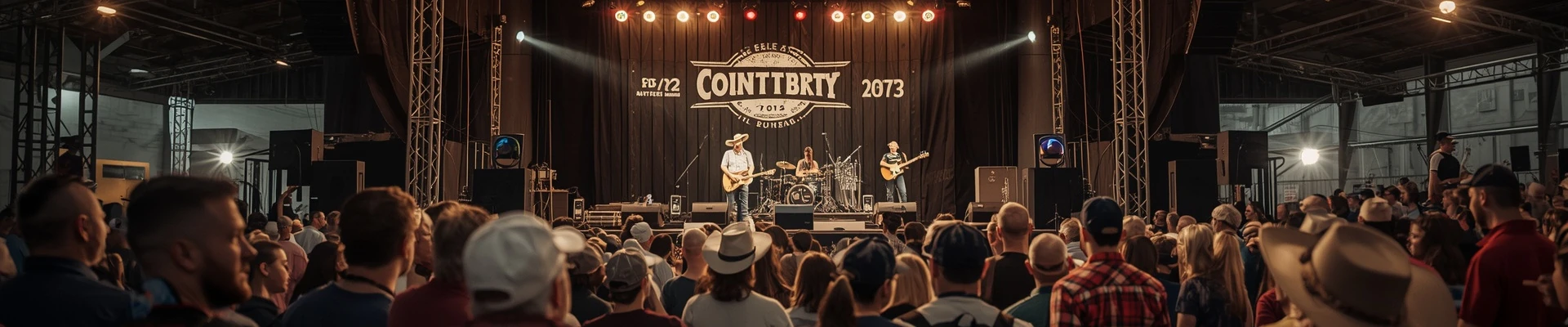
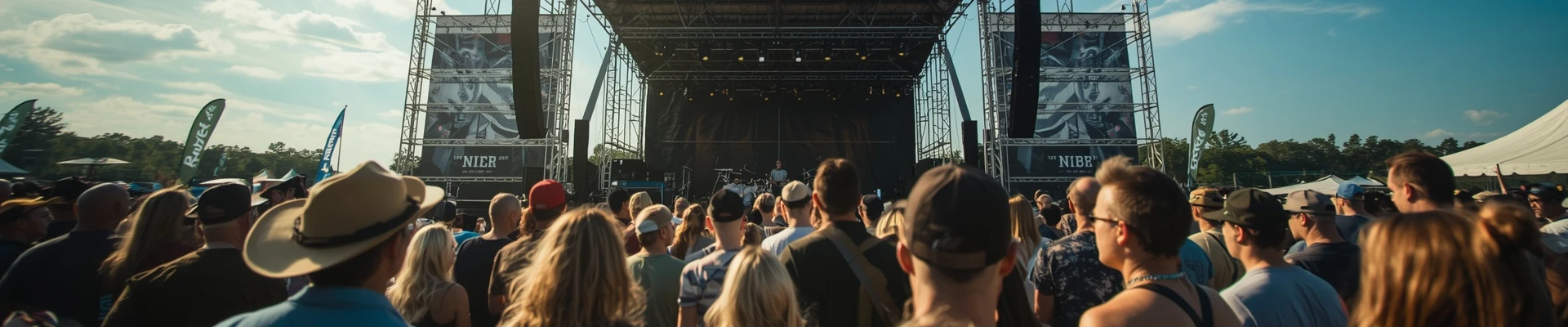
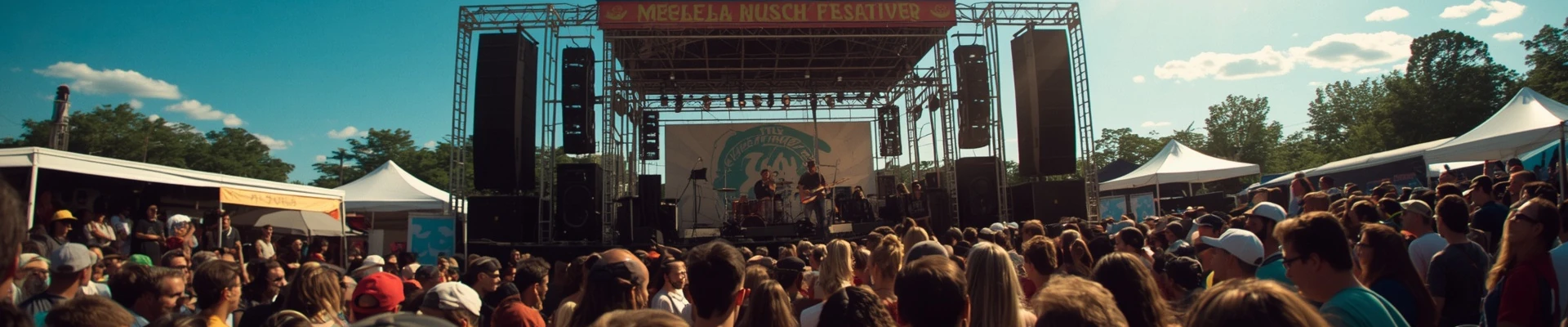
Tortuga Music Festival, held annually on Fort Lauderdale Beach in April, is the city's largest music event — a three-day country, rock, and roots festival on the beach, co-organized with proceeds benefiting ocean conservation, that draws more than 100,000 attendees and programs major country and classic-rock headliners alongside emerging acts. It is one of the largest beach music festivals in the eastern United States and Fort Lauderdale's clearest claim on the national festival map. SunFest in West Palm Beach (45 kilometres north) is part of the broader South Florida festival corridor that Fort Lauderdale audiences attend. Mango's Tropical Cafe's events, Broward Center's annual jazz and world music series, Fort Lauderdale International Film Festival music programming, the Las Olas Art Fair festival weekend concerts, Seminole Hard Rock Hollywood's Hard Rock Live (immediately adjacent in Hollywood, FL) programming, and the annual Haitian Cultural Festival at Markham Park complete a substantial calendar.
What ties Fort Lauderdale together is the sheer density of musical cultures operating simultaneously in a relatively small subtropical city. This is a place where a Haitian kompa band plays a church social in Lauderdale Lakes on the same Saturday that a death-metal touring act sells out Revolution Live and a circuit-party DJ spins to a thousand people in Wilton Manors. The canal geography, the Caribbean migration corridors, the proximity to Miami's industry, and the city's own history of resort excess and working-class resilience have produced a music scene that is genuinely pluralistic — loud, specific, and impossible to reduce to a single defining sound. Rick Ross built his empire from these blocks. Carimi made Creole pop that charted globally from Fort Lauderdale. Kodak Black channeled Broward County's pain into one of the most-streamed rap catalogues of the 2010s. The Tortuga festival turns the beach into a country amphitheater every April. And Wilton Manors keeps dancing regardless. That contradictory, exuberant energy is Fort Lauderdale's musical signature.