
Jacksonville is the largest city by area in the contiguous United States and the most populous in Florida, with roughly 1.01 million residents inside its consolidated city–county limits and more than 1.7 million across the wider metropolitan area. Sprawled across more than 2,200 square kilometers along the St. Johns River in northeast Florida, ringed by the Atlantic beaches of Jacksonville Beach, Atlantic Beach, and Neptune Beach, and stretching inland through dense pine forests and tidal marsh, "Jax" is at once a major Atlantic port, a Navy town (home to Naval Station Mayport and Naval Air Station Jacksonville), an insurance and logistics hub, and a deeply Southern city whose musical history sits at the headwaters of Southern rock, country-rock, and a half-century of Black popular music.
A brief history
The land at the mouth of the St. Johns was Timucua territory for thousands of years before French Huguenots established Fort Caroline in 1564 — one of the earliest European settlements in what is now the United States. The Spanish destroyed the colony in 1565 and held the territory through the colonial era; it passed to the United States in 1821 along with the rest of Florida. The town was named for Andrew Jackson in 1822 and grew through the 19th century as a port and lumber hub. The 1901 Great Fire destroyed most of the downtown core, but rebuilding was rapid. Through the 20th century Jacksonville grew as a Navy town, an insurance corporate center (Jax has long been one of the largest insurance markets in the South), and a logistics and freight hub at the convergence of three Class-I railroads, two Atlantic Ocean shipping channels, and Interstate 10, I-95, and I-75. The 1968 consolidation of the city and Duval County made Jacksonville the largest U.S. city by area, and the postwar Sun Belt boom turned it into one of the fastest-growing metros in the South. Successive waves of migration — Black Southerners during the Great Migration, Cuban and Puerto Rican families through the 20th century, and large Filipino, Vietnamese, and increasingly Central American communities since the 1990s — have built a city that is roughly 31% Black, 12% Hispanic, and increasingly diverse.
Music identity
Jacksonville's most internationally famous musical chapter is the rise of Southern rock in the late 1960s and early 1970s. Lynyrd Skynyrd formed in Jacksonville in 1964, came up through high school bands and the West Side circuit, and built one of the foundational catalogs of American rock and roll through albums like Pronounced 'Lĕh-'nérd 'Skin-'nérd (1973) and Second Helping (1974); their Sweet Home Alabama, Free Bird, and Simple Man remain rock-radio staples five decades later. The Allman Brothers Band, while ultimately Macon-based, did much of its formative playing in Jacksonville's clubs through Duane and Gregg Allman's late-1960s residencies; Duane and Gregg lived in Jacksonville for a stretch and assembled key members of the band there. .38 Special, formed in Jacksonville in 1974 by Donnie Van Zant (Ronnie's younger brother), built a long arena-rock and AOR career out of the city. Molly Hatchet, formed in Jacksonville in 1971, took the Southern-rock template into a heavier, biker-rock direction. Blackfoot, fronted by Rickey Medlocke, was another major Jacksonville Southern-rock export. The Cassidy brothers, the Outlaws (whose ties run to nearby Tampa but cross into Jacksonville), and a deep regional bar circuit fed the lineage. Tom Petty, raised in Gainesville to the south, played the Jacksonville circuit extensively in his pre-fame years.
The 1990s and 2000s remade the city again. Limp Bizkit, formed in Jacksonville in 1994 by Fred Durst, John Otto, and Sam Rivers, became one of the best-selling rock acts of the late 1990s and a defining force in nu-metal through Three Dollar Bill, Y'all$ and Significant Other. Yellowcard, formed in Jacksonville in 1997, helped define pop-punk for a generation through Ocean Avenue (2003) and a long touring career. Cold, Inspection 12, Strung Out's Jacksonville roots, and a thriving emo, post-hardcore, and ska scene around clubs like Jack Rabbits and the Murray Hill Theatre built the modern Jacksonville rock identity. Shinedown, formed in Jacksonville in 2001 by Brent Smith, has become one of the best-selling hard-rock bands of the 21st century. Red Jumpsuit Apparatus, Evergreen Terrace, and a deep current generation continue the lineage.
Jacksonville's Black music lineage is equally deep but less canonized in mainstream histories. The city was a major stop on the Chitlin' Circuit through the 1940s, 1950s, and 1960s, with venues like the Two Spot in LaVilla — the historically Black neighborhood west of downtown — hosting Ray Charles, James Brown, B.B. King, and a generation of touring R&B and blues acts. Ray Charles spent formative years in Jacksonville studying at the Florida School for the Deaf and Blind in St. Augustine and learning his trade in LaVilla and Jacksonville-area churches. The 5 Royales, Pat Boone (born here, though raised elsewhere), and a long lineage of Black gospel groups built the postwar Jacksonville Black music tradition. Hip-hop has its own Jacksonville lineage through artists like The Mighty Casey, Buck-O-Nine's Jacksonville ties, and a 21st-century scene that includes Foolio, Yungeen Ace, Spinabenz, Rico Recklezz, and a controversial but commercially significant Duval drill scene that rose through SoundCloud and YouTube in the 2010s. R&B and gospel continue through Jacksonville churches and venues including Bethel Baptist and St. Paul AME.
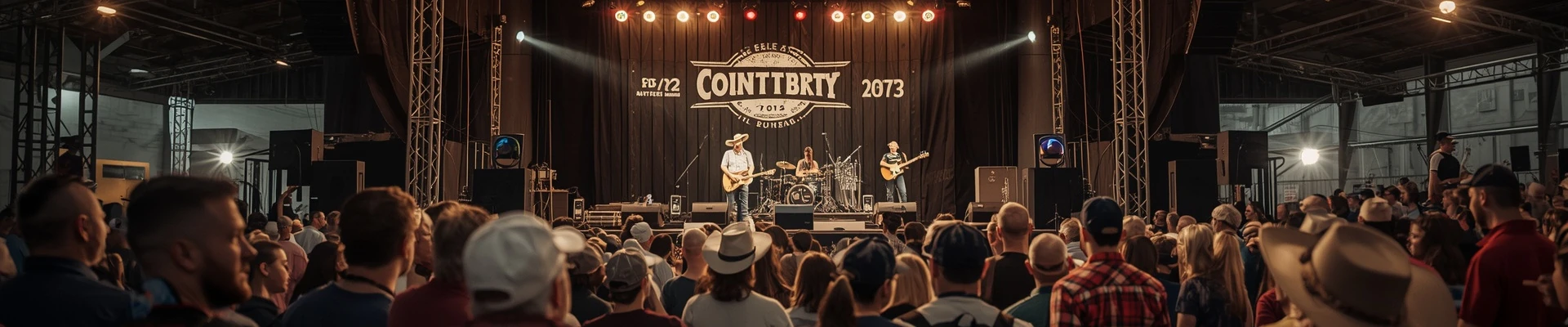
The city also has a long country and bluegrass tradition, fed by its position on the boundary between Deep South Florida and the rural South. Mac McAnally, John Anderson (raised in nearby Apopka), Riley Green's tour stops, and a deep regional country circuit fill venues across the city. Jazz has homes at the Ritz Theatre and Museum in LaVilla (devoted to Jacksonville's Black music history), the Jacksonville Jazz Festival, and clubs like Mudville Music Room and The Florida Theatre. Latin music — primarily Puerto Rican, Cuban, and Mexican — runs through clubs across the Westside and Southside, alongside a smaller Vietnamese and Filipino music scene.
Venues and neighborhoods
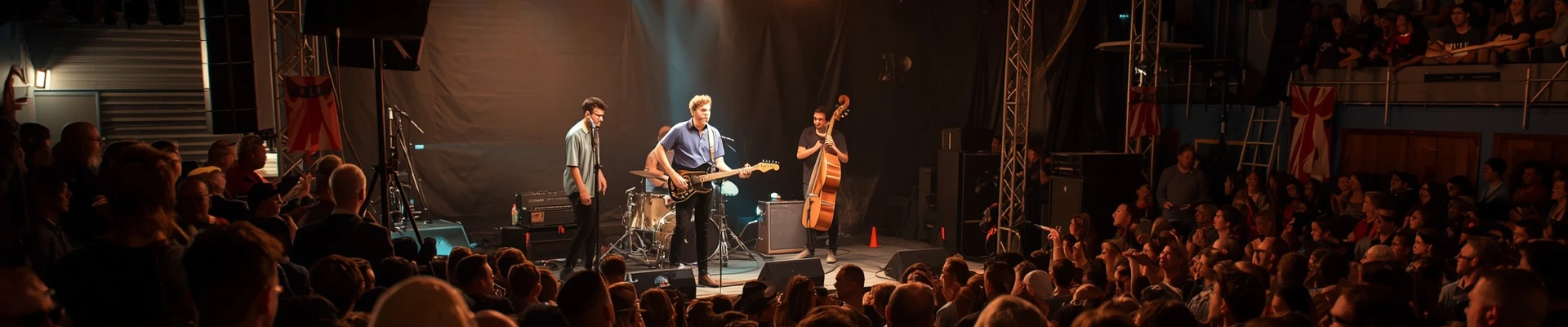
Jacksonville's venue ecosystem is well-developed. At the top sit VyStar Veterans Memorial Arena (the city's largest indoor arena), EverBank Stadium (home of the Jaguars and the city's largest concerts), Daily's Place (an outdoor amphitheater attached to the stadium), the Florida Theatre (a 1927 movie palace turned mid-size concert hall), the Times-Union Center for the Performing Arts (housing Jacoby Symphony Hall, home of the Jacksonville Symphony), and the Ritz Theatre and Museum in LaVilla. The midsize tier includes Mavericks Live, the Underbelly, the Murray Hill Theatre, Jack Rabbits in San Marco, and the St. Augustine Amphitheatre in nearby St. Augustine. Beneath them is a deep club layer — Jack Rabbits, Underbelly, Murray Hill Theatre, Lynch's Irish Pub, Nighthawks, The Roost, Surfer the Bar at Jacksonville Beach, Mudville Music Room, and a network of bars and DIY rooms across Riverside, Avondale, Murray Hill, San Marco, and the Beaches.
Different neighborhoods carry different musical identities. LaVilla anchors the city's Black music history through the Ritz Theatre and a slowly recovering historic district. Riverside, Avondale, and Five Points anchor the indie rock and DIY scenes. Murray Hill has become one of the city's most active small-venue corridors. San Marco and the Southbank support a smaller cluster of bars and listening rooms. The Beaches — Jacksonville Beach, Atlantic Beach, and Neptune Beach — sustain a long surf-rock, reggae, and beach-bar tradition through venues like Surfer the Bar and Ragtime Tavern. Northside and the Westside anchor the city's gospel and hip-hop scenes. The Southside and Mandarin support country and Christian music venues.
Festivals and signature events
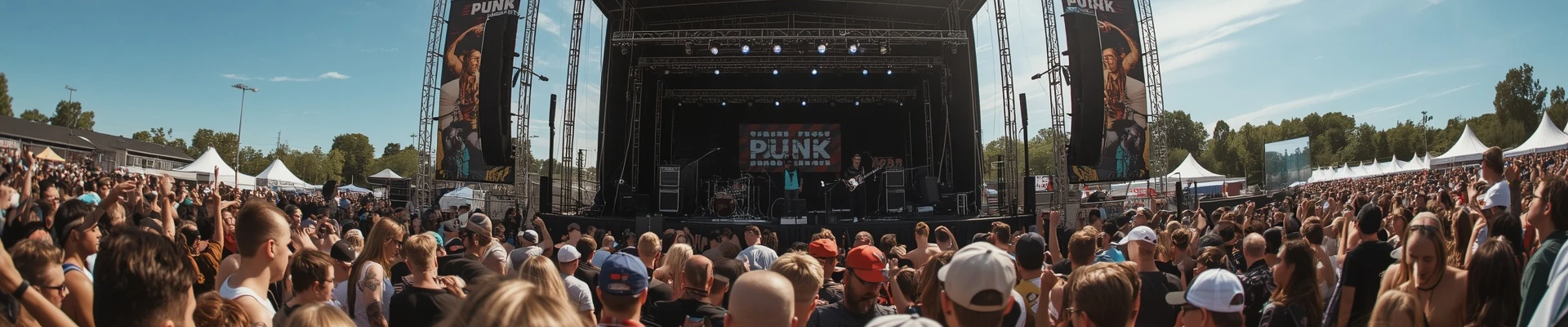
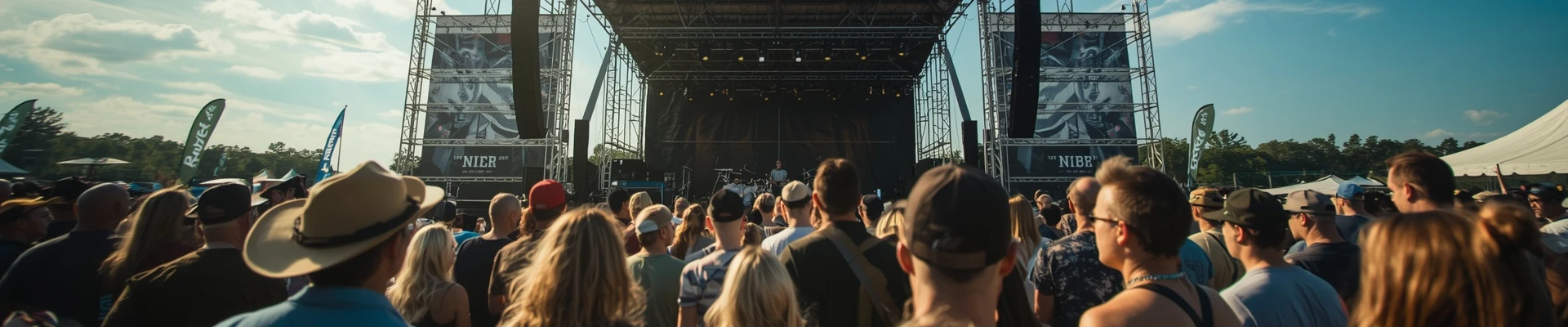
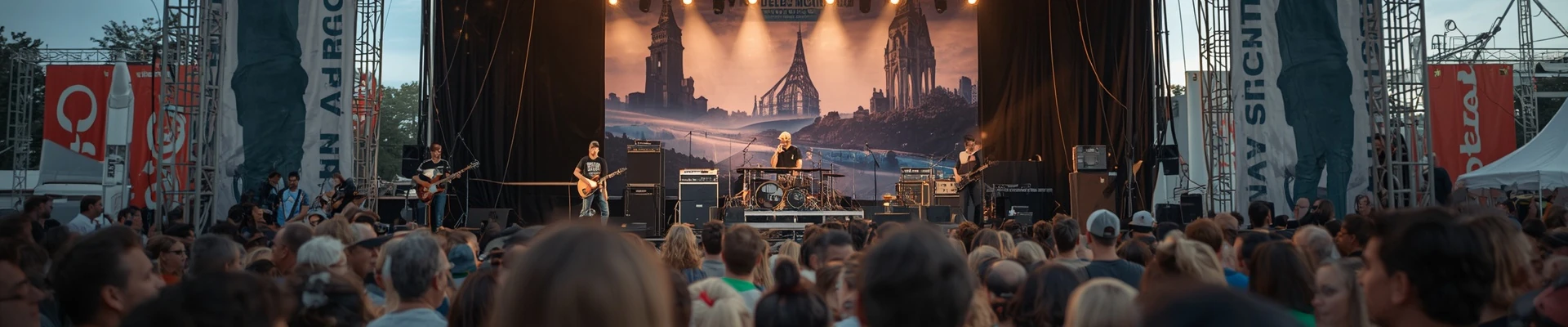
The festival calendar reflects the city's range. Jacksonville Jazz Festival over Memorial Day weekend, founded in 1980, is one of the largest free jazz festivals in the United States, drawing more than 100,000 attendees to downtown each year. Welcome to Rockville at Daily's Place and the surrounding Metropolitan Park (which has rotated to other Florida cities and back) is one of the largest hard-rock and metal festivals in the country. Jacksonville Beach Music Festival, Springing the Blues at Jacksonville Beach, Sing Out Loud Festival in nearby St. Augustine (one of the country's largest free music festivals), and the St. Augustine Amphitheatre summer concert series anchor the regional festival circuit. Jacksonville Pride, Florida Folk Festival in nearby White Springs, One Spark's music programming, the Jacksonville Latino Festival, and the Riverside Arts Market add cultural and community programming. Country Live!, the Florida Theatre's year-round country and Americana programming, and the Mudville Music Room's weekly schedule keep the country and roots circuit running. Bay Street Block Party during Jaguars home games and the Jacksonville Symphony's Pops programming round out the calendar.
What ties it all together is the city's combination of Southern roots, military presence, port economy, and Sun Belt sprawl. Jacksonville is the city where Lynyrd Skynyrd built Southern rock from the ground up, where Limp Bizkit and Yellowcard remade alternative radio in the late 1990s and early 2000s, where Ray Charles learned his trade in LaVilla and St. Augustine, and where a hard-edged Duval hip-hop scene continues to make headlines. It is one of the most underrated music cities in the American South.